
Finding the right massage recliner sofa in Singapore requires looking beyond brand names and aesthetic appeal to evaluate the specific engineering under the upholstery. While many popular brands market their models with proprietary terms, the actual comfort and therapeutic value depend on core mechanical components, customization options, and how well the physical dimensions align with your home layout. By focusing on objective specifications—such as roller tracks, airbag configurations, and clearance requirements—you can systematically compare different models to find the one that best fits your body and your living space.
Because a massage recliner is a significant financial investment and a semi-permanent fixture in your living room, understanding the technical differences between models prevents buyer’s remorse. Different brands prioritize different aspects of the massage experience, with some focusing on deep-tissue muscle relief and others on gentle, stress-relieving relaxation. This guide establishes a clear framework for comparing these features, allowing you to make an informed decision based on verifiable product specifications and practical home constraints.
Evaluating Core Massage Mechanisms and Rollers
The most critical component of any massage recliner is its roller mechanism, which dictates how effectively the chair mimics the hands of a professional masseuse. Traditional entry-level models typically use 2D rollers, which move vertically up and down your back and horizontally side to side. While functional for general relaxation, 2D systems cannot adjust their depth, meaning they apply the same level of pressure regardless of your body shape or spinal curvature. For a more personalized experience, look for 3D or 4D roller mechanisms.
Products mentioned in this guide
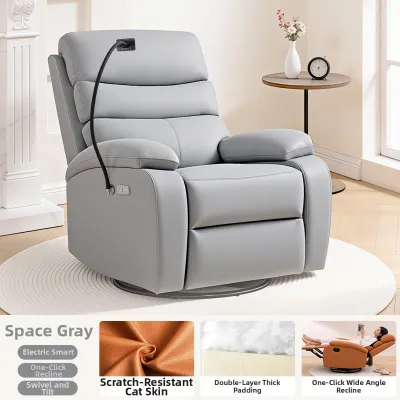
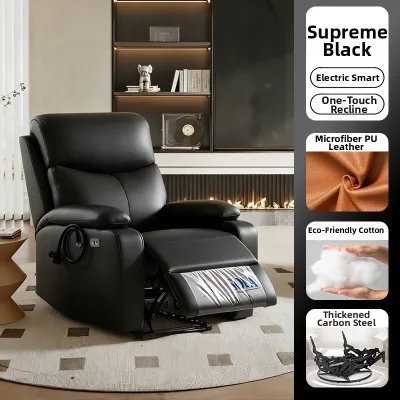
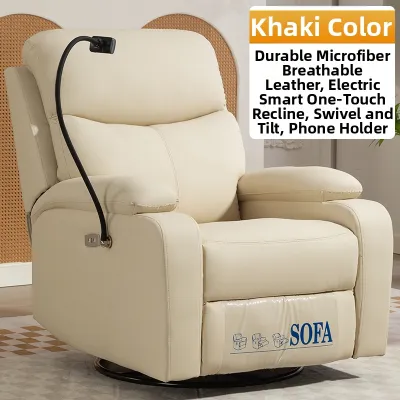
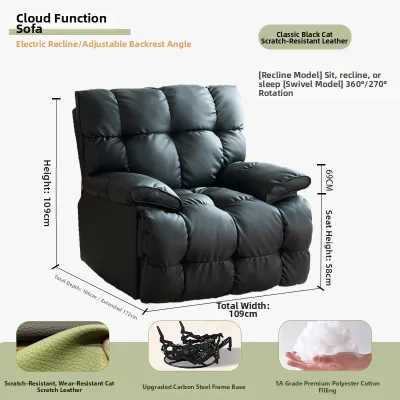
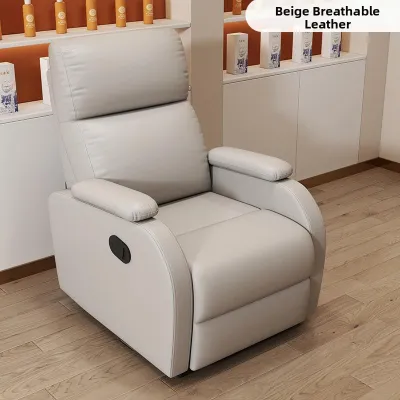
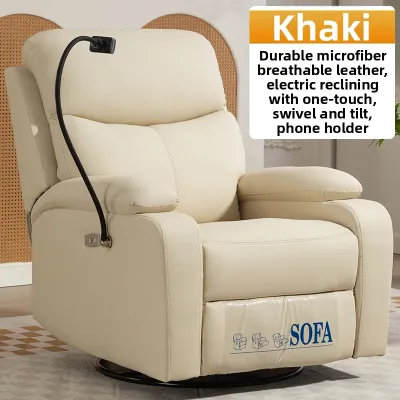
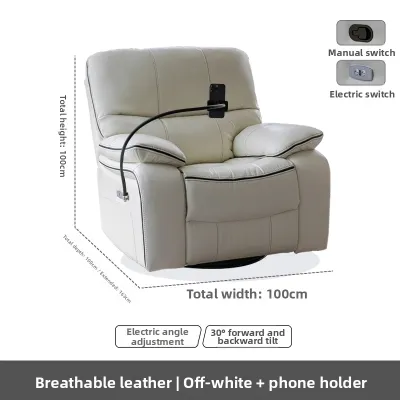
Prices are valid at publication and may change. Please refer to the product page for the latest price.
Advanced 3D rollers introduce depth control, allowing the massage heads to protrude forward into your muscles or retract for a gentler touch. This is particularly beneficial for targeting high-tension areas like the neck and lower lumbar region. The newer 4D technology refines this movement further by dynamically adjusting the speed of the rollers during a single stroke, slowing down at tight muscle knots and speeding up over flatter areas to simulate a human massage rhythm. When comparing brands, verify whether the depth adjustments can be controlled manually via a remote or if they rely solely on automated sensors.
Equally important is the roller track design, which determines the physical path the rollers travel. An S-track follows the natural curve of your spine, focusing intensely on the neck, shoulders, and lower back before stopping at the lumbar region. In contrast, an L-track extends much further, wrapping around the seat to massage your glutes and upper hamstrings. Many modern recliners combine these designs into an S-L track, offering the spinal contouring of an S-track alongside the extended reach of an L-track. If you suffer from lower back stiffness or tight glutes, prioritizing an S-L track is highly recommended.
To complement the rollers, manufacturers integrate airbag compression systems to target areas that mechanical rollers cannot easily reach, such as the shoulders, forearms, hips, and calves. These airbags inflate and deflate rhythmically, compressing the muscles to promote circulation and relieve tension. When comparing models, do not simply count the number of airbags; instead, assess their placement, surface area, and whether their intensity can be adjusted independently of the back rollers. High-quality systems synchronize airbag compression with the roller movement, holding your body in place to maximize the effectiveness of a stretch or deep-tissue stroke.
Comparing Heat, Programs, and Customization Options
Secondary therapeutic features like heat therapy can significantly enhance the effectiveness of a massage cycle. Applying moderate warmth to tight muscles helps dilate blood vessels, increasing blood flow and preparing the muscle tissue for deeper roller penetration. When evaluating different brands, check where the heating elements are located. While most standard models only offer heat in the lower back region, premium options integrate heating modules into the calf massagers or even the rollers themselves. Ensure the model you choose has built-in safety sensors and automatic shut-off timers to prevent overheating during extended use.

Preset auto-programs are excellent for quick, hassle-free relaxation, but the true value of a high-end massage recliner lies in its manual customization options. A quality system should allow you to bypass automated routines to target a specific, localized area of tension. Look for remotes or control panels that let you pause the rollers at a precise spot, adjust the width of the massage heads to match your shoulder span, and select specific massage techniques such as kneading, tapping, rolling, or shiatsu. If multiple family members will use the sofa, models that allow you to save custom user profiles will save significant setup time.
Another feature to compare is zero-gravity positioning, a mechanical function that reclines the chair to a specific angle where your knees are elevated slightly above your heart. This position distributes your body weight evenly across the chair, minimizing the pull of gravity on your spine and reducing pressure on your vertebrae. By relieving spinal compression, zero-gravity positioning allows the massage rollers to make deeper, more consistent contact with your back. When testing models in showrooms, observe how smoothly the reclining mechanism operates and whether it causes any jarring vibrations during transition.
Verifying Space, Clearance, and Installation Needs
Before finalizing your purchase, you must carefully measure your living space to ensure the recliner can function without obstructing daily life. In typical Singapore apartments, such as HDB flats or condominiums, floor space is at a premium. A standard massage recliner requires significant clearance behind the backrest and in front of the footrest to recline fully. To address this, many brands design “wall-hugging” models that slide forward on a track as they recline, requiring as little as five to ten centimeters of clearance from the wall. Always request the fully reclined dimensions from the manufacturer rather than relying on the upright footprint.
Logistical constraints during delivery are a common source of installation failure. Because high-end massage recliners are heavy, complex machines, they are often delivered as single, fully assembled units that cannot be easily disassembled. You must measure the width of your home’s entryways, hallway corners, elevator doors, and staircase landings to ensure the delivery team can safely transport the sofa into your living room. Check the product specifications for the minimum door width required for delivery, and communicate any tight corners or architectural obstacles to the retailer beforehand.
Finally, consider the practicalities of daily placement and floor protection. Massage recliners require a dedicated power outlet, so you must plan the layout to avoid running extension cords across high-traffic walkways, which poses a tripping hazard. Additionally, because these sofas house heavy motors and steel frames, they can leave permanent indentations on softer flooring materials like vinyl, laminate, or natural wood. Placing a dense, high-quality floor protection mat beneath the recliner is a simple and effective way to distribute the weight and protect your flooring from scratches and pressure marks.
Decision Framework: Matching Features to Your Needs
To simplify your comparison, it helps to categorize your primary goals and match them to the appropriate tier of technology. If your main objective is therapeutic relief for chronic back pain, muscle stiffness, or post-workout recovery, you should prioritize models equipped with 3D or 4D rollers, an S-L track, and comprehensive manual customization. These features allow you to pinpoint specific muscle groups and apply the precise pressure needed to alleviate deep-seated tension. While these models represent a higher initial investment, their targeted therapeutic capabilities are essential for long-term physical relief.
Conversely, if you are primarily seeking a comfortable spot for general relaxation, reading, or watching television, a more streamlined model may be highly suitable. For these needs, a compact, wall-hugging recliner with 2D rollers, localized lumbar heat, and basic airbag compression in the calves and hips offers excellent comfort without overwhelming your living space or your budget. This approach allows you to enjoy the benefits of a massage function while maintaining a versatile, space-efficient seating option in a smaller living room.
Regardless of the model you choose, always verify the manufacturer’s local support infrastructure in Singapore before purchasing. High-ticket items with complex electronic and mechanical parts require reliable warranty coverage. Check whether the warranty covers both parts and on-site labor, and confirm the location of the brand’s local service center. Testing the chair in person at a showroom is also highly recommended, as it allows you to evaluate the actual feel of the rollers, the noise level of the air pump, and the overall build quality before making a commitment.
Frequently Asked Questions (FAQ)
Is Daily Use of a Massage Recliner Sofa Safe?
Yes, daily use of a massage recliner sofa is generally safe for healthy individuals, provided you follow the manufacturer’s guidelines. Most brands recommend limiting individual massage sessions to 15 or 30 minutes at a time to prevent muscle soreness, overstimulation, or minor bruising. If you have pre-existing medical conditions—such as a pacemaker, severe osteoporosis, deep vein thrombosis, or spinal injuries—or if you are pregnant, you should consult a healthcare professional before using the mechanical massage functions.
How Should You Maintain the Upholstery and Mechanics?
To prolong the lifespan of your massage recliner, dust the upholstery regularly with a soft, dry microfiber cloth to prevent grit from wearing down the material. Avoid using harsh chemical cleaners, alcohol, or abrasive solvents, especially on synthetic polyurethane leather or genuine leather surfaces, as these can cause cracking and peeling. Keep all liquids far away from the control panels, power cords, and mechanical joints. If the internal mechanical parts require lubrication or servicing, always contact the manufacturer’s authorized local service center rather than attempting to open the internal casing yourself.

Community discussion
Share your experience or ask a question. Comments are reviewed before publication.