
Finding the perfect recliner in Singapore is a highly personal journey because sofa seat comfort is entirely subjective and depends heavily on individual body mechanics. While many brands promise the ultimate lounging experience, a recliner that feels like a cloud to one person might cause back strain for another. Comparing popular recliner brands requires looking past marketing claims and focusing on the physical construction, support mechanisms, and ergonomic features of each model. By understanding how different designs interact with your body, you can make an informed decision that ensures long-term comfort and support.
Evaluating a recliner involves analyzing how the internal components, dimensions, and materials work together. A high-quality sofa seat is more than just soft cushioning; it is a carefully engineered system designed to support your weight evenly over extended periods. Whether you are browsing showrooms in local design hubs or researching options online, focusing on structural specifications will help you identify which brands offer genuine, lasting comfort.
Core Dimensions of Recliner Sofa Seat Comfort
The foundation of any comfortable recliner is the composition of its sofa seat cushion. Cushion density and the quality of the internal fill materials dictate how firm the seat feels, how well it supports your body, and how long it will retain its shape. High-density polyurethane foam is a standard choice for supportive seating, often rated by weight per cubic meter. Brands that use high-density foam, sometimes paired with pocket springs or memory foam layers, tend to offer a seat that resists sagging over years of use. In contrast, lower-density foams may feel incredibly plush initially but can flatten quickly, leading to a hard, unsupportive seating surface.
Products mentioned in this guide
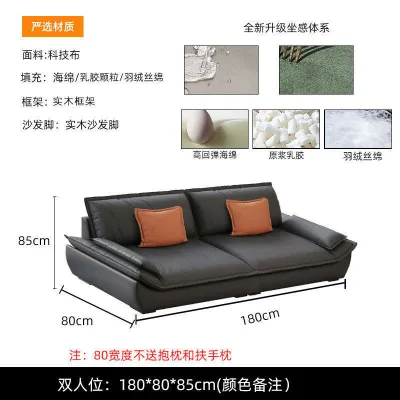
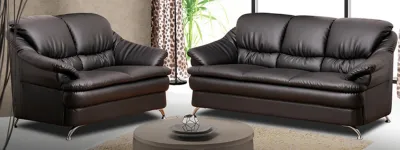
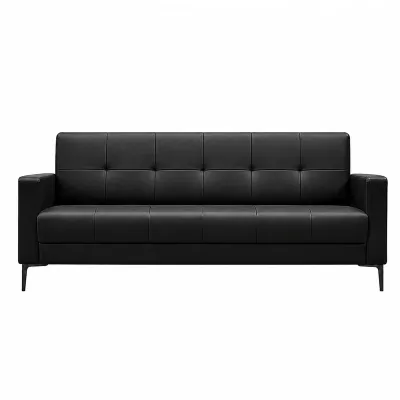
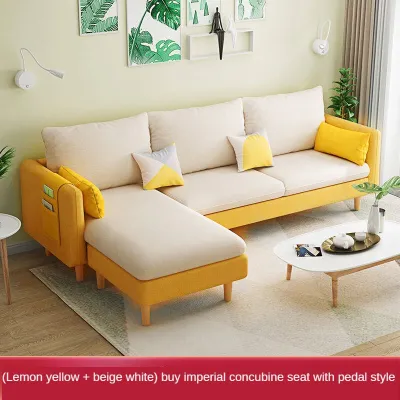
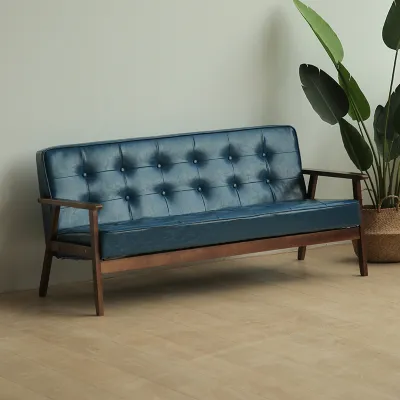
![[INNDESIGN.SG] Jefyn 3/2 Seater PU Leather Sofa (Fully Assembled and Free Delivery)](https://img.lazcdn.com/g/p/434de32acd237a22de61b3b7c0cfcaff.jpg_400x400q80.jpg_.webp)
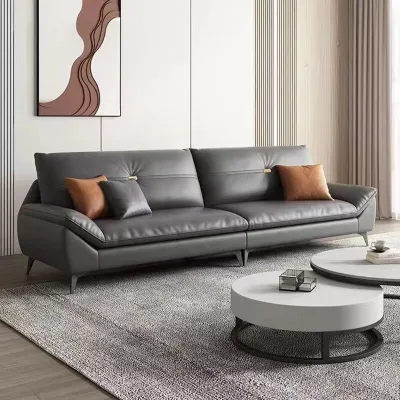
![[ SG ] ⚡ Genuine Leather Sofa Simple Small Apartment Double Three-Seater Office Cowhide Leather Sofa](https://img.lazcdn.com/g/p/49eaece88c78e2a7a0cf4b70a63b685a.jpg_400x400q80.jpg_.webp)
Prices are valid at publication and may change. Please refer to the product page for the latest price.
Seat dimensions are equally critical for maintaining proper posture and circulation. The depth and width of the sofa seat must align with your thigh length and hip width. If a seat is too deep, your knees will not bend naturally at the edge, forcing you to slouch forward and lose lumbar support. If the seat is too shallow, your thighs will lack adequate support, placing extra pressure on your lower back. Additionally, robust edge support is essential; it prevents the cushion from sloping outward when you sit near the edge, ensuring you feel secure and stable.
An ergonomic recliner must also feature integrated lumbar and neck support within its backrest and seat structure. The lumbar region of the spine has a natural inward curve that requires continuous support, whether you are sitting upright or fully reclined. High-quality brands design their backrests with built-in contours or adjustable lumbar systems that fill this gap. Similarly, the neck support should cradle the head without pushing it too far forward, allowing your neck muscles to relax completely.
Upholstery choice plays a significant role in how comfortable a sofa seat feels, especially in Singapore’s warm and humid climate. Genuine top-grain leather is highly prized for its natural breathability and ability to adapt to body temperature, making it comfortable even during warm afternoons. Synthetic leathers, while easier to clean, can trap heat and feel sticky against the skin if the room is not air-conditioned. High-performance fabrics offer an alternative, providing a soft, textured feel and excellent airflow, though they require careful maintenance to prevent staining.
Evaluating Recline Mechanisms and Ergonomic Support
The transition from an upright position to a fully reclined state should be smooth, controlled, and effortless. As the recliner moves, the relationship between the sofa seat pan and the backrest must maintain your spinal alignment. In poorly designed recliners, reclining can cause “back gap,” where the lower backrest pulls away from your spine, leaving your lumbar region completely unsupported. Premium mechanisms are engineered to slide the seat forward as the backrest tilts, keeping your body in a balanced, ergonomic posture throughout the entire range of motion.

Footrest design is another vital component of overall leg comfort. The footrest should extend to a length and angle that supports your entire leg, from the calves to the heels, without creating pressure points behind the knees. A footrest that is too short leaves your feet dangling, which can strain the lower back, while one that is too steep can restrict circulation. The transition should feel seamless, with the footrest rising smoothly to meet your legs as you lean back.
Proper weight distribution is essential for preventing fatigue during long periods of sitting. When you recline, your body weight should be distributed evenly across the backrest, seat pan, and footrest. This reduces pressure on the sit bones and transfers some of the load to the larger surface area of your back. Brands that master this balance create a weightless sensation, often referred to as zero-gravity alignment, which helps alleviate physical tension.
The choice between manual and motorized recline mechanisms also impacts your daily comfort. Motorized recliners offer the advantage of infinite micro-adjustments, allowing you to stop the recline at the exact angle that feels best for your body. This precise control ensures consistent ergonomic support for activities like reading, watching television, or napping. Manual recliners, while generally lighter and independent of power outlets, rely on body weight to operate and typically offer only a few fixed locking positions, which may not perfectly match your personal comfort sweet spot.
How to Test and Compare Brands In-Store and Online
When visiting showrooms in Singapore, physical testing is the most reliable way to evaluate a recliner’s sofa seat comfort. To get an accurate assessment, do not simply sit down for a few seconds and stand back up. Spend at least ten to fifteen minutes in each model, testing it in various positions. Shift your posture, cross your legs, and simulate how you would actually use the chair at home. This extended trial allows your muscles to settle and helps you identify any delayed pressure points or areas of discomfort that are not immediately apparent.
While in the showroom, engage with the retail staff to gather technical details that are not visible from the outside. Ask specific questions about the internal foam density, the type of suspension system used (such as sinuous springs or webbing), and the frame construction materials. A durable frame made of solid hardwood or steel is essential for maintaining the structural integrity of the seat over time. Additionally, clarify the warranty terms, paying close attention to what is covered—such as the recline mechanism, the frame, the electronics, and the upholstery.
If you are researching brands online, utilize detailed product specifications and dimension diagrams to compare models. Look for e-commerce platforms that provide precise measurements for seat height, depth, width, and overall clearance requirements. Reading verified user reviews can also offer valuable insights into how the sofa seat holds up over months or years of daily use. Look for recurring comments regarding cushion firmness, mechanism noise, or changes in supportiveness over time.
Be cautious of red flags in product descriptions that obscure critical comfort details. Vague marketing terms like “cloud-like softness” or “premium comfort foam” without any mention of foam density or structural materials often indicate lower-quality construction. Similarly, if a brand does not provide detailed dimensions or hides warranty information, it becomes difficult to verify the long-term value of the recliner. Reliable brands are transparent about their materials and measurements, allowing you to make a confident comparison.
Matching Seat Comfort Profiles to Personal Preferences
Selecting the right recliner requires matching the seat comfort profile to your specific physical preferences. Some individuals prefer a firm, highly supportive sofa seat that keeps the spine aligned and makes it easy to stand up. This profile is often ideal for those who experience lower back discomfort or require extra structural support. Others prefer a plush, enveloping seat that allows them to sink deeply into the cushions. Understanding which sensation you prefer will help you narrow down your choices to brands that specialize in that specific style of comfort.
Your physical stature and leg length should directly dictate the dimensions of the recliner you choose. Taller individuals need a deeper seat and a higher backrest to ensure their thighs are fully supported and their head rests comfortably against the neck cushion. Shorter individuals should look for a lower seat height so their feet can rest flat on the floor, which helps distribute weight evenly and prevents pressure on the back of the thighs. Many popular brands offer recliners in multiple sizes, making it easier to find a model that fits your body proportions.
Specific ergonomic needs should also guide your decision. If you have limited mobility, a power-lift recliner that gently assists you to a standing position can significantly enhance your daily comfort and independence. If you suffer from chronic joint pain, look for models that offer targeted lumbar support adjustments or specialized pressure-relief foam. Prioritizing these functional features over aesthetic trends ensures that your investment directly improves your physical well-being.
Finally, you must balance your ideal seat comfort dimensions with the physical space constraints of your home. Singapore apartments often have compact living room layouts, making it crucial to measure your space accurately before purchasing. Consider the “wall clearance” required for the recliner to fully extend without hitting the wall behind it. Additionally, verify that the recliner’s packaged dimensions can easily pass through your doorways, hallways, and lift access during delivery. Choosing a space-saving “wall-hugger” design can provide maximum comfort without overcrowding your living area.
Frequently Asked Questions (FAQ)
Does a higher price guarantee a more comfortable recliner sofa seat?
A higher price tag does not automatically guarantee that a recliner will feel more comfortable to you. Premium pricing often reflects the cost of high-grade materials like top-grain leather, advanced motorized features, solid wood frames, or brand heritage. While these factors contribute to the durability and aesthetic appeal of the chair, subjective comfort depends entirely on how the seat’s dimensions and support profile fit your unique body shape. A moderately priced recliner that matches your physical proportions can provide far better comfort than an expensive model that does not support your spine correctly.
How long should I test a recliner in a showroom before deciding?
You should spend at least ten to fifteen minutes testing a recliner in a showroom before making a decision. Sit in the chair in multiple positions, including fully upright, partially reclined, and fully reclined. To simulate real-world use, bring a book or use your phone while sitting to allow your body to relax naturally. This extended test is necessary because initial comfort can be misleading; it takes time for your muscles to settle and for potential pressure points or inadequate support areas to become noticeable.

Community discussion
Share your experience or ask a question. Comments are reviewed before publication.