
Selecting a Vitra dining chair involves navigating a rich history of design innovation, where iconic mid-century aesthetics meet modern ergonomic engineering. Because Vitra’s catalog spans diverse design eras, materials, and structural philosophies, there is no single universal chair for every home. Instead, finding the right model requires a systematic comparison of how different shell shapes, base configurations, and material finishes align with your physical comfort, household habits, and spatial constraints. By evaluating these factors methodically, you can select a seating solution that serves as both a functional daily utility and a lasting design statement.
Identifying Vitra Design Languages for Your Dining Space
Vitra’s portfolio is celebrated for its distinct design languages, each reflecting a specific era of furniture evolution. To choose a model that complements your home, it is helpful to categorize these designs into two primary aesthetic movements: organic mid-century forms and structural minimalist profiles.
Organic mid-century designs are characterized by fluid, continuous curves and expressive silhouettes. These include the iconic molded plastic shells and sculpted plywood designs that pioneered three-dimensional seat modeling. These chairs introduce soft, sculptural lines to a dining room, breaking up the rigid linear geometry of traditional rectangular dining tables. Their organic forms tend to create a welcoming, informal atmosphere, making them highly suitable for open-plan living spaces and casual dining areas.
Products mentioned in this guide
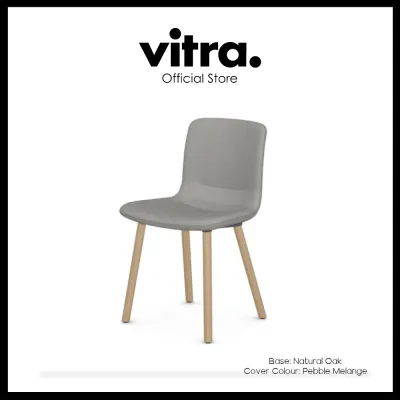
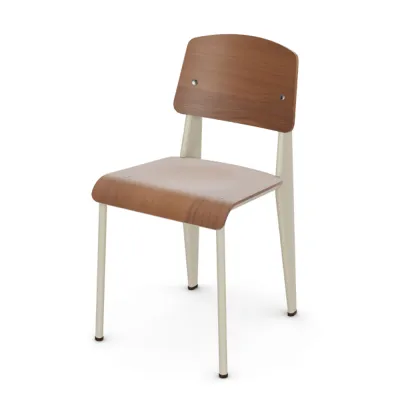
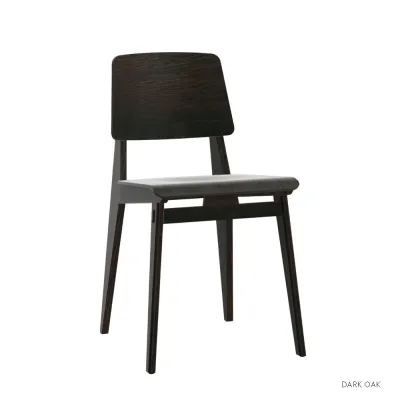
Prices are valid at publication and may change. Please refer to the product page for the latest price.
In contrast, structural minimalist designs emphasize architectural lines, geometric clarity, and a visible tension between different materials. These models often combine slender metal tubing or solid wood legs with thin, precisely engineered seat shells. The aesthetic is clean, light, and highly functional, making these chairs excellent companions for modern, industrial, or Scandinavian-inspired interiors. Because they often feature a smaller visual footprint, they allow light to pass through, preventing a compact dining area from feeling overcrowded.
When matching these design languages with your existing decor, consider the visual weight and material composition of your dining table. A heavy, solid timber table can be balanced by the light, airy frame of a structural metal chair, while a minimalist glass or concrete table pairs beautifully with the warm, organic curves of a molded plywood or plastic shell. Pay attention to the leg bases as well; matching wood tones or metal finishes between the table and chair legs helps establish a cohesive design narrative across the entire dining suite.
Evaluating Comfort and Ergonomics for Daily Use
A dining chair must do more than look appealing; it must support comfortable seating over extended periods, whether you are eating a quick breakfast or hosting a multi-course dinner party. Evaluating comfort requires looking closely at the structural flexibility of the seat shell and the specific ergonomic support it offers.

The primary distinction in seating feel lies between rigid, unyielding shells and those designed with built-in flexibility. Rigid shells, such as those crafted from molded plywood, offer firm, structured support that encourages an upright posture. On the other hand, many of Vitra’s modern synthetic shells are engineered with flexible backrests that gently yield to the user’s weight, accommodating natural shifts in posture throughout a meal. For enhanced comfort during long gatherings, upholstered variants provide a layer of cushioning that distributes body weight more evenly, reducing pressure points on the seat and back.
Beyond material flexibility, the physical dimensions of the seat play a critical role in ergonomics. Analyze the seat depth and the angle of the backrest. A deep seat with a pronounced backward tilt is ideal for relaxed, conversational dining, but may feel less supportive if you prefer to sit upright while eating. Armrests add a layer of relaxed comfort, giving users a place to rest their elbows during long conversations, but they also restrict lateral movement and require careful clearance checks.
Because comfort is highly subjective and depends on individual body proportions, testing chairs in person is highly recommended before making a significant investment. Visiting a physical showroom allows you to experience the flex of the backrest, the feel of the materials, and the overall support firsthand. If visiting a showroom is not feasible, ensure you purchase from an authorized online furniture store with a transparent, flexible return policy. Carefully review their terms regarding return shipping fees, restocking charges, and the condition in which the packaging must be kept to secure a full refund.
Matching Materials to Your Household and Maintenance Routine
The longevity of your dining chairs depends heavily on how well their materials match your household’s daily activities and maintenance habits. Vitra utilizes a wide range of high-grade materials, including molded plastics, treated hardwoods, and powder-coated or chrome-plated metals, each requiring a different level of care.
Molded plastics are highly favored for busy households due to their exceptional resistance to liquid spills and ease of cleaning. A simple wipe with a damp, soft cloth is usually sufficient to remove food residue, making them highly practical for daily use. However, plastic surfaces can still be susceptible to scratching from sharp objects like belt buckles or rivets, so checking the manufacturer’s care guidelines for scratch-prevention tips is wise. Treated woods offer natural warmth and unique grain patterns, but they require more mindful maintenance. Wood finishes must be protected from standing liquids, extreme humidity fluctuations, and harsh chemical cleaners, which can strip the protective lacquer or oil finish.
Metal frames, whether finished in sleek chrome or durable powder coating, provide excellent structural stability. Powder-coated finishes are generally highly resistant to chipping and scratching, while chrome finishes offer a brilliant shine but may require regular polishing to remove fingerprints and prevent tarnishing in humid environments. When reviewing product specifications, always check the manufacturer’s care labels for specific instructions regarding UV resistance—especially if your dining area receives direct sunlight—as prolonged exposure can fade certain plastics and dry out wood finishes.
Establishing a realistic maintenance routine is key to preserving the appearance of your chairs. For high-traffic dining areas, prioritize materials that can be cleaned with mild, non-abrasive detergents. Avoid using scouring pads or solvent-based cleaners, which can permanently dull plastic shells or degrade wood sealants. Regularly check and tighten any connecting hardware, such as the screws securing the seat shell to the base, to ensure the structural integrity and stability of the chair remain intact over years of use.
Checking Dimensions, Clearance, and Table Pairing
One of the most common pitfalls when purchasing premium dining chairs is failing to verify how their physical dimensions pair with your existing dining table and the surrounding room layout. Precise measurements are essential to ensure a comfortable seating posture and smooth traffic flow.
Begin by measuring the exact height of your dining table, taking note of any under-table support beams or aprons that might reduce vertical clearance. The standard vertical clearance between the top of the chair seat and the underside of the table top should ideally fall between 25 to 30 centimeters. This range provides ample legroom for most adults while maintaining an ergonomic height for dining. If you are considering chairs with armrests, measure the height of the armrests from the floor to ensure they can slide completely underneath the table when the chairs are not in use, saving valuable floor space.
Next, evaluate the chair’s footprint and the overall layout of your dining room. Compare the width of the chair against the distance between the dining table legs to determine how many chairs can comfortably fit along each side without crowding. Allow at least 10 to 15 centimeters of space between each chair to prevent guests from bumping elbows. Additionally, ensure there is a walkway clearance of at least 75 to 90 centimeters behind the chairs when they are occupied, allowing people to pass by comfortably without forcing diners to adjust their seats.
Finally, do not overlook the logistics of delivery and installation, particularly if you live in an apartment or a multi-story home. Measure the width and height of all entryways, hallways, and elevator doors through which the delivery boxes must pass. Many Vitra chairs are delivered fully assembled in large, protective cartons, making it crucial to verify that these packages can navigate tight corners and lift cabins safely. Checking these dimensions beforehand prevents delivery delays and ensures a seamless installation process.
Decision Framework: Which Vitra Profile Fits Your Needs?
To finalize your selection, it is helpful to apply a structured decision framework that balances your aesthetic preferences, comfort requirements, and spatial limitations. By identifying your primary household priorities, you can narrow down the options to the profile that best fits your lifestyle.
If your household prioritizes effortless maintenance, rapid cleanup, and a classic mid-century aesthetic, molded shell designs are often the most practical choice. Their seamless, non-porous surfaces are highly resilient against spills, making them excellent for active dining spaces. The wide array of base options—ranging from warm wooden legs to architectural wire towers—allows you to tailor the visual weight of the chair to match your dining room’s scale.
If your lifestyle centers around long, leisurely dinner parties, working from the dining table, or if you require enhanced lumbar support, look toward flexible synthetic shells or fully upholstered options. The subtle give of an engineered backrest or the cushioning of high-quality upholstery significantly extends comfortable sitting times. However, keep in mind that upholstered fabrics require a more cautious approach to spills and may demand specialized fabric cleaners to maintain their pristine appearance.
It is important to recognize that neither profile may be suitable if your current dining table features non-standard dimensions or if your dining room has highly restricted walkway clearances. In such cases, forcing a fixed-dimension chair into an incompatible space will compromise both comfort and room functionality. Always prioritize physical clearance and ergonomic compatibility over aesthetic appeal alone.
When you are ready to make a purchase online, always verify that you are buying from an authorized dealer to ensure product authenticity and access to official manufacturer warranties. Take the time to compare current S$ pricing across authorized platforms, and carefully review the warranty terms, which often cover structural defects over a multi-year period. Confirming these details before checkout protects your investment and guarantees a genuine design piece that will stand the test of time.
Frequently Asked Questions (FAQ)
Are Vitra dining chairs suitable for households with young children?
Yes, many Vitra dining chairs are highly suitable for families with young children, provided you select the appropriate materials and configurations. Molded plastic shells are particularly family-friendly because they are non-porous, highly resistant to liquid spills, and can be easily wiped clean with a damp cloth. When choosing a base, prioritize highly stable configurations, such as four-legged wooden or metal bases, which offer a low center of gravity and minimize tip-over risks compared to delicate wire frames. Always check the manufacturer’s specifications for weight limits and stability ratings to ensure the model meets your family’s safety needs.
How can I verify the authenticity of a Vitra chair when shopping online?
Verifying authenticity is crucial when purchasing premium furniture online to avoid counterfeit products. Genuine Vitra chairs are accompanied by an official certificate of authenticity, which includes a unique serial number and details about the design’s history. Additionally, look for physical manufacturing marks on the underside of the seat shell or frame, such as embossed logos, production dates, or official labels. The most reliable way to guarantee authenticity is to purchase exclusively from authorized Vitra dealers or directly from their official online store, ensuring you receive a genuine product backed by the manufacturer’s warranty.

Community discussion
Share your experience or ask a question. Comments are reviewed before publication.