
Finding the ideal office mesh chair for a home office in Singapore requires balancing personal comfort, space constraints, and budget. In Singapore’s warm and humid climate, mesh chairs are highly favored over leather or heavy fabric alternatives due to their superior ventilation. However, the market is saturated with options ranging from entry-level models on online marketplaces to high-end ergonomic chairs from global design houses.
Selecting the right chair is not merely about finding the most popular brand, but rather about matching the chair’s specifications to your daily usage patterns and physical proportions. By understanding the structural differences, adjustability mechanisms, and long-term durability indicators across various price points, you can identify a model that supports your posture and fits seamlessly into your home workspace.
Identifying the Right Office Mesh Chair Brand Tier
To simplify your search, it is helpful to categorize the available office mesh chair brands into three distinct tiers: premium ergonomic, mid-range commercial, and budget e-commerce. Each tier targets different user needs, usage frequencies, and budget considerations, allowing you to quickly narrow down your options based on your primary requirements.
Products mentioned in this guide
![[SG Ready Stock]Ergonomic Office Chair Computer Desk Chairs Mesh Home Office Desk Chairs with Lumbar Support](https://img.lazcdn.com/g/p/585691bae859ee8d697593367d59d085.jpg_400x400q80.jpg_.webp)
![[Ready Stock]Ergonomic Office Chair Computer Desk Chairs Mesh Home Office Desk Chairs with Lumbar Support](https://img.lazcdn.com/g/p/efb42fdbb672674d0c9c40aabc2542ae.jpg_400x400q80.jpg_.webp)
![[✅SG Ready Stock] Ergonomic Office Chair Mesh Gaming Chair with Adjustable Backrest Armrest Home Desk Chair 办公椅](https://img.lazcdn.com/g/p/944b7a3f936041f6f7f3c91bf3573b9f.jpg_400x400q80.jpg_.webp)
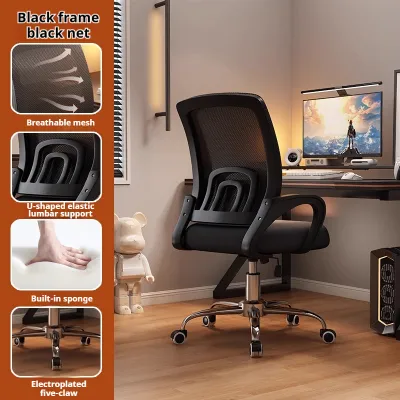
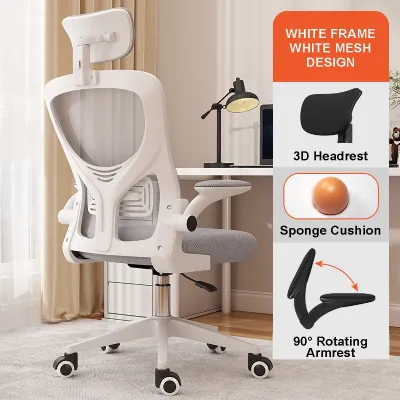
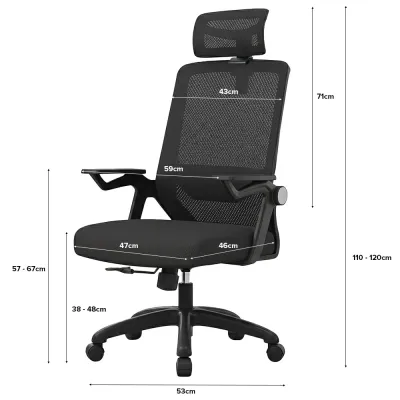
Prices are valid at publication and may change. Please refer to the product page for the latest price.
Premium ergonomic brands sit at the top of the market, focusing on advanced engineering, proprietary materials, and extensive research into human posture. These brands typically offer highly sophisticated tilt mechanisms that mimic the body’s natural pivot points, along with comprehensive warranties that often span up to ten or twelve years. The mesh used in these chairs is engineered to distribute weight evenly without stretching out over time, making them a long-term investment for those who spend long hours at their desks.
Mid-range commercial brands offer a balanced middle ground, providing reliable ergonomic support and robust build quality suitable for daily professional use. These brands often supply corporate offices as well as home users, meaning their products are built to withstand consistent daily wear. While they may lack some of the highly specialized, micro-adjustable features of premium models, they generally include essential adjustments like seat depth, lumbar support, and multi-directional armrests, backed by solid multi-year warranties.
Budget e-commerce brands, frequently found on popular online marketplaces, cater to users seeking basic functionality at an accessible price point. These chairs often feature standard mesh backs paired with foam seat cushions and offer limited adjustability, such as basic height adjustments and simple tilt locks. While they are highly economical and suitable for occasional use or secondary workspaces, they typically come with shorter warranties and may require more frequent replacement due to lighter-weight construction materials.
Comparing Comfort and Ergonomic Adjustability Across Tiers
The core value of any ergonomic office chair lies in its ability to adapt to your unique body shape and sitting posture. As you move up the brand tiers, the level of customization and the sophistication of the adjustment mechanisms increase significantly, directly impacting your comfort during extended working hours.

One of the most critical design choices you will encounter is the choice between a full-mesh chair and a hybrid model featuring a mesh backrest and a foam seat cushion. Full-mesh chairs offer unparalleled breathability, which is highly advantageous in Singapore’s tropical climate, but they require high-tension mesh and a carefully contoured frame to prevent the thighs from pressing against hard plastic edges. Hybrid models, on the other hand, provide a softer, more traditional seating surface that some users find more forgiving over long periods, though they retain more heat than full-mesh alternatives.
Adjustability ranges for key components like lumbar support, seat depth, and armrests vary widely across different brand tiers. Premium chairs often feature dynamic lumbar support systems that automatically adjust to your movements, or manual controls that let you fine-tune both the height and depth of the support. Mid-range models typically offer height-adjustable lumbar pads, while budget options may only provide a fixed plastic support band.
Armrest adjustability is another area where tiers diverge. Budget chairs often feature fixed or 1D (height-only) armrests, which can limit your ability to align your elbows properly with your desk. Mid-range and premium brands offer 3D or 4D armrests that adjust for height, depth, angle, and width, allowing you to support your forearms comfortably whether you are typing, reading, or reclining.
When comparing brands, it is essential to look past marketing terms and verify the actual dimensions and adjustment ranges on the product specification sheets. Key metrics to check include the seat height range (to ensure your feet can rest flat on the floor), the seat depth adjustment range (to maintain proper clearance behind your knees), and the armrest height range relative to your desk surface.
Assessing Build Quality and Durability Specifications
A high-quality mesh chair should be viewed as a long-term investment in your physical well-being, making build quality and material durability crucial factors in your decision. Examining the structural components and manufacturing standards of different brands will give you a clear indication of how well a chair will perform over years of daily use.
The material composition of the chair’s frame and base is a primary indicator of its structural integrity. Premium and high-end mid-range chairs frequently utilize heavy-duty aluminum alloys or reinforced fiberglass-filled nylon for their bases and backrest frames, providing excellent stability and resistance to flexing. In contrast, budget models often rely on standard molded plastics or lighter-weight nylon bases, which may exhibit more flex under load and have a shorter operational lifespan.
The quality of the mesh itself is paramount to preventing the common issue of sagging over time. High-quality mesh is typically woven with elastomeric fibers that retain their elasticity and shape even after years of continuous tension. When evaluating a chair, check the density and weave pattern of the mesh; premium brands often use zoned weaving, where different areas of the backrest and seat have varying levels of tension to provide targeted support. Lower-grade polyester mesh, common in budget models, tends to stretch out more quickly, leading to a loss of ergonomic support.
To verify the structural durability of a chair, look for industry certifications and warranty terms rather than relying solely on brand claims. Certifications such as BIFMA (Business and Institutional Furniture Manufacturers Association) indicate that the chair has undergone rigorous testing for safety, durability, and structural adequacy. Additionally, pay close attention to the class of the gas lift cylinder; a Class 4 cylinder is generally preferred for home office chairs as it offers higher weight capacities and smoother height adjustments compared to lower-class cylinders.
Warranty terms are often the most reliable indicator of a manufacturer’s confidence in their product. Premium brands frequently offer warranties covering both structural components and mesh wear for up to a decade or more, while budget brands may only offer a one-year warranty that excludes wear-and-tear items like the mesh and seat foam.
Evaluating Price Tiers and Value for Home Office Use
Understanding the financial commitment required for each brand tier helps you align your budget with your actual usage requirements. In Singapore, the price of office mesh chairs can vary from under S$100 to well over S$1,500, making it essential to evaluate where your money is best spent.
Budget-tier mesh chairs typically range from S$80 to S$250. These models are highly accessible and serve well for students or professionals who only use their home office occasionally. However, if you anticipate sitting in the chair for more than four hours a day, the limited adjustability and faster wear of materials in this tier may lead to discomfort or the need for a replacement within a year or two, diminishing the initial cost savings.
The mid-range tier, spanning from S$300 to S$800, represents the sweet spot for many work-from-home professionals. In this bracket, you can expect robust build quality, certified gas lifts, and a respectable range of ergonomic adjustments. These chairs are designed for daily, full-time use and often come with warranties ranging from three to five years, offering a strong balance of performance and long-term value.
Premium-tier chairs, priced from S$900 to S$2,000 and beyond, are engineered for maximum ergonomic customization and longevity. While the upfront cost is substantial, the cost-per-year of ownership can be surprisingly low when backed by a ten-to-twelve-year warranty. Investing in this tier yields tangible benefits if you work long hours, have pre-existing back or neck issues, or require highly precise adjustments to achieve a comfortable sitting posture.
When budgeting for your purchase, be sure to account for potential hidden costs that may not be included in the base price. Some brands charge extra for delivery, professional on-site assembly, or specific add-ons like headrests and lumbar cushions. Additionally, consider the ease of sourcing replacement parts, such as casters or armrest pads, as some proprietary designs can be expensive or difficult to replace outside of the warranty period.
Decision Framework: Which Mesh Chair Tier Fits Your Needs?
To finalize your choice, you should evaluate your daily work habits, physical requirements, and home environment against a structured decision framework. This ensures that you select a chair tier that matches your lifestyle without overspending on unnecessary features or underspending on critical support.
You should prioritize premium ergonomic brands if you work from home full-time (eight or more hours daily), require highly precise, multi-axis adjustments to manage physical discomfort, and view the purchase as a ten-year investment. These chairs are ideal for users who need a highly responsive seating surface that adapts to frequent posture changes throughout the day.
A mid-range brand is the most suitable choice if you need a reliable, durable chair for daily professional use but have a moderate budget. This tier is perfect for those who want standard ergonomic adjustments—such as seat slide, lumbar height, and adjustable armrests—without the premium price tag associated with advanced proprietary mechanisms.
Budget brands are best reserved for occasional use, such as weekend admin work or short study sessions, or when you are working within strict space and cost constraints. If you choose a budget model, look for options with a hybrid foam seat to ensure adequate cushioning, as low-cost full-mesh seats can sometimes feel overly firm or restrictive.
Before making any purchase, always verify your specific physical constraints and home office layout. Measure your desk height and the clearance between your desk drawers to ensure the chair’s armrests can slide underneath when not in use, which is particularly important in compact Singapore apartments. Additionally, check the chair’s maximum weight capacity and recommended height range to ensure it can safely and comfortably accommodate your body frame.
Frequently Asked Questions (FAQ)
Is a full-mesh seat pan comfortable for long working hours?
A full-mesh seat pan offers exceptional airflow, making it highly comfortable in warm environments, but its comfort over long hours depends heavily on the quality of the mesh and the design of the frame. High-quality elastomeric mesh distributes body weight evenly and reduces pressure points, whereas lower-grade mesh can sag, causing your thighs to press against the hard plastic front edge of the seat frame. If you prefer a softer, more traditional feel or tend to sit with your legs crossed, a hybrid chair with a contoured foam seat cushion and a mesh backrest may provide a more comfortable and forgiving experience.
How do I safely clean and maintain a mesh office chair?
To maintain the integrity and appearance of your mesh chair, start with regular dry maintenance by vacuuming the mesh surfaces with a soft brush attachment to remove dust, lint, and skin flakes that accumulate in the weave. For minor spills or spot cleaning, always check the manufacturer’s care label first to identify approved cleaning agents. Generally, you can use a damp microfiber cloth with a mild, diluted dish soap to gently blot the affected area, avoiding harsh chemical solvents or vigorous scrubbing that could fray or weaken the synthetic fibers. Allow the mesh to air dry completely in a well-ventilated indoor space away from direct sunlight before using the chair again.

Community discussion
Share your experience or ask a question. Comments are reviewed before publication.