
Finding the right massage chair in Singapore for targeted back relief is not about choosing the most heavily advertised brand. Instead, the quality of a back massage depends on how well the chair’s internal mechanical specifications align with your unique spinal anatomy. Because individual body shapes, height profiles, and tension points vary, a chair that provides deep, therapeutic relief for one person might feel uncomfortable or ineffective for another. To make an informed investment, you must look past marketing buzzwords and evaluate the core engineering of the roller mechanisms, track designs, and customization settings.
No single brand universally guarantees the best back massage experience. The effectiveness of any massage chair relies on matching its specific mechanical capabilities to your physical frame and comfort preferences. By understanding the technical specifications of these chairs, you can objectively compare different models across showrooms and select a system that provides precise, safe, and effective relief for your back.
Core Specifications That Determine Back Massage Quality
To evaluate back massage quality, you must first understand the roller mechanism, which serves as the core engine of the chair. Roller mechanisms are generally classified as 2D, 3D, or 4D, with each level offering a different degree of physical movement. A 2D mechanism moves on two axes: up and down the back, and left to right. While reliable for general surface relaxation, 2D rollers cannot adjust their depth, meaning they apply the same level of pressure regardless of your spinal curves.
Products mentioned in this guide
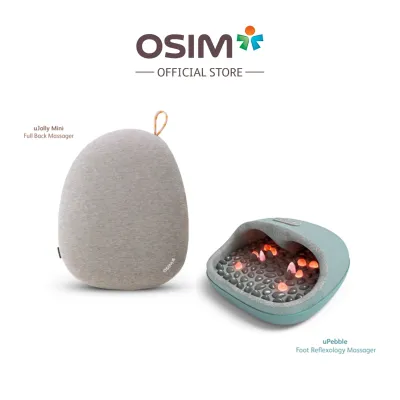
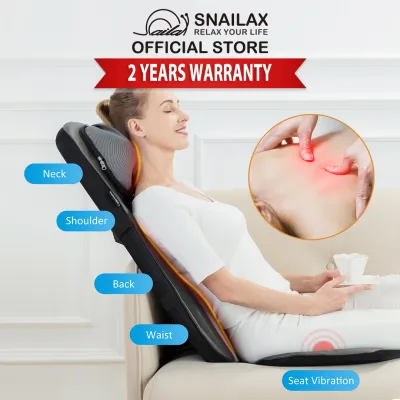
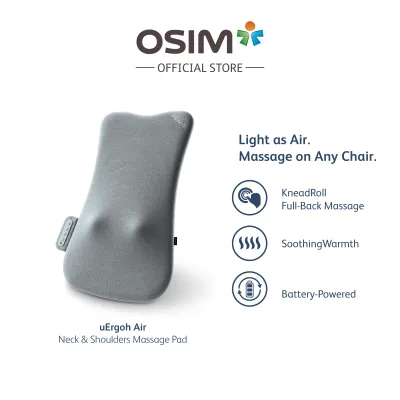
![[SG Seller] Electric Neck Shoulder Back Massager Pillow – Deep Tissue Kneading Heat Therapy Pain Relief Ready Stock](https://img.lazcdn.com/g/ff/kf/Sad3b870dab464f398212a687130ff7e8C.jpg_400x400q80.jpg_.webp)
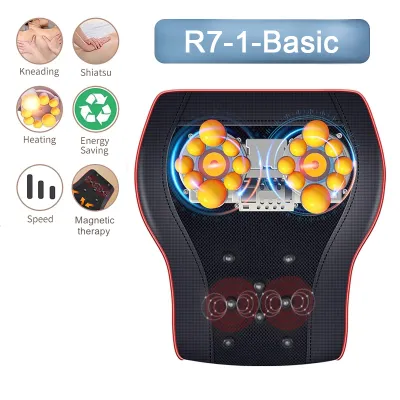
![Neck & Lumbar Massage Pillow USB Heating Cervical Support – Hot Compress Pain Relief [Singapore Seller]](https://img.lazcdn.com/g/p/8977cfc803ea9424aaa0d4dec7ca06f0.jpg_400x400q80.jpg_.webp)
Prices are valid at publication and may change. Please refer to the product page for the latest price.
3D roller mechanisms introduce depth adjustment by moving forward and backward along the Z-axis. This allows the massage heads to protrude into the muscle tissue, mimicking the deep-tissue pressure of a manual massage. This depth control is essential for targeting stubborn knots in the upper shoulders and the deep curve of the lower lumbar region, where standard rollers often fail to make adequate contact.
4D roller mechanisms build upon 3D technology by introducing dynamic speed variations. Rather than moving at a constant rate, 4D rollers accelerate and decelerate during specific strokes to simulate the natural rhythm of human hands. This variation in speed and depth helps prevent muscle acclimation, ensuring that the back muscles remain responsive to the massage throughout the session.
Alongside the roller mechanism, the track design dictates how far and how accurately the rollers travel along your body. The track is the physical steel guide rail inside the backrest. The shape and length of this track determine which parts of your back receive treatment and how well the rollers follow the natural alignment of your spine.
Reading Spec Sheets for Back-Focused Relief
When comparing massage chairs at local retailers, the product manual and technical specification sheet are your most reliable tools. Look closely at the stroke length, which indicates the total vertical distance the rollers can travel. A longer stroke length is crucial for taller users to ensure the rollers can reach the upper neck and the lowest lumbar vertebrae without running out of track.

Width adjustment is another critical specification to verify in the product manual. High-quality chairs allow you to manually adjust the distance between the rollers. This ensures that the massage heads do not press directly onto the spinal bones, which can cause bruising, but instead target the muscle groups running parallel to the spine.
Examine the program menu in the specifications to check for dedicated back programs rather than generic full-body cycles. A dedicated lumbar or shoulder program indicates that the chair’s software is programmed to pause, knead, and hold pressure on specific zones, rather than simply running a continuous loop from head to toe.
Finally, check the physical limits of the chair, including the maximum weight capacity and recommended height range. If a user exceeds these limits, the motor may struggle, causing jerky roller movements, or the rollers may fail to align with the body’s natural curves. Additionally, consider the physical dimensions of the chair in relation to your home’s doorway and lift access, as many premium models are bulky and require specific clearance widths for delivery.
Mechanism and Track Designs for Spinal Alignment
Understanding how tracks and mechanisms interact is key to achieving proper spinal alignment during a massage. An S-track design is highly effective for individuals who suffer from localized mid-to-low back tension. Because it mimics the spine’s natural curvature, it maintains consistent pressure against the lower back, ensuring the rollers do not lose contact as they transition from the thoracic to the lumbar region.
In contrast, an SL-track is ideal for those whose back pain is linked to tight glutes or hamstring pull. By extending the massage path past the lower back, the SL-track helps relieve tension in the pelvic region, which often contributes to lower back strain. However, because the track is longer, some models may have slightly less pronounced lumbar protrusion compared to dedicated S-track models, a trade-off that must be evaluated based on your primary pain points.
Adjustable roller width is a non-negotiable feature for households with multiple users. A wider frame requires a wider roller setting to target the outer back muscles, while a petite frame needs a narrower setting to prevent the rollers from hitting the shoulder blades.
Many modern chairs also feature integrated lumbar heating. It is important to understand that heating elements are designed to complement, not replace, mechanical roller depth. Mild heat increases local blood circulation and relaxes stiff muscle fibers, making the tissue more receptive to the deep kneading of the rollers. When reviewing specifications, verify whether the heating can be controlled independently of the massage programs, allowing you to customize your comfort level.
Showroom Testing Checklist for Back Comfort
Before committing to a purchase, visiting a showroom in Singapore is essential to test how the mechanical specifications translate to real-world comfort. Begin your test by focusing on roller pressure and depth. Pay close attention to how the rollers feel on your lower back and upper shoulders; if you experience sharp, painful pinching or if the rollers feel like they are skipping over your muscles, the mechanism may be too aggressive or poorly calibrated for your frame.
Next, test the chair in its fully reclined position, particularly in “zero-gravity” or flat modes. While reclined, feel for any physical gaps between the backrest and your spine. A high-quality chair should maintain continuous, firm contact with your lower back; if your lower back feels suspended or unsupported, the track design is not matching your spinal curve.
Listen carefully to the chair during operation. A smooth, high-quality mechanism should operate with a low, consistent hum. Excessive squeaking, grinding noises, or jerky transitions during a dedicated back cycle indicate mechanical friction or lower-quality internal components, which can lead to premature wear and tear.
Lastly, assess the ease of entry and exit, and check the stability of the chair when it is fully reclined. Ensure the frame does not wobble or tip when you shift your weight, and verify that the materials feel robust and well-constructed at the joints.
Matching Chair Profiles to Your Specific Back Needs
To simplify your decision, you can categorize your needs into specific profiles. If you require deep tissue manipulation, suffer from chronic full-spine stiffness, and want a comprehensive massage that covers everything from your neck to your thighs, prioritize a chair equipped with an SL-track and adjustable 3D or 4D rollers. This combination allows you to customize the depth of the massage to break up deep muscle knots while ensuring full-body coverage.
If your primary concern is mild lower back tension, stiffness from prolonged sitting, or general relaxation, an S-track chair with focused lumbar heating and adjustable roller widths may be the more suitable and cost-effective choice. This setup focuses the mechanical energy precisely where you need it most without the added complexity of an extended track.
Regardless of the brand or model you prefer, safety must come first. If you have any pre-existing spinal conditions, such as herniated discs, sciatica, osteoporosis, or spinal implants, always consult a qualified healthcare professional before using a massage chair. A doctor can provide specific guidelines on what types of mechanical pressure are safe for your back.
Frequently Asked Questions (FAQ)
Can a massage chair worsen existing back pain?
Yes, a massage chair can aggravate back pain if used incorrectly or if you have an underlying medical condition. Excessive roller pressure, incorrect alignment with your spine, or using the chair during an acute injury phase can strain muscles and worsen inflammation. It is crucial to consult a doctor if you experience severe, sharp, or chronic back pain before using mechanical massage equipment.
How long should a back massage session last?
Most manufacturers recommend limiting a single massage session to 15 to 30 minutes. Prolonged exposure to mechanical rollers can cause muscle fatigue, bruising, or localized soreness. When using a new chair, it is best to start with shorter, low-intensity sessions of 10 to 15 minutes to allow your back muscles to gradually adapt to the roller mechanisms.

Community discussion
Share your experience or ask a question. Comments are reviewed before publication.