
For many homeowners looking to buy a new living room table, coffee table brands in Singapore present an overwhelming array of choices. The coffee table is often the visual anchor of the living space, serving as a functional surface for drinks, books, and decor, while also defining the room’s design aesthetic. Navigating the local market requires balancing aesthetic preferences with practical considerations like material durability, spatial constraints, and budget limits.
To make an informed investment, buyers must look beyond marketing claims and understand how different brand categories operate. Whether you are furnishing a compact build-to-order (BTO) flat or a spacious landed home, evaluating coffee tables based on structural integrity, material treatments, and realistic pricing structures ensures that your chosen piece remains beautiful and functional for years to come.
Categorizing Coffee Table Brands in the Singapore Market
Understanding the landscape of furniture brands in Singapore helps set realistic expectations regarding product lifespan, customization options, and customer service. The market is broadly divided into three segments, each catering to different priorities, budgets, and shopping preferences.
Products mentioned in this guide
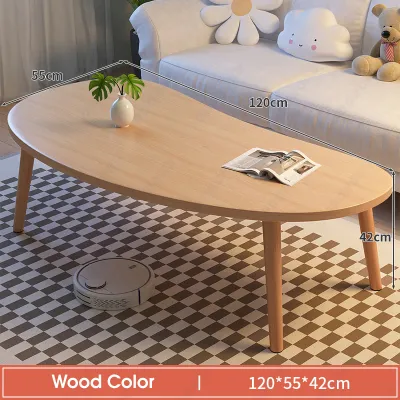
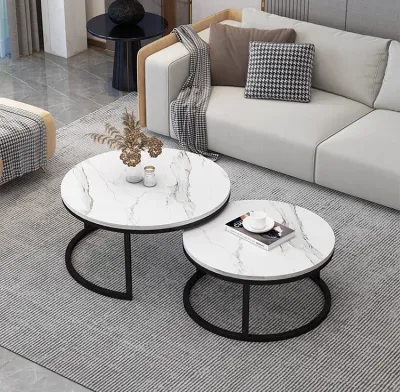
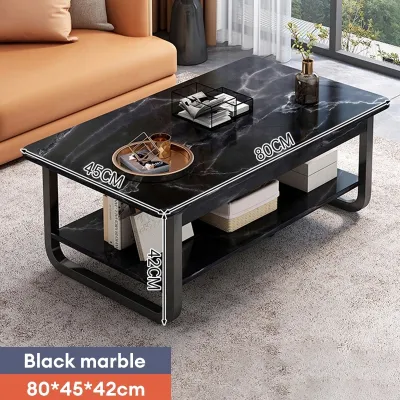
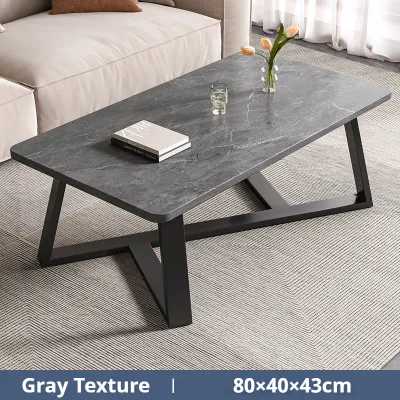
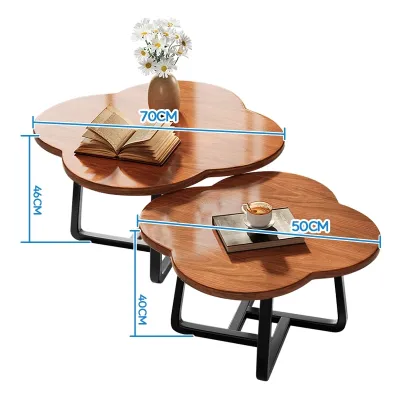
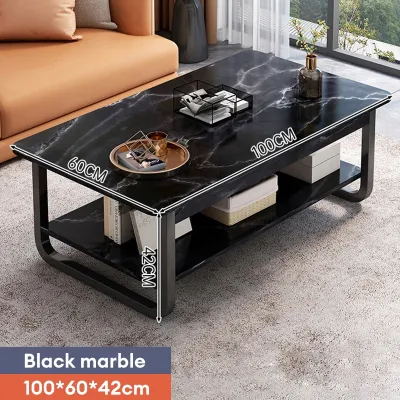
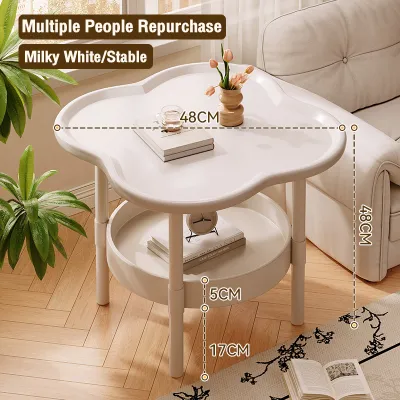
Prices are valid at publication and may change. Please refer to the product page for the latest price.
Mass-market online retailers and ecommerce platforms dominate the budget-friendly segment. These brands focus on high-volume sales, rapid delivery, and trend-driven designs that mimic high-end aesthetics at a fraction of the cost. While they offer unmatched convenience and affordability, these products often require self-assembly and typically utilize lighter, engineered materials that may have a shorter operational lifespan.
Established local furniture showrooms represent the mid-to-high segment of the market. These retailers operate physical spaces across Singapore, allowing customers to touch, feel, and test the furniture before purchasing. Showrooms offer curated collections, professional delivery and assembly services, and dedicated local customer support, making them a reliable choice for buyers who prioritize tactile verification and hassle-free installation.
Premium or bespoke design houses cater to homeowners seeking exclusive, high-end, or highly customized pieces. These brands often collaborate with international designers or source rare, premium materials such as solid teak, natural marble, or specialized metals. They offer bespoke services, allowing you to customize dimensions, finishes, and configurations to fit your exact spatial requirements and design vision.
How to Evaluate Build Quality and Material Durability
When comparing coffee tables across different brand tiers, relying solely on material names can be misleading. A material’s label does not automatically guarantee its performance; instead, buyers must inspect the specific construction methods, finishes, and care requirements of each piece.

Begin by checking the material composition labels carefully. Solid wood offers exceptional longevity and can be refinished if scratched, but it is susceptible to expanding and contracting in Singapore’s humid climate if not properly kiln-dried. Engineered woods, such as medium-density fibreboard (MDF) or particleboard, are highly stable and cost-effective, but they have lower weight-bearing capacities and can swell permanently if moisture penetrates the protective outer veneer or laminate layer.
Inspect the joint construction to assess the table’s structural integrity. High-quality wooden tables utilize traditional joinery techniques, such as mortise-and-tenon or dovetail joints, which distribute weight evenly and resist loosening over time. In contrast, lower-end flat-pack furniture often relies on basic metal cam-locks, dowels, or wood screws, which can loosen with regular use and may compromise the table’s stability if the piece is moved frequently.
Pay close attention to how the legs are attached to the tabletop. Metal-to-metal connections, where bolts screw into threaded metal inserts embedded in the underside of the table, are far more durable than wood screws driven directly into engineered wood. Direct wood screws can easily strip the surrounding material if the table is dragged across the floor or subjected to heavy loads, leading to permanent wobbling.
Surface treatments are critical for determining how well a coffee table will withstand daily wear and tear. For natural stone tops like marble or travertine, verify if the surface has been treated with a penetrating sealer to prevent staining from acidic liquids or dark beverages. If you prefer a low-maintenance option, look for sintered stone or tempered glass, both of which offer excellent resistance to scratches, heat, and moisture without requiring specialized sealing routines.
For wooden surfaces, inquire about the protective coating used by the manufacturer. A polyurethane or hardwax oil finish provides a robust barrier against water rings and minor scratches, whereas untreated or poorly sealed wood will require immediate coasters and prompt cleanup of spills to prevent permanent water damage.
Navigating Design Styles and Spatial Compatibility
A coffee table must not only match your design aesthetic but also fit comfortably within the physical dimensions of your living room. In Singapore, where residential layouts often feature compact living areas, spatial planning is just as important as visual appeal.
Before purchasing, measure the available floor space to ensure adequate clearance for walkways. To maintain comfortable movement around the seating area, leave a clearance of 45 to 60 centimeters between the coffee table and the edge of the sofa, as well as any facing furniture or television consoles. This ensures that family members can walk through the space easily without bumping into corners.
The height of the coffee table should align harmoniously with your sofa’s seat height. Ideally, the tabletop should sit at the same height as the sofa cushions, or up to 5 centimeters lower. A table that is significantly taller or shorter than the seating surface creates an awkward physical reach and disrupts the visual flow of the room.
The shape of the coffee table also plays a vital role in traffic flow and safety. Round and oval tables are excellent choices for tight spaces or homes with narrow walkways because they lack sharp corners, making navigation safer and smoother. Rectangular and square tables offer more surface area and align well with long L-shaped or modular sofas, but they require wider clearance paths to avoid accidental bumps.
Consider the visual weight and leg structure of the table in relation to your room’s size. For smaller HDB flats or condominium units, coffee tables with slender metal legs, open wireframes, or glass tops help maintain an airy, spacious feel by allowing light to pass through. Solid block tables, drum designs, or pieces with heavy pedestal bases have high visual weight, making them better suited for larger, open-concept living areas where they can serve as a grounding focal point.
Finally, ensure the brand’s design signature complements your existing furniture. A mid-century modern aesthetic pairs well with tapered wooden legs and organic, rounded shapes, while a minimalist or industrial theme is enhanced by clean geometric lines, matte black metal frames, or concrete-look finishes.
Understanding Price Tiers and Hidden Costs
Budgeting for a coffee table involves looking beyond the initial retail price tag. Understanding the general price brackets associated with different materials and factoring in additional service fees will help you calculate the true cost of ownership.
Base prices vary significantly depending on the primary materials used in construction:
- Entry-level tables, typically constructed from engineered wood, laminate, or basic metal frames, generally range from S$50 to S$150.
- Mid-tier options, featuring solid wood veneers, tempered glass, sturdy metal frames, or basic solid wood construction, usually range from S$150 to S$600.
- High-end and designer pieces, crafted from premium solid hardwoods, natural marble, sintered stone, or custom metalwork, typically start at S$600 and can exceed S$1,500.
Be sure to factor in delivery and assembly fees, which are rarely included in the base price of budget-friendly online furniture. Some brands charge flat delivery rates ranging from S$30 to S$80, while others offer free delivery only above a specific spending threshold. Additionally, check if there are surcharges for walk-up deliveries if your building lacks lift access, or if you reside in specific zones in Singapore that require toll payments or special entry permits.
Review the warranty coverage provided by the brand before finalizing your purchase. Mass-market online retailers may offer very short warranty periods, sometimes limited to just 1 to 6 months, and may require you to handle return shipping logistics yourself. Established showrooms typically offer 1 to 5 years of warranty coverage for structural defects, though these warranties almost always exclude cosmetic wear and tear, accidental damage, or issues arising from improper maintenance.
Additionally, consider the long-term cost of maintenance products. Natural wood tables may require periodic applications of specialized oils or waxes to prevent drying and cracking, while natural stone tops may need resealing every few years. Factor these minor ongoing costs and the time required for maintenance into your overall decision.
Decision Framework: Choosing the Right Brand Profile for Your Home
To choose the right coffee table brand for your home, align your purchasing decision with your lifestyle priorities, spatial constraints, and long-term expectations.
Opt for mass-market online brands if your primary goals are budget flexibility, trend-driven designs, and rapid delivery. This path is highly suitable for rental properties, temporary living arrangements, or homeowners who enjoy updating their interior decor frequently and do not mind performing self-assembly.
Select established local showrooms if you value tactile verification, reliable professional assembly, and robust after-sales support. This option is ideal for families who want to test a table’s stability, weight, and edge safety in person, ensuring the piece can withstand daily household activity.
Choose premium or bespoke design brands if you require exact custom dimensions to fit a unique floor plan, desire rare or highly durable materials, or want a unique statement piece that serves as a long-term investment.
Before making any final purchase, perform two essential checks. First, verify that the delivery path—including lift door clearance, lift cabin depth, stairwells, and apartment entryways—can accommodate the finished dimensions of the table. Second, assess whether the chosen material is compatible with your home’s environment; for example, ensure that natural, unsealed materials are kept away from direct sunlight and high-humidity areas to prevent premature degradation.
Frequently Asked Questions (FAQ)
How much should I expect to spend on a durable coffee table in Singapore?
For a durable coffee table that can withstand daily use for several years, expect to spend between S$300 and S$800. While entry-level options under S$150 are widely available, they often utilize lower-density engineered woods that are susceptible to moisture damage and joint loosening. Investing in mid-tier solid wood, high-quality veneers, or sintered stone ensures better material density, superior joint construction, and more resilient surface treatments.
Do online furniture brands offer reliable warranties compared to physical showrooms?
Warranty reliability varies significantly between online-only platforms and physical showrooms. Showrooms generally offer more straightforward warranty claims, as you can resolve issues directly with local customer service representatives and benefit from established local repair or replacement logistics. Online-only brands often have stricter claim processes, requiring detailed photographic or video evidence of defects, and their warranties may only cover major structural failures while excluding minor alignment issues or surface imperfections. Always read the specific terms and conditions before purchasing.

Community discussion
Share your experience or ask a question. Comments are reviewed before publication.