
When comparing plastic dining chair brands in Singapore, there is no single option that suits every home, as design quality and value depend heavily on your specific spatial, aesthetic, and environmental needs. The market ranges from highly affordable utility models to premium designer pieces made from advanced composites. To find the right balance, you must look beyond brand names and marketing claims, focusing instead on observable physical checks, material specifications, and structural design. In Singapore’s warm, humid climate and compact residential layouts, making an informed choice requires evaluating how a chair’s construction matches your daily living conditions.
Defining Your Design and Usage Priorities
Before browsing different brands, clarify where and how you plan to use your dining chairs. Indoor dining spaces demand a high level of surface finish and ergonomic comfort, whereas transitional spaces like balconies, patios, or semi-outdoor kitchens require materials that can withstand environmental exposure. If your dining area sits near large windows with direct sunlight, the chairs will need to resist UV degradation to prevent fading and brittleness over time.
Consider the daily traffic and usage patterns in your household. Busy family homes with young children or frequent hosts need robust, easy-to-clean seating that resists tipping and sliding. For these high-use environments, solid one-piece molded chairs are often more reliable than designs with multiple joint connections, as they have fewer failure points.
Products mentioned in this guide
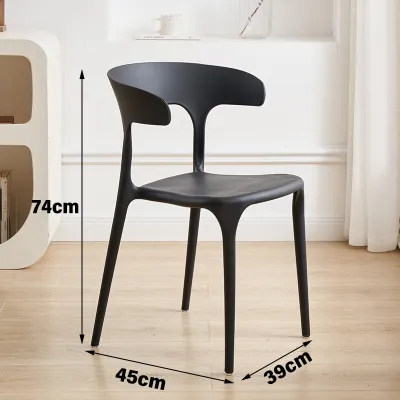
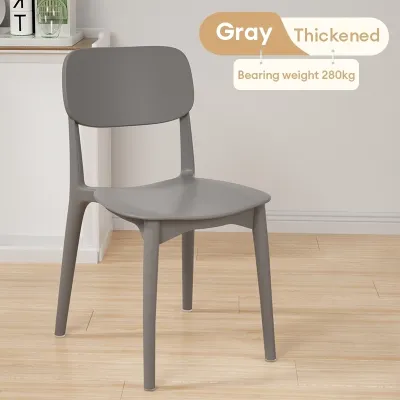
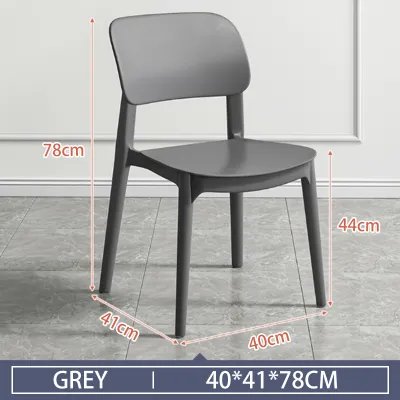
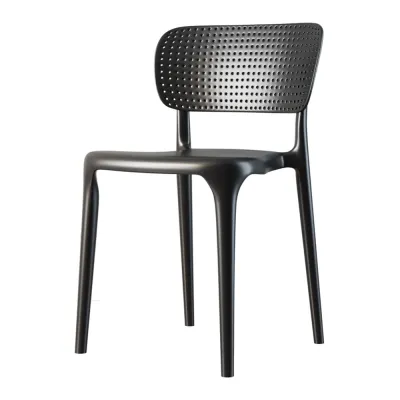
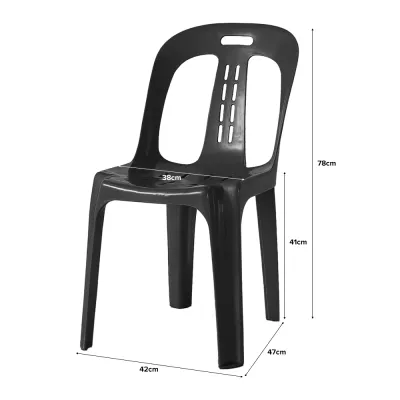
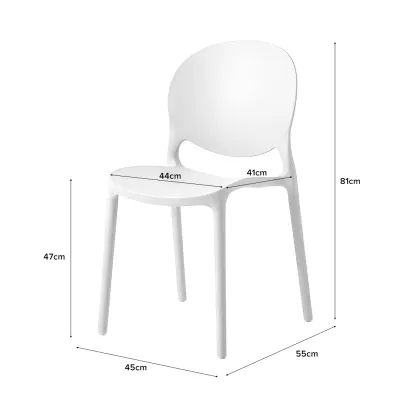
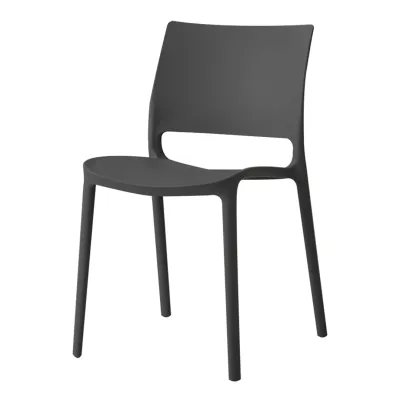
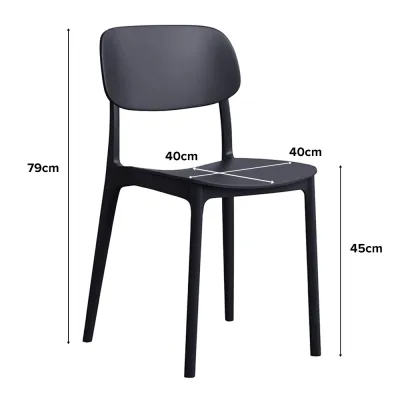
Prices are valid at publication and may change. Please refer to the product page for the latest price.
Spatial constraints are a major consideration for Singapore’s HDB flats and condominiums. If your dining area is compact or serves multiple purposes, look for stackable designs that can be easily stored away when not in use. Check the manufacturer’s specifications to see how many chairs can be safely stacked together without risking instability or surface scratching.
Finally, align your choice with your home’s interior design theme. Plastic dining chairs are available in a wide array of styles, from minimalist Scandinavian designs to mid-century modern replicas and bold, sculptural contemporary shapes. Ensure the visual weight, color palette, and leg profile of the chairs complement your existing dining table and overall decor.
Evaluating Build Quality and Structural Integrity
Judging the durability of a plastic dining chair requires a hands-on inspection of its manufacturing quality. Start by examining the injection molding lines along the edges of the chair. High-quality brands produce clean, smooth edges with minimal seam lines, while lower-tier options often exhibit rough edges, excess plastic flash, or uneven surfaces that indicate poor quality control.

Turn the chair over to inspect the underside of the seat and the leg connections. Look for molded structural ribbing, which is a network of plastic webs designed to reinforce the seat. This ribbing provides essential rigidity and weight distribution, preventing the seat from sagging or cracking under pressure without adding unnecessary bulk to the design.
Examine how the legs are attached to the main shell. If the chair combines a plastic seat with wooden or metal legs, check the mounting hardware. High-quality designs utilize embedded metal threaded inserts molded directly into the plastic, which secure the legs firmly and prevent the screws from stripping the plastic over time. Avoid designs where screws are driven directly into the plastic shell, as these connections easily loosen and degrade.
Verify the manufacturer’s stated weight capacity and stability ratings rather than assuming all plastic chairs are structurally identical. Reliable brands provide clear documentation or labels indicating that their products have undergone standardized load and durability testing.
For chairs intended for outdoor use or placement near sunny windows, look for explicit UV-resistance or weather-treatment labels. Without these protective additives in the polymer mix, prolonged exposure to sunlight can cause the plastic to become brittle, lose its color, or develop a chalky surface residue that is difficult to clean.
Assessing Design Aesthetics and Ergonomics
A dining chair must offer physical comfort during extended meals, making ergonomic design just as important as visual appeal. When testing a chair, sit fully back and assess the curve of the backrest. It should follow the natural contour of your spine, providing comfortable lumbar support without forcing your body into an awkward or overly rigid posture.
Pay close attention to the seat depth and width to ensure proper leg support. The seat should be deep enough to support your thighs comfortably, but not so deep that the front edge presses hard against the back of your knees, which can restrict blood circulation during long periods of sitting.
Look for a “waterfall” front edge on the seat, which is a gentle downward curve at the front. This design feature minimizes pressure on the back of your thighs, enhancing overall comfort and preventing numbness during extended dinners or work-from-home sessions.
Evaluate the surface texture of the plastic material. High-gloss finishes can look striking in a showroom, but they are highly susceptible to visible scratches, scuffs, and fingerprints from daily use. Matte or lightly textured finishes are generally more practical for busy households, as they hide wear and tear more effectively and provide a more slip-resistant seating surface.
Consider the visual weight and leg profile of the chair in relation to your dining room. Thin, tapered metal or wooden legs can make a small dining space feel more open and airy, while thick, solid plastic legs offer a grounded, substantial look. Ensure the leg profile matches the scale, height, and material of your dining table.
Analyzing Price-to-Value Ratios Across Market Tiers
Understanding how plastic dining chairs are priced in Singapore helps you determine if a brand’s asking price aligns with its actual material and design quality. Budget-tier chairs, often priced under S$50, prioritize basic utility and mass production. While highly affordable, they frequently use basic polymers that may flex excessively under load or degrade faster under daily wear.
Mid-tier options, typically ranging from S$80 to S$200, offer a significant step up in material composition and ergonomic engineering. These chairs often utilize high-grade polypropylene reinforced with glass fiber, or durable polycarbonate. They provide excellent structural rigidity, refined surface finishes, and ergonomic shapes designed for long-term comfort and durability.
Premium-tier chairs, which can exceed S$300, often represent original licensed designer pieces, advanced composite materials, or eco-friendly recycled polymers. When purchasing in this tier, you are paying for verified design copyrights, rigorous safety certifications, and extended manufacturer warranties that guarantee structural integrity over many years.
To evaluate the true price-to-value ratio, calculate the expected lifespan of the chair against its initial purchase price. A cheap, low-quality chair that needs replacement after a year or two due to structural fatigue or fading will ultimately cost more than a mid-tier chair that remains structurally sound and visually appealing for a decade.
Be cautious of high prices driven solely by brand marketing or temporary trends. Always cross-reference the price with tangible features, such as the presence of a manufacturer’s warranty, certified non-toxic materials, and clear care instructions that help preserve the chair’s appearance and structural integrity.
Practical Comparison Checklist for Shortlisting
Before making your final decision, verify the exact finished dimensions of the shortlisted chairs against your dining table and room layout. Ensure there is at least 30 cm of clearance between the chair seat and the underside of the table, allowing comfortable legroom and easy movement.
Measure your doorways, hallways, and lift access to ensure the delivery of the chairs will not be obstructed. This is particularly important for non-stackable, single-mold designs that arrive fully assembled in large, bulky packaging.
Confirm the assembly requirements before purchasing. Some brands ship chairs flat-packed, requiring you to attach the legs using provided hardware and tools. Check if the retailer offers professional assembly services or if you will need to assemble the chairs yourself.
Review the retailer’s return and exchange policies, specifically regarding transit damage, missing parts, or manufacturing defects. A clear, customer-friendly return policy provides peace of mind, especially when purchasing online without testing the chairs in person first.
Establish clear stop conditions during your physical inspection. If a chair exhibits a strong, persistent chemical odor, shows visible structural flexing or bowing under light hand pressure, or lacks basic safety and load-capacity documentation, halt the purchase and look for a more reliable alternative.

Community discussion
Share your experience or ask a question. Comments are reviewed before publication.