
Selecting a massage chair is a significant investment in your home wellness routine, requiring a careful balance between advanced technology, physical space, and financial commitment. Ogawa offers a diverse lineup of massage chairs designed to cater to different user profiles, ranging from compact, space-saving entry-level units to comprehensive, feature-rich flagship models. Finding the right match for your household involves evaluating key technical specifications—such as track design, roller dimensionality, and compression systems—against your personal recovery goals.
Because specific model names, exact pricing in S$, and promotional packages fluctuate throughout the year, establishing a clear evaluation framework is the most reliable way to compare current offerings. By understanding how these features scale across different price tiers and assessing your home’s physical layout, you can confidently identify a model that delivers the best long-term value for your lifestyle.
Key Specifications to Compare Across the Lineup
To make an objective comparison between different models, you must first understand the core engineering components that dictate the quality and feel of the massage. The most critical differentiator is the roller mechanism, which is typically classified into 2D, 3D, or 4D technologies. A basic 2D mechanism operates on a flat plane, moving vertically up and down your back and horizontally side to side. Upgrading to a 3D system introduces depth control, allowing the rollers to protrude forward into your muscles for a more pronounced, deep-tissue sensation. The most advanced 4D mechanisms add speed variations to this three-dimensional movement, mimicking the rhythmic acceleration and deceleration of a professional massage therapist’s hands.
Products mentioned in this guide

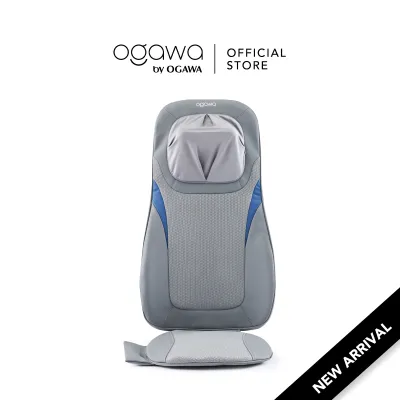
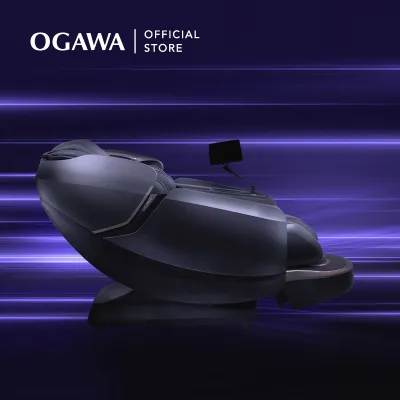
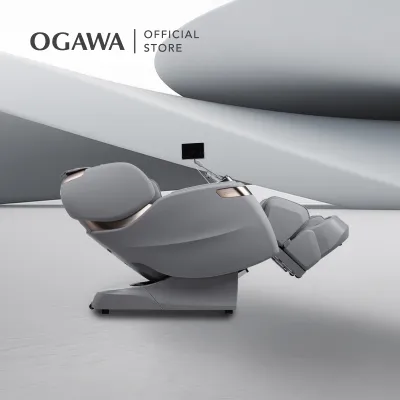
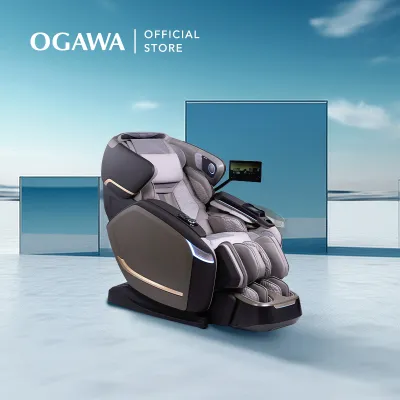
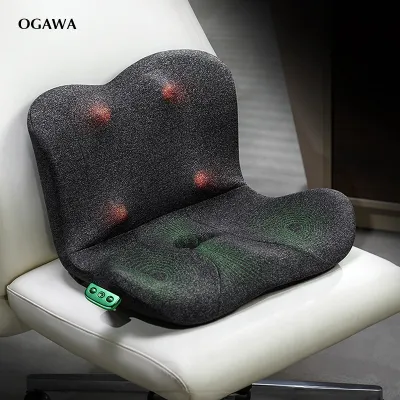
Prices are valid at publication and may change. Please refer to the product page for the latest price.
Equally important is the track design, which serves as the physical pathway the rollers travel along. Traditional S-tracks follow the natural curvature of your spine from the neck down to the lower back, providing excellent lumbar support but stopping at the waist. L-tracks extend this path further, curving under the seat to reach the glutes and upper hamstrings. For the most comprehensive coverage, look for an SL-track configuration. This hybrid design combines the spinal contouring of an S-track with the extended reach of an L-track, ensuring continuous roller contact from the base of your skull all the way to your thighs.
Beyond the mechanical rollers, airbag compression systems play a vital role in full-body relaxation. These systems use inflatable chambers strategically placed around the shoulders, arms, calves, and feet to apply rhythmic pressure. When comparing models, pay attention to the number of airbags, their distribution, and whether the chair allows you to adjust the compression intensity independently across different zones. This compression works in tandem with specialty features like carbon fiber heating elements in the lumbar or calf regions, which help soothe stiff muscles and improve circulation. Additionally, check for zero-gravity positioning—a feature that reclines the chair to align your knees above your heart, reducing spinal pressure and enhancing the overall depth of the massage.
Mapping Features to Price Tiers
As you explore the market, you will find that Ogawa’s offerings generally fall into three distinct price brackets, each defined by its technological sophistication and structural capabilities. The entry-level tier is characterized by compact, space-conscious designs that prioritize essential back relief. These models often utilize reliable 2D rollers or simplified S-track systems, offering a selection of pre-programmed routines with limited manual customization. They are highly suitable for casual users or those with strict budget limits, but it is always wise to check current S$ pricing to ensure these basic models align with your financial expectations.

Stepping up to the mid-range tier introduces a significant leap in comfort and personalization. In this bracket, you can expect to find robust SL-track configurations paired with 3D roller technology and integrated body-scanning sensors. These sensors automatically detect your shoulder height and spinal curvature before a session begins, tailoring the roller path to your unique anatomy. Mid-range models also feature more extensive airbag coverage, targeted heating zones, and multiple zero-gravity angles, making them an excellent value proposition for daily users seeking consistent, moderate-intensity recovery.
At the pinnacle of the lineup sits the flagship tier, where therapeutic performance and luxury design converge. These premium models showcase state-of-the-art 4D massage engines, advanced artificial intelligence that monitors muscle tension in real-time, and specialized full-body stretching programs that gently decompress the spine. Flagship chairs also incorporate premium materials, superior audio systems, and zero-wall clearance technology that allows the chair to slide forward as it reclines. Because high-end investments often coincide with seasonal sales, always verify current promotional pricing, delivery fees, and bundled offers directly from official brand channels or authorized furniture retailers before making a final decision.
Space, Delivery, and Home Setup Requirements
A massage chair is a substantial piece of furniture, and failing to plan for its physical integration into your home can lead to significant logistical challenges. Before finalizing your purchase, you must carefully map out the delivery route from the arrival point to the designated room. Measure the exact width and height of all doorways, narrow hallways, and elevator entrances in your building. Because these chairs are shipped in large, heavy crates, ensuring there is sufficient clearance for the delivery team to maneuver the boxed unit is essential for a smooth installation process.
Once inside the room, you must calculate the total operational footprint of the chair rather than just its upright dimensions. A chair that fits comfortably in a corner when upright may require substantial clearance once fully reclined with the footrest extended. Check the manufacturer’s specifications for the required rear and front clearance; models equipped with zero-wall technology require only a few centimeters of space behind the headrest, whereas standard models may need up to half a meter of clearance from the wall.
Finally, consider the practicalities of power and flooring. Ensure there is a grounded electrical outlet within safe reach of the chair’s power cord without resorting to hazardous extension cords. Given the substantial weight of these units, which often exceeds 100 kilograms, you should assess your flooring material. Placing a heavy, vibrating machine directly on delicate hardwood or soft vinyl can cause permanent indentations or scratches. Investing in a dedicated, high-density protective mat is a simple and effective way to safeguard your floors while dampening operational noise.
Decision Framework: Matching Your Needs to the Right Model
To narrow down your choices, it is helpful to apply a structured decision framework based on your space, budget, and physical requirements. If your living area is highly constrained—such as in a compact apartment—and your primary goal is occasional relief from daily desk fatigue, an entry-level or compact model is the most practical choice. These units deliver targeted neck and shoulder relief without overwhelming your floor plan or your budget.
For households where multiple family members will use the chair daily, a mid-range SL-track model offers the most balanced compromise. The extended track ensures that users of varying heights receive adequate lower-back and glute coverage, while the addition of body scanning and adjustable heat therapy provides a customizable experience that addresses diverse relaxation needs. This tier represents the sweet spot for general wellness and muscle maintenance.
If you are managing chronic muscle stiffness, require intense deep-tissue therapy, or simply want the most advanced relaxation technology available, investing in a flagship 4D model is justified. The precision of 4D rollers, combined with comprehensive stretching routines and AI-driven tension detection, provides a highly therapeutic experience that closely mimics professional physical therapy. However, before committing to any model, always verify your personal health status. If you have pre-existing medical conditions, are pregnant, or have recently undergone surgery, it is absolutely necessary to consult a qualified healthcare professional before using any mechanical massage equipment.
Frequently Asked Questions (FAQ)
How do I verify the warranty and after-sales service in Singapore?
When purchasing a high-value appliance, local support is crucial. You should verify the official warranty duration directly with the authorized distributor, paying close attention to what is covered under parts versus labor. Confirm whether the warranty includes in-home servicing, as transporting a heavy massage chair to a repair center is highly impractical. Reliable brands typically offer dedicated local service centers with trained technicians who can perform diagnostics and repairs directly in your home.
What is the typical power consumption of a full-body massage chair?
The power consumption of a massage chair is relatively modest, typically ranging between 100 and 250 watts depending on the active features. Operating multiple motors for 4D rollers, running heavy airbag compression pumps, and activating carbon fiber heating elements simultaneously will draw more power. To find the exact electrical requirements, check the product’s energy label or user manual. These chairs are designed to operate safely on standard household voltage, making them highly energy-efficient for standard daily sessions.

Community discussion
Share your experience or ask a question. Comments are reviewed before publication.