
Choosing the right massage chair for your home in Singapore is a significant investment, often costing several thousand S$, that requires balancing personal wellness needs with practical household constraints. With prominent brands like Ogawa, OSIM, and Fujiiryoki dominating the local market, finding the ideal model involves looking past marketing buzzwords to evaluate how each chair’s physical design, mechanical capabilities, and service terms fit your lifestyle. There is no single universal winner among these three industry giants; instead, the best choice depends on your specific physical requirements, the dimensions of your living space, and your expectations for long-term after-sales support.
To make an informed decision, you must look at how each brand approaches massage therapy and product design. Some brands focus heavily on lifestyle integration, smart home connectivity, and sleek aesthetics that blend seamlessly into modern HDB flats or condominiums. Others prioritize traditional, highly precise mechanical engineering designed to mimic the exact hand movements of professional Japanese massage therapists. By understanding these differing philosophies and knowing what to test in the showroom, you can select a chair that provides lasting relief and value.
Brand Positioning and Core Massage Technologies
Each of these three brands has carved out a distinct identity in the wellness market, influencing how they design their massage mechanisms and program their chairs. OSIM is widely recognized for its lifestyle-centric approach, often incorporating modern technology such as app integration, stress-tracking sensors, and sleek, compact designs tailored for contemporary urban homes. Ogawa typically positions itself as a family-focused wellness brand, offering a broad spectrum of chairs that balance advanced automated programs with user-friendly interfaces suitable for multi-generational households. Fujiiryoki, as a pioneer in the industry with deep roots in Japanese engineering, generally emphasizes therapeutic precision, robust mechanical construction, and highly customizable manual adjustments designed for deep-tissue relief.
Products mentioned in this guide
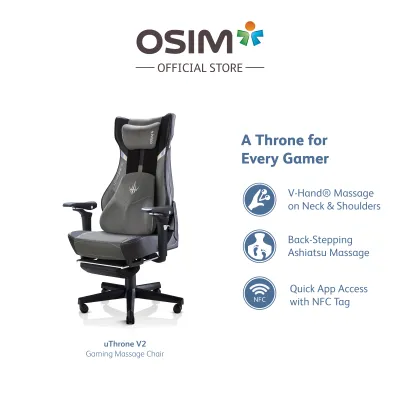
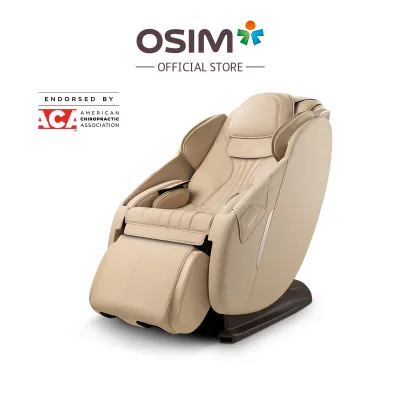
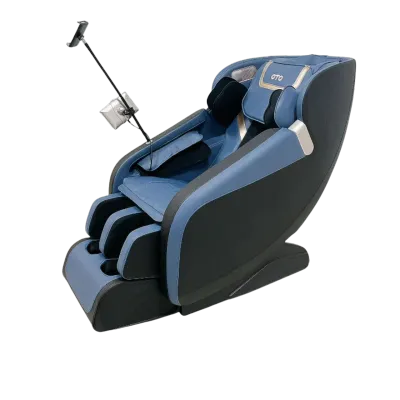
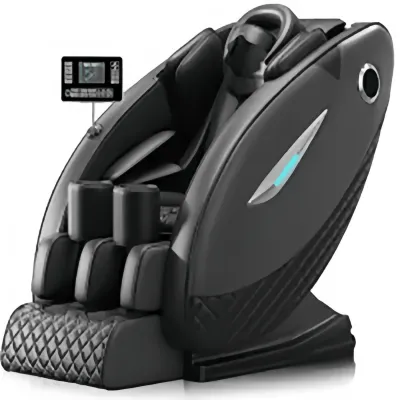
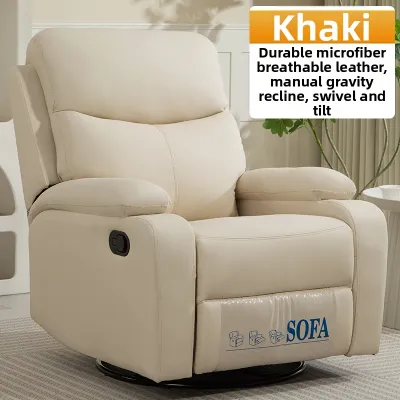
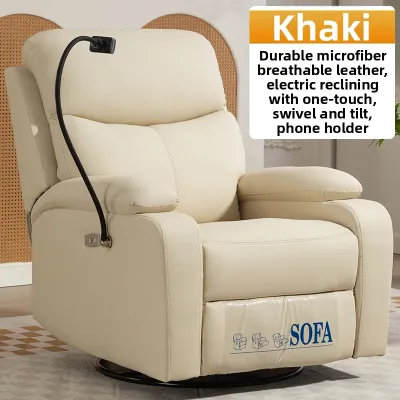
Prices are valid at publication and may change. Please refer to the product page for the latest price.
When visiting a showroom to test these chairs, the roller mechanism is the most critical component to evaluate. You will encounter terms like 2D, 3D, and 4D rollers, which describe the planes of movement the massage heads can travel. A basic 2D system moves vertically and horizontally, while a 3D system adds depth, allowing the rollers to protrude forward into your muscles. A 4D system introduces speed variations to these multi-directional movements, attempting to replicate the rhythmic acceleration and deceleration of human hands. Rather than relying on the sales representative’s description, sit in the chair and focus on how smoothly these rollers transition along your back, especially around sensitive areas like the neck and lower lumbar region.
The track design determines how far down your body the rollers can travel. An S-track follows the natural curve of your spine from the neck to the lower back, while an L-track extends further down, wrapping under the seat to massage the glutes and hamstrings. Many modern models combine these into an SL-track, offering both spinal contouring and extended reach. During your test session, pay close attention to whether the rollers maintain consistent pressure throughout the entire length of the track, or if they lose contact with your body at certain points.
Airbag placement and heating elements represent another layer of customization. Airbags inflate and deflate to compress muscles in the shoulders, arms, calves, and feet, promoting circulation and holding your body in place for deeper stretches. Heating features, often located in the lumbar region or footrest, help relax stiff muscles before the mechanical massage begins. Because individual tolerance for pressure and heat varies significantly, you should always verify how easily these settings can be adjusted or turned off entirely using the chair’s remote control or companion application.
Ultimately, because technology suites and mechanical designs vary widely even within a single brand’s product lineup, you must verify the exact specifications of the specific model you are considering. Do not assume that a feature present in a brand’s flagship model will carry over to their entry-level or mid-range options. Always check the official manufacturer’s label and product specification sheet to confirm the precise roller type, track length, and heating capabilities of the exact unit you intend to purchase.
Build Quality, Materials, and Space Requirements
A massage chair is a substantial piece of furniture that must withstand years of mechanical stress and daily wear. When evaluating build quality in a showroom, look closely at the upholstery materials. Most massage chairs utilize high-grade synthetic leathers, such as polyurethane (PU) or polyvinyl chloride (PVC), which are specifically engineered to endure the constant friction and stretching caused by moving rollers and inflating airbags. While real leather is occasionally available, high-quality synthetic alternatives are often preferred for massage chairs because they resist cracking under tension and are easier to clean in Singapore’s humid climate. Inspect the stitching along the seams, particularly around high-movement areas like the armrests and footrests, to ensure there are no loose threads or uneven tension.

Frame stability is another crucial indicator of overall build quality. Sit in the chair while it is fully reclined and operating at maximum intensity; there should be no structural wobbling, squeaking, or excessive mechanical noise. The internal frame should feel solid and grounded. If the chair incorporates plastic casing on the exterior, press gently on the panels to check for flexing or rattling, which can indicate lower-grade construction materials or loose assembly.
Before finalizing any purchase, you must take precise measurements of your home and the delivery path. Many buyers overlook the physical logistics of getting a heavy, bulky massage chair into their living room. Measure the width and height of all doorways, hallways, and elevator entrances the delivery team must navigate. If your building requires using stairs, confirm the clearance around tight corners and landings. Keep in mind that some chairs can be partially disassembled for delivery, while others must be transported as a single, solid unit; always clarify these delivery requirements with the retailer beforehand.
The footprint of the chair in your living space requires careful calculation, particularly when considering the recline function. Standard massage chairs require significant clearance behind them to recline fully, which can eat up valuable floor space in smaller rooms. To address this, look for models featuring zero-wall or space-saving technology, which slide forward on a track as they recline, requiring only a few centimeters of clearance from the wall. Additionally, check the maximum extension of the footrest to ensure it does not block walkways or strike other furniture when fully extended.
Finally, consult the official product specification sheet to verify the exact weight capacity, power consumption ratings, and structural weight of the chair. Ensure your flooring can safely support the concentrated weight of the chair and the user, especially if you have delicate hardwood or vinyl floors. If necessary, plan to place a dedicated protective mat under the chair to distribute the weight and dampen any operational vibrations that might disturb neighbors living below you.
Warranty, After-Sales Service, and Long-Term Value
The long-term value of a massage chair is directly tied to the reliability of its warranty and the efficiency of the brand’s local after-sales service network. Because these chairs contain complex mechanical parts, electrical components, and pneumatic systems, repairs outside of the warranty period can be costly and difficult to arrange. Before making a commitment, ask the retailer for a detailed breakdown of the warranty terms, rather than accepting a generic multi-year warranty claim. A comprehensive warranty should clearly specify the coverage duration for different components, such as the main motor, the roller mechanism, the electronic circuit boards, the leather upholstery, and the cost of on-site labor.
In Singapore, the convenience of on-site servicing is a major factor in long-term satisfaction. Confirm whether the brand employs its own team of certified local technicians or outsources repairs to third-party contractors. Inquire about typical response times for service requests and whether the brand maintains a local inventory of spare parts for the specific model you are purchasing. If a brand has to import replacement parts from overseas for every repair, you may find yourself with an unusable chair for weeks or even months.
It is also vital to understand the limitations and exclusions of the warranty. Many standard warranties do not cover wear and tear on the leather upholstery, damage caused by pets, or issues resulting from improper cleaning and maintenance. Some brands may offer extended warranty packages for an additional fee; evaluate whether the cost of this extension is justified by the complexity and price of the chair model you have selected.
Never rely solely on a brand’s general reputation or historical prestige to guarantee high-quality service today. Service standards can fluctuate, and warranty terms often differ between retail channels, promotional packages, and specific product tiers. Always request a physical copy of the warranty card or a written statement of the terms from the authorized retailer before completing your transaction, and read the fine print carefully to ensure you understand your rights and obligations as an owner.
Decision Framework: Which Brand Fits Your Needs?
To narrow down your choices among Ogawa, OSIM, and Fujiiryoki, it helps to match your primary wellness goals and household constraints to the design philosophies that these brands typically represent. If your primary goal is to find a sleek, space-saving chair that integrates smart wellness tracking, app-controlled customization, and a modern aesthetic that complements a compact living room, you may want to focus your search on lifestyle-oriented models, a category where OSIM frequently excels. If you are looking for a versatile, family-friendly chair that offers a wide variety of pre-programmed massage styles, user-friendly controls for different age groups, and a balanced approach to full-body relief, exploring Ogawa’s mid-to-high-range lineup is a logical starting point. If your priority is deep-tissue therapeutic relief, highly precise mechanical adjustments, and a focus on traditional Japanese massage techniques over digital lifestyle features, Fujiiryoki’s specialized models are highly suited for these needs.
Before making your final decision, commit to a rigorous pre-purchase testing routine. Visit the showrooms and spend at least 15 to 20 minutes in each candidate chair, running a full automated program from start to finish. Testing a chair for just a couple of minutes is insufficient, as some roller movements or airbag pressures that feel pleasant initially can become uncomfortable or overly intense during a complete session. Wear comfortable, thin clothing to get an accurate feel for the roller pressure, and test the chair at different recline angles to see how your body weight affects the intensity of the massage.
During your showroom visit, obtain written confirmation of all delivery, installation, and disposal terms. Confirm whether the retail price includes delivery to your specific floor, assembly in your room of choice, and the removal of packaging materials. If you need the delivery team to dispose of an old massage chair, verify if this service is available and whether it incurs an additional fee.
Finally, remember that pricing, promotional bundles, and delivery terms are highly dynamic and subject to change. Authorized retailers frequently run seasonal promotions, roadshows, or trade-in offers that can significantly alter the overall value proposition of a specific model. Always verify the current pricing, active promotions, and exact delivery fees directly with the authorized sales representatives on the day of your purchase to ensure you are getting the most accurate and up-to-date deal.
Frequently Asked Questions (FAQ)
How much clearance does a massage chair need from the wall?
The amount of clearance a massage chair needs from the wall depends entirely on its mechanical recline design. Standard massage chairs require the backrest to tilt backward and the footrest to rise, which often necessitates a clearance of 30 to 50 centimeters from the wall to prevent damage to your home’s paint or plaster. In contrast, models equipped with zero-wall or space-saving technology slide forward on a curved track as they recline, allowing them to be placed as close as 5 to 10 centimeters from the wall. Always consult the specific model’s user manual or official specification sheet to verify the exact clearance distance required before positioning the chair in your home.
Are massage chairs safe for daily use?
For most healthy individuals, using a massage chair daily is safe and can be an effective way to manage muscle tension and stress. However, it is important to follow the manufacturer’s guidelines regarding session durations, which typically recommend limiting use to 15 or 30 minutes per session to avoid muscle soreness or overstimulation. If you have pre-existing medical conditions—such as a pacemaker, pregnancy, severe osteoporosis, deep vein thrombosis, or recent spinal surgeries—you should consult a qualified healthcare professional before using a massage chair to ensure it is safe for your specific health profile.
Community discussion
Share your experience or ask a question. Comments are reviewed before publication.