
Finding the right OGAWA back massager requires balancing your personal wellness goals with the practical realities of your living space and budget. OGAWA offers a diverse range of recovery tools, spanning from compact, portable massage cushions designed for targeted lumbar relief to expansive, full-body massage chairs that deliver a complete relaxation experience. Deciding between these options involves evaluating how much room you can dedicate to a wellness appliance, the specific muscle groups you need to target, and the level of customization you require for daily physical relief.
In Singapore’s unique housing landscape, where space optimization is key, making an informed choice is especially important. A portable cushion can easily slip onto an existing office chair or sofa, making it an excellent fit for compact apartments. On the other hand, a dedicated massage chair serves as a semi-permanent furniture investment that demands careful spatial planning but offers a highly comprehensive physical recovery experience. By comparing the core features, structural requirements, and pricing structures of these different product lines, you can confidently select a model that fits seamlessly into your home and lifestyle.
Understanding the OGAWA Back Massager Product Lines
To make an accurate comparison, it is essential to distinguish between OGAWA’s two primary categories of back massagers: portable massage pads (often referred to as mobile seat cushions or back therapy pads) and full-sized, dedicated massage chairs. While both categories leverage the brand’s signature massage technologies, they serve entirely different lifestyles and physical needs.
Products mentioned in this guide
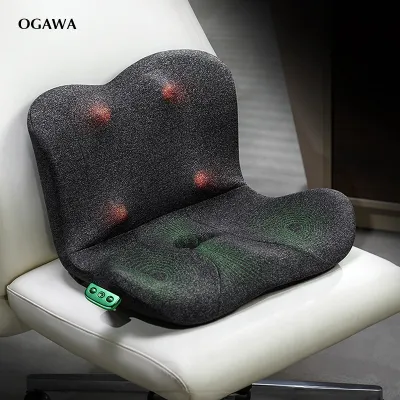
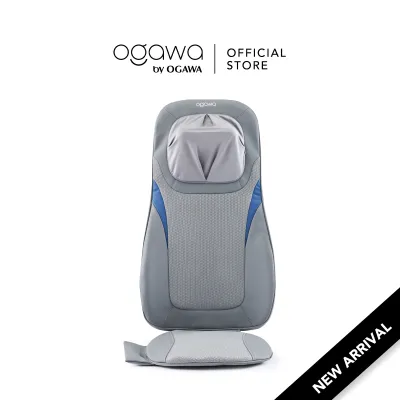
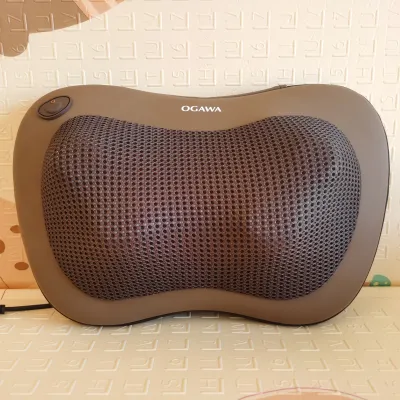
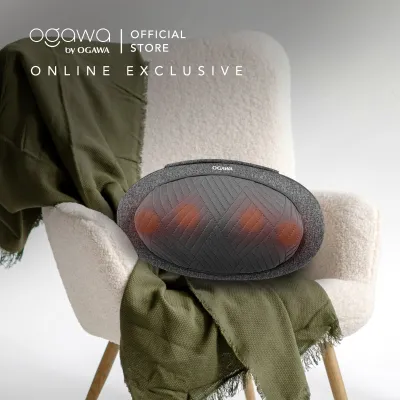
Prices are valid at publication and may change. Please refer to the product page for the latest price.
Portable back massagers are lightweight, versatile units designed to be placed on top of existing seating, such as office chairs, dining chairs, or deep sofas. These devices typically focus on the lumbar and thoracic regions of the spine, utilizing compact rotating nodes to mimic manual kneading. They are suitable for individuals who spend long hours sitting at a desk and require targeted, localized relief during the workday. Because they are highly mobile, you can easily pack them away when not in use or move them between rooms, making them highly practical for smaller living spaces.
In contrast, dedicated massage chairs are substantial, freestanding pieces of furniture engineered for full-body immersion. These systems do not merely target the back; they integrate advanced mechanisms that extend from the neck down to the glutes, thighs, and calves. Utilizing complex track systems, airbags, and synchronized rollers, these chairs provide a comprehensive therapeutic experience. They are designed for users seeking deep relaxation, stress relief, and full-body recovery, acting as a permanent wellness station in a dedicated corner of the home.
It is also worth noting that specific model names, colorways, and feature configurations can vary depending on the release year and regional distribution. When researching options online, always verify the exact specifications on the manufacturer’s official local website or at an authorized physical showroom to ensure the model you are considering matches your expectations.
Key Features to Compare Across Models
When evaluating different OGAWA models, focusing on a few critical technical specifications will help you determine which unit offers the right level of performance for your needs.

Coverage and Track Design The physical path that the massage nodes travel determines the overall coverage of the device. Portable back massagers generally feature fixed-node systems or short vertical tracks that move up and down a set portion of the lower and middle back. While highly effective for localized tension, they cannot reach the neck or lower glutes simultaneously. Dedicated massage chairs, however, utilize advanced track designs. An L-track system extends the massage rollers from the neck down to the lower back and wraps underneath the seat to target the glutes. An SL-track system refines this further by matching the natural S-curve of the human spine, ensuring consistent pressure and contact from the cervical vertebrae down to the thighs.
Massage Techniques and Customization Different models offer varying levels of mechanical sophistication. Basic portable units typically focus on classic kneading or shiatsu techniques using rotating nodes. More advanced models incorporate tapping, rolling, and Swedish massage styles. Heat therapy is another crucial feature to check; many OGAWA models include heated rollers or surface elements that warm the muscles, promoting blood circulation and enhancing the effectiveness of the physical massage. Look for models that allow you to adjust the speed, intensity, and width of the rollers to match your body frame and sensitivity.
Space and Power Requirements Before purchasing, you must assess the physical footprint of the device. Portable pads require virtually no extra floor space, but they do require proximity to a standard electrical outlet. Dedicated massage chairs have a substantial footprint and often require significant clearance behind the backrest to allow for full recline or zero-gravity positioning. Many modern chairs feature space-saving slide designs that move the chair forward as it reclines, minimizing the required wall clearance. Always check the manufacturer’s specifications for the exact dimensions when fully reclined and ensure your home’s electrical outlets can safely accommodate the power draw.
Adjustability and Smart Programs The level of user control varies significantly across the product spectrum. Entry-level models often feature simple inline remotes with pre-set programs, while premium chairs offer touchscreens, app integration, and automatic body-scanning technology. Body scanning is particularly valuable, as it measures the length of your spine and the width of your shoulders to customize the massage path, ensuring the rollers target the correct pressure points rather than applying generic pressure.
Evaluating Price Tiers and Value
Investing in a back massager requires a clear understanding of what features are available at different price points in Singapore. Aligning your budget with your physical requirements ensures you receive the best possible value without overpaying for unused features.
Entry-level portable back massagers and seat cushions generally range from S$150 to S$400. In this price tier, you can expect reliable, targeted kneading and heat therapy in a compact, mobile form factor. These units offer excellent value for office workers or those with limited living space who want a straightforward, dependable solution for daily lower back stiffness.
Mid-range options, which include premium mobile massage seats and entry-level massage chairs, typically sit between S$1,000 and S$3,000. These models introduce more sophisticated track designs, basic body scanning, a wider variety of massage techniques, and partial airbag compression for the hips or thighs. They represent a balanced investment for households seeking a more comprehensive massage experience without committing to the price or footprint of a flagship model.
Premium, full-featured massage chairs occupy the price tier from S$4,000 to upwards of S$8,000. These high-end systems feature advanced SL-track mechanisms, full-body airbag arrays, zero-gravity positioning, localized heat therapy, and highly customizable smart programs. The value in this tier lies in the exceptional build quality, advanced materials, and highly refined, human-like massage sensations.
When evaluating value, always consider the warranty and after-sales support. Purchasing from authorized local dealers in Singapore ensures you receive a valid manufacturer’s warranty, which typically covers parts and on-site servicing for a specified period. Be cautious of unauthorized third-party sellers on online marketplaces offering suspiciously low prices; these products may lack local safety certifications, and their warranties are often void, leaving you without support if the mechanical components require repair.
Decision Framework: Which Model Fits Your Needs?
To determine the ideal OGAWA model for your household, use this conditional framework to match your physical needs and living environment with the appropriate product category.
Choose a portable back massager if:
- Your primary concern is localized lower back or shoulder tension developed during long hours of desk work.
- You reside in a compact apartment, such as a cozy HDB flat or condominium, where floor space is at a premium.
- You require a versatile device that can be easily moved between an office chair, a living room sofa, or even packed away when guests visit.
- You prefer a highly targeted, straightforward massage experience without the need for full-body compression or leg massage features.
Choose a dedicated massage chair if:
- You are looking for a comprehensive, full-body recovery solution that addresses tension in the neck, shoulders, back, glutes, and calves simultaneously.
- You have a dedicated, permanent space in your living room, study, or bedroom to accommodate a large furniture piece with recline clearance.
- You want to experience advanced features like zero-gravity recline, which distributes your body weight evenly to reduce spinal pressure.
- Multiple members of your household will use the device, making the automatic body-scanning and customizable user profiles highly beneficial.
Verify first if:
- You have any pre-existing medical conditions, such as severe osteoporosis, herniated discs, sensory neuropathy, or active inflammation. If so, always consult a qualified healthcare professional before using any deep-tissue massage or heat therapy devices to ensure safe operation.
Pre-Purchase Checks and Verification
Before finalizing your purchase, performing a few practical checks will prevent delivery headaches and ensure long-term satisfaction with your investment.
First, carefully measure your home’s entry points. For dedicated massage chairs, you must measure the width of your main doorway, hallway corners, lift doors, and stairwells to ensure the delivery team can safely transport the unit into your preferred room. Many premium chairs are heavy and bulky, requiring professional handling and sufficient clearance to maneuver.
Second, verify the weight capacity and structural stability of the unit. Ensure that the floor surface in your chosen room can support the weight of a heavy massage chair, especially when occupied. If you are placing a portable massager on an office chair, confirm that the chair itself is stable, has a secure base, and will not tip backward under the added weight and shifting center of gravity of the massager.
Finally, always confirm the authorized dealer status of the retailer. In Singapore, official OGAWA outlets and authorized distributors provide genuine products that comply with local electrical safety standards. Verify the specific terms of the local warranty, including whether it covers on-site technician visits, transport fees, and the availability of genuine replacement parts over the lifespan of the product.
Frequently Asked Questions (FAQ)
Can I use an OGAWA back massager on any standard office chair?
Yes, most portable OGAWA back massagers are designed to fit a wide variety of standard office chairs, but you must verify a few safety and structural details first. Ensure your office chair has a high, sturdy backrest that can fully support the height of the massage pad. Check the chair’s weight capacity to ensure it can safely handle both your body weight and the weight of the massager. Additionally, secure the massager firmly using its integrated strap system, and route the power cord carefully along the floor to prevent it from getting caught in the chair’s wheels or creating a tripping hazard.
How do I clean and maintain the massage nodes and upholstery?
Proper maintenance is essential to preserve the materials, especially in Singapore’s warm and humid climate. Always unplug the device from the wall outlet before performing any cleaning. For synthetic leather or polyurethane upholstery, use a soft, clean cloth slightly dampened with water or a mild, non-abrasive soap solution. Avoid using harsh chemical solvents, alcohol, or bleach, as these can dry out and crack the synthetic leather over time. Allow the material to air dry completely in a well-ventilated, shaded area away from direct sunlight before plugging the device back in for use.

Community discussion
Share your experience or ask a question. Comments are reviewed before publication.