
Comparing neck massage machines in Singapore requires looking beyond brand names and focusing on how specific technologies, ergonomic designs, and local support structures align with your physical needs. With a wide array of options available in the local market, from compact travel collars to heavy-duty massage pillows, finding the right device involves evaluating the mechanical action, material durability, and power delivery. Rather than searching for a single universal winner, the most effective approach is to analyze how different engineering choices address specific types of muscle tension, ensuring your investment provides reliable, long-term relief.
Core Massage Technologies and Performance
The effectiveness of any neck massage machine depends primarily on its underlying technology. The two dominant mechanisms on the market are physical kneading (often referred to as shiatsu or mechanical rotation) and electrical muscle stimulation (which includes both EMS and TENS technologies). Understanding how these two approaches interact with muscle tissue is essential for choosing a device that matches your specific comfort levels and physical requirements.
Physical kneading models utilize motorized, rotating nodes that physically press, roll, and knead the muscle fibers. This mechanical action mimics the hands of a professional masseuse, targeting the deeper layers of the trapezius, splenius capitis, and levator scapulae muscles. The physical pressure is highly effective at breaking down stubborn muscle knots and relieving deep-seated tension caused by prolonged sitting or poor posture. However, because this technology relies on physical force, it can feel intense or even painful for users with highly sensitive muscles or acute inflammation.
Products mentioned in this guide
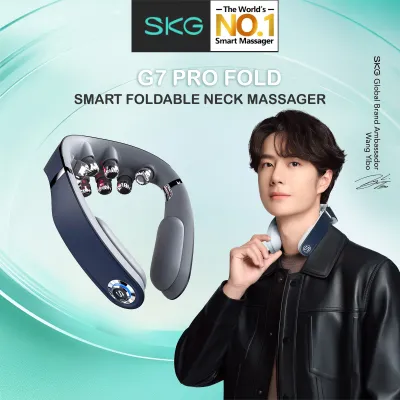
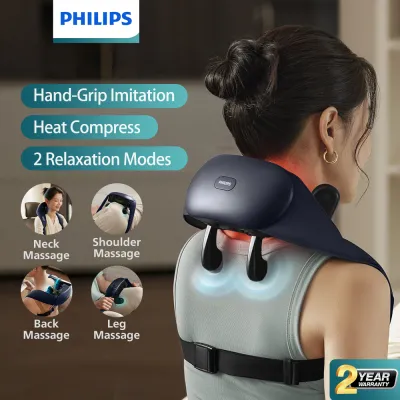
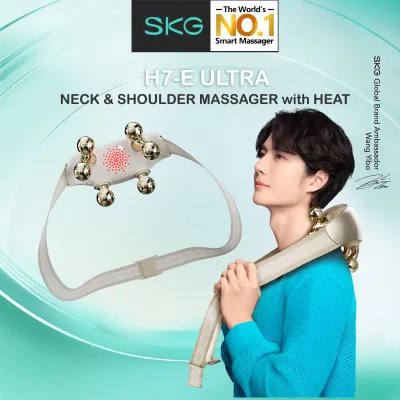
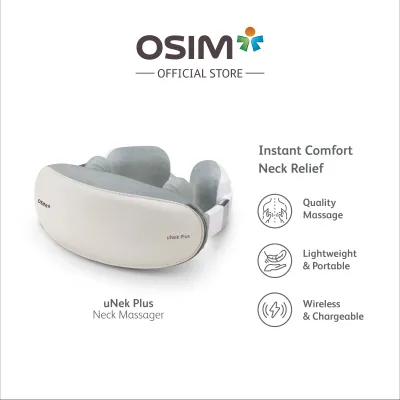

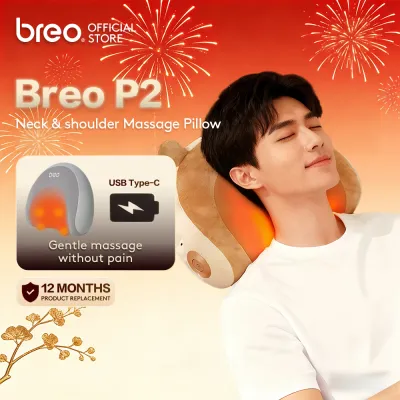
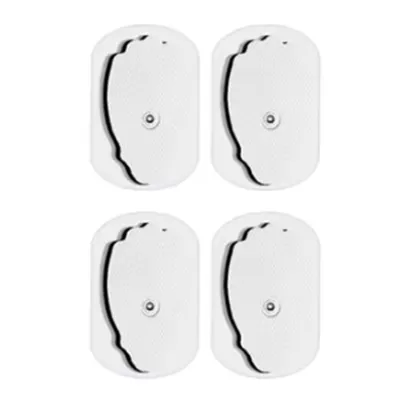
Prices are valid at publication and may change. Please refer to the product page for the latest price.
In contrast, electrical muscle stimulation (EMS) and transcutaneous electrical nerve stimulation (TENS) devices use low-voltage electrical pulses delivered through skin-contact pads. EMS targets the muscle fibers directly, causing them to contract and relax rhythmically, which helps improve local circulation and reduce stiffness. TENS targets the sensory nerves, blocking pain signals from reaching the brain and stimulating the release of endorphins. Because these devices have no moving parts, they are completely silent, exceptionally lightweight, and do not apply physical pressure. This makes them ideal for gentle, discreet relief, though they cannot replicate the deep-tissue manipulation of mechanical nodes.
Integrated heat therapy is another critical feature to evaluate. Most modern neck massagers incorporate heating elements that warm the contact nodes or pads. Applying gentle heat to the neck helps dilate blood vessels, increasing blood flow and oxygen delivery to damaged or tense tissues. This thermal action helps relax tight muscles, making them more receptive to physical kneading or electrical stimulation. When comparing devices, look for models that offer adjustable heat settings rather than a single fixed temperature, as individual skin sensitivity and heat tolerance vary significantly.
Ergonomics, Build Quality, and Comfort
The physical design of a neck massage machine determines not only how comfortable it is to use but also how effectively the massage nodes align with your anatomy. A poorly designed massager can fail to reach key tension points or, worse, apply pressure to the cervical spine itself rather than the surrounding muscle tissue.

U-shaped wraparound designs are highly popular because they drape naturally over the shoulders, positioning the massage nodes directly against the back and sides of the neck. Many of these models feature integrated arm straps or loops. By pulling down gently on these straps, you can manually adjust the intensity of the massage and press the nodes deeper into your muscles. This design is highly versatile but requires you to keep your arms in a specific position, which may not be ideal if you want to multi-task or completely relax your upper body.
Pillow-style massagers offer a hands-free alternative. These contoured pillows are placed behind the neck while you lean back against a chair, sofa, or bed, using your body weight to apply pressure. While highly convenient, finding the perfect alignment can require some trial and error compared to adjustable strap-based models that secure directly to an office chair headrest.
Material quality and breathability are equally important, especially in Singapore’s warm and humid climate. Because these devices sit directly against the skin, they can easily accumulate sweat, body oils, and skin flakes. Look for models that feature removable, machine-washable fabric covers to maintain hygiene over time. The contact surface should ideally be made of a breathable mesh fabric that allows heat to dissipate, preventing uncomfortable sweat buildup. While premium synthetic leathers (PU) look sleek and are easy to wipe clean, they can feel sticky and hot against bare skin during extended sessions if the room is not well-ventilated.
Device weight and balance must also be factored into your decision. A heavy mechanical massager can place unnecessary strain on your shoulders and neck, potentially worsening the very tension you are trying to alleviate. When comparing specifications, look for lightweight designs that distribute weight evenly across the shoulders rather than concentrating it entirely on the back of the neck.
Power, Portability, and Usability Features
How a neck massage machine is powered and controlled directly impacts how easily you can integrate it into your daily routine. Modern devices offer a range of power configurations, control interfaces, and safety features designed to enhance convenience and usability.
The choice between cordless, rechargeable models and traditional plug-in devices involves a trade-off between mobility and consistent power. Cordless neck massagers rely on internal lithium-ion batteries, offering the freedom to use the device anywhere—whether you are commuting, sitting at an office desk, or relaxing on a balcony. When evaluating cordless options, check the battery capacity and the estimated runtime per charge. Keep in mind that running the heat function alongside the mechanical nodes will drain the battery much faster. Modern devices increasingly utilize USB-C charging ports, which is highly convenient as it allows you to use the same cables and power adapters as your smartphone or laptop.
Plug-in models, while tethered to an electrical outlet, offer unlimited runtime and consistent power delivery. They do not suffer from battery degradation over time, which is a common reason cordless devices eventually need to be replaced. If you plan to use your massager primarily in a dedicated spot, such as your favorite armchair or at your office desk, a plug-in model can provide long-term reliability without the need to worry about charging cycles.
Control interfaces should be intuitive and easy to operate without looking. Physical buttons located on the side of the device collar are the most common setup. These buttons should have distinct tactile shapes or raised markings, allowing you to change speed, direction, or heat settings by touch alone. Some premium models offer remote controls or companion smartphone apps, which can be useful for adjusting settings on pillow-style massagers where the physical buttons might be pressed against a chair back. However, for most users, simple and responsive physical buttons remain the most practical option.
Operational noise is another crucial factor, particularly if you plan to use the device in a quiet office environment or while watching television. Mechanical kneading motors naturally produce some sound, but high-quality models are engineered to operate quietly, keeping noise to a minimum. Finally, ensure any device you select features an auto-shutoff safety timer. Typically set to 15 or 20 minutes, this timer prevents the motor from overheating and, more importantly, ensures you do not over-massage your muscles, which can lead to bruising or increased soreness.
Warranty, After-Sales Support, and Value
Investing in a neck massage machine is not just about the upfront purchase price; it is also about long-term reliability and the support you can expect if something goes wrong. This is particularly relevant in Singapore, where consumer protection laws and local brand presence can vary significantly.
When comparing brands, always check the standard warranty period and read the fine print regarding what is actually covered. A standard local warranty typically ranges from 12 to 24 months. It is important to clarify whether the warranty covers the entire device, including the internal motor, heating elements, and rechargeable battery, or if certain components are excluded. Rechargeable batteries are prone to natural degradation over time, so understanding the brand’s policy on battery replacement or repair is essential for cordless models.
The availability of local service centers or authorized repair agents in Singapore is a major factor in determining a brand’s value. If a device develops an electrical fault or a mechanical defect, having a local point of contact means you can easily drop off or ship the item for repair or replacement. Brands that operate solely through overseas online marketplaces without a local physical presence often require you to ship defective items back to an international warehouse at your own expense, which can be costly and time-consuming.
To assess the overall value of a neck massage machine, balance the upfront cost in S$ against the build quality, feature set, and after-sales support. While budget-friendly models available on ecommerce platforms can be tempting, they often lack local warranty coverage and may use lower-grade motors or fabrics that wear out quickly. Conversely, premium brands often command a higher price but offer robust construction, superior ergonomics, and reliable local customer service. Investing slightly more in a reputable brand with a solid local support network often yields better value over the lifespan of the device.
Decision Framework: Matching Features to Your Needs
To help you navigate the many options available, this decision framework outlines how to match specific device features to your lifestyle, physical condition, and comfort preferences.
First, consider your primary usage scenario and physical tolerance:
- Physical Kneading Models: Choose these if you prefer deep-tissue manipulation, have robust neck muscles, and primarily plan to use the device while seated or reclining at home. These models are excellent for breaking down tough knots but require a design that allows you to control the applied pressure.
- EMS and Pulse Models: Choose these if you need a lightweight, highly portable, and discreet device for office use or travel. They are ideal if you have sensitive skin or muscles that cannot tolerate heavy physical pressure, as they provide relief through gentle electrical stimulation rather than mechanical force.
Second, perform essential safety and health checks before purchasing or using any electronic massager:
- Medical Conditions: If you have underlying cervical spine conditions, such as herniated discs, severe spondylosis, or spinal instability, you must consult a healthcare professional before using a neck massager. The mechanical pressure or electrical pulses could potentially exacerbate these conditions.
- Implanted Devices: Individuals with pacemakers, defibrillators, or other implanted medical devices must avoid EMS and TENS models entirely, as the electrical currents can interfere with the operation of these life-saving devices.
- Skin Sensitivities: If you have fragile skin, reduced temperature sensation, or active skin infections on your neck, avoid using heat functions or rough mesh fabrics that could cause burns or abrasions.
- Severe Symptoms: If you are experiencing severe, radiating nerve pain, numbness, or tingling that travels down your shoulders, arms, or fingers, do not attempt to treat it with a consumer-grade neck massager. These symptoms indicate potential nerve compression and require immediate professional medical evaluation.
By systematically evaluating your physical needs, safety requirements, and lifestyle preferences against this framework, you can confidently select a neck massage machine that provides safe, effective, and lasting relief.
Frequently Asked Questions (FAQ)
Can I use a neck massage machine every day?
Yes, you can generally use a neck massage machine daily, but you must strictly limit the duration of each session to prevent muscle soreness and tissue bruising. Most manufacturers recommend limiting use to one or two sessions per day, with each session lasting no longer than 15 to 20 minutes. Always listen to your body’s feedback; if your muscles feel tender or bruised the day after a massage, suspend use for a few days to allow the tissue to recover, and consider lowering the intensity or pressure during your next session.
Are neck massage machines safe for older adults?
Neck massage machines can be safe for older adults, but they require careful precautions and adjustments. Elderly individuals are more likely to have conditions such as osteoporosis, severe cervical spondylosis, or fragile skin, which can make intense mechanical kneading dangerous. It is highly recommended to consult a healthcare professional before use. When using a device, older adults should always start with the lowest intensity setting, avoid applying excessive physical pressure, and use heat functions with caution to prevent burns, especially if they have reduced skin temperature sensitivity.

Community discussion
Share your experience or ask a question. Comments are reviewed before publication.