
Quick Answer: Which Storage Bench Design Maximizes Small-Space Utility?
To maximize utility in a compact home, the ideal storage bench design depends entirely on your room’s physical clearance and how often you need to access the stored items.
Lift-top designs offer the highest volume of uninterrupted storage, making them excellent for bulky, seasonal items like extra bedding. However, they require completely clear vertical space above the seat to open, meaning you must remove any cushions or decorative items before lifting the lid.
Conversely, drawer and cubby designs are superior for high-traffic walkways and daily-use items. They allow you to access shoes or bags from the front without disturbing anyone sitting on the bench. The trade-off is that they require sufficient floor clearance in front of the bench to pull drawers fully open.
Products mentioned in this guide
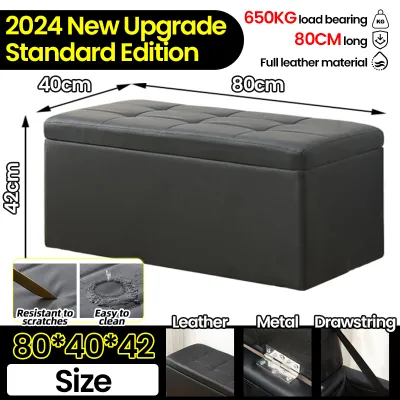
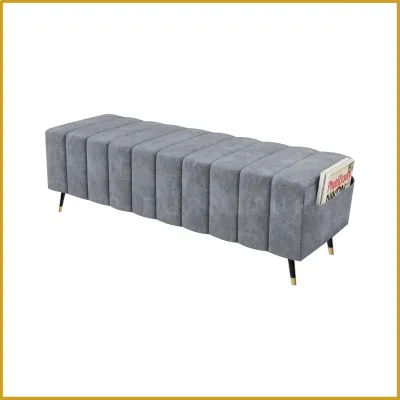
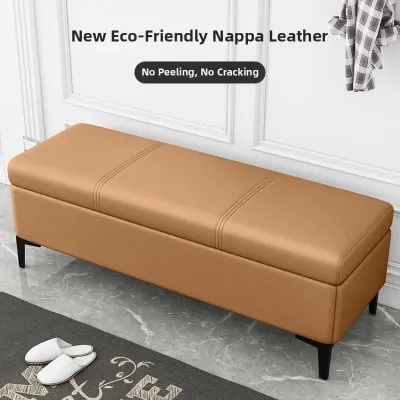
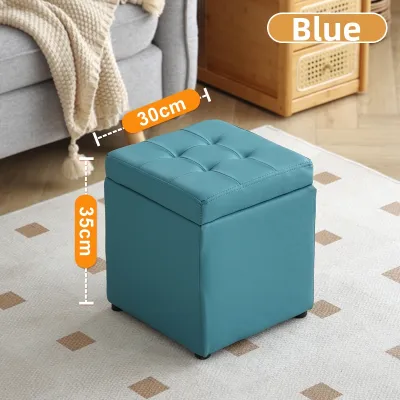
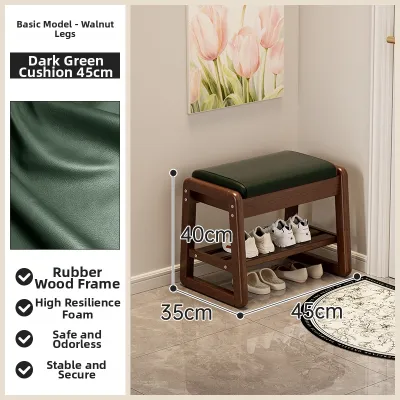
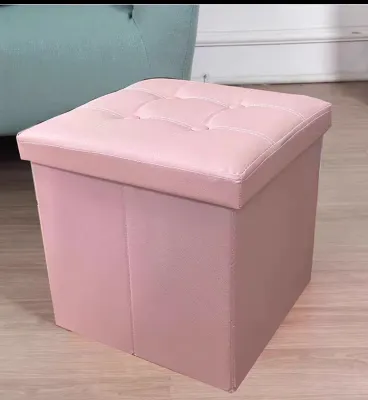
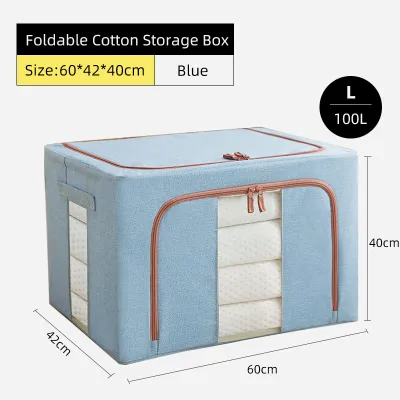
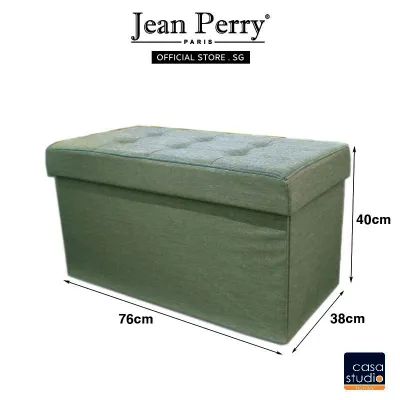
Prices are valid at publication and may change. Please refer to the product page for the latest price.
Ultimately, the best configuration is determined by measuring your specific room layout, identifying the clearance zones, and matching the opening mechanism to your daily habits.
Lift-Top vs. Drawer-Based Storage Benches
When choosing between a lift-top and a drawer-based storage bench, the primary consideration is how the opening mechanism interacts with your living space. Lift-top benches feature a hinged seat that opens upward, exposing a deep, chest-like compartment. This design is highly efficient for storing large, irregular objects because there are no internal dividers or drawer tracks consuming valuable interior space. However, the operational downside is significant in small rooms: you cannot use the top of the bench for temporary storage or decorative pillows if you need frequent access to the interior.

Drawer-based configurations solve this accessibility issue by utilizing front-facing pull-out compartments. This allows you to retrieve items while someone is actively seated on the bench, making it a highly functional choice for busy entryways. The structural trade-off is that drawers require heavy-duty glides and internal framing, which slightly reduces the overall usable storage volume compared to an open chest of the same external dimensions. Additionally, you must ensure there is enough physical floor space in front of the bench to accommodate the full extension of the drawers without blocking pathways.
Safety and structural stability are critical when evaluating these two mechanisms. For lift-top benches, look for safety hinges or soft-close dampers that prevent the heavy lid from slamming shut unexpectedly. For drawer-based models, check the stability of the unit when multiple drawers are extended, especially if the bench is not anchored to a wall. High-quality joinery and a low center of gravity are essential to prevent the bench from tipping forward when heavy drawers are pulled out to their maximum limit.
Open Cubbies vs. Concealed Storage Configurations
The choice between open cubbies and concealed storage compartments shapes both the visual aesthetics and the practical maintenance of a small room. Open cubbies or slatted shelves create an airy, lightweight appearance because they allow light to pass through, making a narrow hallway feel less cramped. They provide instant, hands-free access to frequently used items like daily footwear or baskets. However, open storage demands meticulous organization; any untidiness is immediately visible, which can quickly make a small space feel cluttered and chaotic.
Concealed storage configurations, such as those with sliding doors, cabinet doors, or solid drawer fronts, excel at hiding everyday clutter and maintaining a clean, minimalist aesthetic. They also protect your stored belongings from dust and direct sunlight, which is particularly beneficial for storing linens or delicate accessories. The main drawback is that solid doors and panels add visual weight to a room, potentially making a tight space feel more enclosed. They also require additional clearance to swing open, unless you opt for sliding doors.
Hybrid designs offer a practical compromise by combining both open and closed elements. For example, a bench might feature an open slatted shoe rack on one side for wet footwear, alongside a closed cabinet or drawer on the other side for personal items. This balanced approach allows you to keep high-use items easily accessible while keeping less attractive clutter safely tucked away out of sight.
Key Dimensions to Compare for Space Efficiency
To ensure a storage bench truly enhances a small space rather than crowding it, you must carefully analyze its physical dimensions and spatial requirements. Begin by comparing the external footprint—the total floor area the bench occupies—against the actual internal usable volume. Some designs feature thick decorative panels, wide armrests, or bulky legs that inflate the external dimensions without adding any storage capacity. In a compact home, every centimeter counts, so prioritize benches with thin but structurally sound walls and minimal external ornamentation.
Next, calculate the precise clearance required for the opening mechanisms to function. For lift-top benches, measure the height of the lid when fully opened to ensure it does not strike low-hanging wall art, coat hooks, or light fixtures. For drawer-based or cabinet-style benches, measure the depth of the bench with the drawers or doors fully extended. You must ensure there is still adequate clearance for a person to stand or walk past the extended drawer comfortably. A drawer that cannot open fully because it hits a wall or another piece of furniture is practically useless.
Finally, assess the multi-functional utility of the bench to maximize its value per square meter. A highly efficient bench should serve multiple purposes simultaneously, such as providing comfortable seating for at least two adults, offering dedicated shoe storage underneath, and acting as a flat surface for an entryway drop zone. Check the height of the seat; a standard seating height of 40 to 45 centimeters is ideal for putting on shoes comfortably, while a shallower depth of 30 to 35 centimeters is best for keeping narrow walkways clear.
Matching the Bench Configuration to Your Room Layout
Different zones within a compact home present unique spatial challenges, requiring specific bench configurations to maintain a smooth traffic flow. In narrow entryways and hallways, the primary goal is to keep the walkway unobstructed. A shallow, low-profile bench with open cubbies or sliding doors is ideal here, as it eliminates the need for swing clearance. Ensure the bench depth does not interfere with the main entry door’s swing radius, allowing guests to enter and exit the home without maneuvering around a bulky piece of furniture.
In the bedroom, storage benches are commonly placed at the foot of the bed or tucked into a window nook. For a footboard bench, a lift-top design is often highly effective for storing extra blankets or seasonal clothing, provided the height of the bench does not exceed the height of the mattress. If placing a bench in a window nook, measure the height of the windowsill carefully. The backrest of the bench, if it has one, should not block natural light or interfere with window latches and curtains.
Living areas offer the opportunity to use a sturdy, flat-top storage bench as a creative alternative to a traditional coffee table or media console. In this scenario, a drawer-based or hybrid bench works exceptionally well. It provides a stable surface for trays, drinks, or books, while the drawers underneath offer hidden storage for remote controls, board games, or chargers. When using a bench as a coffee table, ensure there is at least 30 to 45 centimeters of clearance between the bench and the sofa to allow for comfortable legroom and easy movement.
Decision Framework: Choosing the Right Storage Bench
To finalize your decision, use a systematic framework that balances your storage needs with your home’s physical constraints. First, identify the primary items you plan to store. If you are storing bulky, lightweight, or infrequently used items like winter blankets, a lift-top design is the most space-efficient choice. If you need to store daily-use items like shoes, keys, or work bags, a drawer-based or open-cubby design will serve you much better by providing quick, unhindered access.
Second, verify the physical limits of your space. Before purchasing any furniture from an online marketplace or local retailer, take precise measurements of your room, including the maximum allowable width, depth, and height. Do not forget to measure your doorways, stairwells, and lift cabins to ensure the delivery team can safely transport the assembled bench into your home. If your entryway has tight corners or narrow turns, a flat-pack bench that you assemble inside the room may be the only viable option.
Finally, accept that if your space is exceptionally tight, a standard storage bench might not be the right solution. If the minimum clearance for drawers or lift-tops cannot be met without blocking essential pathways or doors, consider alternative vertical storage solutions, such as wall-mounted shelves with hanging hooks, or a slim console table combined with small, tuck-away stools.
Frequently Asked Questions (FAQ)
How much weight can a typical storage bench support?
To ensure safe seating and prevent structural damage, always check the manufacturer’s specifications and product labels for exact weight limits before purchasing. The actual load-bearing capacity of a storage bench is determined by its frame material, joint construction, and the spacing of its support slats. Benches constructed with solid wood frames and reinforced corner joints generally support more weight than those made from thin particleboard or medium-density fibreboard (MDF). Additionally, if the bench is designed to accommodate multiple seated adults, verify that the weight capacity is rated for combined loads rather than a single occupant.
Are storage benches suitable for humid environments?
Whether a storage bench can withstand high humidity depends entirely on its materials, surface finishes, and care requirements. Do not assume a material is moisture-resistant without verifying the manufacturer’s care labels and specified treatments. For humid areas like bathrooms, enclosed balconies, or entryways exposed to damp weather, look for benches with protective, water-resistant finishes or those specifically rated for outdoor or high-moisture use. To prevent mold, mildew, and wood warping, ensure the storage compartment has adequate ventilation, such as slatted panels or ventilation holes, and perform routine maintenance by wiping down surfaces and airing out the interior regularly.

Community discussion
Share your experience or ask a question. Comments are reviewed before publication.