
Finding a piece of furniture that successfully merges the therapeutic benefits of a massage chair with the space-saving utility of a sofa bed is a challenging task. When comparing different massager sofa bed brands, the decision ultimately comes down to balancing massage quality, structural durability, and conversion ease. Because these multi-functional units house complex electrical and mechanical components within a folding frame, a standard evaluation of comfort is not enough. You must analyze how the massage mechanisms are integrated, how the frame handles the physical stress of daily conversion, and whether the overall design fits your specific living space and lifestyle requirements.
Defining Your Priorities for a Massager Sofa Bed
Before comparing specific brands or models, you must clarify how the unit will be used in your home. If the primary purpose is daily sleeping, the quality of the mattress surface and the ease of conversion are your top priorities, with the massage function serving as an occasional luxury. Conversely, if you are seeking a dedicated relaxation station for daily massage therapy, the sophistication of the massage nodes and rollers takes precedence, and the bed configuration becomes a secondary feature for occasional guests.
Spatial planning is equally critical, especially in compact living environments like typical apartments or HDB flats. You must measure the exact footprint of the sofa in its closed position, but more importantly, verify the clearance required when the bed is fully extended and the backrest is reclined. Do not forget to measure your doorways, hallways, and lift dimensions. A heavy, fully assembled massager sofa bed can be exceptionally difficult to navigate through tight corners, making delivery and installation access a primary constraint in your decision-making process.
Products mentioned in this guide
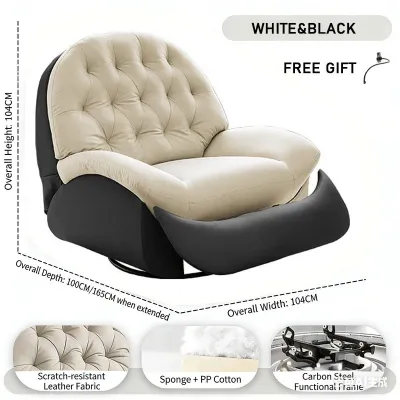
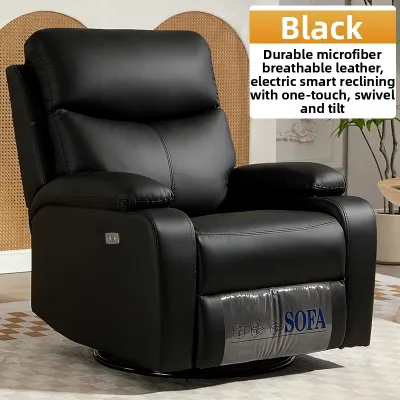
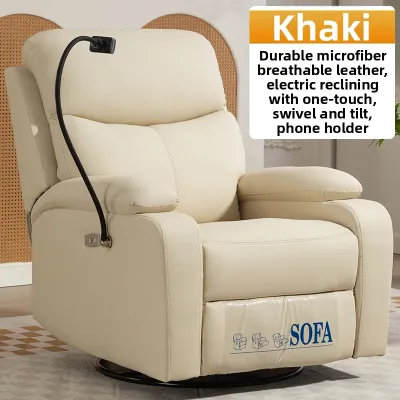
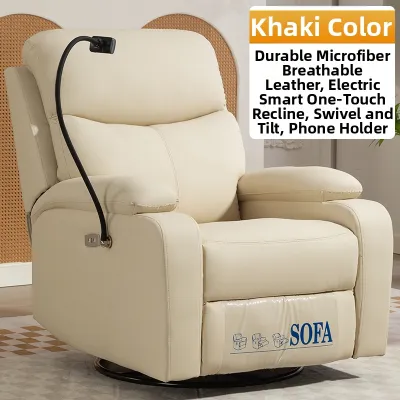
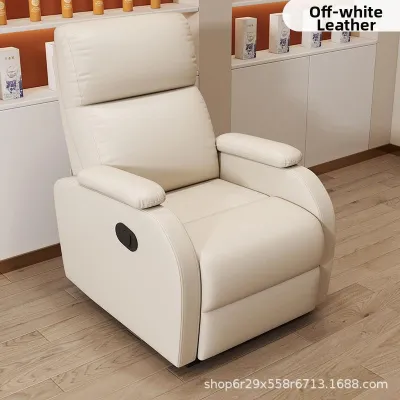
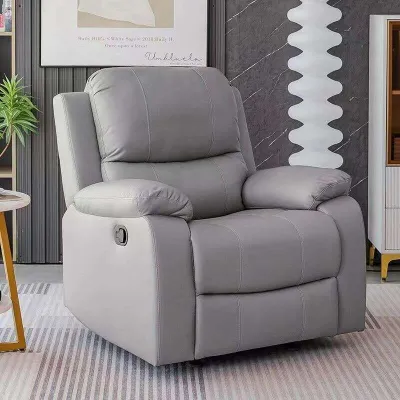
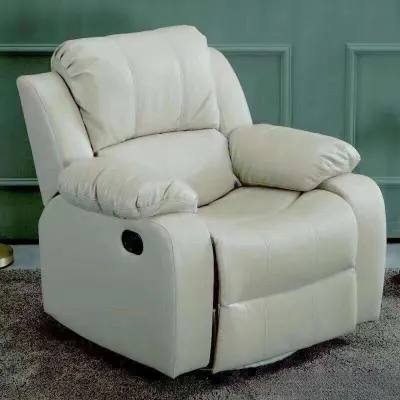
Prices are valid at publication and may change. Please refer to the product page for the latest price.
Comparing Massage Mechanisms and Effectiveness
The core of any massager sofa is its internal mechanism, which generally falls into three categories: mechanical Shiatsu nodes, vibration motors, or compression airbags. Mechanical Shiatsu nodes utilize motorized rollers that travel along a track to mimic hand-kneading techniques. When evaluating different brands, check whether the rollers operate on a fixed track or a more advanced S-track or L-track system that follows the natural curvature of your spine.

Vibration-based models rely on strategically placed motors to stimulate blood flow and relax muscles. While vibration is typically quieter and allows for a slimmer, more lightweight sofa profile, it does not provide the deep-tissue relief of mechanical rollers. Airbag compression systems use inflating and deflating pockets to gently squeeze the hips, thighs, or calves. To ensure the massage quality matches your expectations, review the manufacturer’s specifications for adjustable intensity levels, targeted zone controls, and optional heating elements.
Always verify the technical and safety specifications directly from the product manual. Look for the motor’s noise rating in decibels to ensure it will not disrupt your household, and confirm that the unit features an automatic safety shutoff timer—typically set between 15 and 30 minutes—to prevent the motors from overheating during extended use.
Evaluating Build Quality and Material Durability
A massager sofa bed is subject to unique physical stresses. It must support the weight of seated or sleeping users while protecting the delicate internal motors, wiring, and tracks from compression damage. Inspect the frame construction carefully; high-quality models typically feature reinforced steel alloys or solid hardwood frames. Avoid lightweight frames that may warp over time, as even a slight misalignment can jam the massage rollers or compromise the conversion mechanism. Always check the maximum weight capacity stated on the product label to ensure it meets your household’s needs.
Upholstery selection is another critical factor, particularly in warm, humid climates where synthetic materials are prone to premature wear. While genuine leather offers excellent durability and breathability, it requires regular conditioning and represents a significant financial investment. High-grade synthetic leathers (such as polyurethane or microfiber) are easier to wipe clean but vary wildly in quality. Check the manufacturer’s specifications for abrasion resistance ratings and look for materials treated to resist hydrolysis, which prevents the peeling and cracking common in humid environments.
Finally, examine the suspension system and cushion foam density. High-density polyurethane foam or pocketed spring coils are essential for maintaining structural support. Low-density foam cushions will sag quickly under dual-use conditions, which not only makes sleeping uncomfortable but can also expose your body directly to the hard, uncomfortable massage nodes underneath.
Assessing Multi-Functional Features and Conversion Ease
The transition between sofa, recliner, and bed modes should be smooth, intuitive, and require minimal physical effort. Common conversion designs include the classic click-clack mechanism, pull-out trundle frames, and fully motorized power-reclining systems. When testing these mechanisms, observe whether the moving parts glide smoothly without grinding or catching. Motorized systems offer maximum convenience but introduce additional electrical components that require careful handling and increase the potential points of mechanical wear.
Beyond the basic conversion, look for practical features that enhance daily utility. Built-in storage compartments are highly valuable for keeping remote controls, power adapters, and spare bedding organized. Integrated USB charging ports and adjustable headrests add modern convenience, but you must ensure that all wiring is safely routed away from the moving joints of the folding frame to prevent pinching or fraying over time.
The sleeping surface itself must be evaluated independently of the sofa comfort. When fully extended, the mattress should provide a flat, level surface without prominent gaps, hard ridges, or exposed mechanical bars. If the massage nodes are located directly beneath the sleeping surface, verify if the model includes a thick, removable comfort pad or topper to shield you from the hard rollers while you sleep.
Value Proposition and Pricing Considerations
When comparing massager sofa beds in the local market, prices can range from a few hundred to several thousand S$. To determine the true value proposition, you must weigh the initial purchase price against the quality of the components and the expected lifespan of the unit. Entry-level models often rely on simple vibration motors and basic foam padding, which may suit occasional guest use but lack the durability required for daily relaxation. Premium models featuring advanced multi-axis rollers, solid steel frames, and high-density cushioning command a higher price but offer a significantly better long-term investment.
Do not overlook the secondary costs associated with your purchase. Because these units are exceptionally heavy and complex, professional delivery, lift transport, and on-site assembly are highly recommended. Verify whether these services are included in the base price or if they incur additional fees.
Furthermore, scrutinize the warranty terms provided by the manufacturer. A comprehensive warranty should cover both the structural frame and the electrical components (motors, control pads, and wiring) for at least one to two years. Ensure that replacement parts are readily available locally, as importing specialized components can lead to lengthy delays and high repair costs down the road.
Decision Framework: Which Massager Sofa Bed Fits Your Needs?
To make a confident final decision, align your spatial constraints and physical needs with the specific design characteristics of the models you are considering. If deep-tissue muscle relief is your primary goal and you have a spacious living room, prioritize a heavy-duty model equipped with an L-track Shiatsu roller system and a robust steel frame. These units deliver a superior massage experience but require a dedicated footprint and close proximity to a grounded electrical outlet.
If your living space is limited, such as in a cozy apartment, or if the bed will only be used occasionally for overnight guests, a compact, vibration-based model with a simple click-clack conversion mechanism is often the most practical choice. These models are lighter, easier to maneuver during delivery, and typically feature a slimmer profile that blends seamlessly into standard living room layouts.
Before finalizing any purchase, perform a final physical check of your space. Measure your doorways, hallways, and lift clearance to guarantee the delivery team can safely transport the unit into your home. Finally, map out the location of your electrical outlets; because massager sofa beds require constant power for their mechanical functions, you must ensure the power cord can reach an outlet safely without creating a tripping hazard or requiring unsafe extension cord setups.
Frequently Asked Questions (FAQ)
Can I use the massage function while the sofa bed is fully extended?
Whether you can operate the massage function in the bed position depends entirely on the specific model’s engineering. Some designs restrict massage functionality to the upright or semi-reclined sofa positions to protect the internal motors and wiring from being compressed under your full body weight when lying flat. Always consult the manufacturer’s user manual before attempting to run the massage program in bed mode to prevent motor strain, electrical short circuits, or structural damage to the folding frame.
How do I maintain the massage mechanism and moving parts?
To prolong the lifespan of your massager sofa bed, perform regular visual inspections of all power cords, plugs, and moving hinges to check for signs of wear, fraying, or dust accumulation. Keep the conversion tracks and mechanical joints free of debris, and avoid placing sudden, heavy localized weight—such as standing or kneeling—directly on the areas housing the massage nodes. If the upholstery is zippered or removable, follow the manufacturer’s cleaning instructions carefully to prevent moisture from seeping into the electrical components below.

Community discussion
Share your experience or ask a question. Comments are reviewed before publication.