
Finding the right massage sofa in Singapore is not about identifying a single, universally ideal brand, but rather about matching a machine’s physical design to your specific body dimensions, living space, and budget. Because individual body mechanics vary, a model that provides deep, therapeutic relief for one person might feel uncomfortable or overly intense for another. To make an informed investment, you must evaluate how specific mechanical features align with your physical needs and how the physical footprint of the sofa fits into your home layout.
A practical decision framework begins by assessing your height and weight against the physical limits of the massage track, then evaluating the clearance space in your living room or study. For example, taller users generally require a longer track to ensure the rollers reach from the neck down to the hamstrings, while those living in compact apartments must prioritize space-saving designs with wall-hugging recline mechanisms. By focusing on verifiable specifications rather than marketing claims, you can build a personalized shortlist of models that deliver genuine comfort and long-term value.
Core Criteria for Evaluating Massage Sofa Comfort
To evaluate the comfort of a massager sofa, start by examining the core massage mechanism detailed in the manufacturer’s technical specifications. The track shape is the foundation of the massage experience, with S-tracks following the natural curve of the spine and L-tracks extending further down to cover the glutes and thighs. An SL-track combines these two designs, offering a continuous path that contours to your back while extending lower down the body. When reviewing spec sheets, verify the actual length of the track in centimeters to ensure it matches your torso length, as a track that is too short will miss key muscle groups.
Products mentioned in this guide
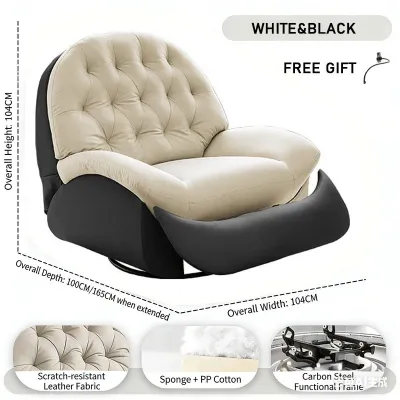
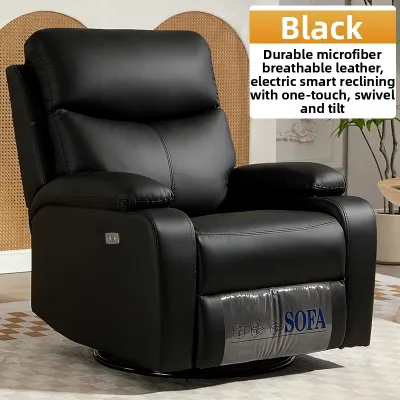
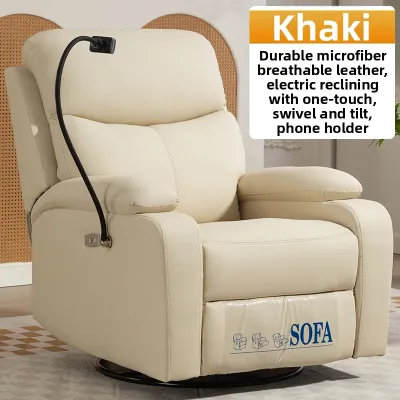
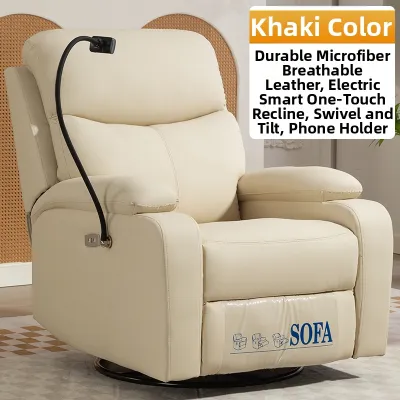
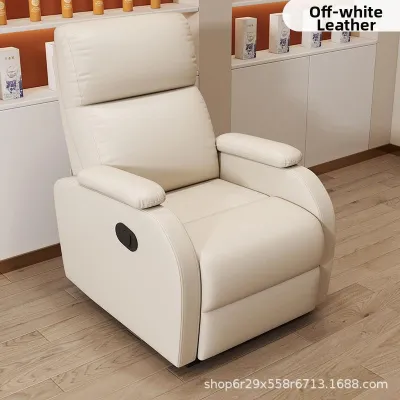
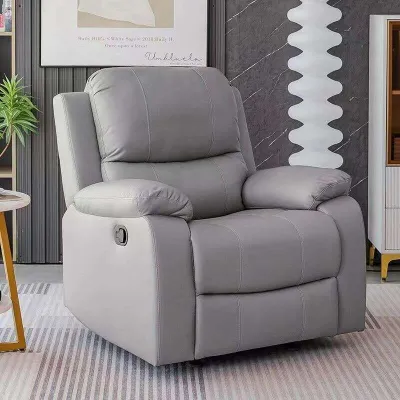
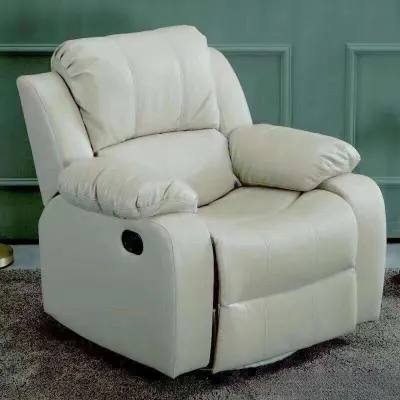
Prices are valid at publication and may change. Please refer to the product page for the latest price.
Beyond the track shape, the dimensions and movement of the rollers determine the precision of the massage. Look for specifications detailing whether the rollers operate on a two-dimensional (2D), three-dimensional (3D), or four-dimensional (4D) system. A 2D system moves vertically and horizontally, while 3D and 4D systems allow the rollers to protrude forward and adjust their speed dynamically to mimic human hands. You should check the product manual to confirm if the roller depth can be adjusted manually, which is essential for tailoring the intensity to different family members.
Airbags complement the mechanical rollers by providing compression massage to areas like the shoulders, arms, calves, and feet. Rather than simply looking at the total number of airbags, check the product specifications for the number of independent air pumps and valves, which dictate how precisely the compression can be controlled. A high-quality system allows you to adjust the intensity of specific zones independently, preventing uncomfortable pressure on sensitive areas.
Finally, examine the recline capabilities, particularly the zero-gravity positioning limits. True zero-gravity positioning elevates the knees slightly above the heart to distribute body weight evenly and reduce spinal pressure. Because manufacturers use different definitions for this feature, verify the maximum angle of recline on the official specification sheet. Ensure the mechanism operates smoothly without jerky movements, which can disrupt relaxation and strain the internal motors.
Assessing Space, Dimensions, and Delivery Constraints
Integrating a massager sofa into a Singapore home requires careful spatial planning, as these appliances are significantly heavier and bulkier than standard armchairs. Begin by measuring the exact floor area where the sofa will sit, keeping in mind that the footprint changes dramatically when the chair is fully reclined. You must calculate the total length of the sofa in its fully extended state and compare this to your available floor space, leaving at least 50 centimeters of walking clearance around the perimeter.

Many modern massage sofas feature a wall-hugging mechanism that slides the chair forward as it reclines, minimizing the clearance needed behind the backrest. However, you should never assume a model has this feature without verifying the exact wall-clearance requirement in the installation manual. Some models require as little as 5 to 10 centimeters of clearance from the wall, while others may need up to 50 centimeters, which can severely limit placement options in smaller living rooms.
Delivery logistics present another critical hurdle that must be cleared before finalizing a purchase. Measure the width and height of all doorways, hallway corners, stairwells, and elevator doors along the delivery path to ensure the boxed unit can pass through. If the dimensions are tight, check the manufacturer’s documentation to see if the side panels or armrests can be temporarily dismantled for delivery, and confirm whether the delivery team charges additional fees for manual lifting up stairs or on-site disassembly.
Additionally, consider the structural and electrical requirements of the installation site. Massage sofas are heavy, often weighing between 80 and 150 kilograms, so verify that your flooring can support this concentrated load without indentation, especially if you have soft vinyl or engineered wood floors. The sofa must also be positioned close to a dedicated power outlet to avoid the safety hazards associated with running long extension cords across high-traffic areas. Ensure the power cord length specified in the manual is sufficient to reach your outlet safely.
Evaluating Price, Warranty, and Long-Term Value
When comparing the financial aspect of different massage sofas, look beyond the initial retail price to assess the total cost of ownership over the product’s lifespan. A lower upfront price can quickly be offset by high maintenance costs, limited warranty coverage, or expensive replacement parts. To evaluate true value, carefully compare the warranty structures of different brands, paying close attention to the specific coverage periods for the motor, electronic components, frame, and upholstery.
Warranties are often tiered, with some brands offering comprehensive coverage for the first year and limited parts-only coverage for subsequent years. It is crucial to verify whether on-site labor and transport costs are included in the warranty, as transporting a heavy massage sofa to a service center can incur substantial fees. Always read the fine print to identify exclusions, particularly regarding wear and tear on the synthetic leather upholstery, which is often subjected to friction and sweat.
Be vigilant about potential hidden costs that may not be included in the advertised retail price. Ask the retailer to clarify if delivery, installation, and assembly fees are included, or if these are charged as separate line items. If you are replacing an existing sofa, inquire about disposal services for your old furniture, as disposing of large items in Singapore apartments often requires professional coordination or town council arrangements that may carry extra charges.
Finally, confirm the long-term viability of the brand’s local support infrastructure. A reputable brand should have an established local service center in Singapore with readily available replacement parts and trained technicians. Inquire about their standard response times for service requests and whether they guarantee the availability of spare parts for a specific number of years after a model is discontinued, ensuring your investment remains functional for years to come.
How to Test and Verify Before You Buy
An in-store trial is the most reliable way to verify if a massage sofa suits your body shape, but you must approach the test systematically rather than simply enjoying the sensation. When testing a model, spend at least 15 to 20 minutes running through a complete automated program to experience the full range of motion. Pay close attention to how the rollers interact with your spine, checking for any painful pressure points, particularly around the neck, lower back, and shoulder blades.
During the trial, actively listen to the mechanical noise levels of the motors, air pumps, and rollers. A noisy mechanism can be highly distracting and may indicate lower-quality internal components or poor insulation. If the sofa includes a heating function, test it to ensure the warmth is gentle and evenly distributed, rather than concentrated in a single hot spot that could cause discomfort during extended use.
Do not rely solely on the salesperson’s verbal explanations; cross-reference their claims with the official manufacturer manuals and product specification sheets. Verify details such as the maximum weight capacity, power consumption, and the exact number of pre-programmed massage modes. If a specific feature is highly important to you, such as Bluetooth speakers or USB charging ports, test them personally during your visit to confirm their functionality and ease of use.
Lastly, clarify the retailer’s return policies and trial terms before making a commitment. Because a massage sofa is a major purchase, understand what recourse you have if the chair proves uncomfortable after a few days of use at home. Check if the brand offers a home trial period, and read the terms carefully to identify any restocking fees, return shipping charges, or conditions regarding the preservation of the original packaging.
Frequently Asked Questions (FAQ)
Can a massage sofa be used as a regular daily sofa?
While a massage sofa can serve as occasional seating, it is generally not designed to replace a standard daily sofa for long periods of lounging. The internal mechanical rollers, airbags, and rigid frame structures can make the seating surface firmer and less forgiving than traditional foam or pocket-spring cushions. Prolonged daily use as primary seating can also accelerate wear on the synthetic leather upholstery and put unnecessary pressure on the internal mechanisms, potentially leading to premature structural degradation. For optimal comfort and longevity, it is advisable to use the massage sofa primarily for its intended therapeutic purposes.
What maintenance is required to keep the upholstery in good condition?
To maintain the upholstery of your massage sofa, always consult the manufacturer’s care label for specific cleaning instructions. Because Singapore’s tropical climate features high humidity, synthetic leather can degrade or peel over time if sweat and body oils are left on the surface. Wipe down the upholstery regularly with a soft, dry microfiber cloth, and avoid using harsh chemical cleaners, alcohol-based wipes, or excessive water, which can strip the protective coating. Additionally, position the sofa away from direct sunlight and maintain a well-ventilated room environment to prevent moisture buildup and material cracking.

Community discussion
Share your experience or ask a question. Comments are reviewed before publication.