
Finding the right living room table in Singapore involves balancing aesthetic appeal with practical functionality. The ideal balance of quality, style, and value depends heavily on your individual space constraints, design preferences, and budget. While mass-market brands suit tight budgets and modular needs, boutique design brands offer distinct aesthetics, and custom makers provide exact sizing for unique layouts. Before making a final decision, it is essential to verify current S$ pricing, stock availability, and delivery terms directly with retailers, as these factors can vary based on seasonal promotions and shipping schedules.
How to Evaluate Living Room Table Quality and Style
Evaluating a living room table requires looking beyond attractive product photography and material names. To assess structural integrity, examine the joinery types used in construction. High-quality tables often feature mortise-and-tenon joints, dowels, or metal-on-metal connections, which provide greater stability than simple glue and wood screws. Base stability and weight distribution are equally critical; a table with a heavy stone or glass top must have a robust, well-engineered base to prevent tipping, especially if placed on thick carpeting or uneven flooring.
Surface treatments dictate how well a table withstands daily use. Review manufacturer labels and product specifications to identify the finish applied to the tabletop. Polyurethane and lacquer finishes offer strong resistance to moisture and minor scratches, making them suitable for busy households. Conversely, oiled or waxed wood surfaces require regular maintenance and are more susceptible to water rings from cups. In Singapore’s humid climate, it is also important to check the quality of veneer edge banding, as poorly applied edges can peel over time when exposed to moisture.
Products mentioned in this guide
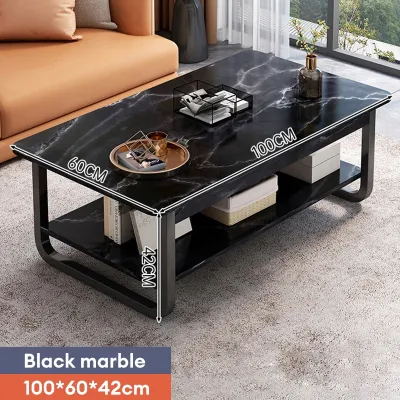
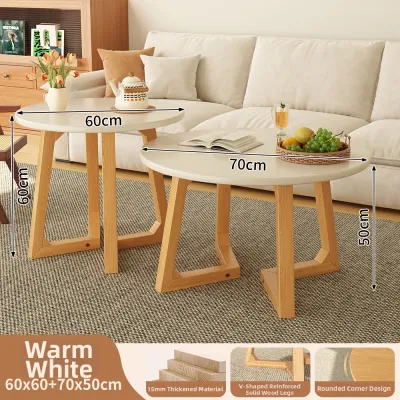
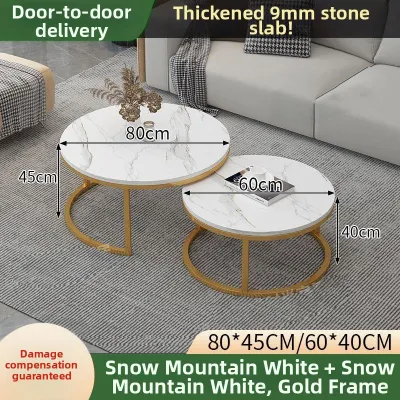
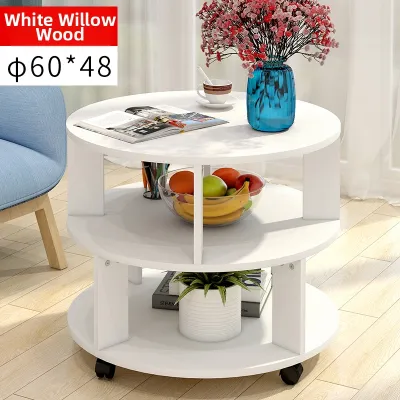
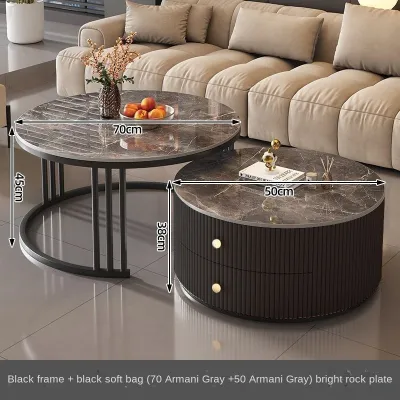
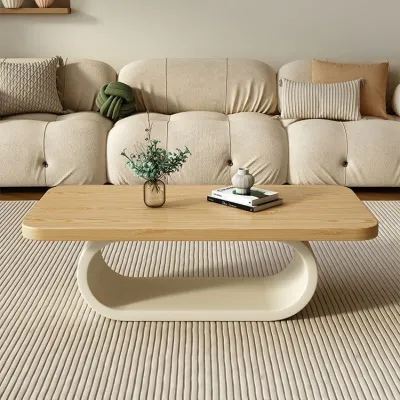
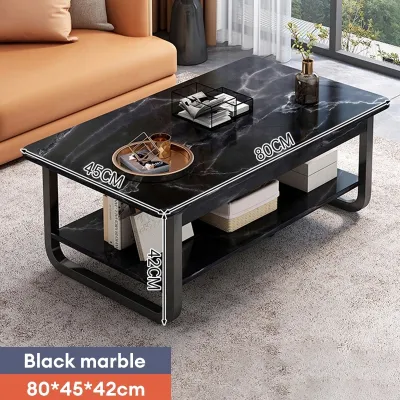
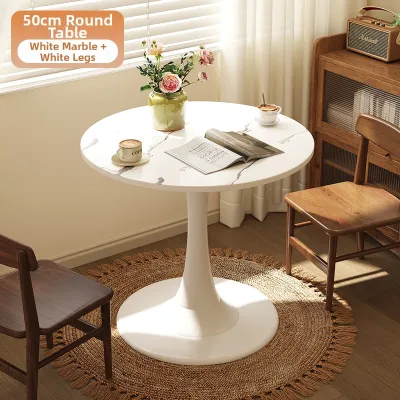
Prices are valid at publication and may change. Please refer to the product page for the latest price.
Design cohesion involves assessing how the table’s leg profiles, edge finishing, and overall proportions align with your existing furniture. Leg profiles—whether tapered, block, or hairpin—should complement the style of your sofa. Edge finishes, such as beveled or rounded edges, affect both the visual weight of the table and its safety in tight spaces. Finally, check the table’s height relative to your seating; a well-proportioned living room table typically sits within 2 to 5 centimeters of your sofa’s seat cushion height to ensure comfortable access.
Comparing Brand Categories Available in Singapore
The Singapore furniture market features three primary retail channels: global flat-pack retailers, local boutique design showrooms, and custom woodworking studios. Each channel caters to different priorities, offering distinct trade-offs in assembly requirements, design uniqueness, and lead times. Understanding these distinctions helps you narrow down your search based on whether you prioritize immediate convenience, curated aesthetics, or bespoke craftsmanship.

When comparing these channels, pay close attention to warranties, return policies, and after-sales support. Global retailers typically offer standardized, structured warranties but may have strict return windows. Boutique showrooms often provide more personalized customer service and structural warranties, though coverage for wear and tear may be limited. Custom makers generally operate on individual agreements, making it crucial to clarify how they handle issues like wood warping or joint loosening before finalizing your order.
Global Flat-Pack and Mass-Market Brands
Global flat-pack and mass-market brands are highly favored for their immediate availability and standardized sizing. Because these products are manufactured at scale, you can easily find dimensions that fit standard room layouts and match other modular furniture pieces within the same product line. This predictability makes planning your living room layout straightforward, especially if you need to furnish a space quickly.
However, these brands often come with limitations in material longevity and design uniqueness. Mass-market tables frequently utilize engineered wood, such as particleboard or medium-density fiberboard (MDF) with thin laminate veneers, which may not hold up as well under heavy daily use or high humidity compared to solid wood. Additionally, self-assembly is typically required, and while this keeps initial costs low, opting for professional assembly or home delivery will usually incur extra fees that you must factor into your total budget.
Local and Regional Boutique Design Brands
Local and regional boutique design brands focus on curated collections that showcase distinct design languages, from mid-century modern to minimalist contemporary styles. These brands often source materials carefully, offering high-quality wood veneers, solid timber, or alternative tabletop surfaces like sintered stone and terrazzo. Purchasing from a boutique showroom usually includes professional delivery and assembly, ensuring the piece is set up correctly in your home.
The trade-offs for these curated designs include higher price points and limited customization options. While you may be able to choose from a few pre-selected finishes or sizes, you generally cannot alter the fundamental design of the table. Furthermore, because many boutique brands import their stock in batches, you may encounter potential wait times of several weeks or months if your preferred design or finish is currently out of stock.
Custom and Artisan Woodworkers
Commissioning a living room table from a custom or artisan woodworker allows you to dictate the exact dimensions, specific wood species, and unique joinery methods used in construction. This option is highly beneficial if you have an unconventional living room layout, a specific architectural feature to work around, or a desire for a highly specific aesthetic, such as a live-edge solid wood slab. Custom makers work closely with you to select finishes that match your maintenance preferences and lifestyle.
This level of personalization comes with a premium cost and extended lead times. Custom fabrication is a labor-intensive process that can take anywhere from several weeks to a few months to complete. To ensure the final product aligns with your expectations, you must maintain clear communication regarding design details, wood grain preferences, and structural expectations, as custom-made items are typically non-refundable once production begins.
Matching Brand Types to Your Space and Budget
To select the right brand category, consider a practical decision framework based on your budget, timeline, and space constraints. Choose global flat-pack brands if you are working with a modest budget, require a table immediately, or live in a temporary rental where furniture may not need to transition to a future home. These options provide functional, cost-effective solutions that serve immediate needs without a significant financial commitment.
Choose local boutique design brands if you have a moderate-to-high budget, want a cohesive designer look that stands out, and prefer a seamless purchase experience that includes professional delivery and assembly. This category is well-suited for homeowners looking to invest in long-term pieces that elevate the overall aesthetic of their living space without the complexity of commissioning a custom build.
Choose custom woodworkers if you have a highly specific, non-standard space constraint, want a unique heirloom piece made from specific materials, and have both the budget and patience to wait for a bespoke creation. If neither standard retail nor custom options fit your needs, alternative solutions like vintage furniture markets or second-hand platforms can offer unique, pre-loved pieces that provide character and solid construction at a variety of price points.
Regardless of the brand category you choose, always verify delivery logistics relative to Singaporean housing constraints. Many HDB flats and condominiums have strict lift size limitations, narrow corridors, and tight entryway turns. Before finalizing any purchase—especially large, heavy, or non-disassembled custom pieces—measure your doorways, stairwells, and elevator dimensions to ensure the table can be safely transported into your home without incurring unexpected delivery complications or manual carrying fees.
What to Verify Before Finalizing Your Purchase
Before making your purchase, measure your available floor space carefully to ensure adequate walkway clearance. A practical guideline is to maintain at least 60 centimeters of space between the edge of the living room table and your sofa, as well as between the table and your TV console or adjacent walls. This clearance allows for comfortable movement and prevents the living room from feeling cramped or difficult to navigate.
Next, confirm all delivery logistics with the retailer to avoid unexpected costs. Inquire whether the purchase price includes delivery and assembly, or if these services require additional fees. If you are replacing an existing table, check if the retailer offers disposal services for old furniture and whether this service must be booked in advance. Additionally, verify if there are specific delivery scheduling constraints, such as restricted delivery hours in certain condominium developments.
Finally, review the manufacturer’s care instructions to ensure the table’s surface treatment aligns with your household’s lifestyle. If your household includes young children or frequent guests, a table with a highly durable, low-maintenance surface like sintered stone, tempered glass, or sealed laminate may be more practical than a delicate, unsealed solid wood table that requires immediate cleanup of spills and regular oiling. Matching the table’s maintenance needs to your daily habits ensures the piece remains in good condition for years to come.
Frequently Asked Questions (FAQ)
How much should I expect to spend on a quality living room table?
Budgets for a living room table in Singapore generally fall into three tiers. Entry-level options, typically made of engineered wood or metal frames from mass-market retailers, generally cost under S$150. Mid-tier tables, which offer better material finishes, solid wood components, or unique designs from boutique showrooms, usually range from S$150 to S$600. Investment-grade pieces, including custom artisan woodwork, imported designer brands, or premium materials like marble and solid hardwood, typically start above S$600. To establish a realistic baseline for your preferred style, compare multiple online stores and physical showrooms across Singapore.
Do I need to assemble flat-pack tables myself?
Self-assembly is the standard expectation for most flat-pack and mass-market purchases, which helps keep the initial purchase price lower. However, most retailers offer professional assembly services for an additional fee, which can be added during the checkout process. If you choose to assemble the table yourself, always check the product specifications beforehand to identify the required tools, as some packages may require screwdrivers, hammers, or drills that are not included in the box. Reviewing the estimated assembly time and complexity can help you decide whether to pay for professional installation.

Community discussion
Share your experience or ask a question. Comments are reviewed before publication.