
Selecting a leather sofa set 2 3 seater configuration for your home in Singapore is a significant investment that defines the comfort and aesthetic of your living room. A 2+3 seater set—comprising one two-seater sofa and one three-seater sofa—offers a classic, balanced layout that provides ample seating for family and guests. However, finding the right brand requires looking beyond showroom aesthetics to evaluate structural integrity, leather quality, and spatial compatibility.
Because Singaporean homes, from cozy HDB flats to spacious condominiums, vary widely in layout and access routes, there is no single brand that suits every household. The ideal choice depends on how well a manufacturer’s offerings align with your specific spatial constraints, budget, and durability expectations. By focusing on verifiable material specifications and precise measurements, you can confidently navigate the market to find a set that stands the test of time.
Assessing Your Living Room for a 2+3 Seater Layout
Before comparing different sofa brands, you must determine whether a 2+3 seater configuration is physically and visually compatible with your living room. This layout requires two separate pieces of furniture, which demands more floor space and strategic placement than a single sectional or a standalone three-seater. Begin by mapping out the exact footprint of both sofas using masking tape on your living room floor to visualize how they will occupy the space.
Products mentioned in this guide
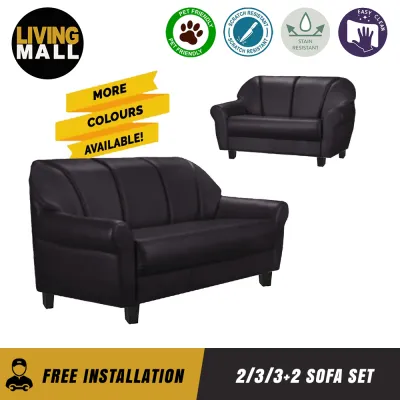
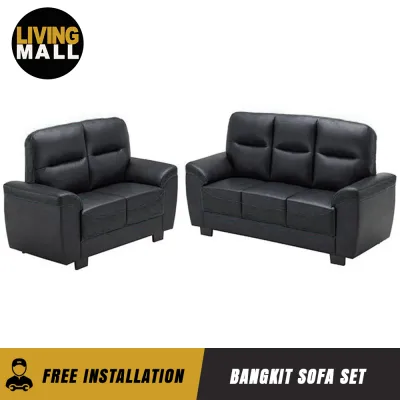
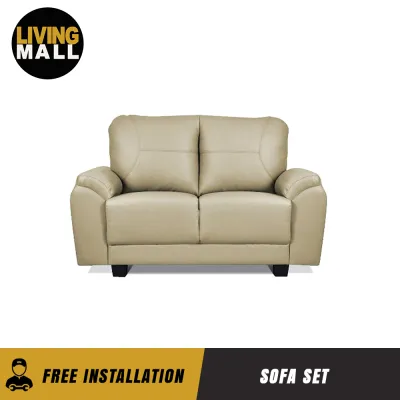
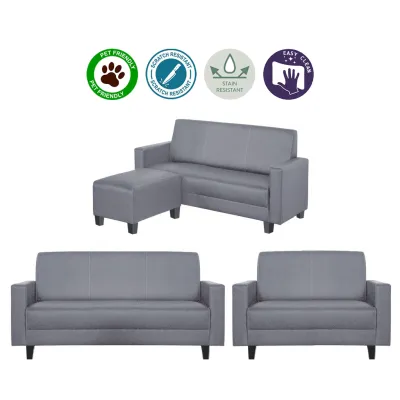
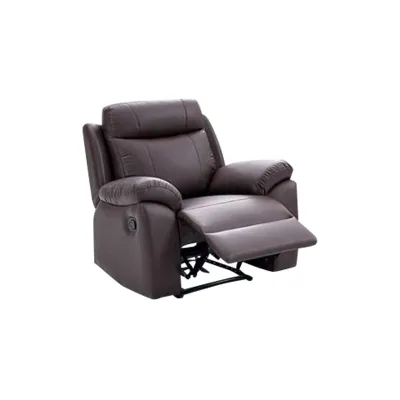
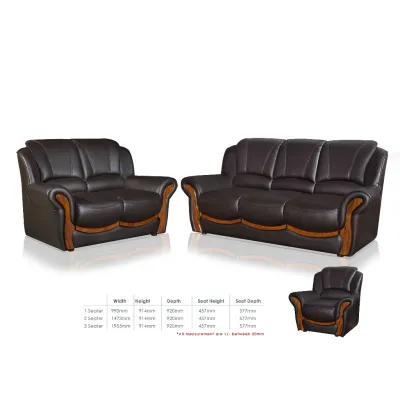
Prices are valid at publication and may change. Please refer to the product page for the latest price.
In Singapore, navigating tight entryways, narrow corridors, and passenger lifts is a critical step in the purchasing process. You must measure the clearance heights and widths of your building’s lift doors, staircase turns, and your home’s main entrance. Many premium leather sofas feature fixed frames that cannot be disassembled, meaning a mismatch of even a few centimeters can result in a failed delivery. Always request the finished packaging dimensions from the brand to compare against these access points.
Beyond physical entry, consider the traffic flow and visual weight within the room itself. A standard 2+3 layout typically requires at least 45 to 60 centimeters of walking clearance between the sofas and other furniture pieces, such as coffee tables or television consoles. If your living room has a narrow layout, placing two substantial leather sofas perpendicular to each other might block natural pathways or make the space feel cramped.
To mitigate this, evaluate whether a brand offers modular configurations or slim-profile designs. Some manufacturers design their 2+3 sets with narrow armrests and raised legs, which allow light to pass underneath and create an illusion of spaciousness. If your floor plan is highly dynamic, look for brands that allow you to purchase the two-seater and three-seater as independent modular units, giving you the flexibility to rearrange them as your living needs evolve.
Core Criteria for Comparing Leather Sofa Brands
When evaluating different furniture brands in Singapore, it is easy to get distracted by marketing terms like “premium,” “luxury,” or “italian-inspired.” To make an objective comparison, you must establish a standardized set of criteria based on physical construction, material grades, and post-purchase support. Comparing brands across these concrete metrics ensures you pay for actual material quality rather than brand prestige.

Evaluating Leather Grades and Frame Construction
The longevity of your sofa set 2 3 seater depends heavily on the grade of leather used and the engineering of the internal frame. Genuine leather is categorized into distinct grades, and reputable brands should clearly state which grade is applied to every surface of the sofa. Full-grain leather, which retains the natural hide’s outermost layer, offers the highest durability and develops a unique patina over time, though it requires consistent maintenance.
Top-grain leather is slightly more processed, having had its top layer sanded to remove imperfections, making it softer and highly resistant to daily wear. If a brand lists a product simply as “genuine leather,” verify whether it is bonded leather or split leather. Bonded leather consists of shredded leather scraps glued together with polyurethane; it is highly prone to peeling and cracking, especially in Singapore’s humid climate, and should generally be avoided for high-use living room furniture.
Equally important is the internal frame, which supports the weight of the users and maintains the sofa’s shape. Look for brands that specify the use of kiln-dried hardwood, such as birch, oak, or maple. Kiln-drying removes moisture from the wood, preventing it from warping, shrinking, or cracking when exposed to indoor humidity fluctuations. Avoid brands that rely heavily on cheap engineered woods or staples at critical joint connections; instead, look for frames reinforced with corner blocks, dowels, and heavy-duty screws.
Finally, inspect the suspension system and foam density, which dictate the sofa’s resistance to sagging. High-quality brands typically utilize pocketed spring systems or heavy-gauge sinuous springs paired with high-resilience polyurethane foam. The foam density should ideally be rated at 35 kg/m³ or higher for seat cushions to ensure they bounce back after prolonged sitting. If a brand cannot provide these technical specifications, it is a sign to proceed with caution.
Assessing Design, Comfort, and Ergonomics
A sofa set must be as comfortable to sit on as it is durable. Ergonomics vary significantly between brands, with some prioritizing deep, slouchy lounging profiles and others focusing on upright, supportive seating. When comparing sets, measure the seat depth, backrest height, and armrest width against the physical heights and seating preferences of your household members.
For instance, a seat depth of 55 to 60 centimeters is generally comfortable for upright sitting, whereas depths exceeding 65 centimeters are better suited for lounging or tucking your legs up. The backrest height must provide adequate lumbar and neck support, particularly if you plan to use the three-seater for watching television or reading for extended periods. Wide, padded armrests can double as comfortable headrests for lying down, but they also add to the overall footprint of the sofa, which might not be ideal for smaller rooms.
Cushion filling materials also play a major role in both comfort and ongoing maintenance. High-resilience foam offers a firm, supportive sit and requires virtually no fluffing, making it a practical choice for busy households. Feather or down blends provide a luxurious, sink-in feel but require regular plumping to maintain their shape and prevent a deflated appearance. Some brands offer hybrid cushions, featuring a supportive foam core wrapped in a layer of feathers or fiberfill, combining the benefits of both materials.
Aesthetic details should also be consistent across both the two-seater and three-seater units. Inspect the stitching quality along the seams; double-stitching or French seams indicate superior craftsmanship and prevent the leather from pulling apart under tension. Ensure that the leather dye and texture match perfectly between both pieces of the set, and check that the leg finishes—whether solid timber or powder-coated steel—are sturdy and visually cohesive.
Analyzing Value, Pricing, and Warranty Terms
Comparing the financial aspect of a 2+3 seater leather sofa set involves looking beyond the initial price tag. In Singapore, the base price of a sofa set can range from under S$1,500 for entry-level options to well over S$8,000 for premium, full-grain leather imports. To determine the true value, you must calculate the total cost of ownership, which includes delivery fees, assembly charges, and potential disposal fees for your old furniture.
Some brands bundle these services into the purchase price, while others charge separate fees that can add hundreds of dollars to your final bill. Always ask for a detailed breakdown of delivery logistics, especially if your building requires manual carrying up staircases due to lift limitations. Additionally, inquire if the brand offers complimentary leather care kits or initial conditioning services to help preserve the leather during its first year of use.
Warranty terms are a direct reflection of a manufacturer’s confidence in their product. A robust warranty should offer separate coverage periods for different components of the sofa. For example, a reliable brand might offer a 10-year warranty on the structural frame, a 2-to-5-year warranty on the suspension and foam, and a 1-to-2-year warranty against manufacturing defects in the leather upholstery. Be wary of vague warranties that claim “lifetime coverage” without specifying what parts are actually protected.
Read the fine print to identify exclusions, such as damage caused by direct sunlight, pet scratches, or the use of unapproved cleaning agents. Some brands require you to purchase their proprietary leather conditioning kits to keep the warranty valid. Understanding these conditions beforehand prevents unexpected expenses and ensures your investment remains protected against premature wear or structural failure.
Building and Filtering Your Brand Shortlist
With numerous furniture retailers operating in Singapore, creating a structured shortlist is essential to avoid decision fatigue. Start by filtering brands based on your non-negotiable requirements, such as a maximum budget, specific dimensional limits, or a preference for top-grain leather. This initial filter will quickly eliminate brands that do not align with your household’s basic needs.
Once you have a list of three to five candidate brands, visit their physical showrooms to request material swatches. Physical swatches allow you to feel the thickness, pliability, and texture of the leather under natural light, which is often vastly different from online product renders. Scratch the swatch gently with a fingernail to see how easily it marks, and stretch it slightly to observe how the color behaves under tension.
Next, cross-reference customer reviews across independent platforms, focusing specifically on feedback regarding long-term durability. Look for reviews written by customers who have owned the sofa for twelve months or longer. Pay close attention to comments about leather peeling, frame squeaking, or cushion sagging, as these issues rarely present themselves during the initial delivery phase. Avoid relying solely on five-star ratings that only praise the delivery speed or showroom customer service.
Decision Framework: Choosing the Right Brand for Your Needs
To make your final decision, apply a conditional framework based on your primary household priorities. If your absolute priority is long-term durability and you view the sofa set as a ten-year investment, prioritize brands that offer full-grain or high-grade top-grain leather paired with kiln-dried hardwood frames and pocketed spring suspension. While these sets require a higher upfront investment, their cost-per-year of use is often lower than cheaper alternatives.
If your living situation is dynamic—such as renting or planning to move to a new home in the near future—choose brands that offer modular 2+3 configurations. Modular pieces are significantly easier to transport, fit into various room layouts, and allow you to add or subtract seating modules as your space changes. In this scenario, prioritize brands with lightweight yet sturdy frames and versatile color options that match different interior styles.
Before making any payment, verify that the brand provides clear, written warranty documentation and has an accessible local customer service team in Singapore. A brand with a local presence and dedicated service technicians can quickly resolve issues like loose stitching or mechanical adjustments without requiring you to ship the furniture overseas.
If a brand cannot provide transparent information regarding their leather sourcing, frame materials, or warranty terms, it is best to remove them from your list. A lack of transparency often indicates the use of low-grade materials like bonded leather or weak engineered wood frames, which are highly likely to fail within a few years of daily use.
Frequently Asked Questions (FAQ)
Is a 2+3 seater leather sofa set better than a large L-shaped sectional?
A 2+3 seater leather sofa set offers greater layout flexibility and a more formal aesthetic compared to a single L-shaped sectional. With a 2+3 set, you can position the two-seater and three-seater opposite each other, perpendicular, or even in separate rooms, making it easier to adapt to different floor plans. Sectionals, on the other hand, have a fixed left- or right-facing chaise that dictates the entire room’s layout. In standard HDB or condominium living rooms, a 2+3 set can also distribute the visual weight more evenly, preventing one corner of the room from looking excessively heavy.
How can I verify if the leather used by a brand is genuine?
You can verify leather authenticity by performing a few simple checks on physical swatches or floor models. Genuine leather has a distinct, earthy smell and a unique pore pattern that is slightly irregular, whereas synthetic leather smells of plastic and features a perfectly repetitive texture. If permitted, place a tiny drop of water on an inconspicuous area of the swatch; genuine leather is porous and will slowly absorb the moisture, causing it to darken slightly, while water will simply bead up and slide off synthetic alternatives. Finally, always ask the retailer for the manufacturer’s material specification sheet to confirm the exact leather grade.

Community discussion
Share your experience or ask a question. Comments are reviewed before publication.