
Finding a leather sofa that remains comfortable over long hours of sitting requires looking beyond brand names and marketing buzzwords. While many premium furniture makers advertise their collections as the ultimate in comfy furniture, true, lasting comfort is a science of construction, materials, and ergonomics. When you sit for hours—whether watching a movie, reading, or working from home—your body relies on a delicate balance of support and pressure relief. A sofa that feels incredibly soft for the first five minutes can easily cause backaches or joint stiffness after an hour if it lacks proper structural support.
Investing in a high-quality leather sofa, which often ranges from S$1,500 to over S$5,000, requires careful consideration of its internal components. To find a piece that truly supports extended sitting, you must evaluate how the frame, suspension, and cushioning work together to hold weight and respond to your body over time. This guide breaks down the essential elements of sofa construction, from frame stability and suspension systems to cushion density and leather grades. By understanding these technical details, you can confidently compare different furniture makers and select a sofa that offers genuine, long-term comfort tailored to your physical needs and lounging habits.
What Makes a Leather Sofa Comfortable for Long Hours?
The core of any comfortable sofa lies in its cushion composition. High-resilience polyurethane foam is the industry standard for supportive seating. Unlike standard foam, high-resilience foam has an irregular cell structure that provides a springy, responsive feel, allowing it to support weight without bottoming out. For those who prefer a softer, more enveloping feel, down-feather blends offer a luxurious, sink-in sensation. However, pure down cushions lack structural memory and require frequent fluffing to maintain their shape. A hybrid cushion—featuring a high-resilience foam core wrapped in a down or polyester fiber envelope—often provides the ideal compromise, offering immediate surface plushness backed by deep structural support.
Products mentioned in this guide
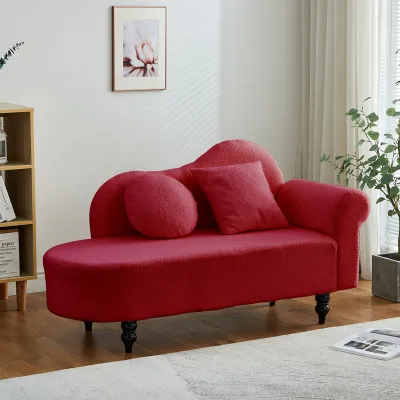
Prices are valid at publication and may change. Please refer to the product page for the latest price.
What lies beneath the cushions is just as critical as the fill itself. The suspension system acts as the shock absorber for the sofa, distributing your body weight evenly across the frame. Sinuous springs, which are S-shaped steel wires stretched horizontally across the frame, offer a firm yet resilient feel. They are highly durable and allow for sleek, low-profile sofa designs. Eight-way hand-tied spring systems represent a traditional, highly supportive construction method where steel coil springs are manually secured to the frame and each other in eight directions. This system provides exceptional, multi-directional support that prevents localized sagging and minimizes pressure points during long sits. Pocketed coils, similar to those found in high-end mattresses, are also increasingly used within seat cushions to provide individualized contouring and motion isolation.
The physical dimensions and angles of a sofa dictate your sitting posture. Seat depth is a crucial factor; if a seat is too deep, your knees will not bend comfortably over the edge, forcing you to slouch forward and strain your lower back. Conversely, a seat that is too shallow fails to support your thighs, placing excess pressure on your hip joints. The backrest angle should offer a gentle recline—typically between 100 and 110 degrees—to distribute upper body weight away from the spine. Armrest height should allow your shoulders to remain relaxed while supporting your elbows, preventing neck tension during extended use.
How to Test and Evaluate Sofa Ergonomics Before You Buy
The type of leather covering your sofa directly impacts your comfort, particularly during long sitting sessions. Top-grain leather, which utilizes the strong outer layer of the hide, is highly recommended for extended use. Because it retains the natural pores of the animal skin, top-grain leather is highly breathable, allowing heat and moisture to dissipate. This is especially important in warm, humid environments like Singapore, where non-breathable materials can quickly feel sticky and uncomfortably warm. Corrected-grain leather, which has been sanded down to remove imperfections and coated with a thick protective finish, is easier to clean but lacks the natural breathability of top-grain options, often leading to a hotter sitting experience.

When visiting a furniture showroom, you can perform a simple physical test to evaluate the quality of the cushion foam. Sit firmly on the sofa for several minutes, then stand up and observe how quickly the cushion returns to its original shape. High-quality, high-density foam should rebound almost instantly. If the cushion remains indented or feels slow to recover, it likely contains lower-density foam that will compress permanently over time, leading to a loss of support. Additionally, pay attention to whether you can feel the hard frame of the sofa beneath the cushion when you sit down; if you do, the cushion is too thin or too soft to support long-term sitting.
Modern leather sofas often incorporate adjustable elements to enhance customized ergonomics. Look for models with adjustable headrests that can be tilted forward to support your neck while reading or watching television, or folded down for a cleaner aesthetic. Reclining mechanisms, whether manual or motorized, allow you to shift your weight off your lower spine and onto a larger surface area, which can significantly reduce fatigue during long sits. Built-in lumbar support systems, which can be adjusted to fill the natural curve of your lower back, are also highly beneficial for maintaining proper spinal alignment.
Which Sofa Profile Fits Your Lounging Style?
If your primary goal is to find a sofa for reading, watching movies, or working for hours at a time, a high-back or reclining profile is often the most comfortable choice. High-back sofas extend upward to support the head, neck, and shoulders, reducing the muscular effort required to sit upright. Recliner sofas allow you to elevate your legs, which improves circulation and reduces pressure on your lower back. These profiles are highly suited for individuals who prioritize physical support and spinal alignment over casual, multi-person lounging.
Your physical height and preferred sitting posture should dictate the seat depth you choose. Standard seat depths are ideal for individuals who prefer to sit upright with their feet flat on the floor. This posture is excellent for active sitting, such as conversing or working on a laptop. Deep-seat designs are tailored for those who love to lounge, curl up, or sit cross-legged. However, shorter individuals may find deep seats uncomfortable without the addition of accent pillows to support their lower back.
When comparing sofa shapes, consider how the configuration affects your comfort and room layout. Modular leather sofas consist of individual sections that can be rearranged to create L-shapes, U-shapes, or extended chaise lounges. This flexibility is excellent for families or those who enjoy stretching out with plenty of legroom. However, modular sections can sometimes shift slightly during use, and the seams between modules may feel less consistent than a single, continuous seat. Fixed-frame sofas, such as classic three-seaters, offer superior structural rigidity and a uniform seating surface, making them a highly stable option for long-term comfort.
How to Choose the Right Leather Sofa for Your Needs
To make the best decision, you should match the sofa’s structural profile to your specific household needs and physical requirements. If you prioritize lumbar support for reading, studying, or working from home, choose a firm, high-back profile with high-resilience foam cushioning. This setup keeps your spine aligned and prevents the fatigue associated with slouching. If your primary use is casual lounging, napping, or accommodating multiple family members, opt for a deep, plush modular profile with a hybrid foam-and-fiber fill. This configuration provides a relaxed, welcoming feel that encourages comfortable lounging in various positions.
Before finalizing any purchase, always verify the specific dimensions of your chosen sofa against your home’s entryways. Measure your doorway widths, hallway clearances, and lift dimensions to ensure the sofa can be safely delivered and placed in your living room. In Singapore’s high-rise apartments, lift access and tight corridor turns are common logistical challenges that must be planned for in advance. A sofa that cannot fit through your front door or lift will result in costly return fees and delivery delays.
Keep in mind that while high-quality commercial sofas offer excellent comfort, they may not be suitable if you require specialized orthopedic or medical-grade support. If you have chronic back pain or specific physical limitations, consult a healthcare professional or look for specialized ergonomic seating solutions rather than relying solely on standard residential furniture.
How to Maintain Your Leather Sofa's Comfort Over Time
A leather sofa is a significant investment, and maintaining its comfort requires regular care to preserve both the leather upholstery and the internal structure. Leather is a natural, porous material that can dry out, stiffen, and crack over time, especially when exposed to direct sunlight, heat sources, or constant air conditioning. To keep the leather soft and supple, apply a high-quality leather conditioner every six to twelve months. This preserves the surface comfort and prevents the leather from becoming taut and uncomfortable to sit on.
Over time, the constant pressure of sitting can cause internal components to shift. Periodically inspect the sofa’s frame and tighten any accessible screws or bolts. If your sofa has loose seat and back cushions, rotate and flip them regularly to ensure even wear and prevent localized sagging. For fixed-cushion models, gently massage and smooth the leather and underlying fill to redistribute the materials and maintain a consistent seating surface.
Always follow the manufacturer’s specific cleaning and maintenance guidelines, as different leather finishes require different care products. Avoid using harsh household detergents, solvents, or excessive water, which can damage the leather’s protective topcoat. For deep structural repairs, suspension adjustments, or professional leather restoration, always consult a qualified upholstery specialist to avoid causing irreversible damage to your furniture.
Frequently Asked Questions (FAQ)
Is Genuine Leather More Comfortable Than Faux Leather for Long Sits?
Yes, genuine leather—specifically top-grain leather—is generally much more comfortable than faux leather for extended sitting. Genuine leather possesses natural pores that allow it to breathe, helping to regulate temperature by dissipating body heat and moisture. Faux leather, which is typically made from synthetic polymers like polyurethane or polyvinyl chloride, lacks these natural pores. As a result, synthetic leather tends to trap heat and moisture, which can make you feel hot, sweaty, and sticky during long sitting sessions, particularly in warm climates.
How Can You Test Cushion Durability in the Showroom?
To evaluate cushion durability in a showroom, perform a simple sit-and-stand test. Sit on the cushion for a few minutes, then stand up and observe how quickly the foam recovers its shape. High-quality, high-density foam will bounce back almost immediately, whereas lower-quality foam may leave a temporary indentation. Additionally, ask the retailer for the foam’s density rating; durable sofa cushions typically use foam with a density of 1.8 pounds per cubic foot (approximately 28 to 30 kilograms per cubic meter) or higher. You should also feel the weight of the cushion if it is removable; heavier cushions generally indicate a higher density and greater longevity.

Community discussion
Share your experience or ask a question. Comments are reviewed before publication.