
Finding the right leather foldable 3-seater sofa bed in Singapore requires balancing space-saving functionality with material resilience. In compact apartments, such as HDB flats and condominiums, a 3-seater sofa bed serves as a primary living room centerpiece by day and a comfortable guest bed by night. However, Singapore’s year-round high humidity and warm temperatures present unique challenges for both leather upholstery and mechanical components. Choosing the wrong material can lead to peeling, cracking, or sticky seating, while a subpar folding mechanism can quickly become a safety hazard or fail under regular use.
To make an informed investment, you must evaluate how different leather types perform under local environmental conditions, inspect the engineering of the folding mechanisms, and carefully measure your living space. Rather than relying on generic brand promises, a systematic approach based on verifiable specifications, structural checks, and spatial planning will guide you to a model that fits your home perfectly. This guide outlines the essential criteria for comparing options across Singapore’s furniture market, helping you select a durable, comfortable, and climate-appropriate leather sofa bed.
Decoding Leather Upholstery for Singapore's Climate
The choice of leather upholstery directly dictates how well your sofa bed will age in Singapore’s tropical climate. High relative humidity accelerates the degradation of low-quality synthetic materials and can cause mold growth on poorly maintained genuine leather. Understanding the structural differences between genuine top-grain leather, split leather, and various synthetic alternatives is the first step in narrowing down your options.
Products mentioned in this guide
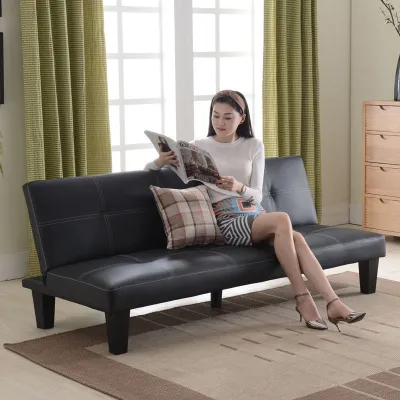
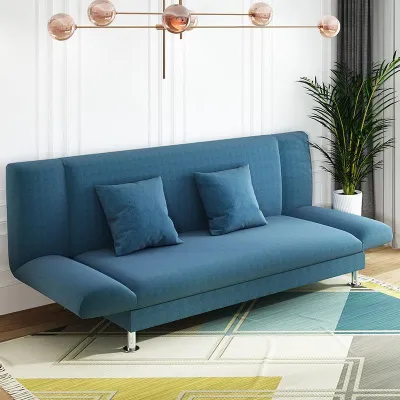
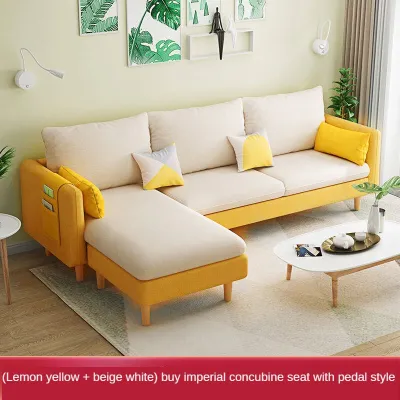
![[SG Seller] Fabric Sofa Bed 3 Seater Sofabed Fast Delivery From Singapore. Free Assembly. High Quality Sofas and Sofabeds. 1 Year Warranty. Fast Delivery from Singapore.](https://img.lazcdn.com/g/p/348901f321b96fa2ba1866c7a1619f40.jpg_400x400q80.jpg_.webp)
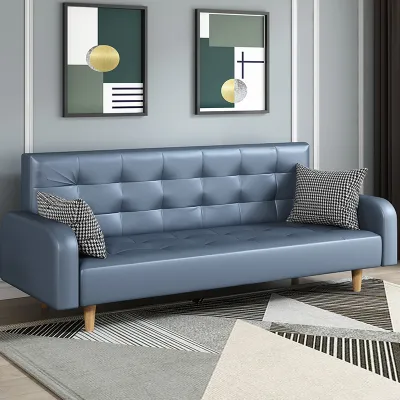
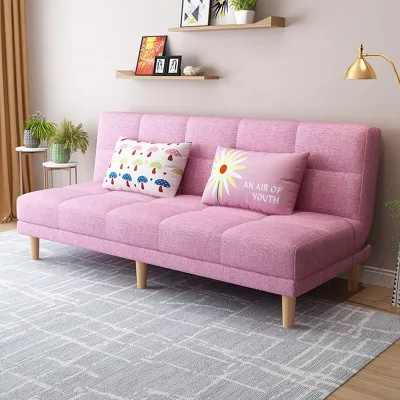
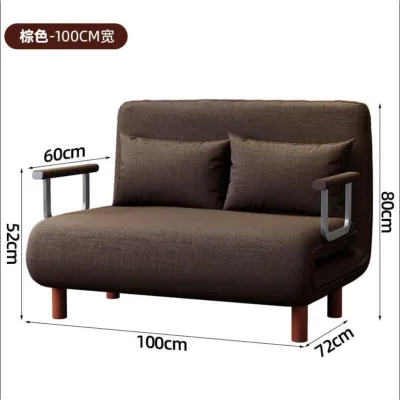
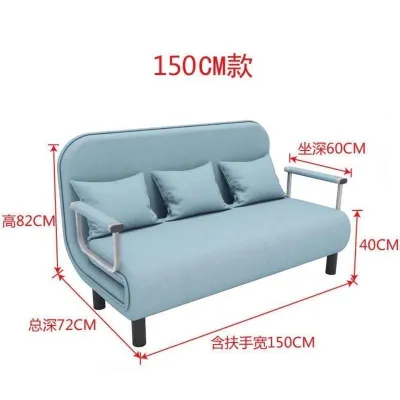
Prices are valid at publication and may change. Please refer to the product page for the latest price.
Genuine top-grain leather remains the gold standard for breathability and longevity. Because it retains the natural pore structure of the hide, it allows heat and moisture to dissipate, preventing the uncomfortable sticky sensation when sitting or sleeping during warm afternoons. Over time, top-grain leather develops a natural patina and remains highly resistant to peeling. However, it requires a higher initial investment and consistent maintenance to prevent the fibers from drying out or absorbing excess ambient moisture.
Faux leather options, such as Polyurethane (PU), Polyvinyl Chloride (PVC), and high-grade microfiber, offer a more budget-friendly alternative but behave differently under environmental stress. Standard PU and PVC are prone to hydrolysis—a chemical breakdown caused by moisture exposure—which leads to the characteristic cracking and peeling often seen in humid climates. Microfiber leather, which utilizes a high-density non-woven fabric base coated with polyurethane, offers superior durability and breathability compared to basic PU, making it a highly resilient synthetic choice for local homes.
To prevent mold, sticking, or cracking, establish a regular maintenance routine tailored to your chosen material. For genuine leather, wipe the surface weekly with a dry, soft microfiber cloth to remove dust and body oils, and apply a specialized leather conditioner every six months to maintain flexibility. For synthetic leathers, avoid harsh chemical cleaners that strip protective topcoats; instead, use a slightly damp cloth followed immediately by a dry towel to ensure no moisture pools in the seams or creases.
When shopping, always verify material claims by checking the product labels or requesting technical specifications from the manufacturer. Look for explicit terms like full aniline, semi-aniline, or corrected grain for genuine leather, and ask about the thickness of the hide, which should ideally be between 1.1 and 1.4 millimeters for optimal durability on high-contact surfaces. For synthetic options, confirm whether the material is rated as hydrolysis-resistant and check for protective surface treatments that guard against UV rays and moisture penetration.
Assessing the Foldable Mechanism and Frame Durability
A 3-seater sofa bed relies heavily on its internal hardware to transition smoothly between seating and sleeping configurations. Because these moving parts bear the brunt of daily physical stress, the engineering of the folding mechanism and the strength of the supporting frame are critical to the furniture’s lifespan and safety.

When testing different models, evaluate the operational smoothness of the mechanism. A high-quality system should allow a single person to deploy the bed with minimal physical exertion, utilizing balanced counterweights or gas springs to assist the movement. Inspect the locking security in both the sofa and bed positions to ensure the frame remains rigid and does not shift or collapse under uneven weight distribution. Pay close attention to potential pinch points along the hinges and folding arms, choosing designs that shield these areas to protect fingers, pets, and bedding from getting caught.
The three most common mechanism types found in Singapore showrooms are pull-out, click-clack, and futon-style frames. Pull-out mechanisms typically house a folded metal frame and a separate mattress inside the sofa base, offering a traditional bed feel but requiring more floor space to deploy. Click-clack systems operate by folding the backrest flat, providing a quick transition and a sleek profile, though they often require clearance behind the sofa to operate. Futon-style mechanisms slide forward to flatten, making them highly space-efficient but sometimes offering less edge support.
The durability of these mechanisms depends entirely on the underlying frame and joint construction. Look for frames constructed from kiln-dried hardwoods, such as birch or beech, or reinforced steel tubing, which resist warping in humid conditions. Avoid frames made primarily of low-grade particleboard or medium-density fibreboard (MDF), as these materials can swell and weaken when exposed to moisture, leading to loose joints and structural failure. Joints should be secured with heavy-duty bolts, dowels, and corner blocks rather than simple staples or glue.
Before finalizing your purchase, verify the manufacturer’s specified weight capacity limits, which should comfortably accommodate at least 200 to 250 kilograms for a 3-seater model. Additionally, scrutinize the warranty terms; a reliable brand should offer a dedicated warranty on the mechanical parts and frame—ideally spanning five to ten years—separate from the standard upholstery warranty, ensuring coverage for structural or mechanical failures.
Sizing and Space Planning for 3-Seater Models
Integrating a 3-seater sofa bed into a Singapore home requires meticulous spatial planning. Because these models have a larger footprint than standard sofas, you must account for both its folded dimensions and its fully extended sleeping configuration to avoid overcrowding your living area.
Begin by measuring the unfolding pathway and the required wall clearance. Some click-clack models require you to pull the entire sofa away from the wall before flattening the backrest, which can be highly inconvenient in tight spaces; look for zero-wall or wall-hugger designs if space is limited. Ensure there is at least 60 to 80 centimeters of unobstructed walking space around the fully deployed bed so that family members can move safely through the room at night without bumping into other furniture.
Do not overlook delivery access constraints, which are a common bottleneck in local high-rise residences. Measure the height, width, and diagonal clearance of your apartment’s main doorway, internal corridors, and elevator doors. Many 3-seater sofa beds are delivered as single, heavy units; verify if the model can be partially disassembled for transport or if the delivery team requires specific clearances to maneuver around tight stairwells and lift lobbies.
Ergonomic comfort must be balanced across both functions. For daytime seating, a comfortable seat depth ranges from 55 to 60 centimeters, with a backrest height that provides adequate lumbar and neck support. For nighttime sleeping, the mattress thickness is paramount; pull-out mechanisms usually accommodate mattresses between 10 and 13 centimeters thick, whereas click-clack models rely on the sofa’s integrated cushions, which can be firmer. Ensure the transition zones between the cushions do not create uncomfortable ridges or gaps along your spine.
Ultimately, choosing a 3-seater involves a spatial trade-off. While a wider seating footprint offers luxurious lounging for three adults, it also means a wider sleeping surface that may block access to balconies, television consoles, or dining areas when unfolded. Prioritize models that optimize this ratio, utilizing slim armrests to maximize seating and sleeping width without expanding the sofa’s overall external dimensions.
Condition-Based Brand Selection and Comparison Matrix
Selecting the right brand in Singapore depends on aligning your specific household needs with the manufacturer’s design strengths. Rather than searching for a single universal winner, use a conditional framework to match your usage patterns, aesthetic preferences, and budget to the appropriate brand profile.
If the sofa bed will serve as a daily sleeping solution—perhaps in a studio apartment or a multi-generational household—prioritize brands that specialize in heavy-duty, contract-grade mechanisms and high-density pocket-spring mattresses. These brands focus on mechanical endurance and structural integrity, ensuring the folding joints do not loosen under daily wear. For occasional guest use, you can shift your focus toward space-saving click-clack models from mass-market or Scandinavian-style retailers, which offer clean aesthetics and functional designs at a lower price point.
When living room aesthetics and long-term durability are your primary goals, look toward premium furniture galleries that offer top-grain Italian leather and custom tailoring. These brands allow you to select specific leather grades and colors, ensuring the sofa bed integrates seamlessly with your existing decor while offering the superior breathability of genuine hides. While these premium options require a larger upfront investment, their resistance to wear and timeless appearance often yield a lower cost-per-year of use.
Regardless of the brand category, always verify the availability of local after-sales support before purchasing. Confirm whether the retailer maintains a local warehouse with spare parts, offers professional on-site mechanism servicing, and provides a clear return or repair policy. A brand with a dedicated local service team in Singapore can quickly resolve mechanical alignment issues or upholstery damage, saving you from the costly and frustrating process of replacing the entire unit.
| User Priority | Ideal Brand Profile | Key Mechanism Type | Material Focus | Key Spec to Verify |
|---|---|---|---|---|
| Daily Sleeping | Heavy-duty specialist brands | Pull-out with independent mattress | High-density microfiber or top-grain leather | Weight capacity (>= 240kg) & frame warranty |
| Occasional Guests | Scandinavian or mass-market retailers | Click-clack or slide-out futon | Hydrolysis-resistant PU or fabric-look synthetic | Wall clearance requirement & folded depth |
| Premium Aesthetics | High-end European furniture galleries | Zero-wall premium folding systems | Full-grain or semi-aniline genuine leather | Leather origin certification & hide thickness |
| Compact Spaces | Space-saving modular brands | Slim-armrest pull-out or vertical fold | Breathable synthetic or split leather | Exact external width & delivery disassembly options |
Frequently Asked Questions (FAQ)
How can I prevent faux leather from peeling in a humid climate?
To prevent faux leather from peeling in Singapore’s humid climate, keep the material clean and dry to stop hydrolysis. Wipe down the sofa weekly with a dry microfiber cloth to remove sweat and body oils, which accelerate synthetic breakdown. Ensure your living room is well-ventilated by opening windows or using a dehumidifier to maintain indoor humidity levels below 60%. Avoid placing the sofa in direct sunlight, as UV rays weaken the polyurethane bonds. Never use alcohol-based cleaners or harsh detergents; instead, use specialized synthetic leather protectors that maintain the material’s flexibility.
What mattress thickness is ideal for a foldable 3-seater sofa bed?
The ideal mattress thickness for a foldable 3-seater sofa bed ranges between 10 and 13 centimeters. This thickness provides a balanced compromise: it is thin enough to fold neatly into the sofa’s internal frame without straining the mechanical hinges, yet thick enough to prevent sleepers from feeling the metal support bars underneath. If you select a model with a thinner mattress, ensure it utilizes high-density foam or pocket springs to maintain support. Always check the manufacturer’s specifications before attempting to upgrade or replace the mattress, as exceeding the recommended thickness can damage the folding mechanism.

Community discussion
Share your experience or ask a question. Comments are reviewed before publication.