
To find the ideal ergonomic chair for a home office, one must look beyond marketing buzzwords and brand prestige. The optimal seating solution is not a one-size-fits-all product; rather, it is a highly personalized piece of furniture that must match your specific body proportions, daily work habits, and home workspace constraints. When comparing leading ergonomic chair brands, the decision should be guided by verifiable technical specifications, material performance, and structural build quality rather than subjective aesthetic appeal. By understanding how to evaluate adjustability metrics, material longevity, and structural integrity, you can make an informed investment that supports your physical health over years of extended use.
Evaluating a chair requires a systematic approach. Instead of relying on generic comfort ratings, buyers should focus on measurable features such as the range of lumbar support movement, seat depth adjustability, and the structural materials used in the base and frame. Additionally, home environments introduce unique variables—such as limited floor space, varying floor surfaces, and tropical climates—that demand careful consideration of material breathability and caster compatibility. By establishing these baseline criteria, you can objectively compare different models and brands to find the configuration that best suits your daily routine.
Evaluating Adjustability for Extended Home Use
Adjustability is the foundation of ergonomic design, as it allows a chair to adapt to different body shapes and sitting postures throughout the day. When comparing brands, the first component to examine is the lumbar support system. Static lumbar supports or those with limited vertical travel often fail to provide adequate relief because they cannot be positioned precisely against the natural lordotic curve of your spine. Look for manufacturer specifications that detail the vertical adjustment range of the lumbar support, ideally allowing at least 50 to 80 millimeters of travel to target the lower back accurately. Some advanced models also offer depth adjustment, which controls how firmly the support presses against your spine, allowing you to customize the pressure based on your comfort preferences.
Products mentioned in this guide
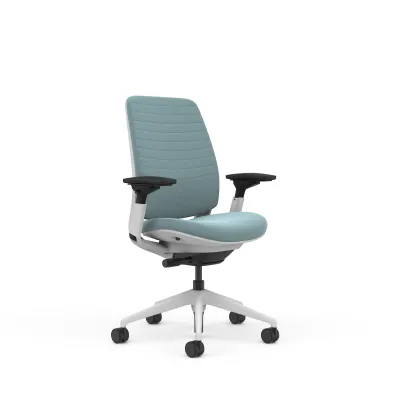
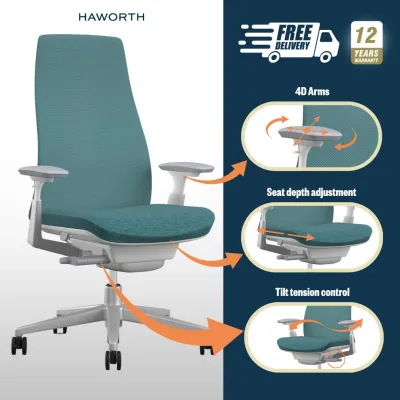
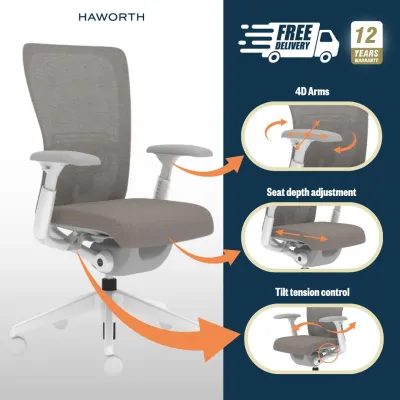
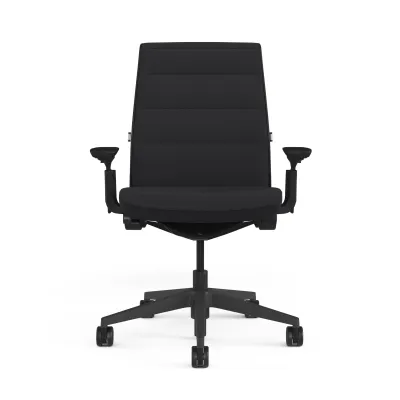
Prices are valid at publication and may change. Please refer to the product page for the latest price.
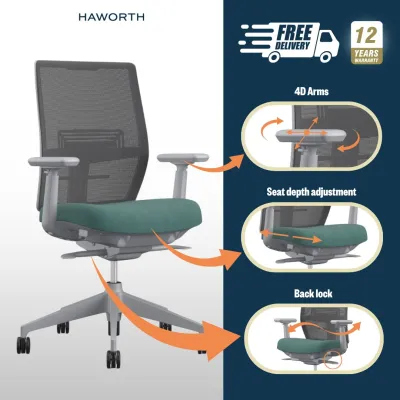
Seat depth adjustment, often controlled by a seat slider mechanism, is equally critical for maintaining healthy lower-body circulation during long work sessions. When you sit fully back in a chair, the seat pan should support your thighs without pressing against the back of your knees. A quality ergonomic chair should offer a seat depth adjustment range of at least 50 millimeters. This adjustment ensures that shorter users can sit back far enough to engage the lumbar support, while taller users receive adequate thigh support to distribute their body weight evenly across the seat cushion.
Armrest adjustability is another key area where leading brands differentiate themselves. Standard office chairs often feature fixed or height-only adjustable armrests, which can force your shoulders into a shrugged or slouched position. For optimal ergonomics, look for chairs with three-dimensional (3D) or four-dimensional (4D) armrests. These mechanisms allow you to adjust the height, depth, width, and pivot angle of the armpads. Proper alignment allows your elbows to rest comfortably at a 90-degree angle close to your torso, reducing strain on your trapezius muscles and neck while typing or using a mouse.
Assessing Build Quality and Material Longevity
While adjustability determines immediate comfort, build quality and material selection dictate how well a chair will perform over years of daily use. One of the most significant material debates centers on mesh versus foam seating surfaces. High-quality elastomeric mesh offers excellent breathability, making it highly suitable for warm home environments. However, the durability of mesh depends entirely on its weave and tension retention. Premium brands use proprietary elastomeric blends that retain their elasticity and shape over time, whereas lower-grade nylon mesh can stretch out, causing you to bottom out against the hard plastic frame.

If you prefer a traditional cushioned feel, foam density is the primary metric of longevity. High-density, cold-cured molded foam is the industry standard for durable seating. Unlike standard cut polyurethane foam, which contains large air pockets that collapse under consistent pressure, molded foam is compressed under high pressure during manufacturing. This process creates a dense, supportive cushion that distributes weight evenly and resists permanent sagging, ensuring the seat retains its ergonomic properties for years.
Beyond the seating surface, the structural frame and base materials are reliable indicators of overall build quality. Heavy-duty ergonomic chairs typically feature bases made of die-cast aluminum or reinforced fiberglass-nylon composites. Aluminum bases offer superior structural stability and a higher load capacity, though they add weight to the chair. You should also verify the class rating of the gas lift cylinder, which controls height adjustments. A Class 4 gas cylinder is the industry standard for durability, offering smoother operation and a higher weight rating than lower-class alternatives.
Finally, a manufacturer’s warranty is a strong proxy for their confidence in the chair’s build quality. When comparing brands, look closely at the warranty terms and exclusions. A comprehensive 10-to-12-year warranty is common among premium manufacturers, but you must check whether this coverage applies to all components. Some brands offer a long warranty on the steel frame but limit coverage on wear-and-tear parts, such as the mesh, foam, armpads, and gas cylinder, to only two or three years. Understanding these details helps you calculate the true long-term value of your purchase.
Decision Framework: Matching Chair Profiles to Your Needs
Choosing between different ergonomic chair designs requires matching their specific profiles to your physical needs, work habits, and home environment. If you work long hours in a warm room without continuous air conditioning, a highly adjustable mesh chair is often the practical choice. The open weave allows air to circulate freely, preventing heat and moisture buildup. However, ensure the mesh material is soft to the touch and does not cause abrasive wear on delicate clothing fabrics over time.
Conversely, if you tend to shift positions frequently, cross your legs, or prefer a plush, structured feel, a contoured foam chair may be more suitable. Foam cushions provide a more forgiving surface for dynamic sitting postures, whereas mesh chairs often feature rigid plastic outer frames that can feel restrictive if you sit outside the center of the seat pan. The trade-off is that foam retains more body heat, which may require a cooler room temperature for optimal comfort.
Before finalizing your choice, you must verify the physical compatibility of the chair with your existing home office setup. Measure the finished dimensions of your desk, focusing on the clearance height underneath the desktop. If a chair’s minimum seat height or armrest height is too high, you will not be able to slide the chair under the desk when not in use, which can waste valuable floor space in smaller rooms. Additionally, consider the delivery and assembly process. Some premium chairs are delivered fully assembled in large boxes, requiring you to verify that your doorways, hallways, and lift access can accommodate the package dimensions.
Floor protection is another practical detail that is easily overlooked. Standard hard nylon casters are designed for carpeted floors and can easily scratch or dent hard surfaces like parquet, vinyl, or marble. If your home office has hard flooring, look for brands that offer soft polyurethane-coated casters, or plan to purchase compatible aftermarket caster wheels to prevent surface damage and ensure quiet, smooth movement.
Frequently Asked Questions (FAQ)
How do I know if an ergonomic chair is the right size for me?
To determine if a chair fits your body, sit fully back against the backrest and check the gap between the front edge of the seat pan and the back of your knees. There should be a clearance of approximately two to three fingers (about 3 to 5 centimeters). If the seat presses against the back of your knees, the chair is too deep and may restrict circulation. Additionally, your feet should rest completely flat on the floor with your knees bent at a 90-degree angle. If your feet dangle even at the chair’s lowest height setting, you will need to use a compatible footrest to maintain proper posture.
Are expensive ergonomic chairs always better for home offices?
Not necessarily. While premium chairs costing upwards of S$1,000 often feature superior materials, longer warranties, and highly refined adjustment mechanisms, they are not the only path to comfortable seating. Many mid-range options offer the essential adjustments—such as seat depth, lumbar height, and tilt tension—needed to support healthy posture. The key is to prioritize verifiable adjustability and build quality over brand prestige. A moderately priced chair that fits your body proportions perfectly will always provide better ergonomic support than an expensive, high-end model that does not align with your physical dimensions.

Community discussion
Share your experience or ask a question. Comments are reviewed before publication.