
Quick Answer: Which Ergonomic Chair Design Fits Your WFH Setup?
Finding the right ergonomic chair for long work-from-home sessions is not about finding a single, universally perfect brand. Instead, the ideal choice depends on matching specific chair designs to your physical proportions, daily work habits, and home environment.
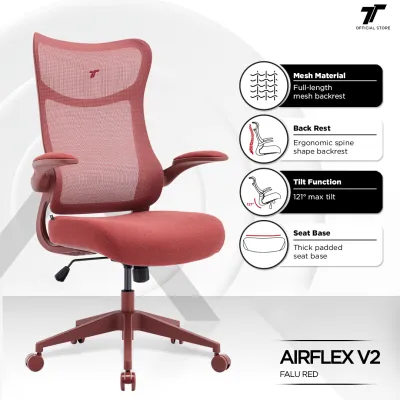
If you prioritize breathability and dynamic movement in a warm, tropical climate, a full mesh-back design is generally the most suitable option. The open weave allows continuous airflow, preventing heat buildup during long hours of sitting. Conversely, if you prefer deep, contouring support and static lumbar alignment, a cushioned high-back chair with high-density foam is often more comfortable, provided your workspace is consistently air-conditioned.
However, even the most advanced ergonomic chair will fail to provide comfort if your desk height or room clearance restricts its adjustability. Before committing to a purchase, you must verify that the chair’s dimensions align with your existing furniture. Additionally, always check if the brand provides a reliable local warranty and a clear trial return policy, as physical compatibility can only be truly confirmed after several days of active use in your actual workspace.
Products mentioned in this guide
![[NEW LAUNCH] Hinomi Q2 Pro Ergonomic Office Chair Adjustable Lumbar Support Memory Foam Headrest Armrest Legrest](https://img.lazcdn.com/g/p/0b7241fcc12b459ca71f9ff200c641b3.jpg_400x400q80.jpg_.webp)
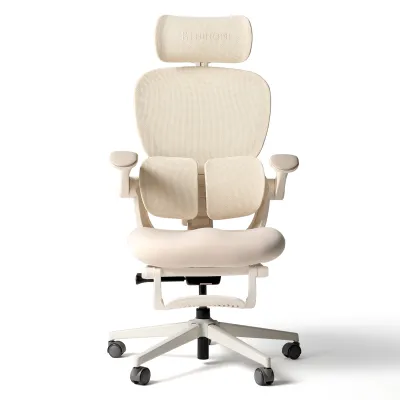
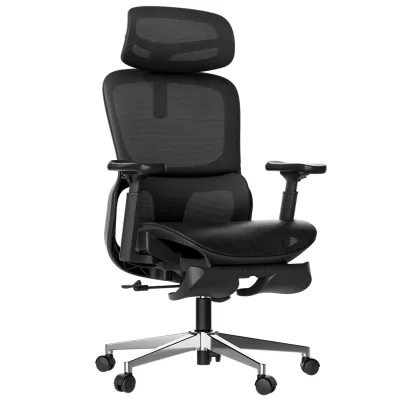
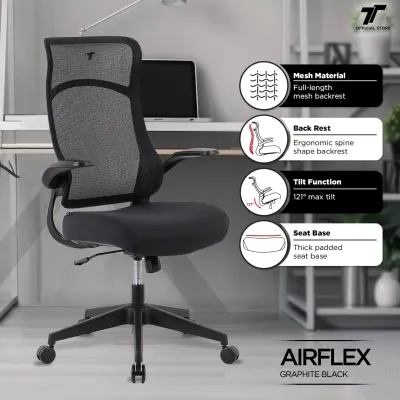
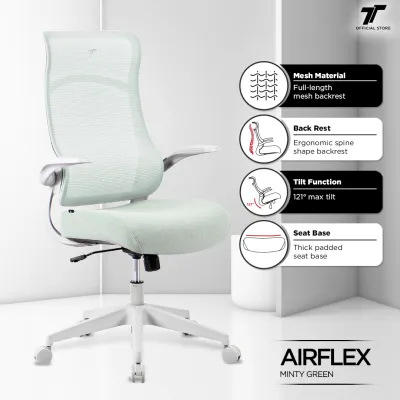
Prices are valid at publication and may change. Please refer to the product page for the latest price.
Key Comparison Dimensions for Extended Home Office Use
When comparing different ergonomic chair brands, evaluating specific mechanical features is far more reliable than relying on brand reputation alone. The first and most critical component to analyze is the lumbar support mechanism. Some brands utilize a dynamic, self-adjusting lumbar system that automatically shifts tension as you recline or sit upright. Other manufacturers opt for manual adjustability, allowing you to control both the height and the depth of the lumbar support pad. If you have a pronounced spinal curve, manual depth adjustment is highly beneficial, whereas those who constantly shift positions throughout the day may benefit more from a flexible, self-adjusting backrest.

Seat pan design is another crucial factor that directly impacts lower-body circulation during eight-hour shifts. Look for a seat pan with a pronounced waterfall edge, which curves downward at the front. This design minimizes pressure on the back of your thighs, preventing numbness and maintaining healthy blood flow to your lower legs. Furthermore, a sliding seat pan is essential if multiple people of varying heights share the chair. The seat depth should adjust so that you can sit fully against the backrest while maintaining a gap of roughly two to three fingers between the edge of the seat and the back of your knees.
Armrest adjustability, often categorized from 1D to 4D, is vital for preventing shoulder and neck strain. Basic 1D or 2D armrests only adjust vertically or horizontally. Premium ergonomic chairs typically feature 3D or 4D armrests, which allow you to adjust the height, depth, width, and pivot angle. For extended typing and mouse usage, you need armrests that can slide inward to support your elbows close to your body, keeping your shoulders relaxed and your wrists in a neutral position parallel to your desk surface.
Finally, the choice of materials directly determines long-term comfort and durability. High-density molded foam cushions offer excellent support and retain their shape for years, whereas cheap, low-density cut foam tends to bottom out within a few months, leaving you sitting directly on the hard seat frame. If you choose a mesh chair, inspect the tension of the weave. High-quality elastomeric mesh should feel firm and springy, distributing your weight evenly without sagging or creating high-pressure contact points along the plastic frame of the seat.
Evaluating Build Quality, Warranty, and Long-Term Value
Investing in a high-quality ergonomic chair requires a careful look at the manufacturer’s warranty terms, which often reveal the true durability of the product. Many brands prominently advertise long warranty periods, sometimes up to ten or twelve years. However, you must read the fine print to understand what is actually covered. It is common for manufacturers to offer a lifetime warranty on the steel frame, while limiting the coverage on moving parts—such as the gas lift cylinder, tilt mechanism, armrest pads, and mesh fabric—to just two or three years. Prioritize brands that offer comprehensive coverage on these high-wear components.
Weight capacity labels and base material specifications provide excellent clues regarding the chair’s overall build quality. Look for chairs certified by independent safety and performance standards, such as BIFMA (Business and Institutional Furniture Manufacturers Association). The base of the chair should ideally be constructed from heavy-duty polished aluminum or reinforced steel rather than lightweight nylon plastic. A metal base not only provides superior stability when reclining but also resists cracking and warping under continuous daily loads.
To maximize the lifespan of your investment, check whether the brand sells individual replacement components. Over several years of daily use, casters can accumulate dirt, gas lifts can lose pressure, and armrest pads can tear. If a manufacturer offers easily sourceable replacement parts, you can easily refurbish your chair at a fraction of the cost of buying an entirely new unit. This modularity is a hallmark of reputable ergonomic brands and adds significant long-term value to your purchase.
Matching Chair Dimensions to Your Home Office Space
Before finalizing your purchase, you must ensure the physical dimensions of the chair are compatible with your home office layout, especially if you are working within the compact confines of a typical apartment or HDB flat. Begin by measuring the clearance behind your desk. A high-quality ergonomic chair requires sufficient space to swivel and recline fully without striking walls, bookshelves, or adjacent furniture. If your workspace is tight, a chair with a bulky high-back frame or an oversized five-star base may severely restrict your movement.
Desk height compatibility is another frequently overlooked detail. Measure the distance from the floor to the underside of your desk drawer or frame. You must verify that the chair’s armrests can lower sufficiently to slide completely underneath the desk when not in use. If the armrests block the chair from tucking in, you will be forced to sit too far back from your keyboard, leading to forward slouching and severe upper back strain. Compare your desk height with the chair’s minimum and maximum seat height specifications to ensure a perfect match.
Lastly, do not forget to plan for the delivery process itself. Premium ergonomic chairs often ship fully assembled in massive, heavy boxes, while budget-friendly options typically arrive flat-packed for self-assembly. Check the packaging dimensions listed on the product page and measure your home’s entryways, hallways, and lift doors. Ensuring the box can physically fit through your building’s elevator and your front door will prevent stressful delivery day complications.
How to Test and Finalize Your Ergonomic Chair Choice
If you have the opportunity to visit a local showroom, performing a structured sit test is the most reliable way to evaluate an ergonomic chair. When you sit, do not simply remain upright in a formal posture; instead, spend at least fifteen minutes mimicking your actual work habits. Type on a keyboard, lean back to simulate a phone call, and adjust every lever. Pay close attention to any immediate pressure points on your sit bones or thighs, and test the recline tension. The tension should be adjusted so that you can recline smoothly without feeling like you are falling backward, yet still receive firm support when sitting upright.
If you are purchasing online, a thorough review of the retailer’s return policy is essential. Look for brands that offer a risk-free home trial period, which typically ranges from seven to thirty days. Be sure to check for hidden costs, such as restocking fees or return shipping charges. Returning a heavy, fully assembled office chair can be incredibly difficult and expensive, sometimes costing upwards of S$50 to S$100 in local courier fees if the brand does not cover return transport. Keep all original packaging intact during the trial period in case you need to ship the chair back.
Once your new chair is delivered, take the time to configure it correctly to match your body. Start with your feet flat on the floor, adjusting the seat height so your hips are slightly higher than your knees, which helps maintain the natural curve of your lower spine. Position the lumbar support directly in the small of your back, and adjust the armrests so your elbows rest comfortably at a ninety-degree angle. Taking these deliberate steps ensures you receive the full ergonomic benefits of your investment from day one.
Frequently Asked Questions (FAQ)
How often should I replace the gas lift or casters on my ergonomic chair?
Gas lifts and casters typically require replacement every five to eight years, depending on daily usage and weight loads. Signs that your gas lift is failing include a chair that slowly sinks on its own or struggles to maintain its height adjustment. Casters should be replaced if they become difficult to roll, squeak excessively, or begin to scratch your flooring due to accumulated dust, hair, and debris. Replacing these individual parts is a simple, cost-effective way to extend the overall lifespan of your chair.
Is a headrest necessary for long work-from-home sessions?
A headrest is not strictly necessary for active typing or task-oriented work, as most people naturally lean slightly forward away from the backrest during these activities. However, a headrest is highly beneficial if you spend significant portions of your day reclining during video conferences, reading documents, or taking short breaks. If you choose a chair with a headrest, ensure it is fully adjustable in both height and angle so it supports the natural curve of your neck rather than pushing your head uncomfortably forward.
Community discussion
Share your experience or ask a question. Comments are reviewed before publication.