
Finding the ideal kitchen cabinet brand in Singapore for a custom layout requires looking beyond aesthetic appeal to evaluate how a provider handles spatial constraints, material durability, and structural integration. There is no single brand that represents the absolute best choice for every homeowner. Instead, the right provider depends on whether your kitchen layout demands modular precision, semi-custom adaptability, or fully bespoke local carpentry. By understanding how different cabinet systems function, you can systematically evaluate your shortlisted options against your home’s specific architectural realities.
Categorizing Kitchen Cabinet Brands by Customization Level
Modular brands rely on mass-produced, standardized cabinet boxes (carcasses) with fixed widths, heights, and depths. They offer high manufacturing precision, flat-pack or pre-assembled delivery, and consistent quality control. However, customization is limited to selecting from pre-defined door fronts, handles, and internal organizers. If your kitchen has non-standard dimensions, modular systems require filler panels to mask empty spaces, which can result in lost storage potential.
Semi-custom brands bridge the gap between rigid modular systems and fully bespoke carpentry. They typically utilize standardized cabinet carcasses but allow for adjustable dimensions within a set range, such as custom heights or depths. They also offer a wider variety of finishes, edge-banding options, and hardware integrations. This tier is highly suitable for homeowners who want a tailored look and need to maximize storage in standard apartment layouts without paying the premium associated with fully custom-built solutions.
Products mentioned in this guide
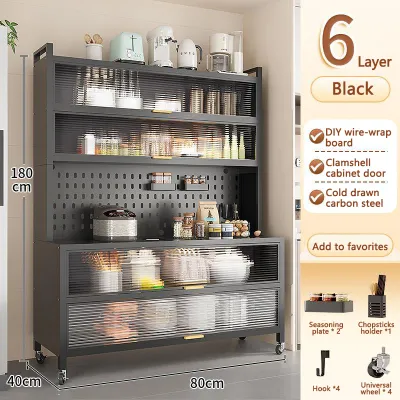
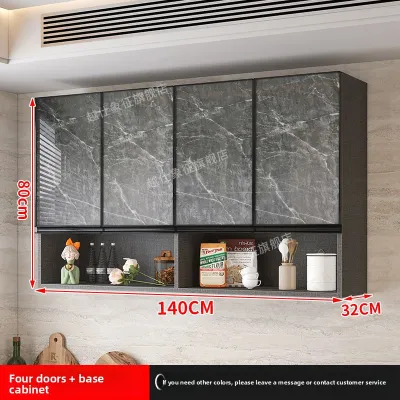
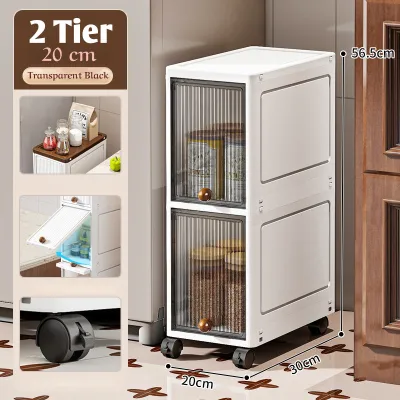
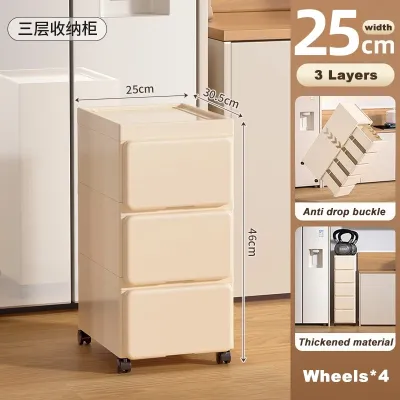
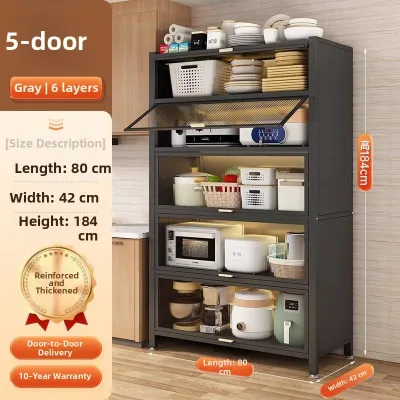
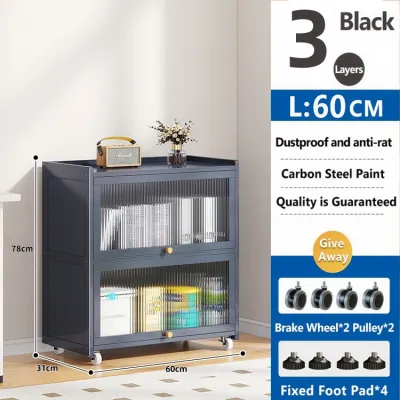
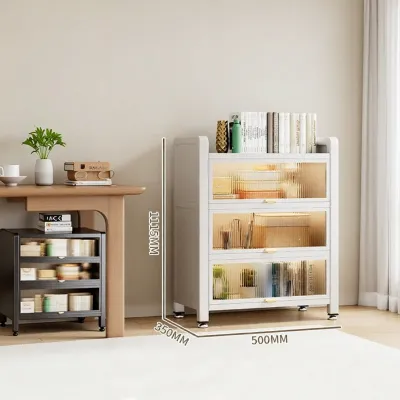
Prices are valid at publication and may change. Please refer to the product page for the latest price.
Bespoke local carpenters build cabinets from scratch, tailored specifically to the exact millimeter of your kitchen walls. This approach offers unrestricted layout fitting, allowing you to run cabinets around structural pillars, accommodate uneven walls, and source highly specific materials or laminates. While bespoke carpentry provides the ultimate design flexibility, it relies heavily on the skill of the individual carpenter, lacks the automated factory precision of modular brands, and requires careful on-site verification of joints, alignments, and finishes.
Core Dimensions to Compare Across Shortlisted Brands
Spatial and Layout Flexibility
When evaluating any kitchen cabinet brand, the first test is how the system handles spatial constraints. Standard modular brands often struggle with the structural pillars, exposed piping, and irregular angles common in local apartments. Ask prospective brands about their sizing increments: do they offer custom-cut carcasses, or do they rely solely on wide filler panels to close gaps? A filler panel wider than 50mm often indicates a compromise in storage efficiency.

Furthermore, inspect how each brand handles corner units. Blind corners and L-shaped layouts require specialized hinges or pull-out mechanisms to remain functional. Verify whether a brand’s system can accommodate non-standard wall angles or if their warranty is voided if a cabinet carcass must be shaved down on-site to fit against an uneven wall.
Materials, Finishes, and Internal Fittings
The tropical climate demands careful scrutiny of cabinet materials. High humidity and frequent cooking can compromise low-grade particleboards. When comparing brands, check the specifications of the carcass material. Look for moisture-resistant options, such as high-pressure laminates, solid plywood, or engineered wood with high-density fiberboard cores that carry moisture-resistance ratings. Do not assume a material is durable based on its name alone; ask the provider for care instructions, edge-banding quality (such as laser or PUR edge-banding to prevent moisture ingress), and joint stability.
Internal fittings and hardware dictate the daily usability of your kitchen. Compare the brand origins and load capacities of the hinges, drawer runners, and pull-out systems offered. Premium hardware brands often feature soft-close mechanisms and high weight ratings. Ensure the cabinet brand integrates these systems seamlessly into their carcasses without requiring manual, on-site modifications that could weaken the structural integrity of the unit.
Weighing Lead Times, Pricing Structures, and Warranties
Customization levels directly influence project timelines and overall costs. Imported modular systems, particularly those manufactured in Europe or regional hubs, often carry substantial lead times ranging from 8 to 16 weeks. If your renovation timeline is tight, local bespoke carpentry or regional semi-custom brands can often deliver and install units within 2 to 4 weeks of final site measurement. Additionally, verify if the delivery of large pre-assembled cabinet carcasses requires specific lift or doorway clearances in your building, as tight access points can complicate installation.
Pricing structures vary significantly based on how customization is calculated. Modular brands charge per unit, making costs highly predictable, though specialized corner mechanisms or premium door fronts can quickly escalate the total. Semi-custom and bespoke providers typically charge per foot run, with surcharges applied for non-standard heights, extra-deep drawers, or custom carcass cutouts. When comparing quotes, ensure you are comparing identical configurations, including the cost of end panels, plinths, cornices, and installation labor.
Warranty terms are a critical indicator of long-term reliability. Carefully read the fine print regarding custom modifications. Some brands void the warranty on an entire cabinet run if a third-party contractor cuts a hole in the carcass for plumbing or electrical access. Look for warranties that explicitly cover moving parts for extended periods, and clarify the exclusions regarding moisture damage, laminate peeling, and structural sagging under load.
Decision Framework: Choosing the Right Customization Approach
To finalize your choice, align your kitchen’s physical layout and your personal priorities with the strengths of each cabinet tier.
Choose a modular brand if your kitchen layout is straightforward, you prioritize standardized factory precision, and you prefer a predictable timeline with integrated, brand-specific hardware systems. This path is ideal if you want to easily replace door fronts or internal organizers in the future without remodeling the entire space.
Opt for a semi-custom brand if you require moderate layout adjustments—such as extending cabinets to a high ceiling or fitting around minor wall protrusions—but still want the reassurance of factory-finished edges and standardized quality control. This option offers a balanced compromise between personalized design and cost efficiency.
Select bespoke local carpentry if your kitchen features highly irregular layouts, prominent structural pillars, or exposed utility pipes that must be concealed. Bespoke carpentry is also the necessary choice if you require exact material matching with existing built-in furniture in your home or want a highly specific, non-standard aesthetic that modular catalogs cannot accommodate.
Before signing any contract, perform a final structural and functional verification. Ensure the proposed layout leaves adequate clearance for appliance doors to open fully without hitting adjacent handles. Verify that the design includes the manufacturer-specified ventilation gaps for built-in ovens, refrigerators, and microwaves. Finally, confirm that the wall anchoring methods proposed by the installer are suitable for your wall type to guarantee the long-term stability and load capacity of your wall-hung cabinets.
Frequently Asked Questions (FAQ)
Can I mix and match cabinet brands in the same kitchen?
While theoretically possible, mixing different cabinet brands or combining modular systems with bespoke carpentry presents significant practical challenges. The primary hurdles are alignment and depth discrepancies. Modular brands use specific standard depths, which may not align perfectly with bespoke units. Additionally, matching the exact color, texture, and sheen of finishes across different manufacturers is exceptionally difficult. If you choose to mix systems, it is best to separate them by zones—such as using a modular system for a standard run of base cabinets and bespoke carpentry for a dedicated, floor-to-ceiling pantry unit or an irregular kitchen island.
How do I verify if a custom cabinet design will fit my appliances?
To ensure a seamless fit, you must secure the exact model numbers and manufacturer specification sheets for all built-in and freestanding appliances before finalizing your cabinet drawings. Do not rely on general appliance dimensions. Provide these specification sheets directly to your cabinet designer or carpenter. They must verify not only the physical cutout dimensions but also the required ventilation clearances at the rear and sides, the routing of plumbing pipes and electrical cables, and the door swing clearance. For integrated appliances, confirm that the cabinet door panel weight limits match the appliance hinge specifications to prevent premature wear or alignment failure.

Community discussion
Share your experience or ask a question. Comments are reviewed before publication.