
Choosing a folding coffee table involves balancing space-saving convenience with structural integrity. While many brands offer visually appealing designs, the true difference lies in the materials used, the engineering of the folding mechanisms, and the precision of the manufacturing finish. In compact living spaces, where furniture often serves multiple purposes and undergoes frequent adjustments, understanding these differences is essential to finding a piece that remains stable and functional over years of daily use.
Evaluating a folding coffee table requires looking beyond aesthetics to assess how well the table handles the physical stress of being opened, closed, and moved. High-quality brands prioritize robust materials and precise manufacturing to ensure that the moving parts do not degrade with regular use. By focusing on material composition, joint strength, mechanism safety, and warranty coverage, you can select a table that fits your lifestyle and stands up to the demands of your home.
Key Dimensions for Evaluating Build Quality
Solid wood offers exceptional longevity and natural beauty, but it is heavy and can be sensitive to high humidity, which may cause slight expansion or contraction over time. Engineered wood, such as medium-density fibreboard (MDF) or plywood with veneers, provides excellent dimensional stability in humid environments and is lighter, though lower-grade options can be prone to moisture damage if the edges are not properly sealed. Metal frames, typically made of powder-coated steel or aluminium, offer the highest structural strength-to-weight ratio and are highly resistant to environmental changes, making them excellent for the load-bearing components of folding tables.
Products mentioned in this guide
![[3S FURNITURE] Modern Rustic Simple Solid Rubber Wood Foldable Coffee Table with Storage Panel * FREE DELIVERY *](https://img.lazcdn.com/g/p/63e8aa4a6743093f0d281c796b72676d.png_400x400q80.png_.webp)
![[3S FURNITURE] Modern Rustic Simple Solid Rubber Wood Foldable Coffee Table * FREE DELIVERY * (1Yr Local Warranty)](https://img.lazcdn.com/g/p/204cfe405828c8ecbaeacf2b4c69c93d.jpg_400x400q80.jpg_.webp)

![[SG STOCK] Sofa side several movable lifting bedside table new revolving small coffee table bedroom dormitory folding storage rack](https://img.lazcdn.com/g/p/0e2799f509a7ff0f95a12360a65c4df8.jpg_400x400q80.jpg_.webp)
![[SG Seller]Foldable acrylic coffee table small coffee table trendy minimalist chair portable minimalist crystal coffee table stackable small dining chair](https://img.lazcdn.com/g/p/f4ac670d94cc32a94828fc0adf43d156.jpg_400x400q80.jpg_.webp)
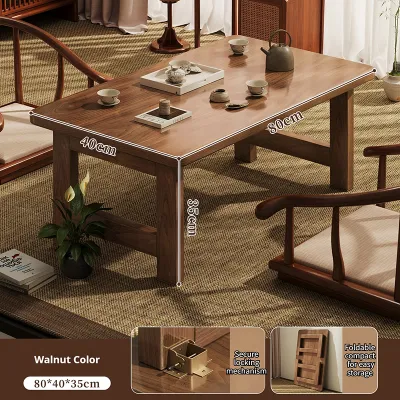
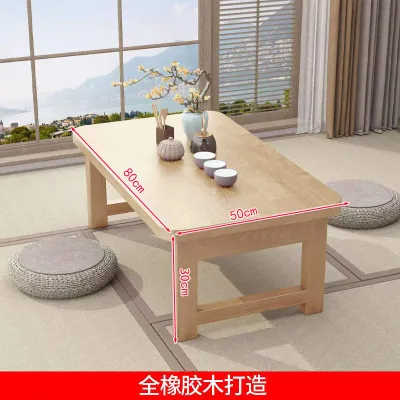
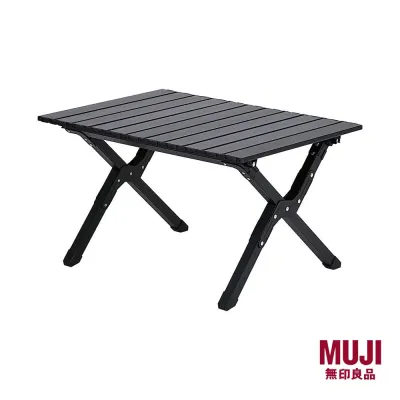
Prices are valid at publication and may change. Please refer to the product page for the latest price.
When evaluating different brands, pay close attention to the joints and brackets. High-quality brands reinforce stress points with heavy-duty steel corner brackets and threaded metal inserts rather than simple wood screws driven directly into engineered wood. Frame thickness is another critical indicator; thin-walled metal tubes or flimsy wooden aprons are prone to flexing under load, which compromises the table’s stability.
Always check the manufacturer’s specified weight capacity. A table with a low weight rating may sag or warp over time, particularly if heavy items are placed near the center or along the folding seams. Look for brands that provide clear, realistic load limits for both the fully extended surface and the individual folding leaves to ensure the table can handle daily activities like dining, working, or supporting decorative items.
Assessing Folding Mechanism Durability and Safety
The folding mechanism is the heart of any space-saving coffee table, and its durability directly dictates the lifespan of the furniture. Common mechanisms include traditional drop-leaf hinges, scissor-style folding legs, and advanced gas struts or spring-assisted lift-top systems. While simple hinges have fewer moving parts and are highly reliable if made of thick steel, gas struts offer smoother, near-effortless transitions but involve internal seals that can wear out over several years of frequent use.

When inspecting a table in a showroom or evaluating user feedback online, look for signs of smooth, fluid movement. The mechanism should operate without grinding, excessive resistance, or lateral play. Stiff joints or misaligned tracks not only make the table difficult to use but also put uneven stress on the mounting screws, eventually stripping the wood or bending the metal frame. Additionally, check for potential pinching hazards; well-designed mechanisms incorporate safety clearances or guarded joints to prevent fingers from getting caught during operation.
Safety is paramount, especially for tables that undergo frequent transitions. High-quality brands include secondary safety locks or latching pins that secure the table firmly in its open or closed position. This prevents accidental collapse if the table is bumped or unevenly loaded. When testing a table, apply downward pressure on the outer edges and corners in both its folded and unfolded states to ensure the weight is distributed evenly across the base and does not cause the table to tip or wobble.
Design Execution and Finish Quality
A folding coffee table’s design execution is visible in its smallest details, which often separate premium brands from budget alternatives. Inspect the edge banding on engineered wood tops; it should be seamlessly applied with no visible glue lines, gaps, or lifting edges. In humid climates, poorly sealed edges allow moisture to penetrate the inner core, leading to swelling, warping, and unsightly bubbling of the veneer. High-pressure laminates or water-resistant polyurethane finishes offer superior protection against spills and daily wear compared to basic paper veneers.
The functional footprint of the table is another crucial consideration. Measure the exact dimensions of the table when fully folded to ensure it fits comfortably into your designated storage area, whether that is a narrow closet, a gap beside the sofa, or under a bed. Consider the transit path as well; a table that is too heavy or awkward to carry when folded defeats the purpose of a portable, space-saving design.
Finally, examine the base design and leg placement. Tables with legs positioned at the extreme corners generally offer the best stability, while pedestal or central-trestle bases allow for more legroom but require a heavier, more robust base plate to prevent tipping. Look for brands that include adjustable leveling feet or non-slip rubber pads. These small additions allow you to compensate for slightly uneven flooring, such as tile grout lines or parquet joints, ensuring a rock-solid surface.
How to Compare Brands and Make a Decision
When comparing different brands, the warranty terms often reveal the manufacturer’s confidence in their product’s durability. Standard furniture warranties may cover the wooden frame for several years but exclude the moving parts or limit their coverage to a much shorter period. Look for brands that offer comprehensive warranties specifically covering the folding hinges, gas struts, and locking mechanisms, as these are the components most likely to experience wear and tear.
For online purchases, robust return policies and reliable assembly support are essential safeguards. Because folding mechanisms require precise alignment to function correctly, any manufacturing defect or shipping damage can render the table unusable. Choose brands that offer clear return windows, pre-assembled mechanisms, or professional installation services to ensure the table is set up correctly and safely in your home.
To make the final decision, apply a condition-based framework that matches your specific lifestyle and usage patterns. If you plan to fold and unfold the table daily to transition your living room into a workspace or workout area, prioritize heavy-duty metal frames with industrial-grade hinges or gas struts that can withstand constant cycling. Conversely, if the table will remain unfolded most of the time and only be tucked away occasionally for guests, a classic solid wood drop-leaf table with manual wooden supports offers timeless aesthetic appeal and reliable, low-maintenance longevity.
Frequently Asked Questions (FAQ)
Can I replace the hinges on a folding coffee table if they break?
If a hinge or folding mechanism breaks, replacement feasibility depends largely on whether the brand uses proprietary hardware or standard, off-the-shelf components. Many budget-friendly tables use standard butt hinges or drop-leaf supports that can be easily sourced from local hardware stores and replaced using basic tools. However, premium space-saving tables with integrated gas struts or custom lift-top linkages often require proprietary replacement parts directly from the manufacturer. Before attempting a repair, measure the hinge dimensions, screw hole spacing, and offset carefully. If the surrounding wood or metal frame has stripped or cracked, you may need to reinforce the area with wood filler, epoxy, or a metal backing plate, or consult a professional furniture repair service to ensure the table remains structurally safe.
Are folding coffee tables safe for homes with young children?
Folding coffee tables can be used safely in homes with young children, but they require careful selection and supervision. The primary risks are pinching hazards from moving joints and the potential for the table to tip over if a child climbs on an extended leaf. When shopping for a child-friendly home, look for designs with concealed hinges, soft-close dampers that prevent sudden slamming, and secure safety locks that prevent the table from folding or unfolding unexpectedly. Rounded corners and smooth, bevelled edges are also highly recommended to minimize injuries from accidental bumps. Always store the table in its fully folded, locked position when not in use, and avoid placing heavy items near the edges of extended leaves where they could cause the table to tip.

Community discussion
Share your experience or ask a question. Comments are reviewed before publication.