
Selecting the right floor standing clothes rack in Singapore involves balancing budget, space constraints, and aesthetic goals. Because Singapore’s tropical climate presents unique challenges like high humidity, a purchasing decision cannot rely on visual design alone. The ideal clothes rack must offer structural stability, rust resistance, and a footprint that fits comfortably within local housing layouts, such as HDB flats or condominium bedrooms.
To make an informed decision, it is helpful to evaluate options using a clear brand categorization framework rather than looking at isolated models. This approach allows you to align your specific household needs with the manufacturing standards, material qualities, and price points typical of each category. By understanding these distinctions, you can avoid the frustration of a sagging frame or a rusted finish.
Choose Mass-Market Furniture Brands if: You require reliable, standardized build quality, straightforward assembly, and a balanced price-to-durability ratio for everyday bedroom or entryway use. These brands offer predictable performance and accessible customer support.
Products mentioned in this guide
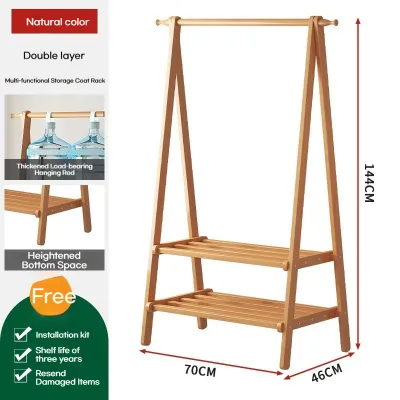
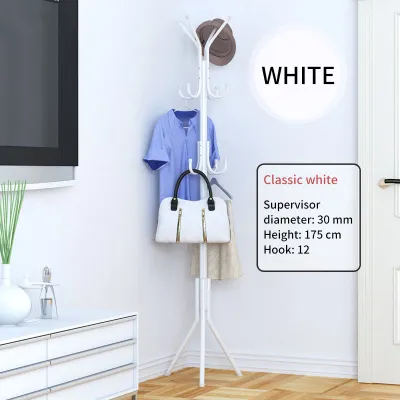

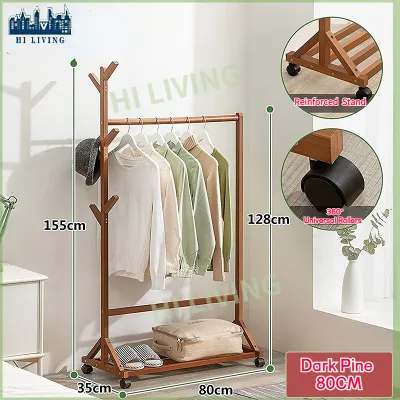
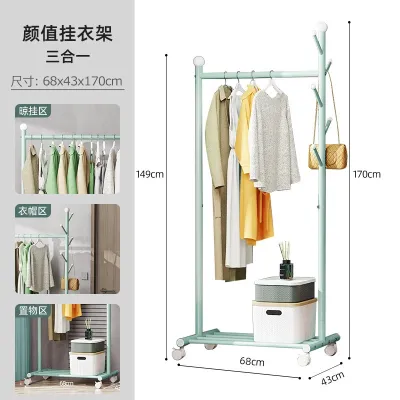
![[SG Stock]Solid wood floor to ceiling coat rack Solid wood floor hanger Bedroom floor rack Coat hanger hook Hat rack](https://img.lazcdn.com/g/p/3ec41db01f259c42b47876ebb62f36d3.jpg_400x400q80.jpg_.webp)
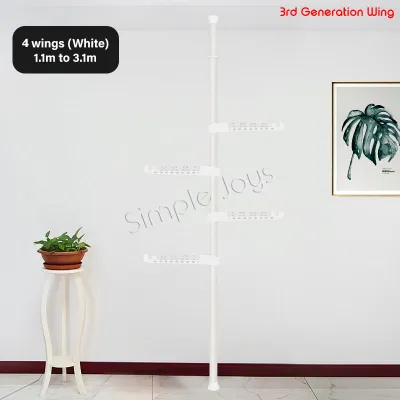
![[SG Seller]Adjustable Cloth Rack Pole Space Saving Floor To Ceiling Hanger](https://img.lazcdn.com/g/p/2c67181e14a0ccfb60952ca6ac43ebe4.jpg_400x400q80.jpg_.webp)
Prices are valid at publication and may change. Please refer to the product page for the latest price.
Choose Specialty Minimalist Brands if: You prioritize premium materials, such as solid hardwoods or thick-gauge steel, refined architectural aesthetics, and long-term structural integrity. These options are ideal for prominent spaces where the rack serves as a design statement.
Choose Budget Online Marketplace Brands if: You need a highly affordable, lightweight, or temporary storage solution for student housing, short-term rentals, or secondary utility spaces, and are comfortable with lower weight capacities and simpler materials.
Evaluating the true value of a clothes rack requires looking past marketing labels to assess specific material treatments, joint designs, and base geometries. The following sections break down these critical technical specifications so you can inspect any product listing or showroom model with confidence.
Key Comparison Dimensions for Clothes Racks
Understanding the technical specifications of a clothes rack allows you to look beyond surface aesthetics and evaluate how well a product will perform over years of daily use. By analyzing materials, surface treatments, and structural connections, you can accurately predict a rack’s longevity and stability.
Build Quality and Materials
When evaluating metal floor standing clothes racks, the specific surface treatment is the single most important factor governing rust prevention. Raw iron or untreated carbon steel will oxidize rapidly when exposed to ambient moisture. Look for products specifying electrostatic powder coating, hot-dip galvanization, or high-grade stainless steel (such as grade 304). Powder coating creates a thick, resilient barrier that resists scratching and moisture, while galvanized steel features a protective zinc layer that prevents deep-seated corrosion.
For wooden clothes racks, the distinction between solid wood and engineered wood dictates both durability and maintenance needs. Solid hardwoods like oak, walnut, and rubberwood offer excellent tensile strength and natural beauty, but they must be sealed with a clear polyurethane lacquer or water-resistant oil to prevent warping in humid environments. Engineered woods, such as Medium-Density Fib板 (MDF) or particleboard, are cost-effective but highly vulnerable to moisture absorption if the protective laminate or edge banding is compromised. Once moisture penetrates the edges of MDF, the fibers swell and lose structural integrity.
Connection methods directly influence how rigid the rack remains over time. Welded joints offer maximum stability because they fuse the metal components into a single continuous structure, eliminating the risk of loosening. However, welded racks are difficult to transport and cannot be flat-packed. Screwed or bolted assemblies are highly portable and easy to ship, but they rely on the quality of the fastening hardware. Look for racks that utilize metal-to-metal threaded inserts rather than wood screws driven directly into timber, as direct wood screws will strip and loosen after repeated assembly or heavy use.
Durability, Stability, and Weight Capacity
The physical geometry of a clothes rack’s base determines its resistance to tipping under load. Racks with a wide rectangular base or a heavy, solid circular base maintain a low center of gravity, which significantly reduces the risk of tipping when garments are hung unevenly. Tripod bases offer excellent stability on flat surfaces but require a wider footprint to achieve the same tipping resistance as a weighted rectangular frame. Additionally, look for adjustable leveling feet or high-friction rubber pads on the base; these components prevent sliding on polished tile or vinyl flooring and allow you to compensate for slightly uneven floors.
Weight capacity ratings should always be interpreted as maximum static limits under ideal conditions. A manufacturer’s claim that a rack can support 30 kg assumes that the weight is distributed uniformly across the entire length of the hanging rail. If you concentrate heavy winter coats or wet laundry in the center of a long, unsupported bar, the metal will experience high bending stress, leading to permanent bowing. For heavy-duty storage, prioritize racks featuring vertical support columns spaced no more than 120 cm apart, or opt for thicker-walled steel tubing.
Moving parts and adjustability features introduce potential failure points that require close inspection. If a clothes rack features caster wheels for mobility, ensure the casters are constructed from durable polyurethane or nylon with integrated metal ball bearings and reliable locking brakes. Cheap, unbranded plastic wheels frequently crack under load or scratch delicate flooring. Similarly, height-adjustable racks utilizing plastic friction clamps are prone to gradual slipping over time; look for locking pin mechanisms that physically secure the vertical poles at fixed increments.
How Popular Brand Categories Compare in Singapore
To help you navigate the local market, we can compare the three primary brand categories available in Singapore. Each category targets a different balance of price, material quality, and expected lifespan.

Mass-Market Global Furniture Brands
Mass-market global furniture brands are characterized by highly standardized manufacturing processes, predictable quality control, and accessible retail locations across Singapore. These brands typically utilize steel tubing finished with uniform powder coatings, alongside precisely machined engineered wood or light solid wood elements. Because these products undergo rigorous safety testing, their structural integrity and weight ratings are highly reliable for standard household applications.
In terms of price and value, mass-market brands occupy a highly competitive mid-range tier, generally ranging from S$30 to S$100. The value proposition here is exceptionally high for the average homeowner. You receive a durable, well-documented product backed by structured return policies and readily available replacement hardware, making it a low-risk investment for bedrooms, guest rooms, or entryways.
Specialty Minimalist and Lifestyle Brands
Specialty minimalist and lifestyle brands focus on architectural design, premium natural materials, and meticulous craftsmanship. These brands frequently source premium solid hardwoods, such as North American white oak or black walnut, and pair them with heavy-gauge, seamless steel or solid brass fittings. The finishes are often hand-applied oils or ultra-matte protective lacquers that highlight the natural grain of the wood while providing robust protection against daily wear.
These premium products typically command prices starting from S$100 and can exceed S$300 for designer collaborations. The value in this category does not stem from sheer hanging capacity, but rather from exceptional longevity, tactile material quality, and the ability to complement high-end interior design schemes. These racks are designed to function as heirloom-quality furniture pieces that elevate the aesthetic of a foyer or master suite.
Budget E-commerce and Online Marketplace Brands
Budget brands operating on online marketplaces prioritize low cost and high volume. These products are engineered for maximum material efficiency, often utilizing very thin-walled metal tubes, lightweight plastic joint connectors, and unsealed composite wood shelves. Because these items are flat-packed to minimize shipping costs, they often require extensive assembly using basic hardware that may deform under high torque.
With prices typically ranging from S$10 to S$30, these racks offer an incredibly low barrier to entry. They provide excellent short-term value for temporary living situations, student hostels, or light laundry-drying duties. However, their long-term value is low; the thin metal is prone to bending, the plastic connectors can become brittle and crack under UV exposure near windows, and the lack of robust base weighting makes them susceptible to wobbling or tipping when fully loaded.
Brand Category Comparison Matrix
| Brand Category | Typical Materials | Build Quality Focus | Expected Longevity | General Price Tier (SGD) |
|---|---|---|---|---|
| Mass-Market Global | Powder-coated steel, engineered wood, light hardwoods | Standardized tolerances, reliable hardware, uniform finishes | 3 to 7 years | Mid-Range (S$30 – S$100) |
| Specialty Minimalist | Solid oak, walnut, thick-gauge steel, brass fittings | Seamless joints, hand-finished surfaces, premium hardware | 10+ years | Premium (Over S$100) |
| Budget E-commerce | Thin steel tubing, plastic connectors, unsealed MDF | Minimum weight, high portability, basic utility | 1 to 2 years | Budget (Under S$30) |
Evaluating Longevity: What to Check Before You Buy
Before finalizing your purchase, it is essential to evaluate how a floor standing clothes rack will perform within your specific living environment. Singapore’s climate and typical residential layouts impose practical constraints that should guide your selection.
Humidity and Climate Considerations
Singapore’s average relative humidity often exceeds 80%, creating an environment highly conducive to mold growth and metal oxidation. To ensure long-term durability, you must verify that any wooden components are fully sealed on all sides, including the undersides of shelves and joint connections. Unsealed wood will absorb airborne moisture, leading to internal warping, joint misalignment, and localized mold outbreaks.
For metal racks, inspect the product description for terms like “powder-coated” or “rust-resistant.” If you plan to place the rack in a high-moisture zone—such as a service yard, near a bathroom entrance, or adjacent to an open window during the monsoon season—avoid budget carbon steel options. Instead, opt for high-grade stainless steel or aluminum, which naturally form a protective oxide layer that resists corrosion even if the surface becomes scratched.
Space and Footprint Verification
Housing layouts in Singapore, particularly in modern HDB flats and condominiums, require efficient spatial planning. Before purchasing, measure your intended floor area and compare it against the fully assembled dimensions of the rack. Do not forget to account for “hanger swing clearance.” A standard adult clothes hanger is approximately 40 cm to 45 cm wide. This means a single-bar rack placed flush against a wall requires at least 22 cm of clearance from the center bar to the wall to prevent your clothes from rubbing against the wall surface and accumulating dust.
Additionally, ensure the rack’s height and width do not obstruct walkways, door swings, or built-in wardrobe doors. For narrow entryways or foyers, a vertical tree-style coat rack with a compact circular base (under 35 cm in diameter) is often more practical than a wide, rectangular double-rail rack.
Assembly and Maintenance Requirements
Most mass-market and budget clothes racks are delivered flat-packed to save on shipping volume, requiring self-assembly. Before buying, check if the necessary assembly tools (such as hex keys or spanners) are included in the package. If the assembly relies on complex hardware, read customer reviews to verify if the pre-drilled holes align correctly and if the instructions are clear.
Maintenance requirements vary significantly by material. Flat-pack racks assembled with screws and bolts will naturally develop slight structural play over time due to the vibrations of daily use. Plan to periodically inspect and tighten these connections every six months to maintain structural rigidity. For solid wood racks finished with natural oils, applying a fresh coat of furniture wax or wood oil once a year will help preserve the moisture barrier and maintain the wood’s luster.
Safety and Tipping Risks
A top-heavy clothes rack poses a serious safety hazard, particularly in households with young children or active pets who might pull on hanging garments. To minimize tipping risks, look for racks that feature a flared base design or a heavy, solid stone or metal base plate. The height-to-base ratio should ideally not exceed 4:1 unless the base is heavily weighted.
If you must use a tall, lightweight rack to hold heavy items, place the heaviest objects—such as bags, shoes, or storage boxes—on the bottom shelf to lower the overall center of gravity. For maximum safety in high-traffic areas, consider choosing a wall-anchored clothing rail or a low-profile, wide-frame double-bar rack that inherently resists lateral tipping forces.
Final Verdict: How to Choose the Right Rack for Your Space
To make your final decision straightforward, match your primary usage scenario with the most suitable brand category and design configuration.
For the Main Entryway or Foyer
In the main entryway, visual appeal and a compact footprint are your primary considerations. This area is highly visible to guests and handles daily transit items like umbrellas, light jackets, and handbags. Prioritize specialty minimalist or high-end mass-market brands that offer elegant solid wood or sleek, powder-coated metal designs. A single-pole tree-style rack with a heavy, stable base or a compact branch-style rack fits neatly into corners without obstructing walkways, providing immediate utility while enhancing your home’s entry aesthetic.
For the Bedroom or Walk-in Wardrobe
For primary clothing storage in bedrooms or walk-in wardrobes, structural capacity and durability are paramount. You need a rack capable of holding a high volume of garments without sagging or swaying. Opt for mass-market global furniture brands that offer heavy-duty, double-bar metal racks with rectangular frames. These designs distribute weight evenly across two parallel rails and often include integrated lower shelves for shoes or storage boxes, maximizing your vertical storage efficiency.
For Temporary Use, Laundry, or Student Housing
If your primary needs are portability, ease of storage, and low upfront cost, budget e-commerce brands provide the most practical solution. Look specifically for lightweight, foldable stainless steel or aluminum designs equipped with locking caster wheels. These racks can be easily rolled out to a service yard or balcony for air-drying laundry on sunny days, and then folded flat and stored in a utility closet or under a bed when not in use.
Final Selection Checklist
Before you proceed to checkout, run through this quick checklist to ensure your chosen floor standing clothes rack meets all your practical requirements:
- Dimensions: Have you measured your floor space, accounting for hanger swing clearance and door paths?
- Material Finish: Is the metal powder-coated/galvanized, or is the wood properly sealed against Singapore's humidity?
- Weight Rating: Does the manufacturer's specified weight capacity accommodate your heaviest coats and bags?
- Base Stability: Is the base wide or heavy enough to prevent tipping if loaded unevenly?
- Assembly: Do you have the tools and time required for assembly, and are replacement parts accessible if needed?
Frequently Asked Questions (FAQ)
How much weight can a typical floor standing clothes rack hold?
Weight capacities vary widely depending on the rack’s design, wall thickness, and material quality. Lightweight, budget-friendly folding racks typically support between 10 kg and 15 kg of evenly distributed weight, making them suitable for light laundry or summer clothing. Standard mass-market steel racks generally support between 25 kg and 40 kg, which easily accommodates a full wardrobe of daily wear. Heavy-duty, commercial-grade welded steel racks can support upwards of 50 kg to 100 kg. Always distribute weight evenly across the hanging bar, placing heavier items near the vertical support columns to prevent the center of the rail from bowing.
Are metal clothes racks prone to rust in Singapore's humid climate?
Yes, metal clothes racks can rust quickly in Singapore if they lack adequate surface protection. Raw iron, mild steel, and low-grade chrome plating are highly susceptible to oxidation when exposed to high humidity. To prevent rust, ensure the rack features a high-quality electrostatic powder coating, a galvanized finish, or is constructed from grade 304 stainless steel or anodized aluminum. If you notice any deep scratches or chips in a powder-coated finish, seal the exposed metal promptly with a rust-inhibiting paint or clear lacquer. Keeping the room well-ventilated and wiping down the rack with a dry microfiber cloth periodically will also extend its lifespan.

Community discussion
Share your experience or ask a question. Comments are reviewed before publication.