
Evaluating a new bed mattress in Singapore requires looking past marketing buzzwords like “cloud-like comfort” or “perfect orthopedic support.” Because there is no universal industry standard for mattress firmness, a “medium-firm” model from one brand can feel significantly softer or firmer than a similarly labeled model from another. The most reliable way to compare popular mattress brands is to analyze their physical construction, material densities, and structural designs, while mapping these specifications against your own body weight, sleeping posture, and local environmental factors.
To make an informed decision, you must understand how different materials interact with your body and how local logistics affect your purchase. From the humid tropical climate to the physical constraints of high-rise apartment living, choosing a mattress involves balancing personal comfort with practical, objective metrics.
Understanding Mattress Firmness Scales and Brand Variations
The mattress industry commonly uses a 1-to-10 firmness scale to help consumers gauge comfort, where 1 represents an incredibly soft surface with maximum sinkage and 10 represents a rigid, unyielding surface. Most sleepers find their ideal balance within the medium (4 to 6) to medium-firm (7 to 8) range. However, these numbers are highly subjective and vary between manufacturers. A brand that specializes in traditional pocketed springs might rate a mattress as a 6, yet it may feel much firmer than an all-foam mattress rated 6 by a direct-to-consumer brand.
Products mentioned in this guide
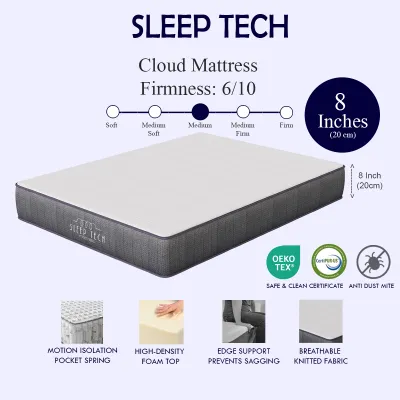
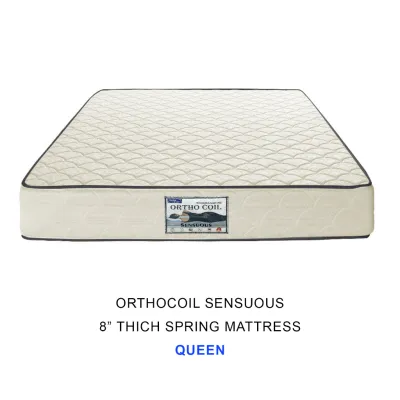
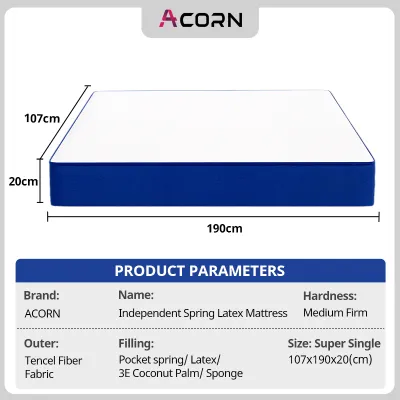
![[1-2 day delivery] Foldable Foam Mattress 3-Fold Mattress](https://img.lazcdn.com/g/ff/kf/Se38f308a460b4ba3aef73a3da6703c621.jpg_400x400q80.jpg_.webp)
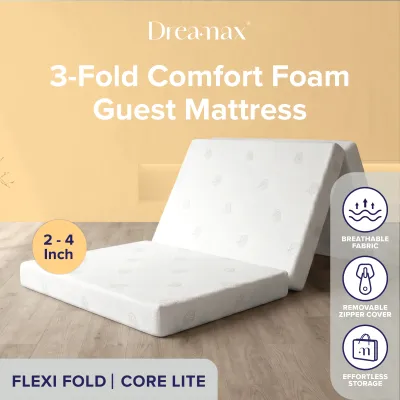
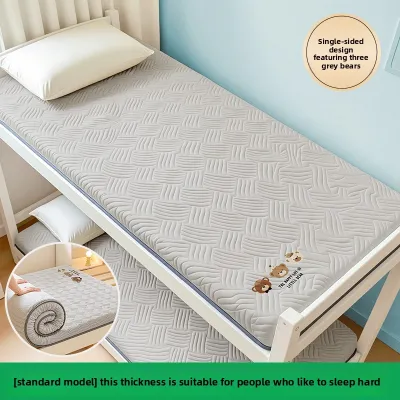
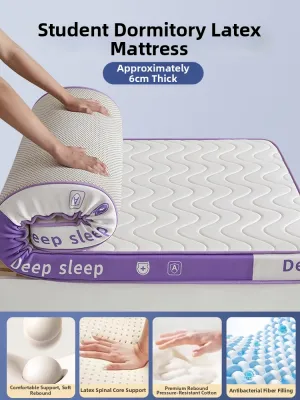
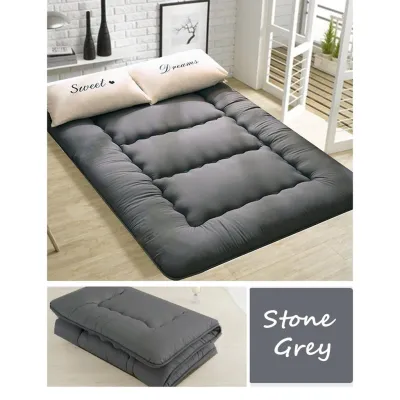
Prices are valid at publication and may change. Please refer to the product page for the latest price.
Your physical build is the most critical factor in how a mattress actually feels. A heavier individual compresses the comfort layers more deeply, which can make a medium-firm mattress feel relatively soft and potentially lack support. Conversely, a lighter individual may not exert enough force to compress the top layers, causing a medium mattress to feel exceptionally firm and pressure-inducing.
Your primary sleeping position also dictates how you perceive firmness. Side sleepers require a surface that allows the shoulders and hips to sink sufficiently to maintain spinal alignment, making softer profiles more appealing. Back and stomach sleepers need a firmer surface to prevent the pelvis from dipping, which can cause lower back strain. Therefore, when comparing brands, look for detailed descriptions of the comfort layers rather than relying solely on the numerical rating.
How Core Materials Dictate the Overall Feel
The materials used in a bed mattress determine its responsiveness, temperature regulation, and support characteristics. Memory foam is highly regarded for its contouring ability and pressure relief. It cradles the body’s curves and isolates motion exceptionally well, making it ideal for couples. However, traditional memory foam tends to retain body heat. In Singapore’s warm and humid climate, this can lead to an uncomfortably warm sleeping experience. If you prefer memory foam, check for open-cell structures, gel infusions, or phase-change materials designed to mitigate heat retention.

Natural latex offers a starkly different feel, characterized by a responsive, buoyant bounce. Instead of sinking “into” the mattress, you feel as though you are sleeping “on top” of it. Latex is highly durable and naturally breathable due to its open-cell structure, which facilitates passive airflow. This makes it an excellent option for local homes looking to maintain a cooler sleeping surface without relying constantly on air conditioning.
Innerspring and hybrid systems combine pocketed coils with comfort layers of foam or latex. These systems provide robust deep-tissue support, excellent edge stability, and superior airflow through the coil chamber. Hybrid mattresses offer a balanced feel, combining the pressure relief of foam or latex with the active push-back of springs. They also tend to have better motion isolation than traditional open-coil mattresses, as each pocketed spring compresses independently to absorb movement.
Key Specifications to Check When Comparing Brands
When comparing mattress brands online or in showrooms, look past the marketing copy and request specific technical details. For foam layers, check the density, which is typically measured in kilograms per cubic meter (kg/m³). High-density foams (above 50 kg/m³ for memory foam) offer superior longevity and resist sagging over time, whereas lower-density foams may soften prematurely, altering the mattress’s original feel within a few years.
For hybrid and innerspring models, inquire about the coil gauge and coil count. Coil gauge refers to the thickness of the wire; a lower gauge number (such as 13 or 14) indicates thicker, stiffer coils that provide a firmer feel, while a higher gauge (such as 15 or 16) indicates thinner, more flexible coils. The coil count and arrangement also influence support. A zoned coil system, which uses thicker coils in the middle third of the mattress to support the hips and softer coils under the shoulders, can significantly improve spinal alignment.
Edge reinforcement is another critical specification, especially in compact Singapore apartments where space is limited and the bed often doubles as a seating area. High-quality mattresses feature dedicated edge support, such as a perimeter of thicker coils or a high-density foam encasement. This prevents the roll-off sensation when sleeping near the edge and ensures the entire surface of the mattress remains usable and stable.
Evaluating Trial Periods and Return Policies for Comfort Testing
Because a mattress’s true feel cannot be fully assessed during a brief showroom test, home sleep trials have become an industry standard. Most reputable brands offer trial periods ranging from 100 to 120 nights. This extended period is crucial because your muscles and skeletal system typically require a mandatory break-in period of 21 to 30 days to adjust to a new support structure, especially if your previous mattress was sagging or unsupportive.
Before committing to a purchase, carefully review the terms and conditions of the sleep trial. Verify if there are any hidden costs associated with returns or exchanges. Some brands offer completely free returns, while others may charge administrative fees, restocking fees, or return transport fees in S$. Additionally, check the return logistics: does the brand arrange for a courier to collect the mattress from your home, and what are the requirements for the mattress’s condition during the return process?
Furthermore, consider the physical delivery constraints of your home. High-density latex and hybrid mattresses can be exceptionally heavy and rigid. Before ordering, measure your doorways, corridors, and lift dimensions to ensure the delivery team can safely transport the mattress to your bedroom. If you live in an apartment without lift access or with tight stairwells, confirm whether the brand charges additional delivery fees for manual stair-carrying.
Decision Framework: Matching Firmness to Your Sleep Profile
To narrow down your choices among popular brands, use a structured decision framework based on your physical needs and sleeping habits. If you are a strict side sleeper, prioritize mattresses with a softer to medium feel (4 to 6 on the firmness scale) and thick comfort layers of memory foam or pressure-relieving latex to protect your shoulders and hips from pressure sores.
If you sleep primarily on your back or stomach, or if you have a heavier body weight, opt for a firmer mattress (7 to 8 on the scale) with a robust pocket spring core. This setup prevents your midsection from sinking too deeply, keeping your spine in a neutral alignment and reducing morning stiffness. For those who frequently change positions, a responsive hybrid mattress with latex or fast-responding foam will allow you to turn easily without feeling stuck.
If you share your bed, prioritize motion isolation and edge support. A pocket spring hybrid with a thick foam comfort layer or an all-foam mattress will minimize sleep disruptions caused by a partner’s movements. If you and your partner have vastly different firmness preferences, look for brands that offer dual-firmness configurations, allowing you to customize the left and right sides of a single King-sized mattress to suit both of your needs.
Frequently Asked Questions (FAQ)
Can I change the firmness of my bed mattress after purchase?
Yes, you can adjust the surface feel of your mattress to some extent. If your mattress is too firm, adding a soft mattress topper made of memory foam, latex, or microfiber can provide extra cushioning and pressure relief. However, if your mattress is too soft or has begun to sag, adding a firm topper will not resolve the issue, as the topper will simply sink into the compromised support layers beneath it. In such cases, replacing the mattress or adjusting the bed base is necessary.
Does a higher price guarantee a better overall feel?
No, a higher price tag does not guarantee a more comfortable sleep experience. Mattress pricing is largely influenced by material quality, manufacturing origins, proprietary cooling technologies, and brand marketing expenses. While premium materials like natural latex or advanced pocketed coils offer better durability, they will not feel comfortable if the mattress’s firmness level and support characteristics do not align with your specific body weight, sleeping posture, and personal preferences.

Community discussion
Share your experience or ask a question. Comments are reviewed before publication.