
When shopping for a new sleeping bed mattress in Singapore, navigating the firmness ratings advertised by different brands can be highly confusing. While most manufacturers use a standard 1-to-10 firmness scale, a rating of “medium-firm” from one brand may feel remarkably different from another. This variation occurs because firmness is not standardized across the industry; instead, it is determined by unique material compositions, layer sequencing, and regional design preferences. To find a mattress that truly matches your comfort needs, you must look beyond simple marketing labels and evaluate structural specifications, material behaviors, and practical trial policies.
Understanding how these brand-specific variations affect your sleep quality is the first step toward making an informed investment. By analyzing the physical construction of a mattress and matching it to your personal sleep profile, you can confidently select a model that provides both immediate comfort and long-term spinal support.
Decoding Brand-Specific Firmness Scales and Feel
The 1-to-10 mattress firmness scale is a helpful reference point, but it is entirely subjective and varies between manufacturers. On this scale, a rating of 1 represents an incredibly soft surface with maximum sinkage, while a 10 represents a rigid, highly unyielding surface. Because there is no universal industry standard, a brand specializing in natural latex might rate a mattress as a 6, while a brand focusing on memory foam rates their model as a 6, yet the two will feel completely different to the sleeper.
Products mentioned in this guide
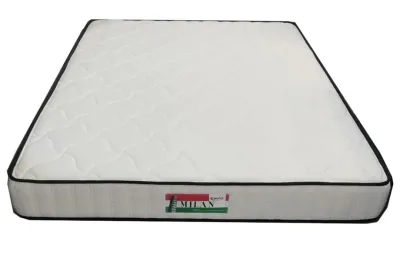
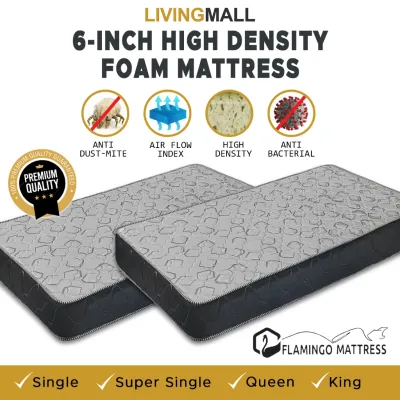
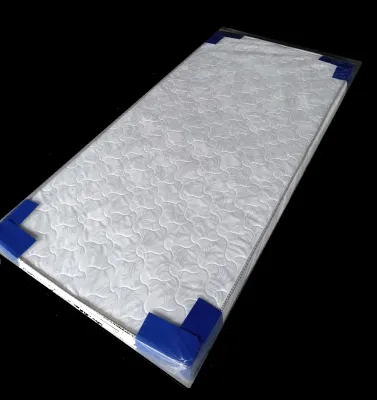

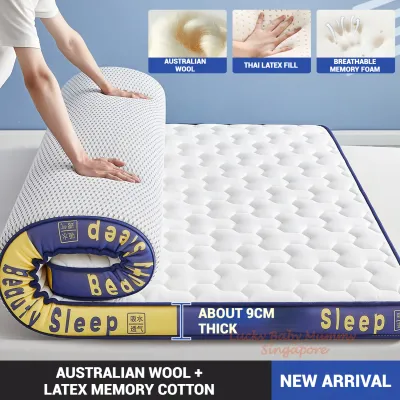

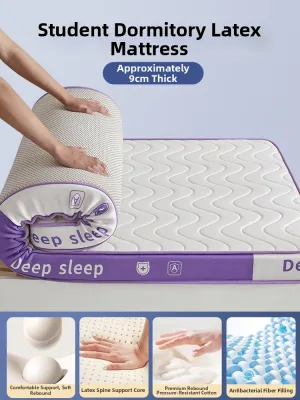
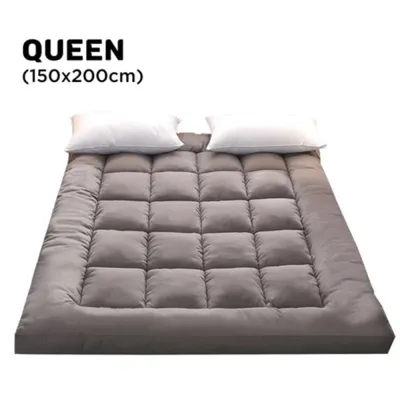
Prices are valid at publication and may change. Please refer to the product page for the latest price.
To make sense of these ratings, it is essential to differentiate between “support” and “feel.” Support refers to the mattress’s deep structural ability to keep your spine in a neutral alignment, which is primarily handled by the core layers, such as pocketed coils or high-density base foam. Feel, on the other hand, is the immediate sensation of the top comfort layers when you first lie down, encompassing initial sinkage, contouring, and surface texture.
Different materials inherently dictate this initial feel and response time. Memory foam offers a slow-moving, body-contouring sensation that cradles pressure points, though it can sometimes retain heat in Singapore’s warm, humid climate. Natural latex provides an immediate, springy response that keeps you positioned on top of the mattress rather than sinking into it, offering excellent natural ventilation. Hybrid and traditional innerspring systems combine the bounce and airflow of steel coils with the localized pressure relief of foam or fiber comfort layers.
Core Dimensions for Comparing Mattress Firmness
To compare different brands objectively, you should look past marketing descriptions and examine the physical specifications of the mattress layers. The thickness and density of the comfort layer are primary indicators of how firm the mattress will actually feel. High-density foams, typically measured in kilograms per cubic meter, offer more progressive resistance and maintain their original firmness for longer periods compared to low-density alternatives.

Transition layers play a critical role in preventing you from “bottoming out” on the mattress. These layers sit directly beneath the soft comfort materials and above the rigid support core. A well-designed transition layer gradually absorbs your body weight, ensuring you do not sink straight through the plush top layers and make uncomfortable contact with the hard support coils or base foam.
Edge support is another vital structural element that influences the perceived firmness of a mattress. Brands that incorporate reinforced foam encasements or thicker gauge steel coils around the perimeter prevent the edges from sagging when you sit or sleep near the side. Robust edge support effectively maximizes the usable sleeping surface of your sleeping bed mattress, ensuring a consistent level of firmness from edge to edge.
Many modern mattresses also feature zoned support systems, where the mattress is divided into distinct sections with varying levels of firmness. These systems typically offer firmer support under the heavier parts of the body, such as the hips and pelvis, and softer support under the shoulders. Evaluating whether a brand utilizes zoned construction can help you determine if the mattress will properly support your specific body shape and sleeping posture.
Evaluating Firmness When Showroom Testing Is Not Possible
With many mattress brands operating primarily online or offering limited physical showroom space in Singapore, you may need to evaluate firmness remotely. In these scenarios, product specification sheets are your most reliable tool. Look closely at the foam density ratings and coil gauge measurements; a lower coil gauge number indicates thicker, stiffer wire, which translates to a firmer and more supportive coil system.
Because you cannot physically test the mattress beforehand, utilizing a brand’s sleep trial period becomes essential. Most reputable online brands offer trial periods that allow you to test the mattress in your own home. It is important to note that these trials usually require a mandatory break-in period, often lasting three to four weeks, as your body needs time to adapt to a new support system and the mattress materials require time to lose their initial manufacturing stiffness.
Before finalizing an online purchase, carefully review the return conditions and warranty terms. Pay close attention to the manufacturer’s threshold for visible sagging or body impressions. A warranty that only covers sagging when it exceeds a depth of 3.8 centimeters indicates a different standard of long-term durability than a warranty that covers impressions starting at 2 centimeters, giving you a clear indication of the brand’s confidence in their structural integrity.
Decision Framework: Matching Firmness to Your Sleep Profile
Selecting the right mattress firmness requires a clear understanding of your physical attributes and preferred sleeping positions. Side sleepers generally require a medium-soft to medium mattress, typically ranging from 4 to 6 on the firmness scale. This level of firmness allows the shoulders and hips to sink sufficiently into the comfort layers, relieving pressure points while keeping the spine horizontally aligned.
Back and stomach sleepers require a firmer surface to prevent the pelvis from sinking too deeply, which can arch the lower back and cause chronic pain. For these sleeping positions, a medium-firm to firm mattress, rated between 7 and 8, is usually ideal. This firmness level provides the necessary resistance to support the lumbar region and keep the body on a relatively flat, neutral plane throughout the night.
Your body weight also significantly influences how you experience mattress firmness. Lighter individuals, typically weighing under 60 kilograms, exert less downward force and will often perceive a mattress to be firmer than its advertised rating because they do not sink past the top comfort layer. Conversely, heavier individuals, weighing over 90 kilograms, will compress the comfort layers more deeply and may require a firmer mattress with robust transition layers to avoid sinking into the hard support core.
For couples with differing firmness preferences, finding a compromise can be challenging. Some brands offer dual-firmness or split-tension mattresses, where each side of the bed is constructed with a different firmness level. If a split option is not available, couples should prioritize mattresses with excellent motion isolation, such as pocketed coils or memory foam, which prevent movement from transferring across the bed and disturbing your partner.
Final Checks Before Purchasing Your Sleeping Bed Mattress
Before completing your purchase, you must verify several physical and logistical constraints to ensure the mattress is compatible with your home. Begin by measuring your existing bed frame dimensions and comparing them to the finished dimensions of the selected mattress. Ensure the mattress thickness and overall height will not obscure your headboard or make the bed difficult to get in and out of comfortably.
Logistical access is a critical consideration in Singapore’s high-rise residential landscape. Measure the clearance heights and widths of your building’s passenger lifts, stairwells, and apartment doorways to ensure the delivery team can safely transport the mattress to your bedroom. If you are purchasing a non-compressed, traditional flat mattress, these measurements are especially crucial to avoid costly delivery failures or returns.
Finally, review the manufacturer’s specific foundation and base requirements. Using an incompatible base, such as a slatted frame with gaps that are too wide, can cause the mattress to sag prematurely and will often void your warranty. Most foam and hybrid mattresses require a solid, flat platform or a slatted base with gaps no wider than 5 to 7 centimeters to maintain proper structural support.
Frequently Asked Questions (FAQ)
Can I change the firmness of my mattress after purchase?
Yes, you can adjust the surface feel of your mattress after purchase, though your options depend on the brand’s policies and aftermarket accessories. Adding a separate mattress topper is a highly effective way to soften a mattress that feels too firm, though a topper cannot fix a mattress that is already sagging or fundamentally too soft. Additionally, some brands offer comfort exchange programs during their trial period, allowing you to swap the internal comfort layers or exchange the entire mattress for a different firmness level. However, once the trial period ends, the core support layer of the mattress cannot be structurally altered.
Does a firmer mattress always provide better back support?
No, a firmer mattress does not automatically guarantee better back support. Proper back support is achieved when your spine remains in a neutral, natural alignment, which depends entirely on your body weight, shape, and sleeping position. A mattress that is excessively firm can create painful pressure points on your shoulders and hips while leaving your lower back completely unsupported, leading to muscle tension and morning stiffness. The ideal mattress should offer a balance of surface contouring to relieve pressure and deep structural support to maintain spinal alignment.

Community discussion
Share your experience or ask a question. Comments are reviewed before publication.