
Finding the right ergo seat for a home office in Singapore involves navigating a crowded market of brands, each claiming to offer the ultimate seating solution. True value in an ergonomic chair is not merely about finding the lowest price tag; instead, it is a calculation of how well the chair supports your body over years of daily use. Because everyone has unique physical proportions and working habits, a chair that works beautifully for one person might cause discomfort for another.
By understanding the different brand tiers and key specifications available locally, you can make an informed decision that protects both your posture and your budget. This guide provides a structured framework to compare the options available in Singapore, helping you identify which category of chairs offers the most reliable comfort and durability for your specific home office setup.
Defining True Value in an Ergo Seat
When evaluating an ergo seat, it is helpful to look past the initial purchase price and calculate the long-term cost per use. A budget chair that needs replacement every two years ultimately costs more than a durable model that lasts a decade. True ergonomic value lies in a chair’s ability to adapt to your body rather than forcing your body to adapt to the chair. This adaptability is achieved through adjustable components that support the natural curvature of your spine.
Products mentioned in this guide
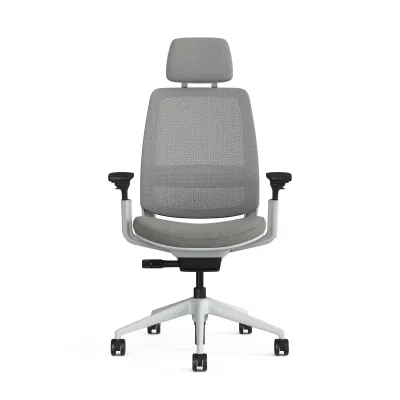
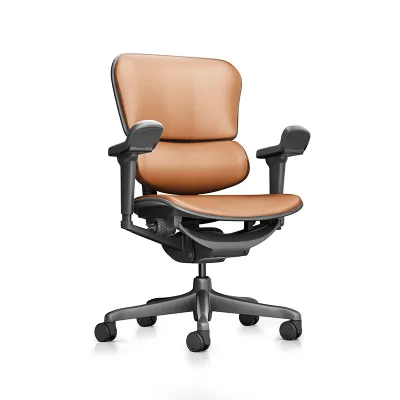
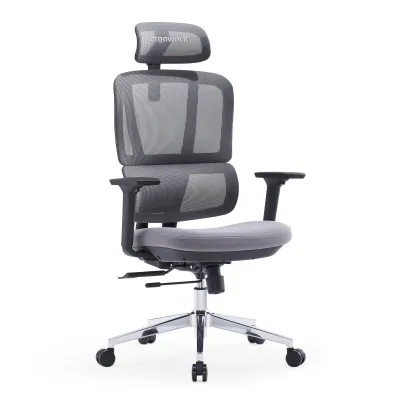
![Ergoseat Signature Ergonomic Chair Under $118 | Breathable Mesh | Fixed Armrest [Non Adjustable] | Free Installation](https://img.lazcdn.com/g/p/a53a806c2afd43373e596b903e6e6cd0.jpg_400x400q80.jpg_.webp)
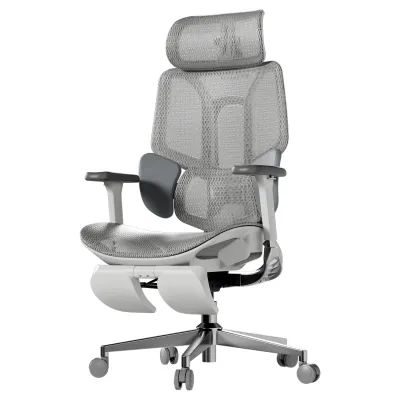
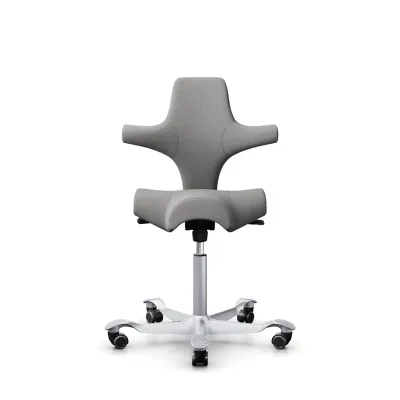
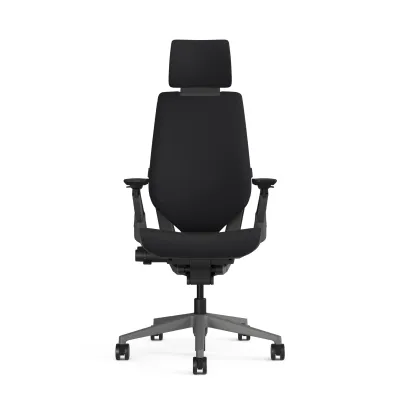
Prices are valid at publication and may change. Please refer to the product page for the latest price.
In Singapore’s tropical climate, material selection plays a massive role in long-term value. High humidity and warmth can accelerate the degradation of low-grade foam and cause cheap mesh to lose its tension rapidly. When mesh sags, the user’s weight is no longer distributed evenly, leading to pressure points on the thighs and tailbone. Therefore, verifying the quality of the upholstery and the breathability of the materials is just as important as checking the mechanical adjustments.
Comparing Brand Tiers by Budget and Expected Features
The Singapore market features a wide range of ergonomic chairs, which can be broadly categorized into three distinct tiers based on price, adjustability, and build quality. Understanding these tiers helps you set realistic expectations and avoid overpaying for features you do not need, or underbuying and ending up with insufficient support.

Entry-Level and Budget-Friendly Options
Entry-level ergonomic chairs typically range from S$100 to S$250. These models are generally designed for light or part-time use, offering an expected lifespan of one to three years under normal conditions. At this price point, adjustability is basic, usually limited to pneumatic seat height adjustment and a simple tilt lock that allows the backrest to rock or lock in an upright position.
The armrests on entry-level models are often fixed or offer only basic height adjustment. Lumbar support is typically static, consisting of a fixed plastic band or a simple cushion that cannot be adjusted for depth or height. While these chairs are highly affordable, the trade-offs include less breathable mesh fabrics, thinner seat cushions that may bottom out over time, and plastic bases that offer lower overall stability. They are best suited for short study sessions or occasional use rather than full-time remote work.
Mid-Range Contenders for Daily Use
Mid-range chairs, priced between S$250 and S$700, represent the sweet spot for the majority of home office workers in Singapore. These chairs are engineered for standard eight-hour workdays and typically offer a lifespan of three to seven years. In this tier, you can expect a significant upgrade in both mechanical components and material quality.
A key feature of mid-range models is the synchro-tilt mechanism, which allows the backrest and seat to tilt at a coordinated ratio, keeping your feet flat on the floor and maintaining proper spinal alignment as you recline. Armrests in this category are often 3D or 4D, allowing you to adjust their height, depth, angle, and sometimes width to support your elbows comfortably while typing. Lumbar support is usually adjustable, allowing you to position the support exactly where your lower back curves. Materials also receive an upgrade, featuring higher-density molded foam cushions and more resilient elastomeric mesh weaves that resist sagging in humid environments.
Premium and Highly Adjustable Models
Premium ergonomic chairs range from S$700 to S$1,500 and beyond. These models are designed for heavy daily use and are built to last anywhere from 7 to 12 years, often backed by extensive manufacturer warranties. This tier is defined by comprehensive, highly precise adjustability that caters to a wide range of body types and specific physical needs.
In addition to standard adjustments, premium chairs offer seat depth adjustment, independent backrest height adjustment, and highly responsive tension controls that adapt automatically to the user’s weight. The build materials are exceptionally durable, utilizing polished aluminum bases, glass-fiber reinforced frames, and proprietary high-performance mesh that maintains its tension for a decade. While the upfront cost is high, the long-term comfort and durability make these chairs a highly cost-effective investment for dedicated professionals.
Key Specifications to Verify Before Purchasing
Before committing to any brand, it is essential to verify specific technical details rather than relying solely on marketing descriptions. First, check the safety certification of the gas lift cylinder. Look for a Class 3 or Class 4 pneumatic lift that has been certified by independent testing organizations such as TÜV or SGS. This ensures the cylinder can safely support weight and withstand thousands of cycles of height adjustment.
Next, evaluate the rated weight capacity of the chair. A reliable ergo seat should have a weight capacity that comfortably exceeds your actual weight. This margin is important because sitting down quickly or shifting your weight creates dynamic forces that exceed your static weight.
The materials used for the base and casters are also critical, especially considering Singapore’s common flooring types. A heavy-duty nylon or aluminum base provides the necessary stability to prevent tipping. For casters, standard hard nylon wheels are suitable for low-pile carpets but can easily scratch parquet, engineered wood, or vinyl flooring. If your home office has hard flooring, look for chairs equipped with polyurethane coated casters, which glide smoothly without damaging the surface. Finally, always measure the finished dimensions of the chair—including the maximum outer width and the height of the armrests—to ensure it can fit through your doorways, lift access, and slide neatly under your desk when not in use.
Evaluating Warranty, Trial Periods, and After-Sales Support
A brand’s warranty and return policies are excellent indicators of product reliability and customer service. A comprehensive warranty should clearly distinguish between different components. For instance, a brand might advertise a ten-year warranty, but a closer look at the terms may reveal that this only covers the steel frame, while the mesh, foam, and gas lift are only covered for one or two years. Look for brands that offer balanced coverage across both structural and moving parts.
Because comfort is highly subjective, physical trial periods are incredibly valuable. Some local showrooms allow you to test chairs in person, which is highly recommended before buying. If purchasing online, check if the brand offers a home trial period. Be sure to read the fine print: verify whether you must retain the original packaging, if there are restocking fees, and who covers the cost of return transportation. Be cautious of warranties that completely exclude normal wear and tear on the mesh or seat cushion, as these are the components most vulnerable to degradation over time.
Decision Framework: Matching Your Setup to the Right Tier
To finalize your choice, match your daily habits and physical requirements to the appropriate tier using this conditional framework:
- Choose an Entry-Level chair if: You have a limited budget, work from home occasionally (less than four hours a day), and do not suffer from chronic back or neck discomfort. This option keeps your initial costs low while providing basic seating.
- Choose a Mid-Range chair if: You work a standard eight-hour day, require reliable lumbar and armrest support to prevent daily fatigue, and want a durable product that will last several years without significant material degradation. This tier offers the best balance of cost and ergonomic utility for the average remote worker.
- Choose a Premium chair if: You spend ten or more hours a day at your desk, have pre-existing back or neck issues, require highly precise adjustments to accommodate your body frame, and view your chair as a long-term investment in your health and productivity.
- Verify first if: You are considering purchasing a chair from an unauthorized reseller or a cross-border online marketplace. While the price may seem lower, these purchases often lack local warranty support, making it difficult or impossible to obtain replacement parts if a component fails.
Frequently Asked Questions (FAQ)
How often should I replace my ergonomic office chair?
You should consider replacing your chair when it no longer provides adequate physical support. Conduct regular checks: look for visible sagging in the mesh, foam cushions that remain compressed after you stand up, or a gas lift cylinder that slowly loses height during the day. While budget chairs may need replacement after two to three years, high-quality mid-range and premium models can easily last five to ten years depending on your daily usage hours and weight.
Is a headrest necessary for a home office ergo seat?
A headrest is not necessary if you maintain an active, upright typing posture, as your neck muscles naturally support your head in this position. However, if your daily routine involves reclining to read documents, take phone calls, or rest, an adjustable headrest can provide helpful neck support. Ensure the headrest is fully adjustable; a poorly positioned, fixed headrest can push your head forward, leading to muscle strain and poor posture.

Community discussion
Share your experience or ask a question. Comments are reviewed before publication.