
Finding the right dustproof shoe rack in Singapore requires balancing storage capacity, dust protection, and budget. With the local tropical climate bringing both high humidity and airborne dust, keeping footwear clean and mold-free is a constant challenge. Many households struggle to find a balance between fully sealed cabinets that protect shoes but take up significant entryway space, and cheaper fabric covers that might let fine dust settle over time. By evaluating how different enclosure designs, materials, and structural footprints perform in typical apartments, you can select a shoe rack that keeps your collection pristine without cluttering your living space.
Core Dimensions for Comparing Dustproof Shoe Racks
When browsing various brands on online marketplaces, the term “dustproof” can refer to vastly different designs. A truly dustproof shoe rack must prevent airborne particles from settling on your footwear while maintaining a stable internal environment. Some brands offer fully enclosed wooden or plastic cabinets with solid doors, while others provide lightweight metal frames wrapped in non-woven fabric covers with zippered or magnetic flaps. Understanding these distinctions is the first step in evaluating product specifications and determining which style suits your home.
Verifying capacity claims is another critical step before making a purchase. Many manufacturers advertise capacity based on standard flat shoes or sandals, which can be misleading if your collection includes high heels, bulky sneakers, or boots. To ensure a rack will fit your footwear, you must check the internal shelf depth and height adjustability. A standard shoe rack requires an internal depth of at least 33 to 35 centimeters to accommodate larger shoe sizes without forcing them in at an angle. Adjustable shelving is highly beneficial, as it allows you to customize the vertical clearance for different shoe heights.
Products mentioned in this guide
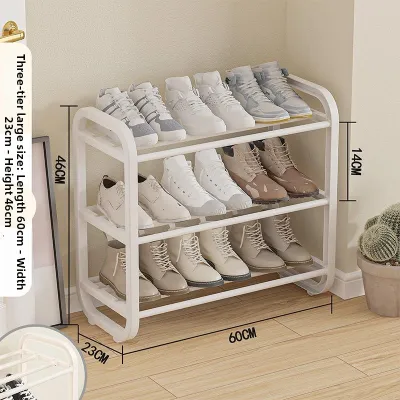
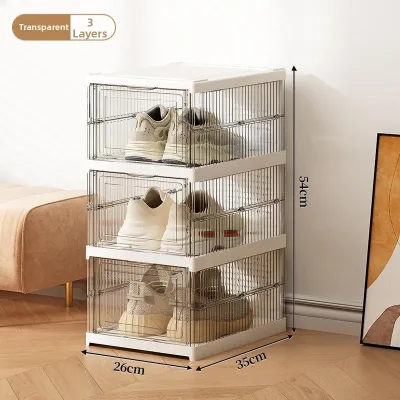
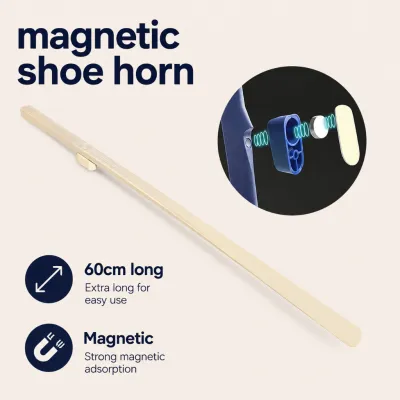
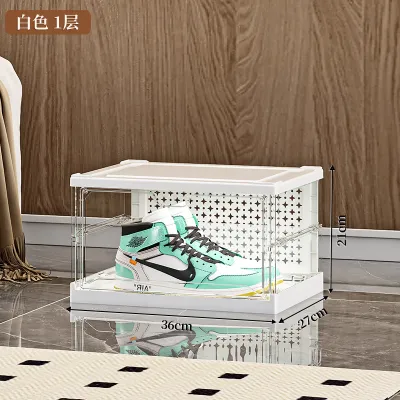
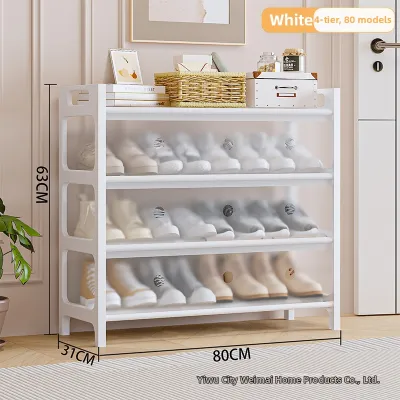
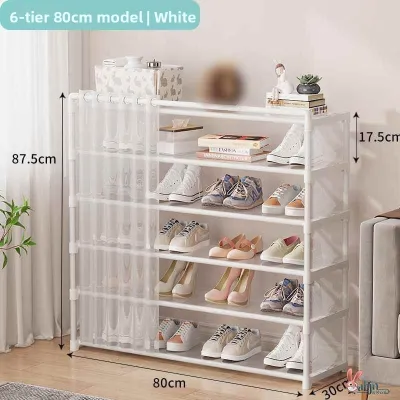
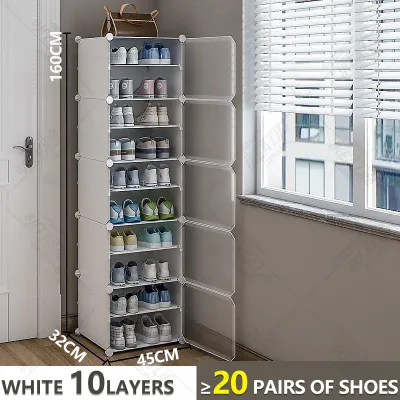
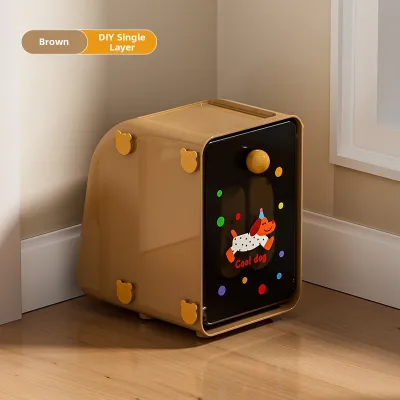
Prices are valid at publication and may change. Please refer to the product page for the latest price.
The structural materials used by different brands directly impact the unit’s long-term stability and weight capacity. Budget-friendly options often utilize thin plastic connectors and hollow metal tubes, which can sag or lean when fully loaded. Mid-range and premium brands typically employ engineered wood, solid timber, or heavy-duty steel frames. These materials offer the structural integrity needed to support dozens of pairs of shoes without tipping. When comparing brands, always check the specified load capacity per shelf and look for anchoring hardware, especially if you plan to install a tall, narrow unit in a high-traffic hallway.
Evaluating Dust Sealing Effectiveness
The level of dust protection a shoe rack provides depends heavily on its enclosure design and door mechanism. Solid swing doors with magnetic latches offer the highest level of sealing, creating a physical barrier that blocks almost all airborne dust. However, these doors require adequate clearance to swing open, which can be a limitation in narrow entryways or corridors. Sliding doors offer a space-saving alternative, though they may leave small gaps along the tracks where dust can slowly enter over time.

Fabric covers with zippers or magnetic closures are popular for their affordability and space-saving designs, but they present different sealing challenges. Roll-down fabric flaps often leave gaps at the bottom or sides, allowing dust to enter near the floor. Zippers provide a tighter seal but can wear out or jam with frequent use, compromising the enclosure. Additionally, the quality of the base sealing and back panel is crucial. Some budget models lack a solid back panel or a sealed base, leaving the rear and bottom of the unit open to dust accumulation from the wall and floor.
To assess dust sealing before buying, inspect product details and user photos on e-commerce platforms for specific quality indicators. Look for tight seams along the fabric edges, robust zipper tracks, and magnetic strips that run the full length of the door closures. For wooden or plastic cabinets, check for rubber gaskets or overlapping door lips that minimize gaps when closed. Reading customer reviews specifically mentioning dust accumulation can also provide valuable insights into how well a particular model performs in real-world conditions.
Capacity vs. Footprint: Finding the Right Fit
Balancing maximum storage volume with the physical footprint of your shoe rack is essential for maintaining an organized and functional entryway. Advertised shoe capacities are often calculated using small, narrow shoes placed tightly together. To find the actual usable capacity for your household, you should measure the width of your widest shoes and divide the shelf width by that measurement. This calculation prevents overcrowding and ensures that bulkier footwear, such as athletic sneakers or leather dress shoes, can be stored without being crushed or deformed.
The layout of your home will largely dictate whether a vertical or horizontal shoe rack is more suitable. Tall, narrow vertical racks maximize vertical space, making them ideal for tight corners or small entryways common in HDB flats. However, these units have a higher center of gravity and must be securely anchored to the wall to prevent tipping. Wide, low-profile consoles offer a stable alternative and can double as an entryway bench or display surface, but they require significant floor space and may block narrow hallways.
Before finalizing any purchase, precise measurements of your designated space are mandatory. You must account for the door swing radius of swing-door cabinets, ensuring they do not block main walkways or strike adjacent walls when opened. For pull-out drawer designs, verify that there is enough clearance for you to stand comfortably in front of the unit while pulling the drawers to their full extension. Additionally, check for baseboard clearance at the bottom of the wall, as this can prevent the shoe rack from sitting flush against the wall, creating a gap where dust and small items can fall.
Price Tiers and Value Trade-offs
The market for dustproof shoe racks in Singapore spans several price tiers, each offering distinct trade-offs in terms of durability, sealing quality, and aesthetics. The budget tier, typically ranging from S$15 to S$40, consists primarily of lightweight metal frames with non-woven fabric or plastic covers. While highly affordable and easy to transport, these models generally offer lower structural stability and less effective dust sealing. The fabric covers can degrade over time due to humidity, and the zippers may fail with daily use, making them best suited for temporary living arrangements or low-traffic storage.
The mid-range tier, generally priced between S$50 and S$150, features engineered wood, bamboo, or molded plastic cabinets. These units offer a more polished appearance that blends well with modern home decor while providing moderate to high dust protection. Many mid-range models include adjustable shelves and solid doors, balancing functionality with cost-effectiveness. The main trade-offs in this tier involve the quality of the hardware, such as hinges and drawer slides, which may require occasional adjustment or tightening over years of use.
The premium tier, starting from S$200 and extending upward, includes solid wood, high-grade metal, or custom-built cabinetry. These units feature superior dust sealing with precision-engineered joints, soft-close hinges, and high-quality finishes that resist moisture and scratches. Premium shoe racks offer the longest lifespan and the best structural stability, making them a worthwhile investment for homeowners seeking a permanent storage solution. The primary trade-off is the high upfront cost and the potential need for professional assembly, as these units are often heavy and complex to put together.
Decision Framework: Choosing the Right Enclosure Type
Selecting the ideal dustproof shoe rack depends on your housing situation, budget, and specific storage needs. If you own your home and prioritize maximum dust protection, odor containment, and a seamless entryway aesthetic, a fully enclosed wooden or high-grade plastic cabinet is the most suitable choice. These solid structures provide a reliable barrier against dust and can be anchored securely to the wall for safety. They also offer a clean, uncluttered look that enhances your home’s interior design.
For renters, students, or those on a strict budget, a lightweight shoe rack with a zippered or magnetic fabric cover offers a practical and flexible solution. These units are easy to assemble, disassemble, and transport during moves, and their low cost makes them easy to replace if your storage needs change. While they may not offer the same level of dust sealing or durability as solid cabinets, they provide adequate protection for seasonal footwear or temporary storage in utility rooms and closets.
Before making your final decision, always verify that the internal dimensions of your chosen model can accommodate your largest shoes. Check the manufacturer’s assembly instructions to ensure you have the necessary tools and skills, or consider paying for professional assembly services if purchasing a heavy, flat-pack wooden cabinet. By carefully matching the rack’s specifications to your household’s footwear collection and spatial constraints, you can ensure a successful purchase that keeps your shoes organized and protected.
Frequently Asked Questions (FAQ)
How often should I clean the inside of a dustproof shoe rack?
You should aim to wipe down the interior of your shoe rack every three to six months, depending on how frequently you use it. In Singapore’s humid climate, dust and moisture can combine to create an environment where mold thrives. Use a damp microfiber cloth with a mild disinfectant to clean the shelves, and allow the unit to dry completely before replacing your shoes. Placing disposable moisture absorbers or silica gel packs inside the cabinet can help control humidity levels and prevent musty odors from developing.
Can I modify the shelves in a branded dustproof shoe rack?
Your ability to modify the shelves depends entirely on the rack’s construction. Many mid-range and premium wooden cabinets come with pre-drilled peg holes, allowing you to easily adjust the shelf heights to accommodate boots or high heels. However, budget models with fixed metal frames or fabric shelves cannot be modified without compromising their structural integrity. You should avoid drilling new holes or cutting structural panels in budget units, as this can cause the rack to sag, wobble, or collapse under the weight of your shoes.
Do dustproof shoe racks prevent mold on leather shoes?
While dustproof shoe racks are excellent at blocking airborne particles, fully sealed units can actually promote mold growth on leather shoes by trapping moisture. Leather is a natural material that needs to breathe, and storing damp shoes in an airtight cabinet in Singapore’s high humidity is a recipe for mold. To protect your leather footwear, ensure your shoes are completely dry before storing them, leave adequate space between pairs for air circulation, and use active desiccants or cedar shoe trees inside the cabinet to absorb excess moisture.

Community discussion
Share your experience or ask a question. Comments are reviewed before publication.