
Finding the right coat rack in Singapore requires balancing immediate storage needs with the physical realities of local homes. Whether you are organizing everyday workwear in a compact HDB foyer or setting up a dedicated dressing area in a condominium bedroom, the ideal organizer must fit your space without disrupting daily foot traffic. By evaluating storage capacity, material stability under high humidity, and overall design value, you can select a unit that keeps your garments pristine and your entryway clutter-free.
Identifying Your Space and Clothes Rack Storage Requirements
Before browsing online marketplaces or visiting local furniture showrooms, you must establish the physical boundaries of your room. Start by measuring the exact floor footprint where the rack will stand. Entryways and hallways in Singapore apartments are often narrow, meaning a rack with an overly wide base can easily obstruct walkways. Beyond the base, measure the vertical clearance, especially if you plan to place the rack under wall-mounted air conditioning units, low beams, or decorative light fixtures. Do not forget to account for the swing radius of nearby doors, wardrobe panels, or cabinet drawers to prevent accidental collisions.
Next, audit your wardrobe to estimate your baseline load requirements. Consider the types of items you intend to hang regularly. Heavy winter coats used for overseas travel, structured business blazers, bulky handbags, and damp umbrellas all exert different physical demands on a frame. Estimate the total weight and volume of these items. If your collection consists primarily of heavy leather bags and multiple jackets, you will require a structurally reinforced frame rather than a lightweight decorative stand.
Products mentioned in this guide
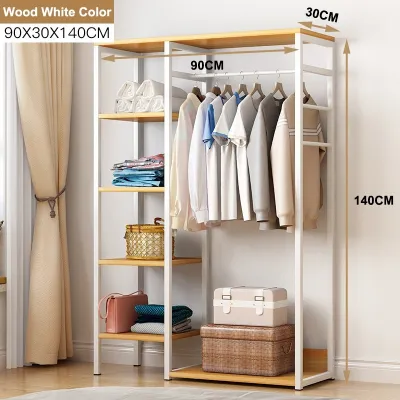
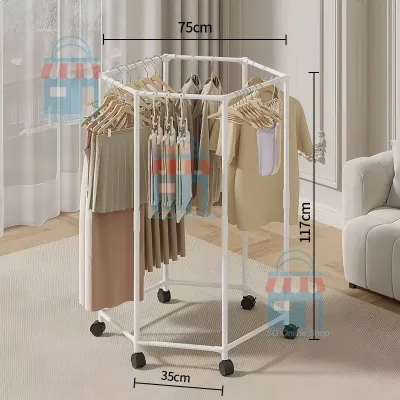
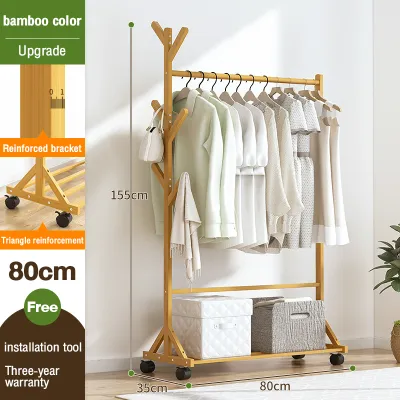
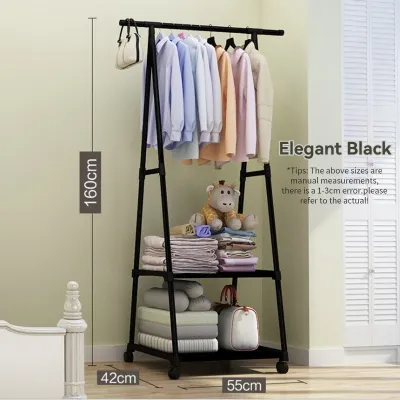
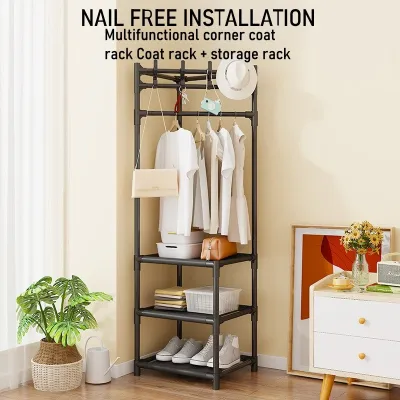

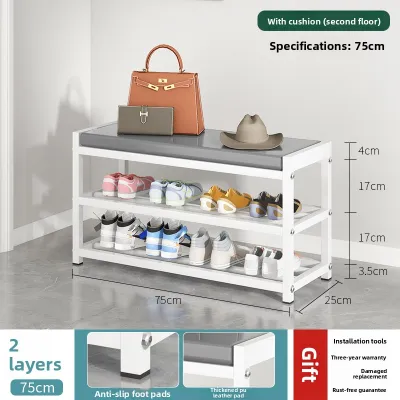
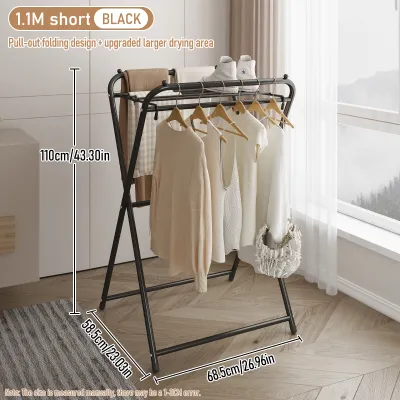
Prices are valid at publication and may change. Please refer to the product page for the latest price.
Finally, consider the logistics of getting the furniture into your home. Many Singapore residents live in high-rise developments where elevator dimensions and staircase turns present tight clearances. Before purchasing a large, pre-assembled coat rack or an exceptionally long flat-pack box, check your building’s lift door width, interior height, and diagonal clearance. Ensuring the package can safely travel from the delivery bay to your front door prevents costly return fees and delivery day frustrations.
Comparing Storage Capacity Across Brand Categories
Storage capacity is not merely a function of overall height; it depends heavily on how efficiently the manufacturer utilizes the unit’s physical dimensions. When comparing different brand categories, analyze the tier configurations and the length of the main hanging rails. Some designs prioritize vertical hanging space with multiple tiers of hooks at varying heights, which is ideal for bags, hats, and keys. Others focus on a single, continuous horizontal rail that maximizes hanger capacity. Look closely at the ratio of usable hanging space to dead space—some ornate designs feature wide, decorative frames that offer surprisingly few functional hanging points.

To ensure long-term safety and performance, always verify the manufacturer-stated weight limits. These limits are typically broken down per shelf, per hook, and for the overall unit. A rack that looks robust may have a surprisingly low weight threshold if it relies on thin joints or lightweight materials. Overloading a rack beyond these specifications leads to gradual sagging, joint warping, or sudden structural failure. This is particularly critical if you plan to store heavy items like wet raincoats or dense backpacks.
Additionally, look for adjustable components that allow the storage layout to evolve over time. High-quality modular designs often feature height-adjustable shelves, repositionable hooks, or extendable hanging rails. This adaptability is highly beneficial in Singapore, where seasonal wardrobe changes—such as packing away heavy travel gear after a holiday—require quick reconfigurations. A flexible layout ensures the rack remains highly functional throughout the year, rather than becoming an awkward, underutilized piece of furniture.
Evaluating Design Quality and Material Stability
A coat rack must remain perfectly upright and stable, even when loaded unevenly. When evaluating build quality, pay close attention to the joint types and the design of the base. Look for robust connection hardware, such as threaded metal inserts or heavy-duty bolts, rather than simple wood screws that can strip over time. The width of the base and the overall center of gravity are critical; a wider, heavier base significantly reduces the risk of the rack tipping over when a heavy bag is hung on one side.
Singapore’s tropical climate, characterized by high relative humidity year-round, poses unique challenges for furniture preservation. Without proper surface treatments, metal frames can rust, solid wood can warp or split, and low-grade engineered wood can swell and peel. When selecting a brand, check the specific material seals and finishes used. Look for powder-coated or rust-resistant finishes on metal components, and moisture-resistant sealants or lacquers on wooden elements. These protective barriers are essential for maintaining both the structural integrity and the appearance of the rack over years of exposure to humid air.
Fabric protection is another vital design consideration that is easily overlooked. Inspect the smoothness of the hanging rails, hooks, and edges. Rough welds on metal racks, or splintered edges on wooden stands, can easily snag and ruin delicate fabrics like silk scarves, knitwear, or fine linen shirts. High-quality brands take the time to grind down welds smoothly and apply multiple coats of protective finish to ensure every contact surface is completely snag-free.
Assessing Value, Assembly, and Retailer Support
When calculating the true cost of a coat rack, you must look beyond the initial purchase price to consider assembly effort and delivery logistics. Many budget-friendly options are sold as flat-packs, requiring self-assembly. Evaluate the complexity of the assembly process and check whether the package includes all necessary tools, or if you will need your own drill and screwdrivers. If you prefer to avoid the hassle of DIY assembly, look for retailers that offer professional assembly services, either included in the price or as a reasonable add-on fee.
Post-purchase support is another key indicator of overall value. Review the retailer’s warranty terms and return policies, particularly regarding parts that arrive damaged or missing from flat-packs. Reliable brands typically offer clear channels for claiming replacement hardware or swapping out defective panels. Knowing you can easily source a replacement screw or a matching hook years down the road adds significant long-term value to your purchase, saving you from having to replace the entire unit due to a single broken component.
Versatility is the final component of the value equation. A well-designed coat rack should be adaptable enough to transition to different rooms or homes. If you relocate from a rental apartment to a permanent home, or simply decide to redecorate, a versatile rack can easily move from the entryway to a bedroom, walk-in wardrobe, or even a utility room. Choosing a timeless, neutral design with a highly adaptable configuration ensures your investment continues to pay off even as your living situation changes.
Decision Framework: Matching Brand Profiles to Your Needs
To simplify your purchasing decision, it is helpful to categorize available options into three distinct brand profiles based on material, construction, and design intent. Your choice should align with your budget, aesthetic preferences, and how long you plan to stay in your current residence.
Mass-market modular brands are highly suited for those who prioritize budget-friendly flexibility and frequent layout changes. These systems often feature lightweight metal or plastic connectors and engineered wood shelves that can be reconfigured as your storage needs evolve. They are widely available, easy to transport, and simple to modify with add-on accessories. However, they may have lower weight capacities and a shorter lifespan under heavy daily use compared to premium alternatives.
Premium solid-wood or high-density engineered-wood brands are ideal if you prioritize seamless aesthetic integration with your existing decor, heavy load-bearing capacity, and long-term durability. These racks function as statement furniture pieces, offering superior stability and a warm, natural aesthetic. While they require a higher initial investment and are often heavier to move, their robust construction ensures they can support heavy bags and coats without bowing or tipping.
Minimalist metal or wire brands offer an excellent solution for very small footprints and high-moisture environments, such as bathrooms or semi-outdoor service yards. These racks typically feature powder-coated steel or stainless steel frames that resist rust and are incredibly easy to wipe clean. Their open, airy designs provide high visual lightness, making small entryways feel less cluttered while still offering reliable structural strength.
If you are currently renting or planning to move in the near future, pay close attention to how easily the unit can be disassembled. Opt for freestanding models that do not require wall drilling, as this avoids potential disputes over security deposits and saves you the effort of patching and repainting walls. Ensure the assembly joints are designed to withstand being unscrewed and reassembled multiple times without losing their structural integrity.
| Brand Profile | Storage Capacity | Design Footprint | Assembly Effort | Best Suited For |
|---|---|---|---|---|
| Mass-Market Modular | Moderate to High (highly customizable) | Medium to Large | Moderate (DIY flat-pack) | Budget-conscious buyers, temporary setups, and evolving wardrobes |
| Premium Solid-Wood | High (sturdy hooks and shelves) | Medium (often heavier bases) | Low to Moderate (often pre-assembled options) | Long-term homeowners seeking aesthetic appeal and high weight capacity |
| Minimalist Metal/Wire | Moderate (focused on hanging rails) | Small to Medium (space-saving) | Low (simple bolt assembly) | Small apartments, humid zones, and modern industrial aesthetics |
Frequently Asked Questions (FAQ)
Should I choose a freestanding or wall-mounted coat rack?
Deciding between a freestanding and a wall-mounted coat rack depends primarily on your available floor space, wall construction, and housing tenure. Freestanding racks offer the ultimate flexibility; they require no installation tools, can be moved instantly to any room, and eliminate the risk of damaging your walls. However, they do occupy valuable floor real estate and can pose a tipping hazard if overloaded unevenly. Wall-mounted racks, on the other hand, keep your floors completely clear and create a lighter, more minimalist look, making them ideal for tight entryways.
If you lean toward a wall-mounted option, you must verify your wall type and load-bearing capacity. Singapore homes typically feature a mix of solid concrete structural walls and hollow drywall partitions. Mounting a heavy coat rack loaded with bags onto drywall requires specialized hollow-wall anchors to prevent the unit from pulling out and damaging the plaster. For concrete walls, you will need a hammer drill and masonry plugs to ensure a secure, permanent hold that can safely support heavy loads.
Finally, consider your tenancy agreement if you are renting. Most landlords in Singapore restrict tenants from drilling holes into walls, or require them to professionally patch and repaint any damage before moving out. If you want to avoid the hassle of wall repairs and ensure you get your security deposit back, a sturdy freestanding coat rack is generally the safer and more convenient choice.

Community discussion
Share your experience or ask a question. Comments are reviewed before publication.