
Finding a sofa bed that delivers the ultra-plush, sink-in comfort of a cloud bed while functioning as a reliable sleeping surface requires a careful balance of design and engineering. In Singapore, where multi-functional furniture is essential for maximizing space in HDB flats and condominiums, the “cloud bed” aesthetic has transitioned from traditional bedroom frames into convertible living room sofas. However, the very characteristics that make a cloud sofa so inviting—deep seats, loose cushions, and feather-soft fills—can conflict with the firm support and structural rigidity needed for a healthy night’s sleep. To find the right option for your home, you must evaluate how different designs manage this tension between luxurious lounging and practical, space-saving utility.
Defining the "Cloud Bed" Sofa: Comfort vs. Multi-Functionality
A standard cloud bed is a fixed bed frame characterized by an overstuffed, heavily padded headboard and frame, designed solely for bedroom use. In contrast, a cloud-style sofa bed is a multi-functional living room piece that mimics this pillowy, relaxed aesthetic while housing a hidden convertible mechanism. This distinction is crucial because the structural demands of the two furniture types are fundamentally different.
The primary challenge with cloud-style sofa beds lies in the seating-to-sleeping transition. True cloud seating relies on deep, low-density cushioning that allows you to sink deep into the frame. However, a supportive sleeping surface requires a flatter, firmer, and more resilient foundation to prevent spinal misalignment. Balancing these opposing needs requires clever engineering that does not compromise on either comfort or long-term durability.
Products mentioned in this guide
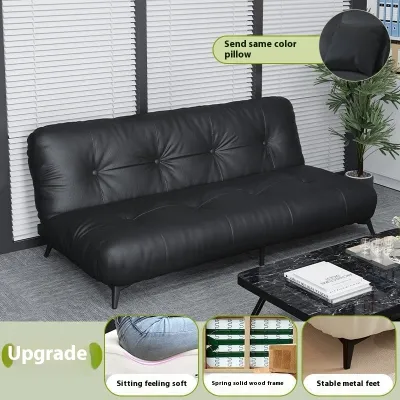
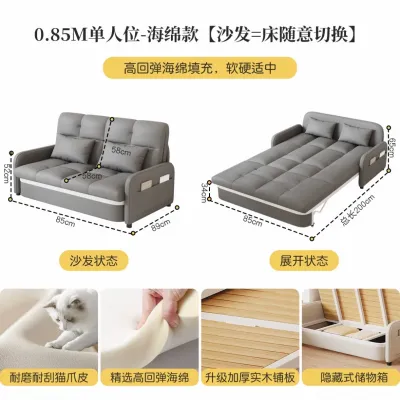
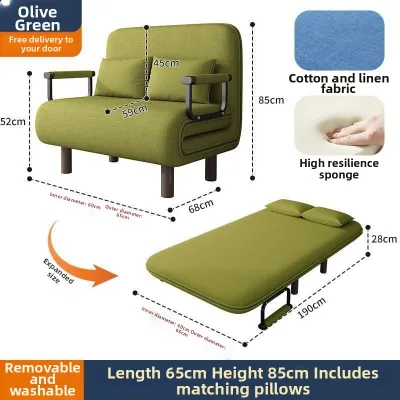
Prices are valid at publication and may change. Please refer to the product page for the latest price.
When evaluating these dual-purpose pieces, look for models that utilize a multi-layered cushion design. A high-density polyurethane foam core provides the necessary structural support and prevents the cushion from bottoming out against the underlying metal or wooden mechanism. Surrounding this core, a thick wrap of down-alternative fibers or microfiber clusters delivers that signature, lofty “cloud” feel without sacrificing the resilience needed for daily seating and sleeping. Additionally, the upholstery fabric must have sufficient stretch to accommodate the shifting of the cushions during conversion without tearing or developing permanent wrinkles.
Core Comparison Dimensions for Cloud-Style Sofa Beds
To achieve the perfect balance of seating and sleeping comfort, inspect the internal construction of the mattress or sleeping platform. If the sofa bed uses a pull-out mattress, ensure the mattress thickness is sufficient to mask the feel of the support bars underneath. For designs where the sofa cushions themselves unfold to become the bed, look for high-resilience (HR) foam with a density rating of at least 30 kg/m³. This ensures the foam bounces back after prolonged pressure, maintaining both its aesthetic shape and its supportive properties over years of use.

Singapore’s compact residential layouts demand precise spatial planning. Before committing to a cloud-style sofa bed, measure your living room’s available footprint in both its fully closed and fully extended states. Pull-out mechanisms typically require significant clearance in front of the sofa, often extending up to 230 centimeters from the back wall. Fold-down or “click-clack” designs, on the other hand, may require you to pull the sofa frame away from the wall before reclining the backrest. Ensure there is at least 60 centimeters of walking clearance around the extended bed to allow for comfortable movement through the room.
The humid climate of Singapore makes fabric selection and maintenance critical for multi-functional furniture. Cloud-style sofas are prone to collecting dust and spills due to their deep crevices and loose cushion designs. Prioritize models featuring fully removable and machine-washable covers, which make deep cleaning significantly easier. Look for performance fabrics treated with water- and stain-resistant barriers, or high-durability weaves with a Martindale rub count of 20,000 or higher. These specifications ensure the fabric can withstand the friction of daily sitting, sleeping, and frequent washing without pilling or thinning.
Assessing Durability and Mechanisms in Convertible Designs
The longevity of a convertible cloud bed depends heavily on its hidden structural frame. Because these pieces undergo regular mechanical stress during conversion, the frame must be constructed from robust materials. Look for kiln-dried hardwood frames, such as birch or oak, which resist warping in Singapore’s high humidity. Avoid frames constructed primarily from low-density engineered woods like particleboard in load-bearing areas, as these can crack or strip around screw joints under the weight of multiple users. Reinforced steel joints and corner blocks are essential indicators of a high-quality build.
A high-quality sofa bed mechanism should operate smoothly without requiring excessive physical exertion. When testing a model in a showroom, pay close attention to the transition process. The pull-out or folding action should feel fluid, without catching, grinding, or requiring you to force the frame into place. Safety is equally important; inspect the mechanism for covered pinch points to protect fingers during operation. The locking systems should engage with a clear, secure click, ensuring the bed remains stable and does not shift or partially collapse when you roll over at night.
Always verify the manufacturer’s specified weight capacity for both the sofa and bed configurations. A reliable double-sized cloud sofa bed should comfortably support a static weight of at least 200 to 250 kilograms. This capacity is determined by the strength of the support deck—whether it uses a traditional spring suspension, a robust wooden slat system, or a reinforced polypropylene deck. Slat systems provide excellent airflow and targeted support, which is highly beneficial for preventing heat retention during warm Singapore nights.
Decision Framework: Choosing the Right Cloud Bed for Your Home
Choose a pull-out mechanism if you plan to host overnight guests frequently and want to offer a traditional, flat mattress experience. This design keeps the sleeping surface separate from the daily seating cushions, preserving the plushness of your sofa while providing a dedicated, supportive mattress for sleep. Ensure you have ample floor space to accommodate the extended frame without blocking essential pathways or doorways.
Choose a click-clack or fold-down design if your living area is highly constrained and you prioritize a quick, effortless transition. These models typically have a shallower depth than pull-out designs, making them ideal for study rooms or narrow living spaces. Because the seating surface doubles as the sleeping surface, look for models with uniform cushion firmness across the entire frame to avoid uncomfortable gaps or uneven support zones.
Choose modular cloud configurations if you prefer maximum seating flexibility and want to avoid mechanical parts altogether. Modular units can be rearranged, allowing you to push an ottoman against a deep-seated corner module to create a spacious, makeshift bed. This option is perfect for casual lounging and occasional guest use, as it completely eliminates the risk of mechanical failure and preserves the ultimate, uninterrupted “cloud” comfort.
Before finalizing your purchase, carefully measure the delivery pathway from the building’s drop-off point to your living room. In Singapore, tight condominium corridors, low HDB lift ceilings, and narrow apartment doorways are common obstacles. Check the dimensions of the largest indivisible section of the sofa bed against your lift door height, lift cabin depth, and home entryway. Many high-quality brands provide detailed packaging dimensions; comparing these against your home’s access points will prevent the frustration of a failed delivery.
Frequently Asked Questions (FAQ)
How do I maintain the plushness of a cloud-style sofa bed?
To keep your cloud-style sofa bed looking lofty and prevent the cushions from sagging, establish a regular fluffing routine. Rotate and flip the loose cushions at least once a week to distribute wear evenly. If the cushions contain down or fiber fill, pat them vigorously from all sides to restore air pockets within the filling. Vacuum the crevices regularly using an upholstery attachment to remove dust and fibers that can compress the fill over time.
Can a cloud-style sofa bed be used as a primary bed?
While high-end cloud sofa beds offer excellent comfort, they are generally not recommended as a primary, nightly sleeping solution. The folding mechanisms and split cushion designs can create uneven pressure points over extended use, potentially leading to back discomfort. If you must use it nightly, prioritize a model with a thick, high-resilience foam or pocket-spring mattress, and consider adding a supportive mattress topper to create a seamless, ergonomic sleeping surface.
What should I check before ordering a large sofa bed online?
Before ordering online, verify the retailer’s return policy, warranty coverage on the mechanical parts, and delivery services. Confirm whether the delivery team provides assembly and placement inside your home, as heavy sofa bed mechanisms can be extremely difficult to maneuver alone. Always request fabric swatches if available to verify the color and texture under your home’s lighting, and double-check that the packaged dimensions can clear your building’s lift and doorways.

Community discussion
Share your experience or ask a question. Comments are reviewed before publication.