
Finding the right cloth rack in Singapore requires balancing structural durability, spatial footprint, and cost. With many homes, such as HDB flats and condominiums, featuring compact layouts and dedicated service yards, selecting a rack is not just about aesthetics but also about how well the unit handles daily laundry routines and high tropical humidity. Instead of relying on subjective brand rankings, you can make an informed decision by systematically comparing build quality, design configurations, and price tiers against your specific household needs.
To choose a reliable cloth rack, you must look beyond marketing buzzwords and examine the physical specifications of each model. Different brands cater to distinct segments, from lightweight, budget-friendly organizers to heavy-duty, industrial-grade systems. By understanding how to verify material finishes, joint stability, and load capacities, you can identify which options offer genuine longevity and safety for your living space.
Key Factors for Evaluating Cloth Rack Quality
Evaluating the quality of a cloth rack begins with a close inspection of the frame material and its protective finish. In Singapore’s humid climate, metal frames are highly susceptible to oxidation if left unprotected. When browsing different brands, check the manufacturer’s specifications for terms like “powder-coated steel,” “stainless steel,” or “chrome plating.” A simple material name like “steel” or “iron” does not guarantee rust resistance; instead, look for explicit details regarding multi-layer rust-resistant coatings. For wooden or bamboo racks, verify if the surface has been treated with a moisture-resistant sealant or lacquer, which helps prevent mold growth in poorly ventilated rooms or service yards.
Products mentioned in this guide
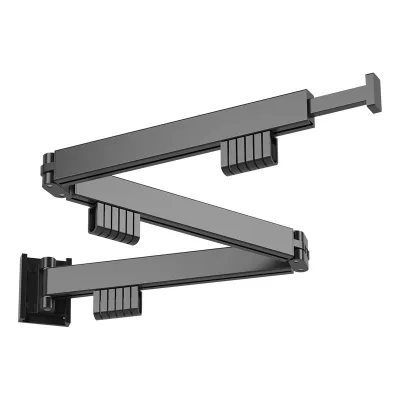
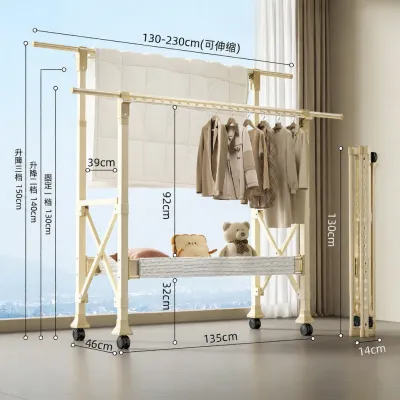
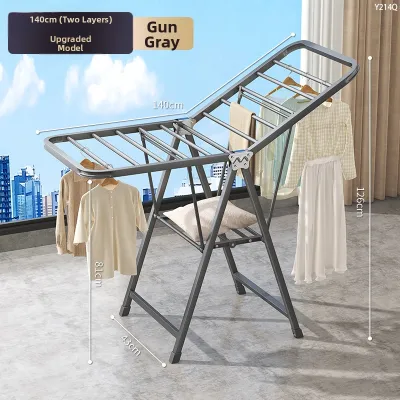

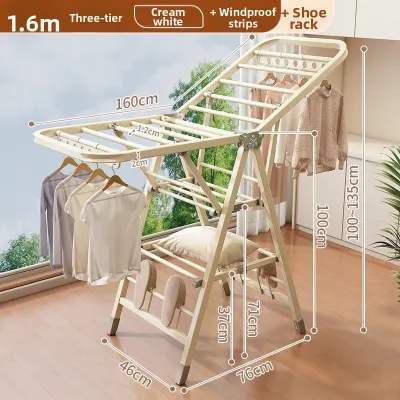
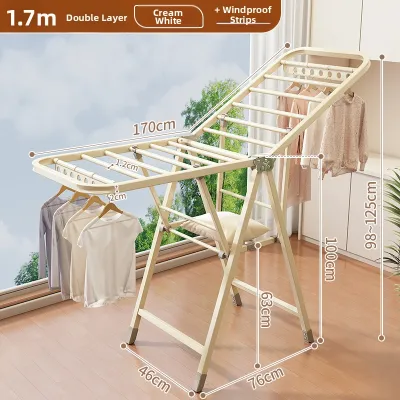
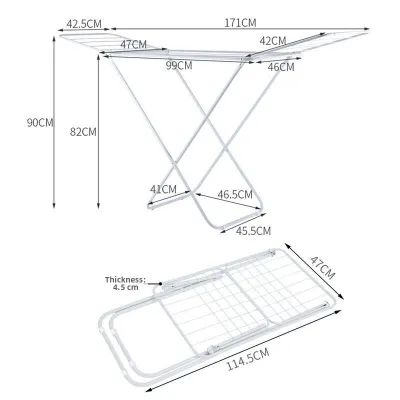
Prices are valid at publication and may change. Please refer to the product page for the latest price.
The structural integrity of a rack is heavily dependent on its joints and connection points. Racks that rely on plastic connectors or simple push-fit joints often suffer from structural wobble over time, especially when loaded to capacity. When comparing brands, look for models that utilize heavy-duty metal screws, locking nuts, or fully welded joints. If you are inspecting a physical display unit, gently shake the frame to check for lateral sway. Well-engineered brands design their connection points to distribute weight evenly across the vertical supports, minimizing the risk of joint failure under daily use.
Weight capacity is another critical quality indicator that must be verified through official manufacturer labels rather than visual estimation. A thick-looking frame does not automatically translate to a high load capacity if the joints or base design are weak. Always locate the certified weight limit, which is typically specified in kilograms (kg). When evaluating these limits, consider how you plan to distribute the weight. A high-quality rack should remain stable even when loaded unevenly, but you should always verify the manufacturer’s guidelines regarding maximum weight per rail or shelf to prevent structural warping.
Design, Footprint, and Space Integration
Before purchasing any cloth rack, measuring your available floor space and planning the path of entry is essential. In many Singaporean apartments, tight hallways, narrow doorways, and passenger lift dimensions can restrict the transport of fully assembled furniture. If you are opting for a pre-assembled or heavy-duty welded rack, verify the finished dimensions against your doorway and lift clearances to avoid delivery complications. For flat-packed or modular units, ensure the designated assembly area provides enough clearance for you to safely construct the frame without damaging nearby walls or glass fixtures.

The base design of the rack directly influences its stability and mobility within your home. Freestanding racks with flat, wide bases or weighted bottom shelves offer excellent stability on level flooring, making them ideal for permanent bedroom setups. If you require flexibility, such as moving laundry from the service yard to the balcony to catch the afternoon sun, look for brands that offer heavy-duty caster wheels with integrated locking mechanisms. Tripod bases can save floor space but require careful placement to ensure they do not obstruct high-traffic walkways or tip over on uneven tile grout lines.
Hanging configurations should align with your actual wardrobe volume and the types of garments you own. Single-rail racks are excellent for long dresses, coats, and trousers, providing clean lines and easy access. Double-rail or tiered configurations maximize vertical space, allowing you to hang shorter items like shirts and folded trousers on separate levels, often accompanied by wire baskets or bottom shelves for shoes and storage boxes. Compare the vertical clearance between rails on multi-tiered models to ensure your garments will not drag on the lower shelves or the floor.
Navigating Price Points and Value
The Singapore market features a wide spectrum of cloth rack prices, which can be broadly categorized into three main tiers based on current retail listings. The economy tier, typically priced under S$30, consists of lightweight, flat-packed metal or plastic composite racks widely available on online marketplaces. While highly affordable, these models are best suited for light garments and temporary storage. The mid-range tier, spanning from S$30 to S$100, offers sturdier powder-coated steel, solid bamboo, or reinforced aluminum frames with better joint hardware and higher weight capacities. The premium tier, exceeding S$100, includes heavy-duty industrial garment racks, modular wardrobe systems, and designer wooden pieces from specialized furniture retailers.
Understanding what drives these price differences helps you determine whether a higher upfront cost is justified. Premium price points often reflect specialized manufacturing processes, such as seamless welding, scratch-resistant industrial finishes, or the integration of high-quality materials like solid oak or walnut. Additionally, higher-end brands may include convenient design features such as integrated full-length mirrors, adjustable height mechanisms, or modular add-ons that allow you to expand the rack as your storage needs grow. Some premium retailers also bundle professional delivery and on-site assembly services into the purchase price, saving you the time and effort of DIY construction.
To assess the long-term value of a cloth rack, always check the manufacturer’s warranty terms and the availability of replacement parts. A low-cost rack may seem economical initially, but if a single plastic joint cracks and cannot be replaced, the entire unit becomes unusable. Reputable brands often provide warranties covering structural defects for a specified period, and they maintain an inventory of spare parts, such as replacement casters, screws, or connectors. Checking these policies before buying provides a practical indicator of manufacturer confidence and ensures your investment remains functional for years to come.
Decision Framework: Matching the Rack to Your Needs
To finalize your choice, match the structural specifications of the rack to your primary use case and household environment. If your main goal is to dry heavy laundry, damp towels, or store dense winter wear, prioritize a heavy-duty metal rack with a wide, stable base and a high certified weight capacity. These robust frames are engineered to withstand the physical stress of heavy, wet fabrics without bending or tipping.
Conversely, if you need a rack for a compact bedroom or entryway to display a few daily outfits, a minimalist wooden or wire rack is often the most suitable choice. These designs focus on a small physical footprint and aesthetic integration, serving as an elegant extension of your home decor while keeping your frequently used accessories easily accessible.
Safety must be the primary consideration in households with active children or pets. Before purchasing, verify the assembly requirements, weight distribution limits, and whether the product includes wall-anchoring hardware. Freestanding racks can pose a serious tip-over hazard if climbed on or pulled, so securing the unit to a solid wall is highly recommended in these environments.
Always operate the cloth rack within its specified limits. If your intended placement or usage conflicts with the manufacturer’s environmental guidelines—such as placing an indoor-only wooden rack in an exposed, damp outdoor balcony—stop and consult the manufacturer or a qualified professional for alternative space-saving solutions.
Frequently Asked Questions (FAQ)
How can I prevent a freestanding cloth rack from tipping over?
To prevent a freestanding cloth rack from tipping, always distribute the weight of your garments evenly across the rails. Place heavier items, such as coats, bags, or storage boxes, on the lower shelves or near the center of the base to maintain a low center of gravity. Avoid hanging all heavy items on one side or overloading the ends of the rails, which can cause the unit to tilt. Additionally, check the manufacturer’s instructions to see if the product includes wall-anchoring kits or anti-tip straps, and install them according to the guidelines. If you notice the frame bending, the base lifting during normal use, or the unit failing a gentle stability check, stop using the rack immediately and consult the manufacturer.
What is the best way to clean and maintain different rack materials?
Proper maintenance depends on the specific material of your cloth rack. For metal frames, regularly wipe down the surfaces with a dry or slightly damp microfiber cloth to remove dust and prevent moisture buildup, which can lead to rust. Avoid using harsh chemical cleaners or abrasive scrubbing pads unless the manufacturer explicitly recommends them, as these can scratch or degrade the protective powder coating or plating. For wooden or bamboo racks, dust the frame regularly and check the product label for specific care instructions, such as applying wood polish or maintaining a stable indoor humidity level to prevent warping. Periodically inspect the wheels, moving joints, and screw connections, clearing away any accumulated dust or hair, and tighten loose hardware to ensure the rack remains structurally sound.

Community discussion
Share your experience or ask a question. Comments are reviewed before publication.