
Finding the right backrest chair for a home office in Singapore involves looking beyond brand names and focusing on how a chair’s mechanical features align with your physical proportions. Because no single brand offers a universal solution for every body type, the most effective lumbar support comes from highly adjustable components that can be tailored to your spine’s natural curve. When comparing options for long working hours, your decision should depend on verifiable adjustability ranges, material durability, and how well the chair supports your typical working postures.
In many Singapore households, home offices are set up in multi-purpose spaces, spare bedrooms, or designated study nooks. These environments often require furniture that can adapt to limited space while still providing the physical support needed for eight or more hours of continuous use. Investing in a chair with proper back support is not just about immediate comfort; it is about maintaining spinal alignment and reducing muscle fatigue over time. By understanding the key engineering features that distinguish different brands, you can make an informed choice that protects your physical well-being.
Core Lumbar Support Features to Compare Across Brands
When evaluating different brands, the design of the lumbar support system is the most critical factor for long-term comfort. Many entry-level models feature a fixed lumbar curve molded directly into the backrest frame. While this can work if your height closely matches the manufacturer’s default mold, it often leads to discomfort if the curve sits too high or too low against your lower back. For extended sitting, a fixed curve rarely provides the precise support required to prevent slouching.
Products mentioned in this guide
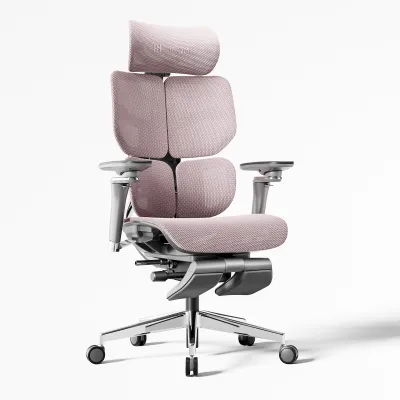
![[SG Ready Stocks] Ergonomic Office Chair - 8.5cm Thick Cushion + Antislip Surface Adjustable Backrest & Detachable Headrest Flip-Up Arms Rocking & Lock Function 15-Min Easy Assemble for Home/Office](https://img.lazcdn.com/g/p/056ecb65b2a442dd9a476ff654362085.jpg_400x400q80.jpg_.webp)
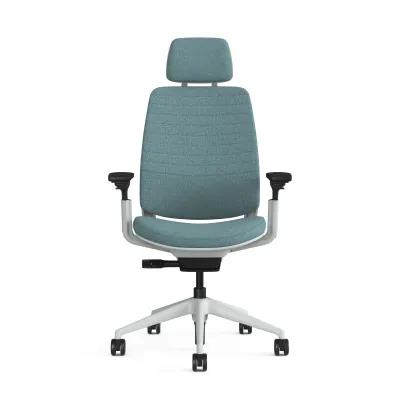
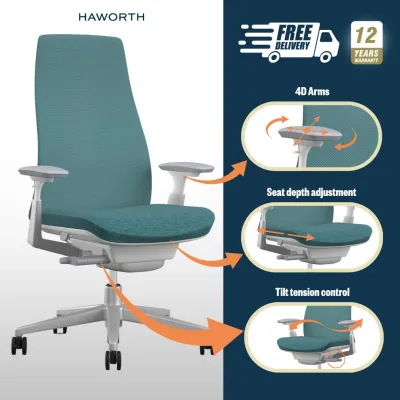
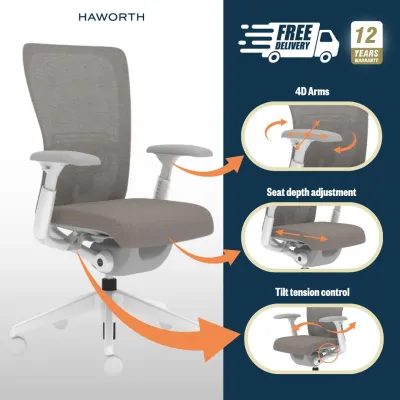
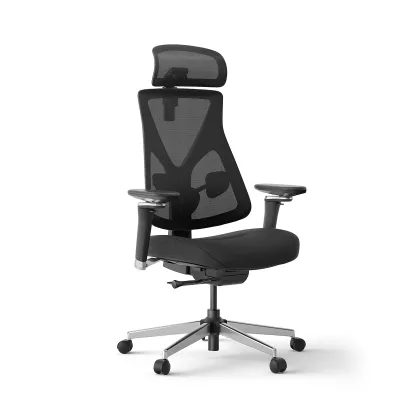
Prices are valid at publication and may change. Please refer to the product page for the latest price.
To ensure a precise fit, look for brands that offer adjustable lumbar pads. These systems generally allow you to adjust either the height, the depth, or both, letting you position the support exactly in the inward curve of your lower spine. Height adjustability ensures the pad targets the lumbar region, while depth adjustability controls how firmly the pad presses against your back. Some advanced designs feature independent lumbar panels that automatically adjust their depth based on the pressure applied when you sit back.
Another key distinction lies between dynamic backrest mechanisms and static recline locks. Dynamic systems are designed to pivot and shift automatically as you lean, maintaining continuous contact with your lower back. Static locks, on the other hand, require you to manually select a fixed angle, which can leave a gap between your back and the chair when you change postures. A dynamic system helps bridge this gap, ensuring your spine remains supported even as you shift throughout the day.
The choice of backrest material also directly impacts how well the lumbar support performs over time. Mesh backrests are highly popular in Singapore’s warm, humid climate due to their breathability, but they require high-quality tensioning to prevent sagging. When comparing brands, check the manufacturer’s specifications regarding mesh tension and weave durability. A high-quality elastomeric mesh will retain its elasticity and support your weight without stretching out, whereas lower-grade mesh may sag within a few months, rendering the lumbar support ineffective.
Evaluating Backrest Mechanisms and Adjustability
The mechanical core of an ergonomic chair determines how effectively it can adapt to your body throughout a long workday. When comparing brands, pay close attention to the recline range and the specific locking positions available. A chair that only locks in an upright position limits your ability to lean back comfortably during phone calls or reading tasks, which can increase muscle fatigue over time. Look for mechanisms that offer multiple tilt-lock positions or a smooth, continuous recline with adjustable tension.

Tension control is another essential feature to verify before making a purchase. High-quality mechanisms feature a tension control knob or lever that allows you to adjust the resistance of the backrest when reclining. This calibration is vital because a backrest that is too stiff will force you to strain to recline, while one that is too loose will fail to provide adequate support when you lean back. The tension should be adjustable to the point where you can recline effortlessly simply by shifting your body weight, yet feel fully supported when sitting upright.
To ensure structural safety and long-term durability, always check the manufacturer’s specified weight capacity and recommended user height ranges. A chair designed for a smaller frame may not provide the necessary backrest height or structural stability for a taller user, leading to poor alignment of the lumbar support. Conversely, a chair that is too large can prevent your feet from resting flat on the floor, compromising your overall sitting posture. Verify that the gas lift class—typically Class 4 for high-quality office chairs—matches your weight requirements for safe, reliable height adjustments.
Matching Chair Profiles to Different Work Postures
Your daily work habits and preferred sitting postures should heavily influence which brand profile you choose. If your work primarily consists of intensive upright typing, data entry, or reading, you will benefit most from a chair that offers firm, pronounced lower back support. For these tasks, look for models with adjustable seat depth, which allows you to slide the seat pan forward or backward to ensure your thighs are fully supported without pressing against the back of your knees. This adjustment helps distribute your weight evenly and prevents you from sliding forward, which can pull your lower back away from the lumbar support.
For those whose days involve frequent video conferences, brainstorming sessions, or periods of reclined thinking, a synchronized tilt mechanism is highly beneficial. This mechanism reclines the backrest and the seat pan at a set ratio, typically 2:1, which keeps your feet flat on the floor and maintains consistent lumbar contact as you tilt backward. This prevents the lumbar support from sliding up your back during a recline, ensuring your lower spine remains supported even when you are in a relaxed posture.
If you tend to fidget, shift positions, or stretch frequently while working, consider brands that focus on active sitting designs. These chairs often feature flexible backrests or dynamic lumbar systems that twist and flex with your lateral movements. This design encourages subtle micro-movements throughout the day, helping to stimulate blood flow and reduce muscle stiffness without sacrificing spinal support. These flexible frames allow you to stretch your upper body while keeping your lower back firmly anchored against the lumbar pad.
Space, Assembly, and Warranty Checks Before Buying
Before finalizing your purchase, it is essential to verify that the chair will physically fit your home office environment and can be easily delivered. In Singapore, where residential spaces and doorways can be tight, you must measure your available floor space, desk clearance height, and doorway or lift access widths. Ensure the chair’s maximum outer dimensions, including the armrests and base width, can easily pass through your entryway and fit comfortably under your desk. If you use a desk with drawers, check that the chair’s armrests can be lowered sufficiently to slide underneath when not in use.
Assembly conditions are another practical consideration to check beforehand. Some brands ship their chairs fully assembled, while others require extensive self-assembly. Review the manufacturer’s instructions to see if specialized tools are required or if the package includes everything needed to secure the heavy base, gas lift, and backrest safely. If you prefer not to handle the assembly yourself, check if the retailer offers professional delivery and installation services, which can ensure the chair is put together correctly and safely.
Finally, compare the warranty terms offered by different brands, as these are strong indicators of component quality. Pay close attention to the specific coverage periods for different parts; a brand might offer a long warranty on the structural frame but a much shorter one on the gas lift, recline mechanism, or mesh fabric. A comprehensive warranty that covers the moving parts for several years provides peace of mind and ensures that your investment is protected against premature mechanical failures or material defects.
Final Decision Framework for Home Office Workers
To choose the right backrest chair brand for your home office, use a structured decision framework based on your specific physical needs and working style. If you experience localized lower back fatigue and require highly targeted pressure, prioritize brands that feature independent, highly adjustable lumbar pads that let you fine-tune both height and depth. This level of customization allows you to address specific areas of discomfort and maintain a healthy spinal alignment throughout the day.
If you prefer a more seamless, adaptive feel and frequently shift your posture throughout the day, look for brands that offer flexible, dynamic mesh backrests. These systems automatically adjust to your movements, providing continuous, even support across your entire back without requiring manual adjustments every time you move. This option is particularly suitable for those who share a chair with other family members, as the self-adjusting tension accommodates different body types automatically.
If you have pre-existing spinal conditions, chronic back pain, or are recovering from an injury, avoid relying solely on standard retail descriptions. In these cases, it is critical to verify the chair’s specifications with the manufacturer or consult a qualified medical professional or ergonomist to ensure the chair’s support system aligns with your specific therapeutic requirements. Taking the time to test the chair in person, if possible, can also provide valuable insight into how the lumbar support feels under real-world conditions.
Frequently Asked Questions (FAQ)
How often should I adjust my backrest chair during long work hours?
While a well-adjusted backrest chair provides excellent support, staying in any single position for too long can lead to muscle fatigue and stiffness. Ergonomic guidelines generally recommend changing your posture or taking a short break every 30 to 60 minutes. You can use these intervals to make minor adjustments to your chair, such as unlocking the recline mechanism for a few minutes of active sitting or slightly shifting the height of your lumbar support to distribute pressure across different muscle groups. These small adjustments help keep your muscles active and prevent localized fatigue.
Does a higher price always guarantee better lumbar support?
A higher price tag does not automatically guarantee a better ergonomic fit for your specific body shape. Premium pricing often reflects advanced mechanical engineering, highly durable materials, longer warranty periods, and aesthetic design choices rather than a universally superior level of comfort. A moderately priced chair that offers precise adjustability for your height and back curve will always provide better lumbar support than an expensive, high-end model that does not fit your physical proportions. Focus on the adjustability features and structural specifications rather than the price tag alone.

Community discussion
Share your experience or ask a question. Comments are reviewed before publication.