
In space-constrained Singapore apartments, such as HDB flats and condominiums, the entryway is often a high-traffic bottleneck where every square centimeter counts. A well-chosen key holder serves as a dedicated organizational hub, preventing the daily frustration of misplaced keys while keeping the entry zone tidy. Selecting the right organizer requires balancing mounting restrictions, wall space, and the specific items you carry daily.
Assessing Your Entryway Space and Needs
To design an efficient entryway in a compact apartment, you must first understand the physical boundaries of your space. In many modern apartments, the foyer is either a narrow corridor or a small transition zone directly adjacent to the living room or kitchen. Before purchasing any organizing accessory, take precise measurements of the wall area near your main door.
You need to measure the available width, the vertical height, and, most importantly, the clearance depth when the front door is fully opened. A key holder that protrudes too far can easily obstruct the door’s swing path or become a constant bumping hazard for anyone entering the home.
Products mentioned in this guide
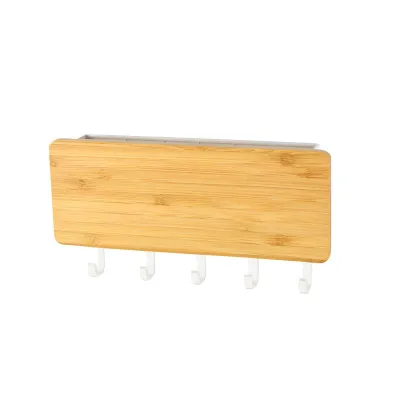
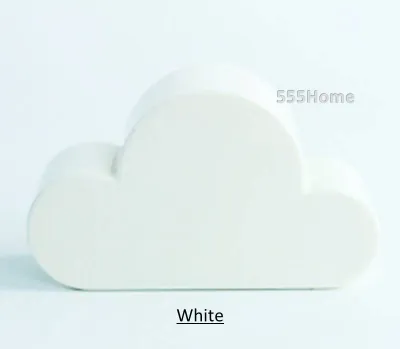
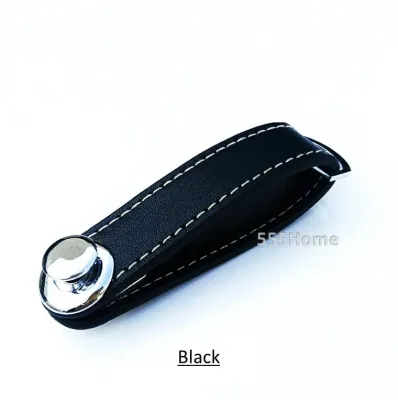
Prices are valid at publication and may change. Please refer to the product page for the latest price.
Beyond physical dimensions, cataloging the specific items you carry daily is essential for choosing the right organizer. A simple ring of keys requires very little support, but modern daily routines often involve a wider array of pocket items. Consider whether your household needs to store heavy car fobs, work lanyards, public transit cards, sunglasses, incoming mail, or compact folding umbrellas.
If you only need to hang two or three sets of keys, a minimalist row of hooks will suffice. However, if you need a landing pad for wallets, hand sanitizers, and letters, you will require a multi-functional unit that combines hooks with a shallow shelf or tray.
Finally, inspect the chosen wall area for existing fixtures and structural obstructions. Entryways are frequently home to essential household controls, including light switches, intercom handsets, electrical distribution boards, and smart home panels. Mounting a key holder too close to these fixtures can restrict access or create a cluttered visual appearance.
Additionally, check the position of existing furniture, such as shoe cabinets or console tables. The ideal key holder should sit at a comfortable elbow height—typically between 110 cm and 130 cm from the floor—allowing you to drop or retrieve your keys naturally without stretching or bending.
Types of Space-Saving Key Holders
Selecting the right key holder design requires balancing your storage needs with the structural limitations of your apartment. Entryway organizers generally fall into two main categories: wall-mounted fixtures that maximize vertical space, and freestanding or over-door units that require zero installation. Each design offers distinct advantages depending on whether you own the property, rent the space, or have specific wall materials that make drilling difficult.

Wall-Mounted and Adhesive Options
Wall-mounted key holders are the most popular choice for small entryways because they keep the floor completely clear, preserving valuable foot traffic space. These organizers can be secured using either traditional screws or heavy-duty adhesive backings. Screw-mounted options provide the highest level of stability and weight capacity, making them ideal for holding heavier items like small bags or multiple heavy key rings.
However, drilling into concrete structural walls—which are common in local apartment designs—requires a hammer drill and appropriate wall plugs, making it a more permanent modification. This method is best suited for homeowners who want a long-term, highly secure installation that can support heavier daily items.
For renters or those who prefer not to drill into their walls, adhesive-mounted key holders offer a practical, damage-free alternative. Modern adhesive strips can secure lightweight organizers firmly to smooth surfaces like painted drywall, tiled walls, or laminate cabinet doors. When selecting an adhesive option, look for designs that feature foldable or magnetic hooks.
Foldable hooks can be pushed flush against the wall when not in use, preventing them from catching on loose clothing or bags in tight corridors. This flush profile is particularly beneficial in narrow walkways where every millimeter of clearance affects how easily you move through the space.
Despite their convenience, adhesive options have distinct limitations that you must consider before installation. The high ambient humidity characteristic of tropical climates can gradually degrade the bonding agents in standard adhesives, especially on porous or poorly primed walls. Over time, the constant downward pull of hanging items can cause the adhesive to peel away, potentially damaging the underlying paint or plaster.
To mitigate this risk, it is crucial to verify the manufacturer’s weight limits and ensure the wall surface is thoroughly cleaned and dried before application. Regularly checking the bond for any signs of peeling or lifting can prevent accidental drops and protect your belongings.
Freestanding and Multi-Functional Racks
When wall space is entirely occupied by switches, mirrors, or structural pillars, freestanding and over-door organizers offer excellent alternative storage solutions. Slim-profile entryway trees or coat racks designed for compact spaces often incorporate a small tray or secondary hooks specifically for keys. These multi-functional units utilize vertical space effectively, allowing you to hang light jackets, umbrellas, and keys in a single, centralized location without mounting anything directly to the wall.
Over-door hooks and organizers represent another highly efficient, zero-drill option for compact foyers. These units simply drape over the top edge of an internal door, a utility closet door, or even the side panel of a tall shoe cabinet. This placement keeps your keys completely hidden from immediate view while keeping them easily accessible as you head out.
Because they require no adhesives or screws, they can be repositioned instantly as your storage needs change. This flexibility makes them an excellent choice for temporary setups or for households that like to rearrange their entryway layout periodically.
If you choose a freestanding rack, verifying the unit’s physical stability is critical to ensuring safety in high-traffic zones. Compact racks often have a narrow footprint, which can make them top-heavy if loaded unevenly. Check the base dimensions and ensure the unit features a weighted bottom or a low center of gravity to prevent tipping.
Placing heavier items like bags or umbrellas near the base of the rack can also help stabilize the structure and prevent accidental falls when retrieving your keys. Always test the stability of a freestanding rack by gently nudging it after assembly to ensure it can withstand daily bumps.
Key Selection Criteria for Compact Homes
When shopping for a key holder on online marketplaces, it is easy to be swayed by aesthetic designs, but practical specifications must remain your primary focus. Start by verifying the exact physical dimensions of the product, paying close attention to the projection depth. In a narrow entryway, a key holder should ideally project no more than 8 to 10 cm from the wall.
Anything deeper can restrict movement or interfere with the opening angle of your main door, leading to accidental collisions. Compare these product dimensions directly against your initial entryway measurements to guarantee a seamless fit.
Material selection plays a significant role in both the durability and appearance of your entryway organizer. Common materials include powder-coated metals, treated hardwoods, and sealed bamboo. While these materials are popular, their performance depends heavily on their specific finishes and joints.
For instance, powder-coated steel or aluminum is highly resistant to moisture and daily wear, making it an excellent choice for humid entryways. If you prefer the warmth of wood or bamboo, ensure the product description specifies a protective sealant or water-resistant varnish to prevent warping, cracking, or mold growth over time.
Additionally, examine the quality of the joints and hooks. Seamlessly welded metal hooks or deeply recessed wooden pegs are less likely to loosen or break under daily use. If the key holder features a small shelf or tray, check if it has a raised lip or a non-slip lining.
A raised edge prevents round items like lip balms, coins, or rolling key fobs from sliding off the edge and falling onto the floor. This small design detail can save you from constantly searching for dropped items in a dark entryway.
Finally, carefully review the mounting hardware included in the package. Many imported organizers come with standard screws and plastic anchors that may not be suitable for the tough concrete walls found in many local apartments. If you plan to screw-mount the holder into concrete, you will likely need to purchase specialized masonry wall plugs and matching screws separately.
For tile or glass surfaces, ensure the product is compatible with high-quality suction or specialized adhesive systems designed for non-porous materials. Using the correct hardware ensures a secure mount and prevents the organizer from pulling away from the wall under load.
Installation and Safety Checks for Renters and Owners
A successful installation requires careful planning to protect both your safety and your property. Before drilling any holes into your entryway walls, you must verify that the area is clear of hidden hazards. Utility lines, including electrical wiring for light switches and water pipes for adjacent bathrooms, often run through entryway walls.
Using a reliable wall scanner or stud finder with live-wire detection can help you map out safe drilling zones and avoid costly utility damage. If you detect any resistance or are unsure of what lies behind the wall, stop immediately and seek professional assistance.
If you are using adhesive mounts, proper surface preparation is key to achieving a long-lasting bond without damaging your walls. Begin by cleaning the target area with rubbing alcohol to remove any dust, grease, or fingerprint oils; avoid using household glass cleaners, which can leave a slippery residue.
Once the surface is completely dry, apply the adhesive strips according to the manufacturer’s instructions, pressing firmly for at least thirty seconds. For the best results, allow the adhesive to cure for a full twenty-four hours before hanging any weight on the hooks.
When it comes time to remove adhesive mounts—especially when moving out of a rented apartment—rushing the process can easily tear the paint or damage the underlying plaster. To remove the strips safely, use a handheld hairdryer on a medium heat setting to gently warm and soften the adhesive backing.
Once warmed, slowly pull the adhesive tab downward, parallel to the wall, rather than pulling it outward. This stretching action releases the bond cleanly without lifting the paint.
Lastly, understand the structural boundaries of your apartment. Certain doors and walls are subject to strict safety regulations. For example, fire-rated main doors and heavy steel household shelter doors must never be drilled, cut, or structurally altered, as doing so can compromise their safety certifications and violate local building codes.
If you wish to utilize these surfaces for storage, always opt for non-destructive alternatives like heavy-duty magnetic hooks or over-door organizers that do not alter the door’s physical structure. If you are unsure about the structural composition of a wall or door, consult your building management or a qualified professional before proceeding.
Frequently Asked Questions (FAQ)
How much weight can adhesive key holders realistically support?
The actual weight capacity of an adhesive key holder depends on several environmental and surface factors rather than just the product’s rated limit. On smooth, non-porous surfaces like sealed tiles, glass, or laminate cabinets, high-quality adhesive strips can comfortably support light to moderate loads, typically ranging from 1 to 2 kg. However, on textured plaster, matte painted walls, or wallpaper, the effective weight capacity drops significantly because the adhesive cannot form a complete bond with the surface.
High humidity levels can also weaken the adhesive over time. To ensure safety, perform a gradual weight test: hang a very light item first, and slowly increase the load over a few days to verify the stability of the mount before hanging valuable items like car fobs or smart devices.
Can I mount a key holder on a household shelter door?
You should never drill holes or use screws to mount a key holder directly onto a household shelter door. These doors are critical civil defense structures designed to withstand extreme pressure and heat, and any drilling or physical alteration will compromise their structural integrity and violate local housing regulations.
Instead, you can easily utilize the steel surface of the shelter door by using heavy-duty magnetic hooks or magnetic organizer trays. These magnetic accessories grip the steel door firmly without causing any permanent damage or structural changes. Alternatively, you can use over-door organizer hooks that hang over the top edge of the door frame, keeping your entryway organized while remaining fully compliant with safety standards.

Community discussion
Share your experience or ask a question. Comments are reviewed before publication.