
When evaluating coir mattresses (椰棕床垫) for firmness and back support, it is important to understand that coconut coir naturally provides a very firm, rigid sleep surface. While different brands alter this baseline by adding comfort layers like latex or foam, the core support mechanics remain heavily dependent on the coir processing method and layer thickness. Because specific brand performance can vary and change over time, this guide provides a structural framework to help you compare verifiable specifications, match firmness profiles to your sleep posture, and apply condition-based rules to select the most suitable coir mattress for your spinal support needs.
Understanding Coir Mattress Firmness and Support Mechanics
Coconut coir is a naturally fibrous material harvested from the outer husk of coconuts. These tough, springy fibers are inherently rigid, offering a sleep surface that resists sinking and keeps the spine in a neutral, flat position. Unlike traditional spring mattresses that contour dynamically to every curve, a pure coir core distributes body weight across a wider surface area. This minimizes the sagging that often leads to lower back strain, making it an appealing option for individuals who find soft beds uncomfortable.
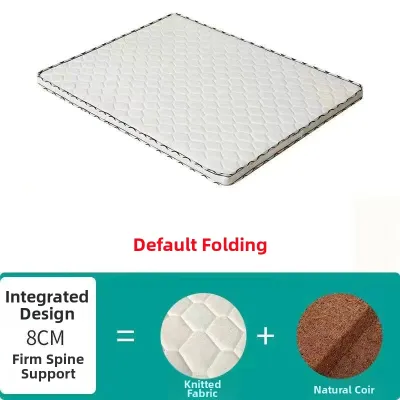
The manufacturing process plays a critical role in determining the final firmness, consistency, and safety of the mattress. High-quality brands typically use a thermal-pressing method, where the coir fibers are blended with low-melt polyester fibers and heated to fuse them into a solid, glueless pad. This thermal-pressed method results in a highly breathable, uniform, and odorless support core that maintains its structural integrity over years of use.
Products mentioned in this guide
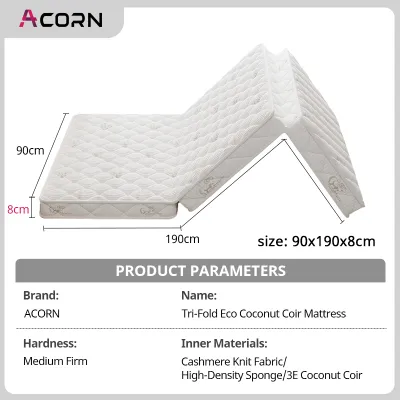
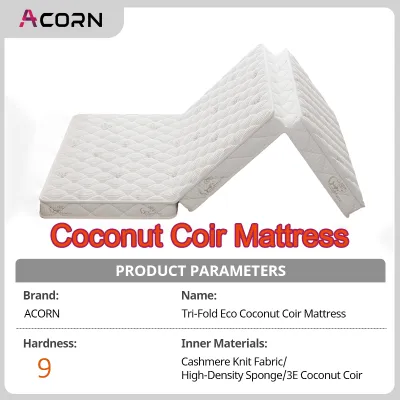
![[3S FURNITURE] Foldable Portable Palm Coconut Mattress Antibacterial For Student and Worker * FREE DELIVERY *](https://img.lazcdn.com/g/p/1018fb0ec35164fc8f6b18bf2d8ef227.jpg_400x400q80.jpg_.webp)
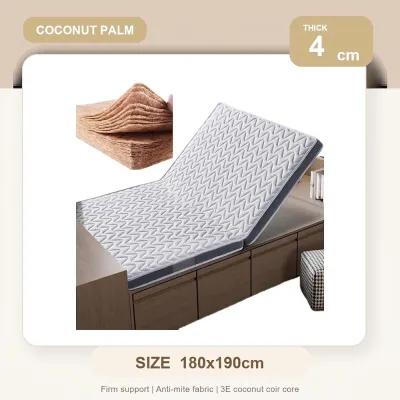
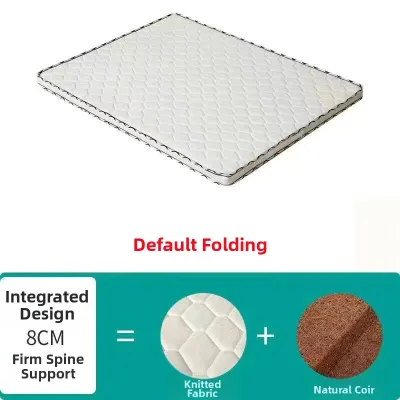
Prices are valid at publication and may change. Please refer to the product page for the latest price.
Conversely, some budget-friendly brands rely on chemical adhesives or liquid latex to bond the coir fibers together. While adhesive-bonded pads can feel exceptionally rigid initially, they may emit chemical odors (off-gassing) and are prone to breaking down or crumbling in areas of high pressure over time. When comparing brands, verifying whether the manufacturer uses a glueless, thermal-pressed process is a crucial step in ensuring long-term durability and a healthier sleep environment.
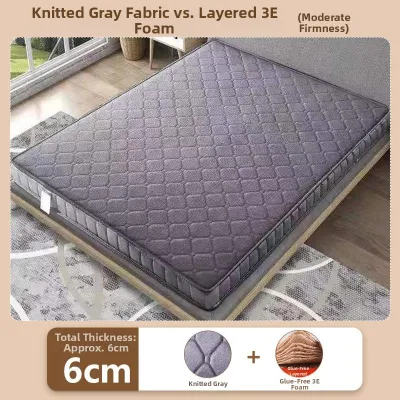
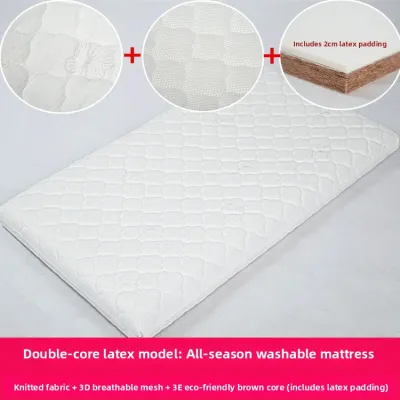
Because a pure coir pad can feel as hard as a wooden board, most modern brands incorporate transitional comfort layers on top of the coir core. Materials such as natural latex, memory foam, or high-density polyurethane foam are layered above the coir to provide pressure relief for sensitive areas like the shoulders and hips. These comfort layers modify the initial surface feel—ranging from medium-firm to firm—without compromising the deep, rigid support provided by the underlying coir foundation.
Key Specifications to Compare Across Brands
To make an objective comparison between different brands on an online marketplace or in a local showroom, you must look closely at the technical specifications of each mattress layer. The overall thickness of the coir core is a primary indicator of its support capacity. A mattress with a thin coir layer (under 5 cm) paired with thick foam layers will behave more like a standard foam mattress, whereas a model with a thick coir core (10 cm or more) will deliver the characteristic rigid support of traditional coir.

You should also examine the density and composition of the comfort layers. If a brand provides Indentation Load Deflection (ILD) ratings or density measurements (such as kg/m³ for latex or foam), use these to gauge how soft or firm the top layers will feel. A higher ILD rating indicates a firmer comfort layer that resists compression, which is ideal if you want to maintain a highly uniform, flat sleeping surface. A lower ILD rating means a softer feel that allows for gentle contouring before your body meets the firm coir core.
Edge support is another critical specification that affects the usable sleep surface and overall stability of the mattress. Because coir is naturally rigid, it inherently resists edge roll-off better than soft foam. However, some brands add reinforced foam encasements or steel border rods around the perimeter of the mattress. This reinforcement ensures that when you sit on the edge of the bed to get dressed or sleep near the very edge, the mattress does not sag or warp, preserving its structural integrity over time.
In tropical climates, where high humidity and warm temperatures are constant, the breathability of the mattress cover is paramount. Look for brands that use natural, highly breathable cover materials such as bamboo-derived fabrics, organic cotton, or Tencel. These materials work in tandem with the naturally porous structure of the coir core to facilitate airflow, dissipate body heat, and prevent moisture buildup, helping to promote a cooler and more comfortable night’s sleep.
Matching Firmness Levels to Sleep Preferences and Back Needs
Your preferred sleeping posture is the most important factor when matching a coir mattress’s firmness to your back support needs. Back sleepers and stomach sleepers generally thrive on the firm, flat surface of a coir mattress because it prevents the pelvis from sinking too deeply, which keeps the spine in healthy alignment. For these sleepers, a highly firm coir mattress helps distribute body weight evenly and reduces morning stiffness in the lower back.
Side sleepers, however, face unique challenges on exceptionally firm surfaces. When sleeping on your side, your shoulders and hips project outward and require a degree of cushioning to prevent painful pressure points. If a side sleeper rests on a pure, unyielding coir pad, it can restrict blood circulation and lead to tossing and turning. Side sleepers should look for hybrid coir mattresses that feature at least 3 to 5 cm of natural latex or plush comfort foam on top to cushion these joints while keeping the spine straight.
Your body weight also heavily influences how firm a mattress feels. Lighter individuals (under 60 kg) do not exert enough downward force to compress comfort layers, meaning even a hybrid coir mattress may feel exceptionally hard to them. Conversely, heavier individuals (over 90 kg) require a thicker, high-density coir core to prevent bottoming out through the comfort layers. If you fall into a heavier weight category, a robust coir core ensures that the mattress provides consistent, long-term support without sagging under pressure.
Choosing between a traditional pure coir pad and a medium-firm hybrid model depends on your physical condition and comfort history. If you are accustomed to sleeping on very firm surfaces, such as tatami mats or solid wood beds, a pure coir mattress will feel familiar and supportive. However, if you are transitioning from a soft spring bed or suffer from joint sensitivity, a medium-firm hybrid coir mattress is highly preferable. It offers a balanced compromise, providing the deep spinal alignment of coir alongside the pressure-relieving comfort of modern bedding materials.
Decision Framework: Choosing the Right Coir Mattress Profile
To simplify your purchasing decision, you can apply a straightforward, condition-based framework when comparing different coir mattress profiles. Opt for an extra-firm, pure coir profile if your primary goals are maximum rigidity, excellent heat dissipation, and a completely flat sleeping surface. This profile is highly suitable for stomach sleepers, those who prefer traditional solid support, and individuals living in warm, humid environments who want to maximize natural airflow through the mattress core.
Select a hybrid coir-latex or coir-foam profile if you require the deep, reliable spinal support of coir but cannot tolerate a completely unyielding surface. This combination is ideal for back sleepers who want gentle contouring for their lower back, side sleepers who need pressure relief for their shoulders and hips, and anyone transitioning from a conventional soft mattress to a firmer sleep system.
Before finalizing your purchase from any brand, it is essential to verify the practical logistics and compatibility requirements. Coir mattresses are exceptionally heavy and rigid, meaning they require a sturdy, flat bed frame with closely spaced slats or a solid platform base to prevent sagging. Additionally, check the manufacturer’s warranty terms, the availability of a home trial period, and the specific return logistics. Because coir mattresses have a distinct feel, a trial period of at least 30 to 100 nights is highly valuable to ensure your body adjusts comfortably to the new support level.
Finally, if you suffer from severe, diagnosed spinal conditions such as herniated discs, sciatica, or chronic scoliosis, do not make a sudden switch to an ultra-firm coir mattress without professional guidance. While firm support is often recommended for back health, an excessively rigid surface can sometimes worsen certain spinal alignments. Stop and consult a physiotherapist, orthopaedic specialist, or chiropractor to determine the precise level of firmness and contouring your specific condition requires before investing in a new mattress.
Frequently Asked Questions (FAQ)
Are coir mattresses suitable for people with chronic back pain?
Yes, coir mattresses can be beneficial for chronic back pain, provided they are matched to your sleeping posture and physical needs. The general ergonomic consensus suggests that medium-firm to firm surfaces are suitable for maintaining neutral spinal alignment and reducing lower back strain. However, an ultra-firm, pure coir mattress without adequate comfort layers can exacerbate joint pain or create pressure points for side sleepers. If you suffer from chronic back pain, it is highly recommended to consult a physiotherapist or doctor for personalized medical advice before changing your sleep surface.
How does humidity affect the firmness and lifespan of a coir mattress?
High humidity can significantly impact the longevity and structural integrity of a coir mattress. While natural coir fibers possess inherent moisture resistance, the adhesive bonds used in lower-quality mattresses or the surrounding foam and fabric layers can degrade when exposed to persistent dampness. To prevent moisture trapping, ensure your bedroom is well-ventilated and place the mattress on a slatted bed frame that allows air to circulate underneath. Regularly inspect the mattress for visual signs of sagging or mold, and perform olfactory checks to detect any musty odors early.

Community discussion
Share your experience or ask a question. Comments are reviewed before publication.