
Selecting the perfect wooden dining chair for your home involves more than simply finding a seat that matches the height of your dining table. The right chair acts as a visual anchor, bridging the gap between functional furniture and the overarching interior design theme of your living space. Because wood is an inherently tactile and warm material, its tone, grain, and silhouette can dramatically alter the perception of space, light, and comfort in your dining area. By understanding how different design elements align with popular local aesthetics—ranging from airy Scandinavian apartments to rich mid-century modern spaces—you can make an informed decision that enhances both the beauty and utility of your home.
In Singapore’s diverse housing landscapes, from cozy HDB flats to spacious condominiums, the choice of dining furniture must balance style with spatial reality. Wooden dining chairs offer a timeless appeal, but their success in a room depends on how well they harmonize with your existing decor. By evaluating key visual dimensions such as wood tone, grain texture, and surface treatments, you can select chairs that not only look beautiful but also elevate the entire dining experience.
Core Visual Dimensions for Matching Wood and Style
To successfully integrate wooden dining chairs into your home, you must first understand the visual characteristics of the wood itself. The wood tone and temperature play a critical role in determining the mood of the room. Light-toned woods, such as ash, beech, and light oak, possess cool or neutral undertones that reflect natural light. These finishes are highly effective in smaller dining areas, as they create an illusion of openness and keep the space feeling bright and airy. Conversely, dark-toned woods like walnut, mahogany, and cherry introduce warm, rich undertones that absorb light, lending a sense of intimacy, grounding, and formal elegance to larger or highly structured dining rooms.
Products mentioned in this guide
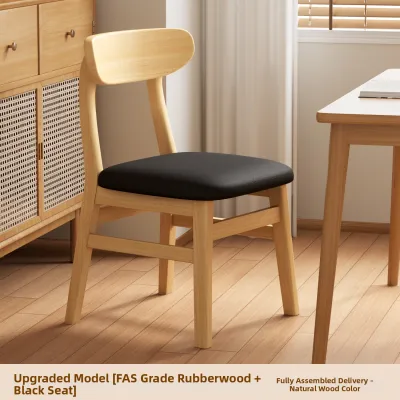
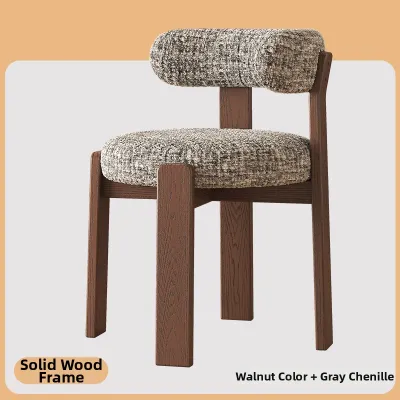

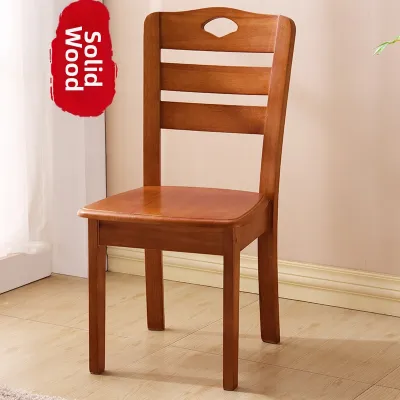
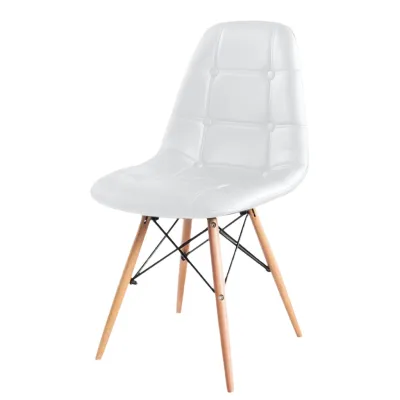
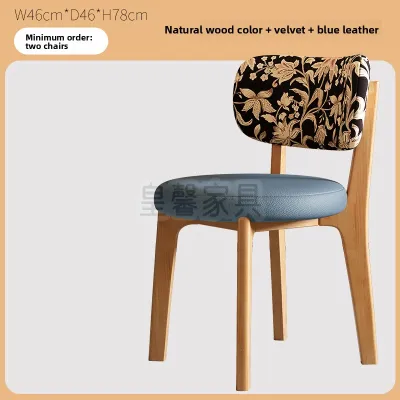
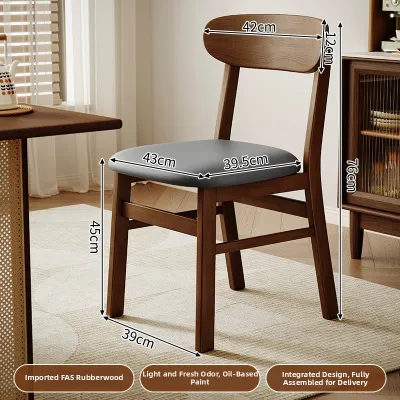
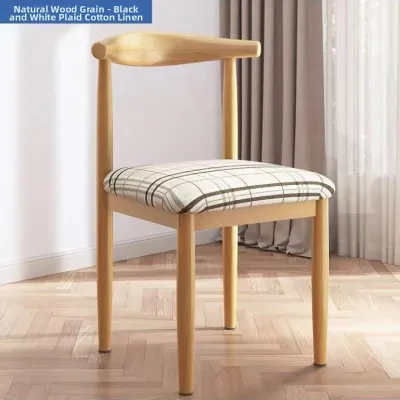
Prices are valid at publication and may change. Please refer to the product page for the latest price.
Beyond color, the visibility and texture of the wood grain dictate the formality of the chair. Woods with subtle, straight, or fine grain patterns offer a clean, uniform appearance that aligns seamlessly with modern, minimalist, or formal settings. On the other hand, woods with bold, swirling, or highly textured grain patterns introduce organic movement and character. These pronounced grains are ideal for casual, rustic, or industrial themes, where the natural imperfections of the material are celebrated rather than concealed.
Finally, the surface treatment of the wood determines how it interacts with both ambient and natural lighting. A matte finish absorbs light, highlighting the natural texture of the wood grain and providing a soft, organic feel that is perfect for relaxed, contemporary spaces. A satin or semi-gloss finish offers a subtle sheen that reflects light gently, enhancing the depth of the wood tone without appearing overly reflective. High-gloss finishes create a polished, mirror-like surface that projects a traditional, upscale aesthetic, though they require more frequent maintenance to keep fingerprints and smudges at bay. Distressed or wire-brushed treatments add physical texture, giving the chair a lived-in, historical quality that suits rustic and industrial interiors.
Matching Chair Silhouettes to Popular Home Aesthetics
Different interior design themes call for specific structural forms and wood finishes. The silhouette of a dining chair—its lines, leg shapes, and backrest design—defines its stylistic category. The following sections break down how to match specific wooden dining chair silhouettes, joinery details, and finishes to the most popular home decor aesthetics.

Scandinavian and Minimalist Interiors
Scandinavian and minimalist design principles prioritize simplicity, functionality, and a deep connection to nature. To complement this aesthetic, look for wooden dining chairs with clean, uncluttered profiles and visual lightness. Silhouettes typically feature gently tapered legs, spindle backrests, or low-profile curved backrests that do not obstruct the line of sight across the room. These chairs are designed to feel weightless, making them excellent choices for open-plan living and dining areas where maintaining a sense of spaciousness is essential.
In terms of materials, opt for light-toned woods such as ash, beech, or light oak. These woods are usually finished with a matte lacquer or natural oil that preserves their pale, organic appearance while protecting the surface from daily wear. The goal is to highlight the subtle, clean grain of the wood rather than masking it with heavy stains.
To integrate these chairs successfully, balance the warmth of the wood with neutral textiles, such as light gray, beige, or muted pastel seat cushions. Pairing these chairs with a matching light wood table, matte metal lighting fixtures, and sheer window treatments will create a cohesive, serene dining environment that feels calm and inviting.
Mid-Century Modern and Contemporary Spaces
Mid-Century Modern (MCM) and contemporary aesthetics celebrate organic curves, geometric shapes, and a seamless blend of form and function. Wooden dining chairs in this category often showcase iconic design elements, such as splayed or compass legs, organic molded plywood seats, and sculptural backrests. The emphasis is on ergonomic comfort and structural expression, resulting in chairs that double as functional pieces of art.
Material choices for mid-century modern spaces lean toward medium to dark warm-toned woods, with walnut and teak being the classic options. These woods feature rich, expressive grain patterns that add depth and visual interest to the dining set. The finishes are typically satin or semi-gloss, which coaxes out the natural luster and golden-brown undertones of the wood.
When styling these chairs, pair them with a dining table that shares similar design cues, such as rounded edges or tapered legs. To prevent the wood tones from overwhelming the room, introduce contrast through statement lighting—such as a vintage-inspired pendant lamp—or by choosing chairs with upholstered seats in bold, retro colors like mustard yellow, forest green, or burnt orange.
Industrial and Rustic Themes
Industrial and rustic aesthetics embrace the unrefined, rugged beauty of natural and utilitarian materials. For these themes, wooden dining chairs should feature chunky proportions, robust frames, and visible joinery that highlights the craftsmanship and durability of the piece. Look for silhouettes that incorporate straight lines, thick wooden slabs, or combinations of wood and metal, such as a solid wood seat paired with a raw or matte black iron frame.
Material cues for this style revolve around reclaimed wood, distressed finishes, and heavily textured grains. Oak, pine, and acacia with wire-brushed or hand-scraped surfaces are popular choices, as they showcase natural knots, mineral streaks, and minor imperfections. These finishes are highly forgiving, making them practical for busy households where minor scratches blend seamlessly into the distressed look.
To integrate industrial or rustic chairs, coordinate them with other raw materials in your dining space, such as exposed brick walls, concrete screed flooring, or heavy steel light fixtures. Soften the overall look by introducing heavy woven textiles, such as linen placemats or canvas seat pads, to create a balanced, comfortable, and tactile dining experience.
Traditional and Transitional Dining Rooms
Traditional and transitional designs focus on classic proportions, symmetry, and refined details. Wooden dining chairs suited for these spaces feature substantial, grounded bases that convey stability and permanence. Look for silhouettes with turned legs, intricate carvings, scrollwork, or high, formal backrests. Transitional styles often simplify these traditional details, offering cleaner lines while retaining the classic proportions and comfort of traditional seating.
Rich, dark finishes are the hallmark of this aesthetic. Mahogany, cherry, and dark oak with polished or satin sheens reflect a formal, sophisticated tone. These chairs are frequently paired with high-quality upholstery, such as velvet, brocade, or leather, on the seats and backrests to enhance comfort and visual luxury.
To style a traditional or transitional dining room, match the formality of the chairs with a substantial dining table in a similar finish. Complete the look with classic decorative elements, such as a traditional area rug under the dining set, elegant drapery, and a classic chandelier to establish a refined setting for formal gatherings and family meals.
Practical Space and Environmental Checks for Your Home
Before finalizing your purchase, it is crucial to verify that your chosen wooden dining chairs fit the physical dimensions of your dining area and can withstand the local climate. Spatial clearance is the first practical consideration. Measure the distance between your dining table edge and the surrounding walls or walkways. To ensure comfortable seating and movement, allow at least 90 centimeters of clearance behind each chair when it is pulled out. Additionally, check the width and depth of the chairs against the distance between the dining table legs to ensure they can be tucked in fully when not in use, preserving precious floor space in compact layouts.
Weight and mobility are also important factors, particularly in multi-functional spaces where dining chairs are frequently moved for working, studying, or entertaining. Solid wood chairs can be heavy, so consider the ease of daily repositioning. If you have hard flooring such as parquet, vinyl, or polished marble, ensure the chairs are fitted with high-quality felt glides on the feet to prevent scratching and reduce noise when sliding them back and forth.
Environmental care is another vital check. The tropical climate in Singapore features high relative humidity, which can fluctuate significantly when transitioning between natural ventilation and air-conditioned environments. These rapid dry-wet cycles can cause solid wood to expand and contract, potentially leading to warping, joint loosening, or cracking over time. To protect your investment, check the manufacturer’s guidelines regarding wood care and finish types. Avoid placing solid wood chairs in direct sunlight from large windows or directly in the path of air-conditioning vents. Ensure the wood has been treated with a high-quality protective sealant, lacquer, or oil designed to resist moisture absorption.
Building Your Shortlist: What to Verify Before Purchase
To ensure your selected wooden dining chairs meet your expectations for quality, safety, and longevity, compile a checklist of structural and logistical verifications before making your purchase.
First, inspect the structural integrity of the chairs. High-quality wooden furniture relies on superior joinery techniques rather than simple glue and screws. Look for specifications indicating mortise-and-tenon joints, dowel joints, or corner blocks reinforcing the underside of the seat frame. If you are viewing the chairs in a physical showroom, test their stability by applying gentle pressure to the backrest and seat to check for any wobbling, creaking, or flexing in the joints.
Second, clarify the assembly and delivery conditions. Determine whether the chairs arrive fully assembled or require self-assembly. Pre-assembled chairs offer superior structural stability as they are put together in a controlled factory environment, but they require more space during transport. If self-assembly is required, ensure you have the necessary tools and follow the instructions carefully to avoid loose joints. Additionally, verify if the delivery service includes transport through your building’s lift, doorway clearance checks, and the removal of bulky packaging materials.
Finally, review the retailer’s return and warranty conditions. Because wood is a natural material, slight variations in grain pattern and color are normal and expected. However, you should ensure the warranty covers manufacturing defects, structural failures, or severe warping within a reasonable timeframe. Understand the return window and the process for exchanging a chair if it arrives with finish discrepancies or structural issues, giving you peace of mind as you complete your dining room setup.
Frequently Asked Questions (FAQ)
Can I mix different wooden chair styles around one dining table?
Yes, mixing different wooden chair styles can create a dynamic and personalized look, provided you establish a unifying element to prevent visual chaos. One effective approach is to maintain a consistent wood tone across all chairs, even if their silhouettes differ. Alternatively, you can keep the seat heights identical and use a shared design era, such as pairing different mid-century modern designs together. Another popular method is to use matching side chairs along the length of the table and place two distinct, eye-catching accent chairs at the head and foot of the table to anchor the arrangement symmetrically.
How do I protect wooden dining chairs from humidity?
Protecting wooden dining chairs from humidity involves routine care and preventive placement. Dust your chairs regularly with a dry microfiber cloth, as dust can trap moisture against the wood surface. Avoid using harsh chemical cleaners or excessive water; instead, use manufacturer-approved wood conditioners or specialized polishes that reinforce the protective finish. Keep the chairs away from areas prone to high moisture, such as open balconies or directly beneath air-conditioning units, to minimize the impact of rapid temperature and humidity fluctuations on the wood structure.

Community discussion
Share your experience or ask a question. Comments are reviewed before publication.