
To optimize a wardrobe in Singapore’s compact residential spaces, selecting the right transparent storage boxes requires a careful balance of visibility, structural integrity, and environmental protection. Clear containers eliminate the guesswork of daily dressing by keeping garments visible, while simultaneously shielding fabrics from dust and ambient humidity. By choosing boxes that match your specific closet dimensions and clothing types, you can transform a cluttered wardrobe into a highly functional, visually streamlined system.
Why Transparent Boxes Work for Wardrobe Organization
Using transparent storage boxes inside your wardrobe offers immediate visual efficiency. Instead of pulling down multiple opaque containers or rummaging through stacks of folded clothes, you can identify the exact item you need at a glance. This is particularly beneficial for storing items that are not part of your daily rotation, such as seasonal travel wear, formal garments, or spare bed linens.
In Singapore’s tropical climate, protecting clothing from environmental factors is a constant challenge. High relative humidity can encourage the growth of mold and mildew on fabrics that are left exposed on open shelves. Transparent boxes equipped with secure lids provide a protective barrier against airborne moisture, dust, and pests, helping to keep your garments clean and fresh over long periods.
Products mentioned in this guide
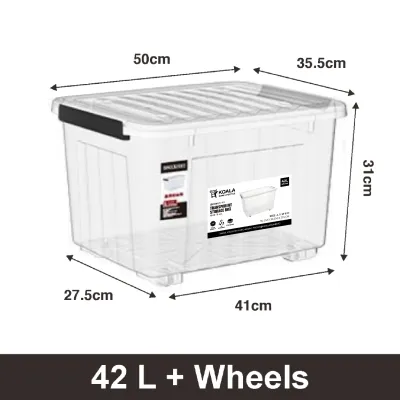
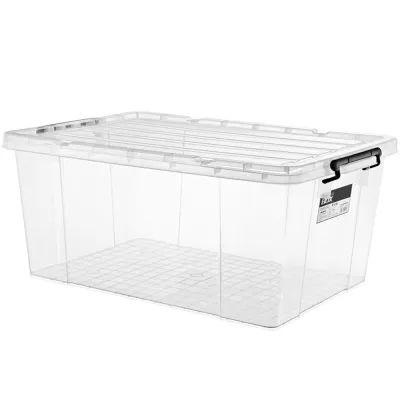
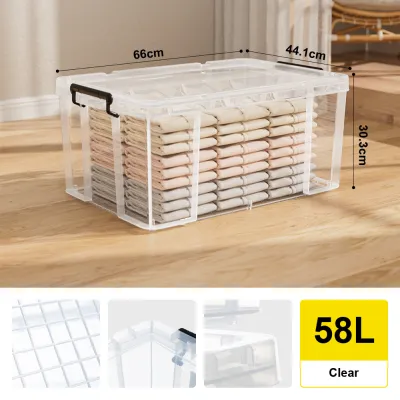
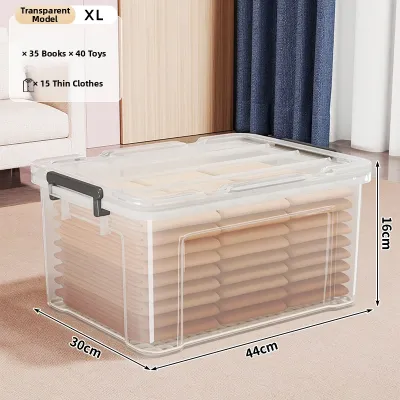
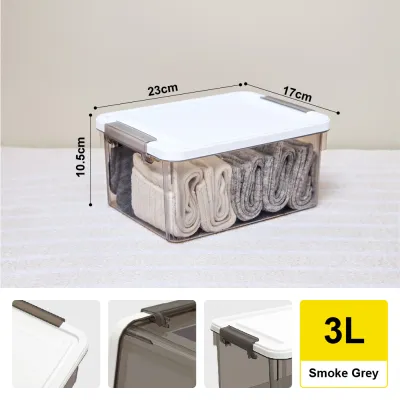
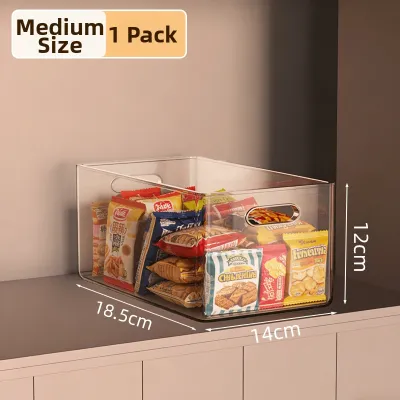
Prices are valid at publication and may change. Please refer to the product page for the latest price.
Beyond practical protection, uniform clear containers contribute to a visually uncluttered and highly structured closet interior. When storage solutions share a consistent design and shape, they minimize visual noise and create a sense of order. This clean aesthetic not only makes your wardrobe more inviting but also encourages you to maintain the organization system over time.
Core Dimensions and Features to Evaluate
Before purchasing any clear storage containers, verifying the precise physical specifications is essential to ensure they fit your wardrobe and perform reliably.

Dimensions and Clearance
Always check both the external and internal dimensions provided by the manufacturer. The external dimensions dictate whether the box will physically fit onto your wardrobe shelves or inside drawers. However, internal dimensions are equally important, as structural tapers, reinforced corners, and lid designs can reduce the actual usable space inside the box. Additionally, ensure you leave at least two to three centimeters of clearance at the top and sides of the box. This clearance allows you to slide the container in and out of the wardrobe shelf easily without scraping the wooden frame or catching on door hinges.
Material Thickness and Load Limits
Clear storage boxes are typically manufactured from different types of plastics, such as polypropylene (PP), polyethylene terephthalate (PET), or polystyrene (PS). Each material offers varying degrees of flexibility and strength. Rather than assuming all clear plastics can bear heavy loads, you must check the manufacturer’s specifications for wall thickness and maximum stackable weight limits. Thin-walled containers may bow or crack if subjected to heavy loads, whereas heavy-duty, thick-walled boxes are designed to support substantial weight when stacked.
Lid and Closure Mechanisms
The choice of lid style directly impacts how easily you can access your clothes and how well they are protected. Snap-lock lids feature secure latches that clamp the lid tightly to the box, providing excellent dust prevention and stability for long-term storage. Open-top bins lack lids entirely, making them highly convenient for quick-access items on lower shelves. Front-opening or drop-front designs feature a hinged door on the front panel, allowing you to retrieve items from the bottom of a stack without having to lift off the boxes positioned above.
Stackability and Stability
To maximize vertical space safely, look for boxes specifically engineered for stable stacking. High-quality transparent boxes often feature deeply recessed lids or interlocking grooves that match the base of the box above it. This design prevents the containers from sliding or shifting when you open wardrobe doors or retrieve nearby items. Some heavy-duty models also incorporate reinforced corner pillars or double-walled rims to distribute vertical weight evenly, preventing the lower boxes from buckling under the weight of a stack.
Matching Storage Box Styles to Your Wardrobe Items
Selecting the right box style depends heavily on the specific types of clothing and accessories you need to organize.
Bulky and Seasonal Clothing
For bulky items such as winter coats, heavy sweaters, or spare duvets, deep and large-capacity boxes are the most practical choice. Since these items are accessed infrequently, standard top-lidded boxes are ideal. They allow you to compress the garments slightly to save space, and the secure lid keeps them protected from dust and moisture while stored on the highest shelves of your wardrobe.
Everyday Folded Garments
For daily wear like t-shirts, activewear, and shorts, drawer-style clear bins or front-opening boxes are highly recommended. These designs function like a modular chest of drawers within your existing wardrobe. Instead of unstacking multiple heavy boxes to reach a shirt at the bottom, you can simply slide open the drawer or drop down the front flap to retrieve your clothing, keeping the rest of the stack perfectly intact.
Small Accessories and Undergarments
Small items such as socks, underwear, belts, and scarves can easily become disorganized in large, deep containers. To prevent these items from shifting and tangling, utilize shallow, stackable transparent trays or boxes equipped with internal dividers. These compartments keep small accessories separated and visible, allowing you to locate what you need in seconds.
Shoes and Structured Bags
Leather shoes, high heels, and structured handbags require specialized protection to maintain their shape. Rigid, hard-sided clear boxes made of acrylic or heavy-duty plastic prevent these delicate items from being crushed by adjacent storage. Ensure the boxes provide adequate height clearance so that bag handles and shoe collars are not bent or compressed during storage.
Measuring Your Wardrobe and Planning the Layout
A systematic approach to measuring your closet space is crucial to avoid purchasing boxes that are incompatible with your wardrobe layout.
Internal Net Dimensions
Begin by measuring the exact net height, width, and depth of each individual compartment inside your wardrobe. Do not rely on the external dimensions of the wardrobe unit itself. Use a metal measuring tape and take measurements at multiple points, as wooden shelves can sometimes sag slightly in the middle. Be sure to account for internal obstructions such as door hinges, sliding door tracks, drawer runners, and any decorative trim or lips along the shelf edges.
Door and Drawer Clearance
Ensure that the depth of the storage boxes you select is shallow enough to allow your wardrobe doors to close completely. For wardrobes with sliding doors, the boxes must sit entirely behind the track system to avoid obstructing the door’s movement. If you plan to place boxes adjacent to internal drawers, verify that the boxes do not protrude and block the drawers from opening fully.
Standard Depth Compatibility
In many Singapore apartments, built-in wardrobes and modular closet systems feature standard depths ranging from 50 to 60 centimeters. When selecting storage boxes, check if their depths align with these standard measurements. If you plan to place storage boxes on the wardrobe floor beneath hanging clothes, measure the remaining vertical clearance carefully to ensure your hanging garments do not bunch up on top of the boxes.
Layout Simulation
Before making a purchase, map out your proposed stack configuration on paper or using a digital planning tool. Calculate how many boxes can fit side-by-side and how high you can safely stack them within each shelf compartment. Keeping your layout planned in advance helps you purchase the exact quantity and sizes needed, preventing mismatched stacks and wasted vertical space.
Care and Maintenance for Long-Lasting Clarity
Proper care and maintenance are essential to preserve the clarity and structural integrity of your transparent storage boxes over time.
Safe Cleaning Methods
To clean dust, lint, and fingerprints from clear plastic boxes, always use a soft microfiber cloth dampened with water and a small amount of mild dish soap. Avoid using abrasive scrubbing sponges, paper towels, or dry cloths, as these can create micro-scratches that dull the plastic’s transparency over time. Never use harsh chemical solvents, glass cleaners containing ammonia, or alcohol-based sanitizers, as these chemicals can cause the plastic to cloud, crack, or develop a crazed texture.
UV and Heat Protection
Keep your transparent storage boxes away from direct, prolonged sunlight and intense heat sources. If your wardrobe is positioned near a window that receives direct afternoon sun, ensure the wardrobe doors remain closed, or place the boxes in shaded areas of the closet. Prolonged exposure to ultraviolet (UV) rays and high temperatures can degrade the plastic polymers, causing the clear material to turn yellow, lose its transparency, and become brittle and prone to cracking.
Routine Structural Checks
Periodically inspect your storage boxes during your seasonal wardrobe cleaning. Pay close attention to the boxes positioned at the bottom of heavy stacks, checking for any signs of stress fractures, bowing, or hairline cracks along the corners and joints. Verify that the snap-lock hinges and stacking grooves remain intact and functional. If you notice any structural compromise, redistribute the weight by moving lighter items to the damaged box or replacing it to prevent a stack collapse.
Frequently Asked Questions (FAQ)
Can transparent storage boxes support heavy winter clothing?
The ability of a transparent storage box to support heavy winter clothing depends entirely on its plastic grade, wall thickness, and structural design. Heavy fabrics like wool coats and denim can accumulate significant weight when packed together. To ensure safety, always check the manufacturer’s stated maximum load limit and stacking capacity rather than relying on visual thickness alone. Look for boxes with reinforced corner pillars and thick-walled polypropylene construction, and place the heaviest boxes at the bottom of your stack to maintain stability.
How do I prevent clear plastic boxes from turning yellow over time?
To prevent clear plastic boxes from yellowing, you must minimize their exposure to ultraviolet (UV) light and high temperatures. UV rays from direct sunlight break down the chemical bonds in plastic polymers, leading to discoloration and brittleness. Store your transparent boxes inside closed wardrobe compartments away from windows, and avoid placing them near heat-generating appliances or areas with poor ventilation. Choosing boxes made from UV-resistant plastics can also help maintain long-term clarity.
Are drawer-style or lid-style boxes better for deep wardrobes?
The choice between drawer-style and lid-style boxes depends on how frequently you need to access the stored items. For deep wardrobes, drawer-style or front-opening boxes are highly superior for daily-use items because they allow you to slide out a drawer and retrieve clothing without unstacking the containers. Lid-style boxes, which require you to remove the lid from the top, are better suited for long-term storage of seasonal items or spare linens placed on high shelves or in the very back of deep closets where frequent access is not required.

Community discussion
Share your experience or ask a question. Comments are reviewed before publication.