
Finding a harmonious balance between storage utility and floor space is a common challenge in modern urban homes, particularly in space-conscious layouts like Singapore apartments and condominiums. A Yangying slim cabinet offers a practical solution, combining a narrow footprint with vertical storage to maximize your room’s potential without causing visual clutter. Choosing the right style requires looking beyond mere aesthetics; you must evaluate how the cabinet’s dimensions, materials, and structural features align with your existing interior design and daily lifestyle needs. By systematically assessing your space, matching finishes to your decor theme, and verifying safety features, you can select a piece that serves as both a functional organizer and a sophisticated design statement.
Measure Your Space and Define Display Goals
Before browsing specific styles, you must establish the physical boundaries of your room. Start by measuring the exact floor footprint where you intend to place the cabinet. In compact living rooms or narrow entryways, even a few centimeters can determine whether a space feels open or cramped. Measure the ceiling height carefully, keeping in mind that tall, slim cabinets can draw the eye upward to create an illusion of height, but they must clear any ceiling beams, cornices, or light fixtures. Additionally, calculate the clearance required for nearby walkways and adjacent doors. If the cabinet is placed near a doorway or a high-traffic corridor, you must ensure that opening the cabinet doors will not obstruct the flow of movement or collide with other furniture.
Your display goals directly dictate the internal configuration of the cabinet. Take inventory of the items you plan to showcase or store. For instance, displaying delicate glassware, porcelain, or small collectibles requires different shelf spacing and visibility compared to storing heavy art books or decorative storage boxes. If your collection consists of items with varying heights, look for models that offer adjustable shelving tracks. Understanding the physical characteristics of your display items also helps you estimate the necessary load capacity, preventing future issues like sagging shelves or structural strain.
Products mentioned in this guide
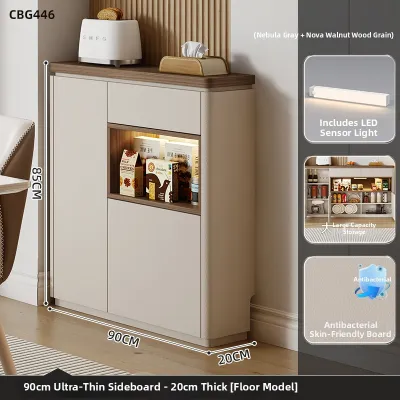
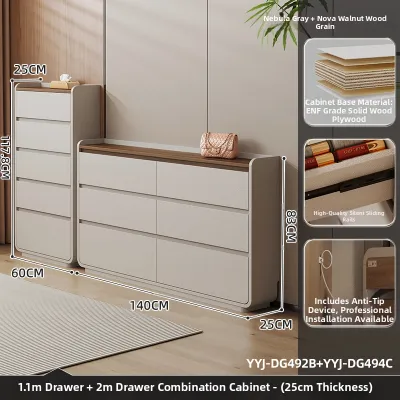
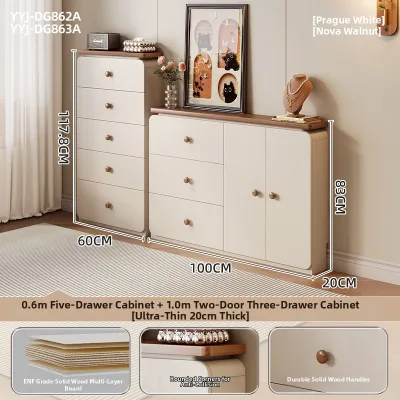
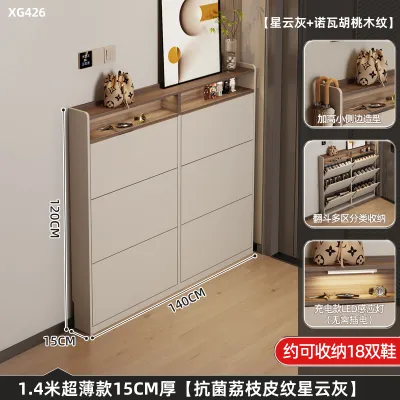
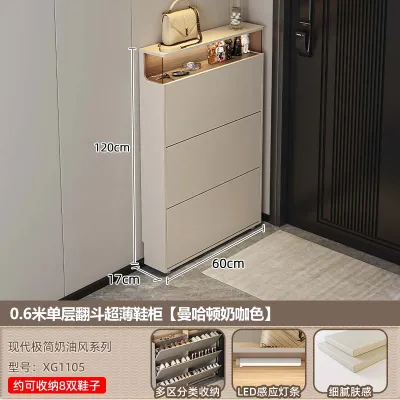
Prices are valid at publication and may change. Please refer to the product page for the latest price.
Ambient lighting is another critical factor that influences how your display will look in your home. Evaluate the natural and artificial light sources in the designated area. If the cabinet is positioned in a dim corner or away from windows, shadows can obscure the items inside, making the cabinet look like a dark void. In such cases, choosing a slim cabinet with integrated LED lighting or glass side panels can dramatically improve visibility. If you opt for integrated lighting, ensure there is a nearby electrical outlet and plan how to conceal the power cords neatly along the baseboards or behind the unit.
Align Cabinet Finishes With Your Decor Theme
The finish of your Yangying slim cabinet plays a pivotal role in defining the room’s overall atmosphere. Different materials and colors evoke distinct design languages, and selecting the right one ensures visual cohesion. For modern minimalist or industrial interiors, cabinets featuring matte black metal frames, clean lines, and expansive glass panels offer a sleek, architectural look. If your home leans toward a Scandinavian or warm contemporary aesthetic, look for light wood veneers, such as oak or ash, which introduce natural textures and a sense of warmth. For classic or transitional spaces, richer wood tones or painted finishes with subtle molding details can add a touch of traditional elegance without overwhelming a small room.

Beyond color, the visual weight of the cabinet is determined by its frame thickness, profile lines, and hardware details. A cabinet with an ultra-thin metal profile and handleless doors has a low visual weight, making it appear almost weightless and allowing the displayed items to take center stage. This is particularly beneficial in small rooms where you want to maintain an airy, spacious feel. Conversely, a cabinet with thicker wooden frames, prominent stiles, and bold hardware has a higher visual weight, serving as a strong focal point in the room. Pay close attention to the hardware finishes; matching the cabinet’s handles or hinges with existing metal accents in your room—such as light fixtures, door handles, or coffee table legs—creates a polished, intentional look.
Because digital screens can display colors differently, it is highly recommended to verify the actual appearance of the finishes before finalizing your purchase. If possible, visit a local showroom to view the materials in person, or request physical material samples from the retailer. Observe how the finish reacts to different lighting conditions, as a color that looks bright and neutral under cool showroom lights may appear warmer or darker under the warm LED lighting typical of residential spaces. If physical samples are unavailable, review high-resolution customer photos and detailed product descriptions to confirm whether the finish has a matte, satin, or high-gloss texture, as this greatly affects how light reflects off the surface.
Verify Stability, Safety, and Daily Usability
Because slim cabinets feature a narrow base and a tall profile, verifying their structural stability is paramount for home safety. Tall, narrow furniture inherently has a higher center of gravity, making it susceptible to tipping if bumped or during seismic activity. This risk is amplified in active households with children or pets. When selecting a cabinet, check if the manufacturer includes dedicated wall-anchoring hardware. Anchoring the unit securely to the wall—especially when dealing with concrete or drywall common in Singapore homes—is a non-negotiable safety step. Ensure you have the correct wall plugs and screws suitable for your specific wall type to guarantee a firm hold.
The design of the door mechanisms also impacts both usability and space planning. Traditional swing doors require adequate frontal clearance to open fully, which might not be practical in tight hallways or behind dining chairs. If space is limited, consider sliding doors or open shelving designs that do not project outward into the room. For swing doors, examine the quality of the hinges; soft-close hinges are highly desirable as they prevent glass doors from slamming, reducing the risk of damage to both the cabinet and the delicate items stored inside. Additionally, check if the doors feature magnetic catches or latches to keep them securely closed.
Finally, examine the internal structural design, focusing on shelf adjustability and weight limits. High-quality slim cabinets typically feature pre-drilled holes along the interior sides, allowing you to reposition the shelves at various heights to accommodate changing display needs. Always verify the manufacturer’s stated weight capacity per shelf tier. Glass shelves, while offering a light and elegant look, generally have lower weight thresholds compared to solid wood or reinforced metal shelves. Understanding these structural limits beforehand ensures you do not overload the unit, preserving its structural integrity and preventing accidental shelf collapse over time.
Finalize Your Choice With a Pre-Purchase Checklist
Before making your final decision, run through a comprehensive checklist to ensure a seamless delivery and installation process. Double-check your measured space against the cabinet’s official specifications, leaving a small margin for error. Do not limit your measurements to the final placement spot; you must also plan the delivery route. Measure the height and width of your apartment’s entryways, lift doors, stairwells, and any tight corners in your corridors. Many delivery challenges arise not because the furniture does not fit the room, but because it cannot navigate the building’s access points.
Next, carefully review the retailer’s terms and conditions. Understand the return policy in case the item arrives damaged or does not match your expectations. Check the warranty coverage, specifically what parts or structural defects are protected and for how long. Additionally, clarify the assembly requirements. Some slim cabinets are delivered fully assembled, while others arrive as flat-packs requiring self-assembly or professional installation services. If you choose self-assembly, ensure you have the necessary tools, such as a level, a drill for wall anchoring, and a screwdriver, or consider paying for professional assembly to ensure the unit is put together safely and correctly.
Lastly, take a moment to visualize the cabinet within your completed room layout. Consider how its placement affects the flow of traffic and the balance of other furniture pieces. A well-chosen slim cabinet should complement, not compete with, your existing decor. By cross-referencing the style, finish, and dimensions with your practical daily needs, you can confidently invest in a piece that enhances your home’s organization and aesthetic appeal for years to come.
Frequently Asked Questions (FAQ)
What Are the Weight Limits for Slim Display Shelves?
The weight capacity of slim display shelves varies significantly depending on the materials used, the thickness of the shelves, and the overall frame construction. Tempered glass shelves typically support lighter decorative items, whereas solid wood or metal shelves are engineered to carry heavier loads such as books or ceramic tableware. Because there is no universal standard, you should always consult the specific product manual or manufacturer label to verify the exact weight limit per tier. To ensure long-term safety and prevent structural bowing, distribute the weight of your items evenly across each shelf, and place your heaviest belongings on the lowest shelves to maintain a low center of gravity for the entire unit.
Do You Need Glass Doors for a Display Cabinet?
Deciding between glass doors and open shelving depends on your maintenance preferences and what you plan to store. Glass doors offer excellent protection against dust, moisture, and accidental bumps, making them ideal for showcasing delicate collectibles, glassware, or items that require frequent dusting. However, glass panels add substantial weight to the cabinet, require regular cleaning to remove fingerprints, and demand careful handling. Open shelving, on the other hand, provides immediate access to your items and creates a more casual, accessible look, but it exposes your belongings to the ambient air, requiring more frequent dusting to keep both the shelves and your display items looking pristine.

Community discussion
Share your experience or ask a question. Comments are reviewed before publication.