
Selecting the right style of portable display cabinet requires balancing visual harmony with physical practicality. A well-chosen cabinet does not merely hold your items; it integrates seamlessly into your living space while offering the flexibility to adapt to changing layouts. In modern, space-conscious homes, such as apartments or condominiums, furniture must often serve multiple roles, making the mobility and style of a portable cabinet a key design decision.
To find the ideal match, you must evaluate both the physical constraints of your room and the aesthetic language of your existing decor. A mismatch in style can make a room feel cluttered, while a mismatch in structural capability can lead to damaged floors or unstable shelving. By systematically assessing your display needs, measuring your physical space, and matching materials to your interior theme, you can select a piece that is both beautiful and highly functional.
Define Your Display Purpose and Space Constraints
Before browsing styles, clarify what objects will live inside the cabinet. Heavy items like ceramic dinnerware, thick art books, or heavy sculptures require robust shelving materials and rigid frame construction. Conversely, lightweight collectibles, glassware, or delicate figurines might benefit from glass shelves that allow light to pass through, though these require careful handling and stable placement.
Products mentioned in this guide
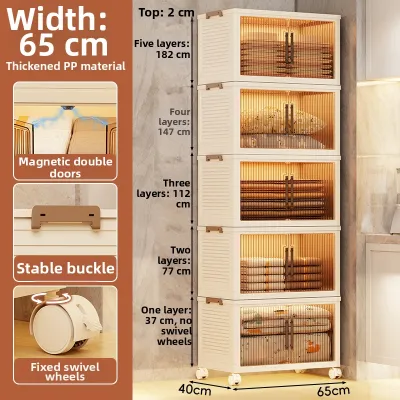
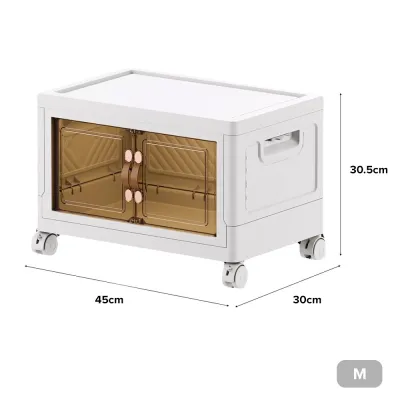
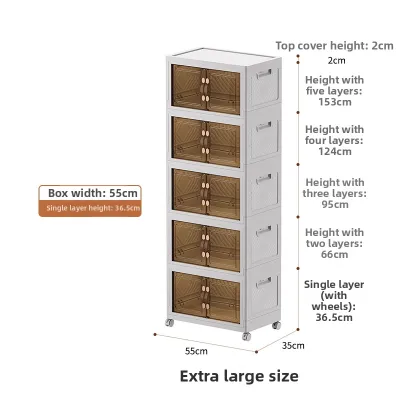
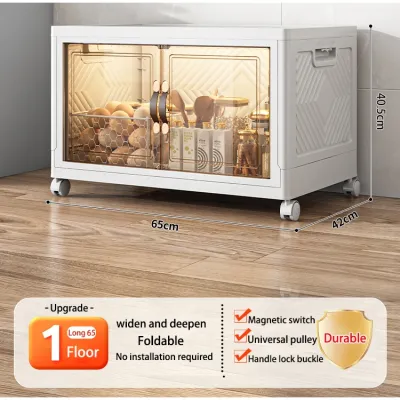
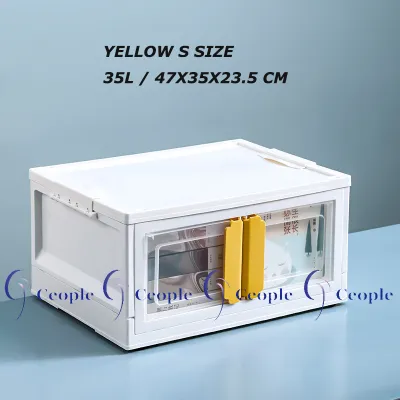
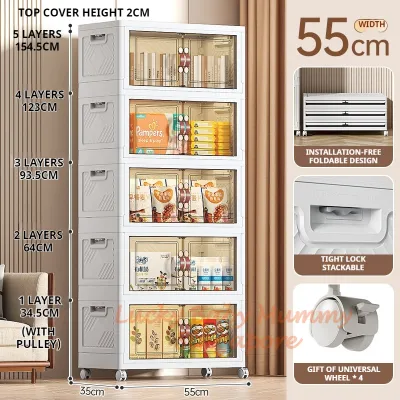
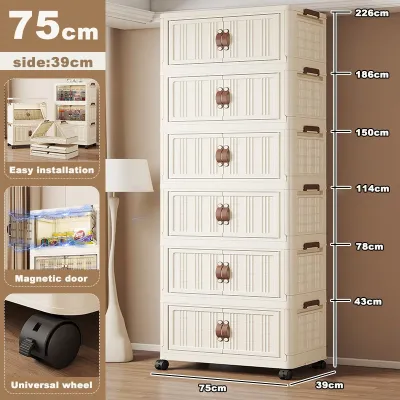
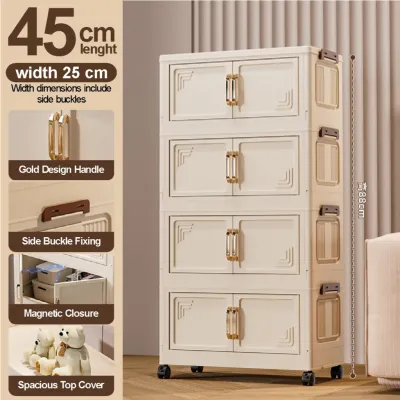
Prices are valid at publication and may change. Please refer to the product page for the latest price.
Fragility is another critical factor when choosing a cabinet style. If you are displaying delicate porcelain or high-value items, an enclosed cabinet with secure glass doors is essential to prevent accidental bumps and minimize dust accumulation. Open shelving units, while offering easy access and a more casual look, leave items exposed to household traffic, pets, and airborne dust.
Physical dimensions require precise measurement, especially in compact urban homes where every centimeter counts. Measure the designated floor area, but do not stop there; also measure the vertical clearance and the swing radius of any cabinet doors. It is equally important to plan the delivery path, checking the width of doorways, narrow hallways, and lift doors to ensure the unit can actually reach its intended room.
Consider how often you plan to move the cabinet. If you intend to reposition the unit frequently to reconfigure your living space or facilitate cleaning, look for lightweight frames equipped with high-quality, lockable casters. If the cabinet will remain stationary for long periods and only move during occasional room redesigns, a heavier, more substantial piece with removable wheels or slide glides may be more appropriate.
Match Cabinet Aesthetics to Your Interior Theme
The visual style of your portable cabinet should complement, rather than compete with, your home’s existing interior design. For modern and minimalist spaces, look for cabinets characterized by clean, straight lines, handleless doors, and neutral color palettes such as matte black, crisp white, or muted grey. These designs often utilize concealed hinges and integrated push-to-open mechanisms, keeping the focus entirely on the displayed items rather than the cabinet’s hardware.

If your home leans toward an industrial aesthetic, seek out cabinets that celebrate raw, utilitarian materials. Features like matte black steel frames, wire mesh door panels, and reclaimed wood shelves fit seamlessly into this theme. Exposed rivets, visible weld joints, and distressed finishes add character and pair exceptionally well with exposed brick walls, concrete floors, or track lighting.
For classic, traditional, or transitional interiors, cabinets with rich wood grains, ornate moldings, and framed glass doors are ideal. Warm timber tones like walnut, cherry, or oak bring natural warmth to a room, while brass or antique bronze hardware adds a touch of timeless elegance. These styles often feature decorative plinths or turned legs, giving the portable unit the substantial look of built-in cabinetry.
Lighting plays a transformative role in how a display cabinet looks in your home. Consider how the cabinet’s finish interacts with both natural daylight and your home’s artificial lighting. High-gloss finishes can create distracting reflections in brightly lit rooms, whereas matte finishes absorb light and offer a softer, more understated presence. If you plan to install internal LED strip lights, ensure the cabinet’s shelving material—such as tempered glass—allows the light to filter down evenly through all levels.
Evaluate Structural and Functional Features
A portable cabinet’s mobility must never come at the expense of its structural integrity or safety. If the cabinet features wheels, inspect the caster assembly closely to ensure they are rated for the fully loaded weight of the unit. At least two of the casters should feature robust locking mechanisms to prevent the cabinet from shifting or rolling when doors are opened or closed.
Shelf adjustability is a vital feature for long-term utility, allowing you to reconfigure the interior layout as your collection changes. Look for cabinets with sturdy metal shelf support pins and pre-drilled holes spaced at regular intervals. Always check the manufacturer’s specified load-bearing capacity for each shelf, and distribute heavier items on the bottom shelves to maintain a low center of gravity, which significantly improves stability.
Frame rigidity is paramount, particularly for taller units. A high-quality portable cabinet should feel solid and resist swaying when gently pushed from the side. If the unit is tall and narrow, check if the manufacturer provides anchoring hardware or safety straps; even portable units may require temporary wall anchoring if they are placed in high-traffic areas or homes with active households.
The choice of door style affects both accessibility and space planning. Hinged doors require clear floor space in front of the cabinet to swing open fully, which might restrict movement in narrow corridors or tight corners. Sliding doors or open-front designs are excellent alternatives for tight spaces, though sliding glass doors require precise tracks to prevent sticking or rattling over time.
Build Your Shortlist and Verify Before Buying
Once you have narrowed down your style preferences, compile a shortlist of potential cabinets and perform a final verification process. Double-check the manufacturer’s listed external dimensions against your physical measurements, leaving a small buffer of at least two to three centimeters on all sides to ensure the cabinet does not feel cramped or block adjacent power outlets and light switches.
Review the care and maintenance instructions for the specific materials used in the cabinet. In humid climates, solid wood and certain metal finishes require specific protective coatings or regular cleaning to prevent warping, mold, or rust. If the cabinet requires self-assembly, download the assembly manual beforehand to assess whether you have the necessary tools and space, or if you should opt for professional installation services.
Whether your budget is S$200 for a simple metal-framed unit or upwards of S$1,000 for a solid timber showcase, verifying these details protects your investment. Finally, examine the retailer’s return policy and warranty terms in detail. Ensure the warranty covers structural components, such as the frame, joints, and moving parts like hinges and casters, for a reasonable period. A clear return policy provides peace of mind, allowing you to return or exchange the unit if it arrives with manufacturing defects or if the style does not look as expected once placed in your room.
Frequently Asked Questions (FAQ)
How do I protect my floors when moving a portable cabinet?
To prevent scratches and scuffs on your flooring, choose casters made from soft materials like polyurethane or rubber, which are gentle on hardwood, parquet, and luxury vinyl tiles. Hard nylon or plastic wheels are better suited for low-pile carpets but can easily scratch polished stone or timber floors. When moving a heavily loaded cabinet, place temporary protective runner mats or heavy-duty felt pads along the path of travel, and always push the unit slowly from its lowest sturdy frame point to avoid tipping.
Can I change the finish of a portable cabinet later?
Refinishing a portable cabinet depends entirely on its base material and factory finish. Solid wood cabinets can generally be sanded down and recoated with wood stain or paint, provided you follow the manufacturer’s guidelines to avoid voiding any active warranties. However, cabinets made from medium-density fibreboard (MDF) with laminate or melamine veneers, or those with powder-coated metal frames, are highly difficult to refinish at home and often require specialized primers or professional spray painting to achieve a durable result.
Community discussion
Share your experience or ask a question. Comments are reviewed before publication.