
An effective umbrella stand rack for keeping your entryway dry and organized is one that matches your household’s daily umbrella usage, fits your specific entryway dimensions, and features a reliable, easy-to-clean water containment system. In Singapore’s tropical climate, where sudden downpours are common, managing wet umbrellas at the threshold is essential to prevent slippery floors and water damage to your flooring.
Rather than choosing a stand based solely on aesthetics, you must evaluate key functional aspects such as drip tray accessibility, material finishes that resist high humidity, and physical stability. By assessing your available floor space and the types of umbrellas you own, you can select a storage solution that keeps your home tidy and safe.
An effective entryway setup does more than just hold umbrellas; it acts as a barrier against outdoor moisture. When rainwater is allowed to pool on tiled or wooden floors, it creates slipping hazards and can permanently warp or discolor your flooring. A well-designed rack ensures that every drop of water is captured immediately upon entry, allowing your umbrellas to dry efficiently while keeping your living space clean and dry.
Products mentioned in this guide
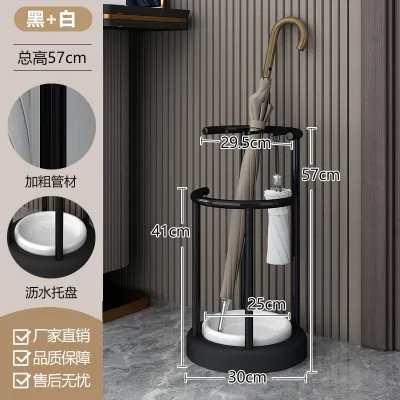
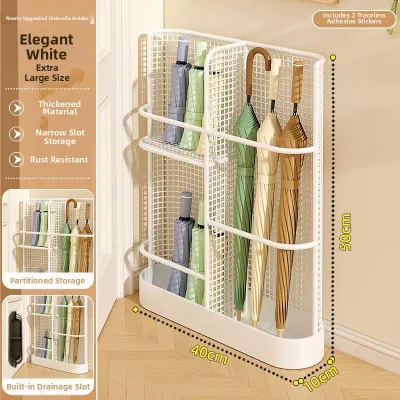
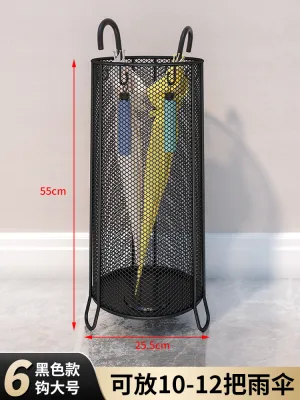
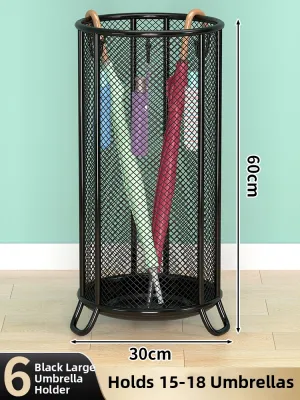
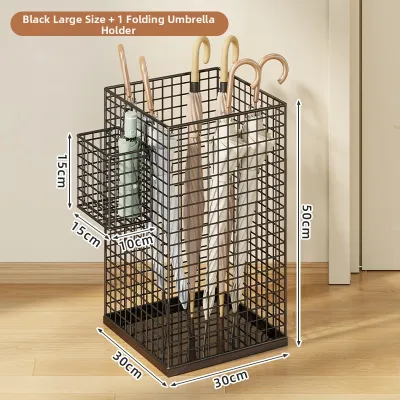
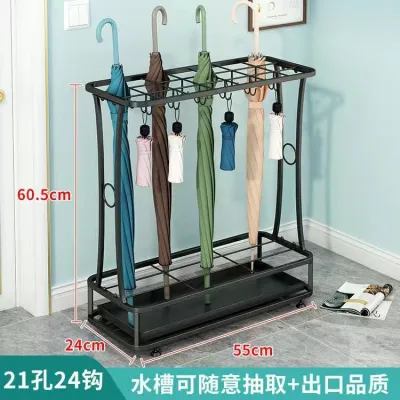
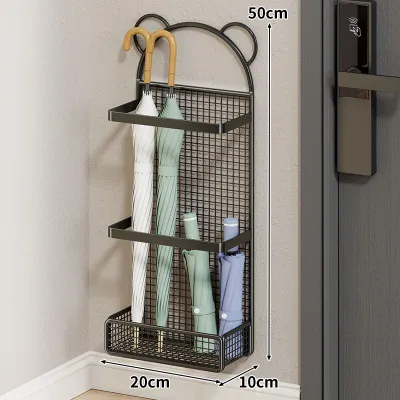
Prices are valid at publication and may change. Please refer to the product page for the latest price.
Core Features for a Dry and Organized Entryway
To find an umbrella stand rack that performs reliably under heavy use, you must look past basic styling and focus on specific design elements that handle water containment and organization. The primary feature to evaluate is the drip tray or water-catching base. Check whether the tray is completely removable or integrated into the bottom of the frame.
A removable tray is highly convenient because it allows you to slide the component out and empty collected rainwater directly into a sink without needing to lift, tilt, or carry the entire rack. Conversely, integrated basins require you to transport the entire unit to empty it, which can be cumbersome and lead to accidental spills if the rack is heavy or fully loaded with umbrellas.
Rust-resistant materials and finishes are equally critical, especially in high-humidity environments where metal components are constantly exposed to moisture. When evaluating metal racks, look for those with durable powder-coated finishes or specialized rust-resistant treatments. Do not assume a metal rack is immune to rust simply because of its product description; instead, inspect the joints, welds, and screw holes where water can easily pool and initiate corrosion.
If you prefer wood or bamboo options, verify that the material has been treated with a water-resistant sealant, and ensure it is paired with a plastic or metal drip tray to prevent direct, prolonged contact with wet umbrella tips.
Capacity and slot design determine how well the rack organizes different types of umbrellas. A functional rack should feature clear dividers that keep long, straight umbrellas upright and prevent them from tangling or leaning against one another. Additionally, look for dedicated side hooks, hanging loops, or shallow, elevated slots designed specifically for compact folding umbrellas.
Without these dedicated features, smaller umbrellas often end up buried at the bottom of a deep stand, making them difficult to retrieve and preventing them from drying properly.
Finally, physical stability and weight distribution are essential for preventing accidents in a busy entryway. Wet umbrellas, particularly large golf umbrellas, can make a stand top-heavy and prone to tipping over.
To ensure safety, look for racks designed with a low center of gravity, a weighted base, or a wide, stable footprint. If you are considering a tall, slender model, verify its stability when loaded to its maximum capacity to ensure it will not fall over and damage your entryway walls or delicate flooring.
Types of Umbrella Stand Racks and Their Suitable Use Cases
Selecting the right configuration depends heavily on your entryway layout, the number of occupants in your home, and how you prefer to organize your daily gear. Different designs address distinct spatial constraints and storage habits, making it important to match the rack type to your specific household environment.

Freestanding Stands with Drip Trays
Freestanding umbrella stands are traditional, floor-standing models that work exceptionally well in spacious foyers, wide corridors, or homes with flat, level flooring near the main entrance. These stands are highly versatile because they can be placed exactly where you need them and easily relocated when cleaning or redecorating.
When choosing a freestanding model, verify the depth of the drip tray to ensure it can hold water from multiple wet umbrellas without overflowing onto your floor.
However, freestanding units do occupy dedicated floor space, which can restrict movement in narrow walkways or compact entryways. If placed directly in a high-traffic path, a freestanding stand can become a tripping hazard, particularly in dimly lit entryways or during busy morning rushes.
To mitigate this, look for slim or corner-fitting designs that tuck neatly against a wall or into an unused nook, maximizing your available floor space while keeping the walkway clear.
Wall-Mounted and Space-Saving Options
Wall-mounted umbrella racks are excellent vertical storage solutions designed specifically for tight corridors, compact apartment entryways, or homes where floor space is at a premium. By elevating the storage off the ground, these racks keep your entryway floor completely clear, creating a more open and organized appearance.
Many wall-mounted options use magnetic backings or adhesive strips for lightweight setups, while heavier units rely on screws and wall anchors.
Before purchasing a wall-mounted rack, verify the compatibility of your wall material, as concrete, drywall, and brick require different mounting hardware and installation techniques. You must also check the manufacturer’s specified load-bearing capacity to ensure the mount can handle the weight of multiple wet umbrellas.
Keep in mind that because these units are suspended, dripping water can sometimes bypass the small integrated tray during insertion, meaning you may still need a small protective mat on the floor below to catch stray drips.
Multi-Functional Coat and Umbrella Racks
Multi-functional racks combine umbrella storage with coat hooks, shoe shelves, or key organizers, making them ideal for larger entryways or dedicated mudrooms. These units serve as a centralized organization station where family members can store bags, hats, keys, and wet outerwear alongside their umbrellas.
This consolidated approach helps keep the rest of your home free from outdoor clutter and moisture.
When evaluating a multi-functional rack, measure the overall height and width to ensure it does not interfere with ceiling fixtures, light switches, or door swings. It is also crucial to verify that there is sufficient physical separation between the wet umbrella section and the hanging areas for dry fabrics or bags to prevent moisture transfer.
Because these units are significantly heavier and bulkier than single-purpose stands, they require careful spatial planning and a highly stable, level floor surface to prevent tipping.
How to Measure and Verify Your Entryway Space
To ensure your chosen umbrella stand rack fits physically and functions perfectly, you must perform a few key measurements and checks before making a purchase. Start by measuring the width and depth of the floor area where you plan to place the rack.
Open your main entrance door fully and measure the door swing radius; the rack must sit completely outside this path to prevent doors from colliding with the stand, which can cause scratches, dents, or tip-overs.
If you are leaning toward a wall-mounted option, check your building management guidelines or tenancy agreement regarding drilling into walls. In many apartment complexes or rental properties in Singapore, drilling into common walls or entryway partitions is restricted, which would make adhesive-based or freestanding options a more suitable choice.
If drilling is permitted, use a stud finder or wall scanner to locate any hidden electrical wiring or plumbing pipes before installing the mounting hardware.
You must also verify the weight of the rack both when empty and when fully loaded with wet umbrellas. A heavy metal or solid wood rack can exert significant pressure on delicate flooring materials like vinyl, laminate, or polished marble.
To protect your floors from scratches, indentations, and water damage, consider placing a non-slip rubber or silicone mat underneath the rack. This mat will help distribute the weight evenly and catch any stray water droplets that miss the drip tray.
Finally, assess the physical distance from your main entrance door to the location of the rack. To minimize water dripping across your living space, position the stand as close to the threshold as possible.
This short transit distance reduces the risk of creating slippery patches on your floor, keeping your entryway safe for family members and visitors. If your layout requires placing the rack further inside, consider laying down a water-absorbent runner rug along the path to catch drips as you walk in.
Maintenance Tips to Prevent Odors and Rust
Regular maintenance is essential to keep your umbrella stand rack hygienic, odor-free, and structurally sound over time. Empty and dry the drip tray at least once a week, or immediately after a heavy downpour.
Stagnant water left in a tray can quickly become a breeding ground for mosquitoes, which is a significant concern in tropical environments, and can also lead to stubborn mineral buildup.
Clean the metal joints, frames, and finishes periodically using a soft cloth and mild, non-abrasive soapy water. Avoid harsh chemical cleaners or steel wool, as these can scratch and strip away the protective powder coating or rust-resistant finish, leaving the underlying metal vulnerable to corrosion.
If your rack incorporates wooden, fabric, or leather components, inspect these areas regularly for signs of mold or mildew. Ensure these materials are allowed to dry completely in a well-ventilated area, and apply manufacturer-approved protective treatments if recommended to maintain their integrity.
Periodically inspect the structural stability of your rack by checking all joints, screws, and wall anchors. Tighten any loose fittings immediately to prevent the unit from wobbling or tipping over when holding heavy umbrellas, ensuring long-term safety and performance.
Frequently Asked Questions (FAQ)
Can I use a regular bucket or planter as an umbrella stand?
While a regular bucket or decorative planter might seem like an easy alternative, these items lack the dedicated internal dividers and hooks needed to keep umbrellas organized. Without proper separation, long umbrellas will lean against each other, tangle, and become difficult to retrieve, while smaller folding umbrellas will sink to the bottom and remain wet.
Furthermore, standard buckets and planters are rarely weighted at the base, making them highly prone to tipping over when loaded with tall, heavy umbrellas. They also lack removable drip trays, meaning stagnant water will pool at the bottom, making cleaning difficult and increasing the risk of mold and rust.
How do I stop my umbrella stand from smelling bad?
Musty odors are primarily caused by stagnant water and trapped organic debris, such as dust or leaves, accumulating in the drip tray. To eliminate and prevent these smells, wash the drip tray regularly with mild dish soap and warm water, allowing it to dry completely in the sun before placing it back into the stand.
Additionally, inspect the floor area directly beneath and behind the rack for any hidden moisture or mold growth that may have escaped the tray. Ensuring your entryway is well-ventilated will also help wet umbrellas dry faster, preventing the damp conditions that allow odor-causing bacteria to thrive.

Community discussion
Share your experience or ask a question. Comments are reviewed before publication.