
Managing wet umbrellas in a compact Singapore home requires a careful balance of moisture control, space efficiency, and material durability. With frequent tropical downpours and sudden monsoon showers, a dedicated umbrella holder bag or organizer is essential for preventing rainwater from pooling on entryway floors. This simple addition protects your living space from slips, dampness, and potential water damage. Choosing the right solution involves assessing your household’s daily habits, the physical constraints of your foyer, and the specific materials that can withstand high humidity.
Rather than viewing an umbrella holder as a mere storage bin, it is best to treat it as a functional transition zone between the wet outdoors and your dry interior. A well-designed holder not only keeps your entryways tidy but also ensures that your umbrellas dry quickly and hygienically. By understanding the key features, spatial configurations, and material requirements, you can select an organizer that seamlessly integrates into your home layout while standing up to the local climate.
Key Functional Features to Look for in an Umbrella Holder Bag
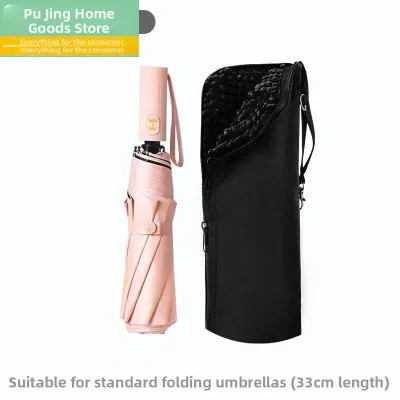
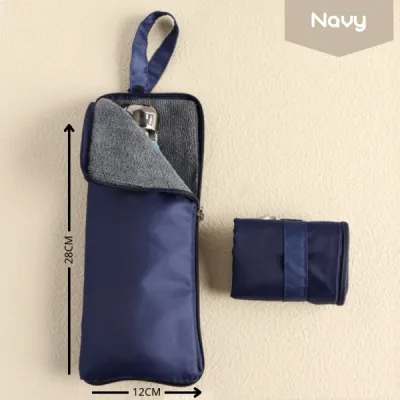
The primary job of any umbrella holder bag is to manage water effectively. When evaluating different models, look closely at the water drainage mechanism. Some designs feature removable plastic or silicone drip trays at the base, which collect runoff and can be easily slid out, emptied, and wiped clean. Other options utilize integrated absorbent liners, such as removable microfiber pads or diatomaceous earth inserts, which soak up moisture rapidly. While absorbent liners are excellent for preventing immediate pooling, they must be checked regularly and allowed to air-dry completely to prevent musty odors and mold growth.
Products mentioned in this guide
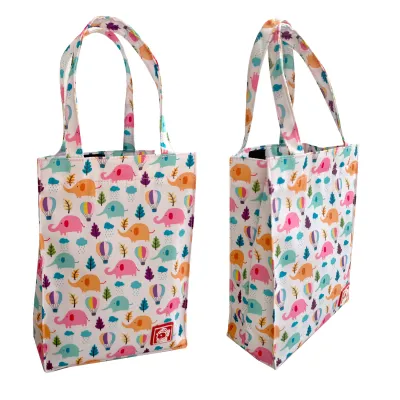
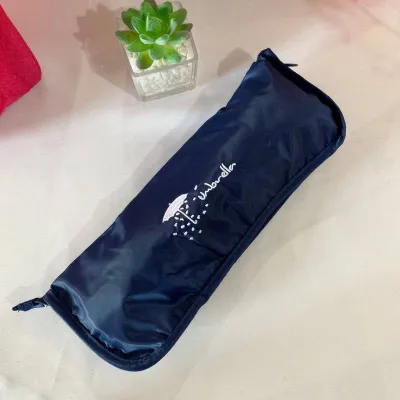
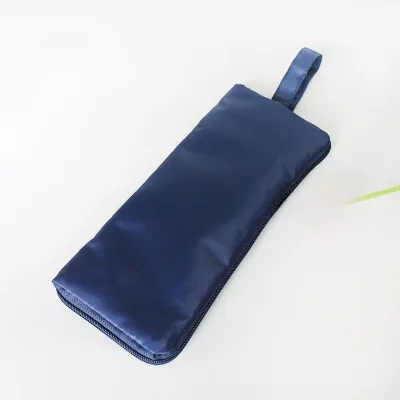
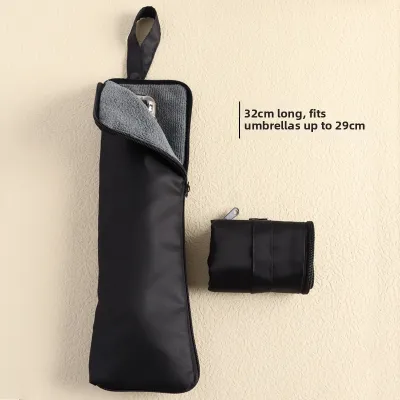
Prices are valid at publication and may change. Please refer to the product page for the latest price.
Structural stability is another critical factor, especially when the holder is fully loaded. Umbrellas, particularly large golf-style models, can be top-heavy when placed in a lightweight bag or stand. To prevent the unit from tipping over and spilling collected water onto your floor, verify the base weight and footprint. A stable holder should have a low center of gravity or a weighted bottom. If you are considering a hanging or wall-mounted bag, check the load capacity of the mounting brackets, adhesive strips, or over-the-door hooks to ensure they can support the combined weight of multiple wet umbrellas without sagging or falling.
Finally, assess how easy it is to clean the interior of the holder. Dust, lint, and outdoor debris inevitably find their way into the bottom of the bag along with rainwater. If the water collection area is sealed or difficult to reach, this mixture can create a stubborn residue that is hard to sanitize. Look for designs with wide openings, detachable compartments, or fully removable fabric bags that allow you to scrub the interior surfaces and maintain a hygienic entryway.
Space-Saving Designs for Compact Entryways
In many Singapore apartments, entryway space is at a premium, making the physical footprint of your umbrella holder a major consideration. Freestanding holders are highly versatile because they can be moved easily, but they do require dedicated floor space. If you choose a freestanding model, look for slim, rectangular, or semi-circular profiles that can tuck neatly into corners or sit flush against a wall or shoe cabinet. This prevents the holder from obstructing the natural walking path or interfering with the swing of your front door.

For homes with extremely limited floor clearance, wall-mounted or over-the-door configurations offer an excellent alternative. Wall-mounted holders typically use heavy-duty adhesive backings or screws to attach directly to the wall, the side of a shoe cabinet, or even the main door itself. Over-the-door bags hang from slim hooks over the top of a door, utilizing vertical space that would otherwise go unused. When choosing these designs, measure the clearance between your open door and the adjacent wall to ensure the holder won’t be crushed or knocked loose when the door is fully opened.
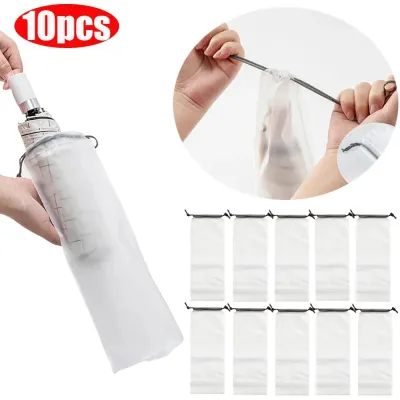
Height requirements are equally important to consider based on the types of umbrellas your household uses. Long, traditional umbrellas require a taller frame or a deeper bag to keep them upright and prevent them from bending or splaying outward. Conversely, short, foldable umbrellas can easily get lost at the bottom of a deep holder. Look for organizers that offer dual-height compartments, internal pockets, or small hanging hooks specifically designed to keep compact umbrellas accessible near the top of the unit while long umbrellas stand securely in the main compartment.
Material and Maintenance Checks for Damp Climates
Singapore’s high relative humidity means that materials are constantly exposed to moisture, making them susceptible to rust, mold, and structural degradation. If you are looking at metal frames or wire-basket holders, do not rely solely on a “rust-proof” label. Check the manufacturer’s specifications for the exact type of finish used. High-quality powder coatings, epoxy finishes, and stainless steel are generally more resilient against moisture. Inspect the joints and welds of the frame; these are the areas where protective coatings are most likely to chip or wear thin, exposing the raw metal underneath to rust.
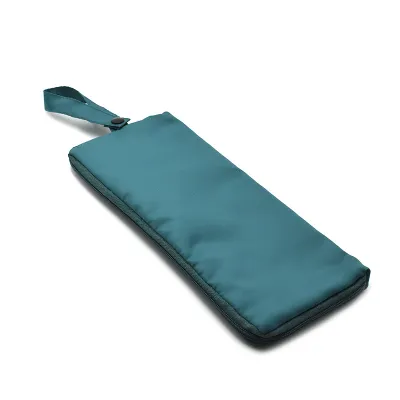
For fabric-based holder bags, the material must be both water-resistant and easy to maintain. Look for heavy-duty synthetic fabrics like polyester, nylon, or Oxford cloth that feature a waterproof inner lining or polyurethane coating. These materials prevent water from seeping through the fabric onto your walls or floors. Crucially, verify if the fabric bag or liner is fully removable and machine-washable. Being able to toss the bag into the washing machine on a regular cycle is the easiest way to eliminate accumulated dirt, bacteria, and damp smells.
Ventilation is your best defense against mold and mildew in a humid climate. A completely sealed plastic or fabric bag will trap moisture inside, creating a humid microclimate that slows down the drying process of your umbrellas. Opt for designs that incorporate mesh panels, perforated patterns, or open-slat frames. This allows continuous airflow around the wet umbrellas, helping them dry much faster and reducing the risk of fabric rot or unpleasant odors developing inside the holder.
Building Your Shortlist: Verifying Claims on E-Commerce Platforms
When shopping for umbrella holder bags on online marketplaces, it is easy to be swayed by stylized product photos and generic descriptions. To ensure you receive a product that fits your home and functions as expected, start by cross-referencing the listed dimensions with your actual physical space. Use a measuring tape to map out the exact spot where you plan to place or hang the holder. Check the height, width, and depth, and pay close attention to door clearances and the height of your existing entryway furniture to avoid buying an item that blocks your daily movement.
Next, dive deep into the user review section, focusing on practical feedback rather than overall star ratings. Search specifically for reviews from buyers who live in similar humid climates, and look for recurring complaints regarding structural stability, water leaks, or rust. If multiple reviews mention that the holder wobbles when holding a long umbrella, or that the drip tray cracks easily, these are clear indicators of potential quality issues. Pay close attention to user-uploaded photos, as these often provide a much more accurate representation of the product’s true color, material texture, and overall build quality than the seller’s polished promotional images.
Finally, confirm the return policies and warranty terms before finalizing your purchase. Because you cannot physically handle the product before it arrives, you want the assurance that you can return or exchange it if it fails to meet basic water-containment standards or arrives with manufacturing defects. Check if the seller offers a straightforward return process for items that do not match their descriptions, and verify if there is any warranty coverage for structural components like the frame, joints, or mounting hardware.
Frequently Asked Questions (FAQ)
Can an umbrella holder bag prevent water damage to wooden floors?
While a high-quality umbrella holder bag is designed to collect and contain water, it cannot completely guarantee absolute protection for sensitive wooden floors like parquet or laminate. Splashing can occur when inserting wet umbrellas, and condensation can sometimes form on the exterior of a cold, damp holder. Additionally, if a drip tray overflows or a fabric seam slowly develops a micro-leak, moisture can seep onto the floor unnoticed. To safeguard your wooden flooring, it is highly recommended to place a secondary waterproof silicone or rubber mat underneath the holder to catch any stray drips or accidental spills.
How many umbrellas should a standard holder bag accommodate?
To determine the right capacity, calculate the number of active umbrellas your household uses daily and add a small buffer for guests. A standard holder for a household of three to four people should comfortably accommodate four to six umbrellas. Keep in mind that long golf umbrellas require significantly more physical space and structural support than compact, foldable models. If your household primarily uses foldable umbrellas, look for a holder with dedicated hooks or shallow pockets, which allows you to store more items in a smaller footprint without cluttering the main compartment.

Community discussion
Share your experience or ask a question. Comments are reviewed before publication.