
Selecting a small mattress in Singapore requires balancing limited bedroom space with personal physical comfort. In compact living environments, such as modern apartments and built-to-order flats, every square centimeter of floor space matters. Because a smaller mattress restricts your physical movement during the night, choosing a model that aligns precisely with your sleeping style is essential for preventing morning stiffness and ensuring deep, restorative sleep. By understanding how your sleep position interacts with different mattress materials and firmness levels, you can make an informed decision that maximizes both comfort and room utility.
Understanding Small Mattress Dimensions and Space Requirements
Before exploring materials or firmness levels, you must clarify the standard dimensions available in the local market. In Singapore, the two primary compact mattress sizes are the Single and the Super Single. A standard Single mattress typically measures 91 cm in width and 190 cm in length, making it a practical choice for children’s rooms, guest bedrooms, or highly constrained studio apartments. The Super Single mattress offers a bit more breathing room, measuring 107 cm in width and 190 cm in length. This extra 16 cm of width provides a significantly more comfortable sleep surface for growing teenagers or single adults who prefer a bit more room to turn without feeling restricted.
To ensure a comfortable bedroom layout, you must measure the available floor space carefully. A common mistake is focusing solely on whether the mattress and bed frame will fit into the room physically. You should aim to maintain at least 60 to 70 cm of clear walking space around the sides and foot of the bed. This clearance is necessary for comfortable movement, making the bed, and opening wardrobe doors or dresser drawers without obstruction. If your bedroom features built-in cabinetry, measure the swing radius of the doors and the extension length of drawers to prevent physical collisions with the bed frame.
Products mentioned in this guide
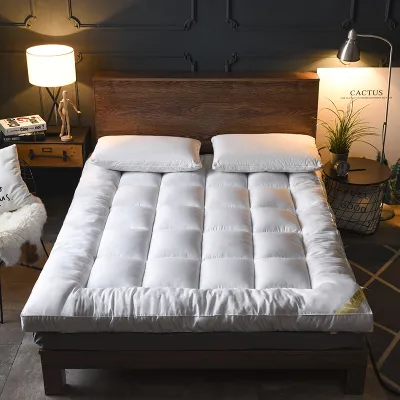
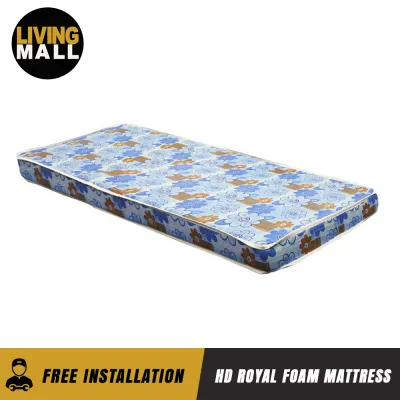
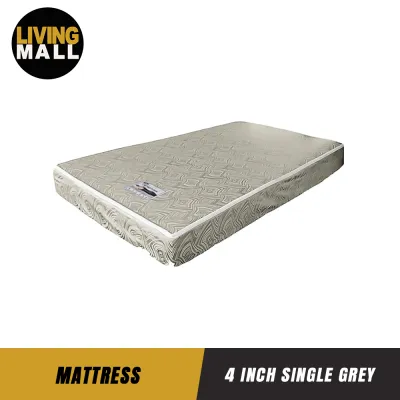
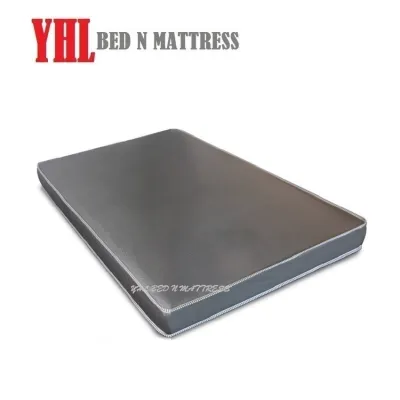

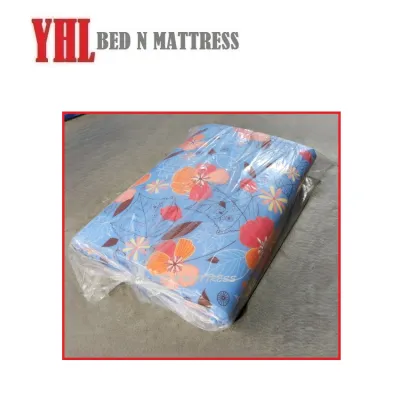
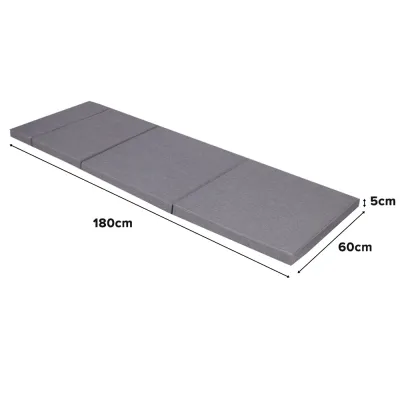
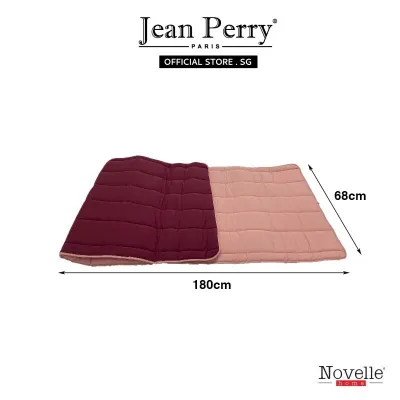
Prices are valid at publication and may change. Please refer to the product page for the latest price.
Delivery logistics represent another critical factor that is frequently overlooked. Singapore’s high-rise residential landscape means your new mattress must travel through communal corridors, passenger lifts, and apartment doorways. Before finalizing a purchase, measure the height, width, and diagonal clearance of your apartment’s entry door and any internal hallways. If you live in a condominium or HDB flat, check the dimensions of the lift cabin and the height of the lift door. For mattresses that do not arrive compressed in a box, ensuring that the delivery team can safely maneuver the flat mattress through these tight spaces is vital to prevent damage to both your home and the product.
Matching Firmness and Support to Your Sleeping Style
Your primary sleeping position determines how your body weight is distributed across the mattress surface, which in turn dictates the level of support and pressure relief you require. Side sleepers, for instance, place concentrated pressure on their shoulders and hips. To prevent these areas from becoming sore, side sleepers generally require a medium-soft to medium mattress, typically rated between 4 and 6 on a standard 10-point firmness scale. This level of plushness allows the shoulders and hips to sink slightly into the comfort layers, which helps maintain a neutral spinal alignment throughout the night.

Back sleepers require a different balance of support to maintain the natural curve of the spine. If a mattress is too soft, the hips will sink too deeply, leading to lower back strain; if it is too firm, the mattress will not conform to the lumbar curve, leaving the lower back unsupported. A medium to medium-firm mattress, rated around 6 to 7 on the firmness scale, is usually suitable for back sleeping. This firmness level provides a stable foundation that keeps the pelvis aligned while offering enough surface cushioning to fill the gap beneath the lower back.
Stomach sleepers face a distinct challenge in maintaining proper spinal alignment because gravity naturally pulls the midsection downward. To prevent the pelvis from sinking and arching the lower back uncomfortably, stomach sleepers typically require a firm mattress, rated between 7 and 9 on the scale. A firm surface keeps the body flat and level, reducing tension on the spine and neck. If you primarily sleep on your stomach, look for mattresses with robust support cores, such as high-density foam or tightly coiled innersprings, combined with minimal comfort padding on top.
Combination sleepers, who shift between multiple positions throughout the night, need a responsive mattress that does not make them feel restricted in one spot. A medium-firm mattress with high elasticity is highly suitable for this sleeping style. Materials like natural latex or responsive pocket springs react quickly to body movements, allowing you to transition from your back to your side with minimal physical effort. This responsiveness helps prevent micro-awakenings, allowing you to enjoy more continuous, uninterrupted sleep cycles.
When evaluating options, it is important to understand that manufacturer firmness scales are subjective and serve as general reference points rather than absolute guarantees. A firmness level labeled as “medium” by one brand might feel “firm” to a lighter individual or “soft” to a heavier sleeper. Additionally, material compositions behave differently under weight. Memory foam contours slowly using body heat, providing deep pressure relief but sometimes restricting movement. Natural latex offers a springier, more buoyant feel that keeps you positioned on top of the mattress. Pocketed innersprings provide localized bounce and excellent structural integrity, making them a reliable base for various comfort layers.
Essential Features to Evaluate for Comfort and Durability
Singapore’s tropical climate, characterized by high temperatures and humidity year-round, makes breathability and cooling properties a primary consideration for mattress selection. When reviewing mattress specifications, look closely at the materials used in the comfort and transition layers. Open-cell polyurethane foams, gel-infused memory foams, and natural latex are designed to facilitate better airflow than traditional closed-cell foams. Additionally, pay attention to the mattress cover fabric; natural fibers such as Tencel, bamboo viscose, or organic cotton are highly effective at wicking away moisture and promoting heat dissipation, helping you maintain a comfortable sleeping temperature.
Edge support is another critical feature, particularly for small mattresses like Singles and Super Singles. Because the total surface area is limited, you want to be able to sleep close to the edge of the bed without feeling as though you might roll off. Mattresses with reinforced edge support—such as a perimeter of extra-firm foam or thicker steel coils around the outer border—effectively expand the usable sleeping area. This structural reinforcement also makes sitting on the edge of the bed to put on socks or get dressed much more stable and comfortable over time.
While motion isolation is often associated with larger beds shared by couples, it remains highly relevant for small mattresses in specific scenarios. If your child shares a Single bed with a pet, or if you occasionally host guests who share a bed with a young child, a mattress that minimizes motion transfer is essential. Pocketed spring systems, where each coil compresses independently, and high-density memory foams are excellent at absorbing localized movement. This prevents vibrations from traveling across the surface, ensuring that one sleeper’s movements do not disturb the other.
Finally, always review the manufacturer’s sleep trial policies, return conditions, and warranty terms before making a commitment. A brief test in a showroom cannot replicate the experience of sleeping on a mattress night after night. Many modern mattress brands offer sleep trials ranging from 100 to 120 nights, allowing you to test the mattress in your own home. Be sure to read the fine print: check whether the brand charges a return delivery fee, if you must keep the mattress for a minimum period (such as 21 days) to allow your body to adjust, and whether returned mattresses are recycled or donated. A robust warranty of 10 to 15 years against sagging and structural defects is also a key indicator of long-term durability.
Building and Verifying Your Small Mattress Shortlist
To make a confident purchase, begin by establishing a realistic budget. In the local market, small mattresses generally fall into three price tiers. Entry-level options, typically ranging from S$150 to S$400, often consist of basic open-coil systems or simple polyurethane foam layers, which are suitable for guest rooms or temporary use. Mid-range options, from S$400 to S$1,000, usually feature pocketed springs, high-density memory foam, or hybrid constructions that offer a great balance of comfort and durability. Premium options, priced above S$1,000, frequently incorporate high-grade natural latex, advanced cooling technologies, and luxurious organic fabrics designed for enhanced longevity.
Once your budget is set, compile a shortlist of candidates from local furniture showrooms, dedicated bedding retailers, and reputable online direct-to-consumer brands. Filter these options strictly by how well their material composition and firmness ratings align with your primary sleeping style. For example, if you are a side sleeper with a mid-range budget, focus your search on pocket-sprung hybrid mattresses with a medium-soft rating and a breathable cover. Avoid being swayed by promotional bundles or generic marketing claims that do not directly address your physical support needs.
Next, verify the technical specifications and care instructions of each shortlisted mattress. Check the exact height of the mattress to ensure it is compatible with your bed frame’s headboard and does not make the overall bed height too high or too low for comfortable access. Review the care label to see if the mattress requires regular rotating (head-to-toe) to ensure even wear, or if it features a removable, washable cover. Confirming these maintenance details beforehand ensures that you can properly care for the mattress and preserve its structural integrity over its lifespan.
When your chosen mattress arrives, utilize the sleep trial period systematically. Your body typically requires at least three to four weeks to adapt to a new sleep surface, especially if you are transitioning from an old, sagging mattress to a supportive new model. During this adjustment phase, pay close attention to how your back and joints feel when you wake up in the morning. If you experience persistent discomfort after the initial break-in period, do not hesitate to contact the retailer to discuss an exchange for a different firmness level or initiate a return within the approved trial window.
Frequently Asked Questions (FAQ)
Is a small mattress suitable for two adults?
Standard Single and Super Single mattresses are designed for individual sleepers and do not provide sufficient width for two adults to sleep comfortably. Sharing a small mattress severely restricts movement, forces both sleepers into cramped positions, and significantly increases motion transfer, leading to disrupted sleep. If you regularly accommodate two adults, upgrading to at least a Queen-size mattress is highly recommended to ensure adequate personal space and proper spinal support for both individuals.
Do small mattresses require specialized bed frames?
Small mattresses do not require specialized frames, but they must be paired with a frame that matches their exact dimensions (Single or Super Single) to prevent shifting. Additionally, you must check the frame’s support structure; many mattress warranties require solid platforms or slatted bases with specific slat spacing (typically no more than 5 to 7 cm apart) to prevent the mattress from sagging. Always verify the weight capacity of both the frame and the mattress to ensure they can safely support your body weight over time.

Community discussion
Share your experience or ask a question. Comments are reviewed before publication.