
Finding the right drawers for bedroom storage in a typical Singapore HDB flat requires balancing space efficiency with daily accessibility. Because HDB bedrooms often feature compact layouts where every square centimetre counts, the ideal folding drawers are those that offer a slim footprint, modular flexibility, and collapsible designs that can be tucked away when not in use. Selecting the right setup depends on your specific floor plan, the clearance around your bed, and how easily the units can be integrated into existing alcoves or wardrobe gaps.
Measuring Your Bedroom Space and Delivery Access
Before purchasing any new storage furniture, you must accurately map out your bedroom floor plan to identify where the drawers will sit. Start by measuring the length and width of the designated wall space, taking care to note any architectural features like structural pillars, skirting boards, or electrical outlets that might prevent a unit from sitting flush against the wall. Dead spaces, such as the narrow gap between a wardrobe and the wall or the area behind a bedroom door, are excellent candidates for slim folding drawers, but they require precise, millimetre-accurate measurements.
Walkway clearance is another critical factor in a compact HDB bedroom layout. You need to ensure there is sufficient space to walk comfortably around the bed even when the drawers are fully extended or folded open. As a general rule, aim to maintain a clear walkway of at least 60 to 70 centimetres between the edge of the drawer unit and any adjacent furniture or walls. Additionally, account for the swing radius of your bedroom door, wardrobe doors, and any low-hanging window openings to prevent collisions and scratches.
Products mentioned in this guide
![(JIJI.SG) Modern Storage Drawers [L] & [XL] Cabinet / Cabinets - Plastic Storage Box Drawer / Household / Bedroom Furniture / jt](https://img.lazcdn.com/g/p/86a3a887a1319a62564287336c7aed89.jpg_400x400q80.jpg_.webp)
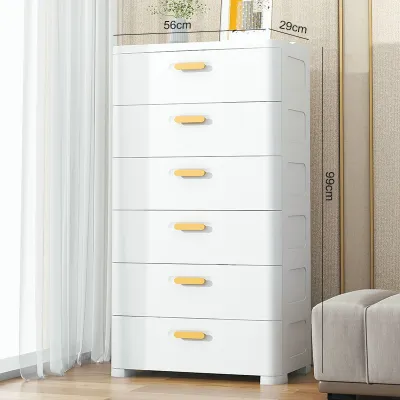
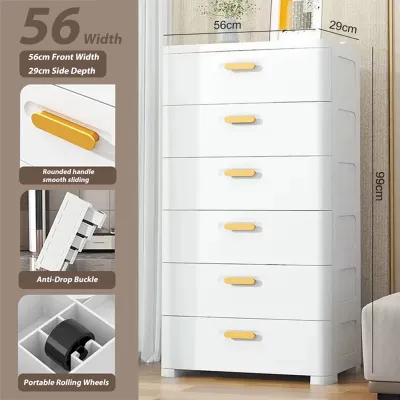
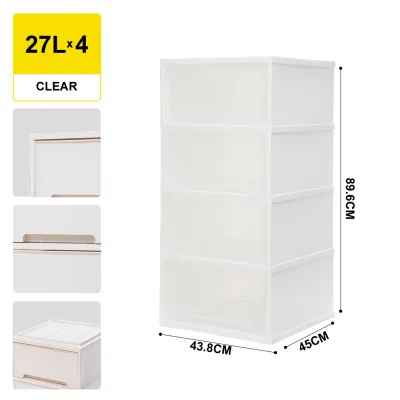
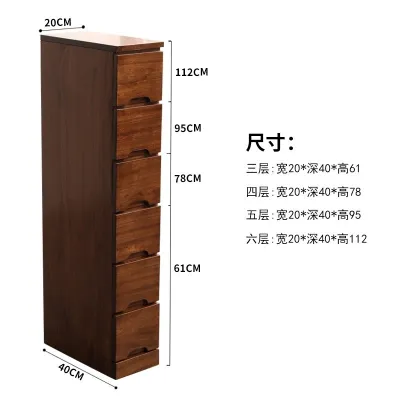
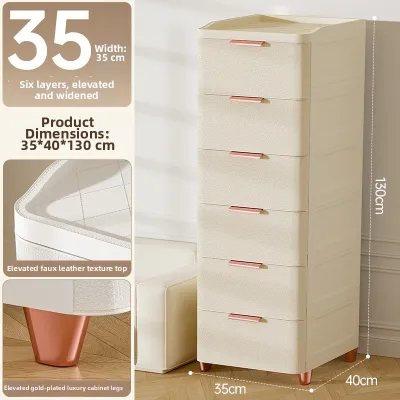
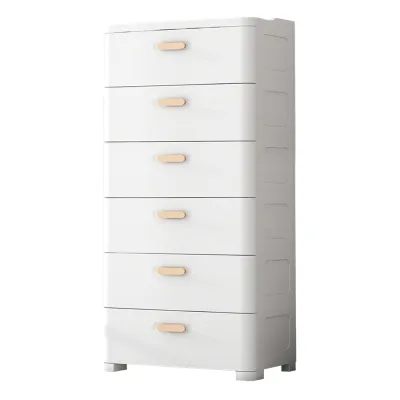
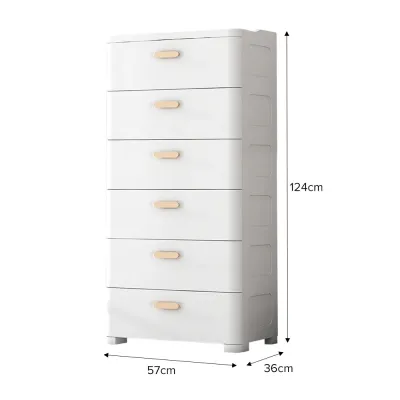
Prices are valid at publication and may change. Please refer to the product page for the latest price.
Finally, do not overlook the logistics of getting the furniture into your home. Even though folding drawers are often shipped flat-packed or collapsed, you must verify that the packaged dimensions can easily fit through your HDB block’s lift doors, corridors, and your main entryway. Measure the height and width of your bedroom doorway as well, ensuring that delivery personnel or you can safely maneuver the box into the room without damaging the walls or the product itself.
Comparing Folding Drawer Types for Compact Rooms
When shopping for drawers for bedroom organization, understanding the different folding mechanisms will help you choose a style that matches your daily routine. Collapsible fabric or plastic storage drawers are highly popular for their lightweight construction and versatility. These units typically feature a collapsible external frame with removable fabric bins that fold completely flat when empty, making them ideal for seasonal clothing, extra bedding, or temporary storage needs.

For those who require multi-functional furniture, fold-down desk or vanity drawers offer an excellent dual-purpose solution. These wall-mounted or freestanding units feature a front panel that folds down to reveal shallow drawer compartments and a flat surface that can be used as a laptop workspace or a makeup station. When your work or grooming routine is finished, you simply fold the desk surface back up, instantly reclaiming valuable floor space and keeping the room looking tidy and uncluttered.
Modular stacking drawers provide another highly adaptable option for changing storage demands. These individual drawer units can be stacked vertically to maximize overhead space or arranged side-by-side to fit beneath low windows or inside built-in wardrobes. When a drawer is no longer needed, many modular designs allow you to fold the outer shell flat, allowing for easy storage under the bed or in a utility closet until you require extra storage capacity again.
Matching Drawer Dimensions to Your Floor Plan
Selecting the right drawer dimensions involves finding a careful balance between your storage capacity needs and the visual weight of the furniture. In a compact HDB bedroom, a tall, bulky chest of drawers can dominate the room and make the space feel cramped and dark. Opting for low-profile folding drawers or modular units that match the height of your bed frame can help maintain an open line of sight, making the bedroom feel larger and more airy.
Depth restrictions are particularly crucial when placing drawers near the bed or wardrobe. Standard bedroom drawers often require a depth of 40 to 50 centimetres, which can severely restrict movement in a narrow room. Folding drawers, especially fabric or slim-profile plastic models, are often available in shallower depths of 30 to 35 centimetres, which can fit comfortably into tight passages without blocking your path. Always measure the distance from the edge of your mattress to the opposite wall to determine the maximum allowable depth for your storage units.
To avoid purchasing errors, always check the manufacturer’s detailed specifications for both the fully assembled and the folded dimensions. Pay close attention to the depth of the drawers when they are fully extended, as some folding mechanisms require extra clearance at the back or sides to operate smoothly. Verifying these dimensions against your physical floor measurements ensures that the drawers will function perfectly without hitting other furniture or blocking essential pathways.
Ensuring Stability and Safety in Compact Spaces
While folding and collapsible drawers offer unmatched flexibility, ensuring their stability and safety is paramount, especially in high-traffic bedroom areas. Always verify the manufacturer’s stated weight capacities for each drawer and the overall frame before loading them with heavy items like winter coats or books. Distribute the weight evenly, placing heavier items in the bottom drawers to lower the unit’s centre of gravity and prevent it from becoming top-heavy.
For taller modular configurations or stacked folding drawers, using anti-tip hardware is highly recommended to prevent accidental tipping. Many manufacturers include wall-anchoring straps or brackets with their units, which should be securely fastened to your bedroom wall according to the assembly instructions. If you are renting or prefer not to drill into your walls, keep the stacking height low and choose wider, more stable base units to ensure the assembly remains secure.
Regular maintenance of the folding joints, hinges, and fabric components will prolong the lifespan of your drawers and keep them operating smoothly. Periodically inspect all moving parts for signs of wear, loose screws, or misalignment, and tighten any hardware as needed. For fabric drawers, check the structural inserts for bending or sagging, and avoid overloading them beyond their intended capacity to preserve their shape and functionality over time.
Frequently Asked Questions (FAQ)
Can I stack folding drawers without them tipping over?
Stacking folding drawers safely depends heavily on the design of the units and the manufacturer’s specific guidelines. Many modular folding drawers feature interlocking grooves, clips, or peg systems designed to secure stacked units together and prevent sliding. However, even with these built-in features, you should always place the heaviest items in the lowest drawers and avoid stacking units beyond the manufacturer’s recommended height limit. For taller configurations, securing the top unit to the wall with anti-tip straps is essential to eliminate the risk of tipping.
How do I clean and maintain the folding joints?
To keep the folding mechanisms of your drawers functioning smoothly, regular cleaning is necessary to prevent dust and debris from jamming the hinges or tracks. Use a soft, dry cloth or a vacuum cleaner with a brush attachment to gently remove dust from the joints and folding creases. Avoid using harsh chemical cleaners or excessive water on plastic or fabric components, as moisture can weaken the materials or cause metal hinges to rust. If a joint becomes stiff, check for obstructions and consult the manufacturer’s care instructions before applying any lubricants.

Community discussion
Share your experience or ask a question. Comments are reviewed before publication.