
To find the best shelf organizer rack size for a small HDB bedroom, you must balance storage capacity with physical and visual clearance. In a typical Singaporean public housing layout, where bedroom floor space is limited, a rack with a depth of 30 to 35 centimetres and a width of 40 to 60 centimetres offers the most practical fit. This footprint provides sufficient room for storage bins, books, or folded clothes without encroaching on the critical 60 to 70 centimetres of walking clearance required around the bed.
Selecting the ideal configuration involves evaluating how you use the vertical and horizontal planes of the room. While a tall, narrow unit maximizes underutilized ceiling height, a floating wall shelf preserves floor space entirely, making the room feel larger and easier to clean. By matching the physical dimensions of the furniture to the specific layout constraints of your flat, you can establish an organized, clutter-free sleeping environment that feels spacious and comfortable.
Understanding HDB Bedroom Space Constraints
Managing space in Singaporean public housing requires a deliberate approach to furniture selection. Modern HDB flats, particularly Build-To-Order (BTO) units, feature bedrooms that average between 9 and 11 square metres. When you place a queen-sized bed or even a single bed alongside a wardrobe, the remaining floor area shrinks rapidly, leaving narrow corridors that must serve multiple functional purposes.
Products mentioned in this guide
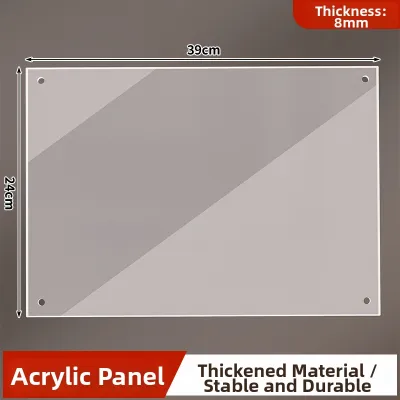
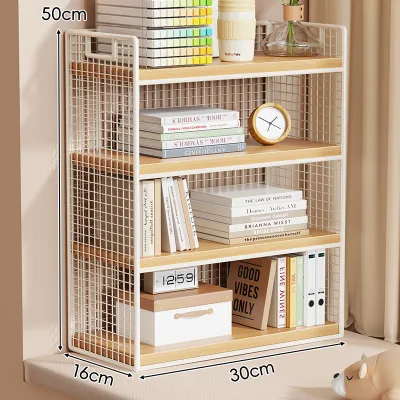
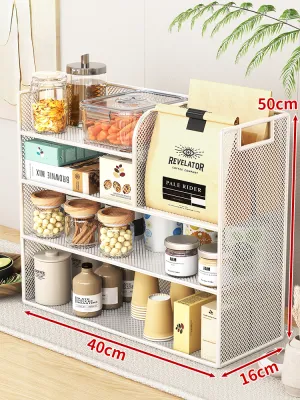
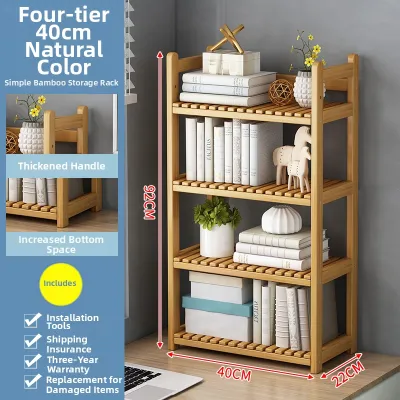
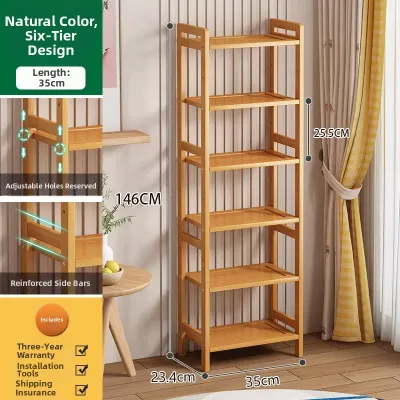
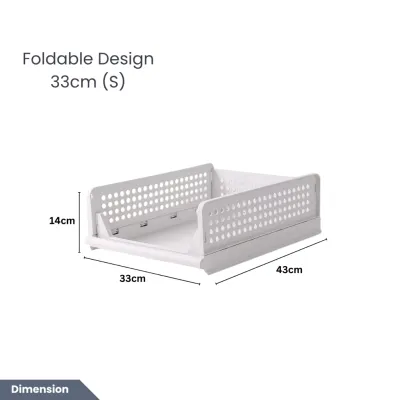
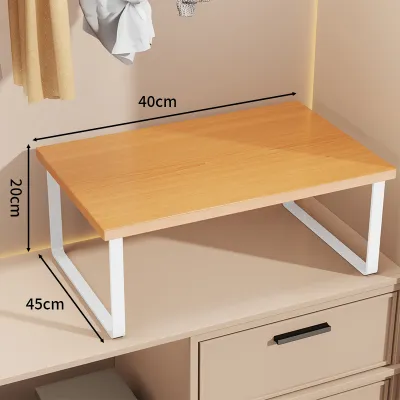
Prices are valid at publication and may change. Please refer to the product page for the latest price.
To determine where a new organizer can fit, you must distinguish between active floor space and passive wall space. Active floor space includes the pathways you walk daily, the area in front of your wardrobe doors, and the clearance needed to pull out desk chairs. Passive space includes the empty walls above low-profile furniture, tight corners beside the bed, or the vertical gap between the top of a chest of drawers and the ceiling.
Preserving visual openness and air circulation is vital in a compact sleeping area. Heavy, deep, or solid-backed shelving units can make a small room feel dark and claustrophobic. They can also obstruct air conditioning flow or block the breeze from open windows. Opting for open-frame designs, light-coloured materials, and slim profiles ensures the room remains bright, well-ventilated, and visually light.
Key Dimensions to Measure Before Buying a Shelf Organizer Rack
Before browsing online marketplaces or visiting local furniture showrooms, taking precise measurements of your bedroom is essential. Relying on visual estimation often leads to purchasing furniture that blocks doors, crowds walkways, or conflicts with wall fixtures. Using a physical measuring tape to map out the room prevents these common spatial issues.

Floor Footprint and Clearance
Begin by measuring the exact width and depth of the floor area where you plan to position the organizer. Mark these dimensions on the floor using masking tape to help visualize how much physical space the unit will occupy. This physical boundary makes it easier to judge whether you can move comfortably around the room once the furniture is in place.
You must also account for the functional clearance of surrounding features. Measure the swing arc of your bedroom door and wardrobe doors to ensure they can open fully without striking the rack. If your wardrobe has sliding doors, check that the rack does not block access to the door tracks or prevent you from reaching the internal shelves. Additionally, ensure there is enough clearance to fully extend any nearby desk or bedside drawers.
Maintaining a comfortable walking path is critical for daily convenience. A standard walkway should be at least 60 centimetres wide to allow you to pass through without turning sideways or bumping into furniture. If the proposed location of your rack reduces this pathway below 50 centimetres, you should consider a shallower unit or a wall-mounted alternative.
Vertical Space and Obstructions
Measuring the vertical clearance of your room is just as important as checking the floor footprint. Determine the height from the floor to the ceiling, or to any low-hanging overhead fixtures. If you plan to place a tall rack under a sloped ceiling or a structural beam, measure to the lowest point of that obstruction to ensure the unit fits comfortably.
Identify and map all wall-mounted fixtures that could interfere with a tall shelving unit. Air conditioning units require at least 15 to 20 centimetres of clear space above and below them for proper airflow and routine filter maintenance. Ensure the rack does not block this area or impede the directional louvres of the air conditioner.
You must also check the positions of ceiling lights, ceiling fan blades, curtain rods, and window handles. A tall rack placed too close to a ceiling fan can create a serious safety hazard, while a unit that blocks a window handle will make it difficult to open and close the window. Note the locations of wall-mounted electrical trunking, which is common in HDB flats, as these plastic casings can prevent a flat-backed rack from sitting flush against the wall.
Matching Rack Configurations to Your Layout
Different bedroom layouts require distinct organizational strategies. Choosing the right configuration of your shelf organizer rack depends on whether you have unused floor corners, open wall space, or hidden storage areas like the space under your bed.
Tall and Narrow Floor Racks
Tall, narrow floor units are ideal for utilizing tight corners or the slim gaps beside wardrobes and desks. A typical tall rack measuring 30 to 45 centimetres wide and 150 to 180 centimetres high allows you to stack items vertically, taking full advantage of the room’s height while occupying minimal floor space.
When choosing a tall rack, pay close attention to the shelf depth. Ensure the depth does not exceed 35 centimetres, as deeper shelves can cause stored items to overhang into walkways, creating a physical hazard. Additionally, deep shelves can make it easy to lose smaller items at the back of the unit, leading to unnecessary clutter.
Stability is a key consideration for any tall furniture piece. Look for models with a sturdy, weighted base or a frame design that widens slightly at the bottom. Units with adjustable leveling feet are particularly useful for stabilizing the rack on slightly uneven bedroom floors, preventing wobbling.
Wall-Mounted and Floating Shelves
If floor space is extremely limited, wall-mounted or floating shelves offer an excellent alternative. By lifting your storage off the ground, you keep the floor clear, which makes vacuuming and mopping much easier. This setup also increases the visible floor area, which instantly makes a small bedroom feel larger and more open.
Before purchasing wall-mounted shelves, you must verify the composition of your bedroom walls. HDB walls are typically made of solid concrete (structural walls and columns) or lightweight concrete panels and drywall (non-load-bearing partition walls). Concrete walls require a hammer drill, masonry drill bits, and heavy-duty plastic wall plugs to secure the shelves safely. Drywall partition walls require specialized toggle bolts or hollow-wall anchors to prevent the screws from pulling out under load.
Always check the manufacturer’s specified weight limits and recommended mounting hardware before installation. Avoid overloading floating shelves with heavy books or electronics; instead, reserve them for lighter items like decorative pieces, photo frames, or small storage baskets.
Over-Door and Under-Bed Organizers
Utilizing underused areas like the back of doors and the space beneath your bed frame can free up valuable room elsewhere. Over-door organizers are perfect for storing accessories, light footwear, or toiletries without taking up any floor or wall space.
To ensure an over-door rack fits properly, measure the thickness of your bedroom door, which is typically between 35 and 40 millimetres in HDB flats. You also need to check the clearance gap between the top of the door and the frame. A gap of at least 2 to 3 millimetres is necessary to allow the door to open and close smoothly without scraping or damaging the wood.
Under-bed storage is ideal for seasonal clothing, extra bedding, or items you do not need to access daily. Measure the vertical clearance from the floor to the lowest point of your bed frame, taking note of any central support legs or low-hanging wooden slats. Choose low-profile storage bins or zippered fabric bags equipped with multi-directional wheels, ensuring they can slide in and out easily without scratching your flooring.
Common Sizing and Placement Mistakes
Avoiding common spatial planning mistakes can save you time, money, and frustration. One of the most frequent errors is failing to account for the swing arc of doors. Placing a rack too close to the bedroom entrance or a wardrobe door can restrict movement, forcing you to squeeze through a partially open door or leaving you unable to access your clothes comfortably.
Another common mistake is choosing shelves that are too deep for the items you intend to store. For example, using a 45-centimetre-deep shelf to store small cosmetics, perfumes, or paperback books leads to wasted space and visual clutter. Smaller items tend to get pushed to the back and forgotten, while the front of the shelf becomes crowded and disorganized.
Be careful not to block access to essential utility points. HDB bedrooms contain power outlets, light switches, telephone jacks, and fiber optic termination points that must remain accessible. Placing a heavy, solid-backed rack directly in front of these outlets makes it difficult to plug in appliances and can bend or damage power cords pressed against the wall.
Finally, avoid placing tall, solid shelving units directly next to windows. Doing so blocks natural sunlight from illuminating the room, making the space feel smaller and dimmer. It also restricts the flow of natural breezes and can interfere with the movement of curtains or blinds, reducing your ability to control privacy and light levels.
Installation and Safety Checks for Compact Rooms
Ensuring your organizer is stable and secure is critical for maintaining a safe sleeping environment. In a small bedroom, where walking paths are narrow, the likelihood of accidentally bumping into furniture while dressing, vacuuming, or making the bed is significantly higher than in a spacious room.
For any freestanding rack taller than 120 centimetres, anchoring the unit to the wall is a vital safety precaution. Most manufacturers include anti-tip hardware, such as nylon straps or metal brackets, with their products. Always install these safety devices according to the manufacturer’s instructions to prevent the rack from tipping over if it is bumped or overloaded.
When mounting shelves or anchoring racks, make sure to use the correct hardware for your specific wall type. If you are drilling into an HDB concrete wall, use a high-quality masonry drill bit and expansion wall plugs. If you are mounting to a drywall partition, locate the wooden or metal wall studs using a stud finder, or use heavy-duty hollow-wall anchors if mounting directly to the plasterboard.
After assembly, place the rack in its designated spot and check for any signs of wobbling. If your bedroom floor is slightly uneven, use the unit’s adjustable leveling feet to stabilize it. If the rack does not have adjustable feet, you can slide thin, non-slip rubber shims under the base to level the frame and ensure it stands perfectly stable.
Frequently Asked Questions (FAQ)
What is the ideal depth for a bedroom shelf organizer?
For a small HDB bedroom, the ideal shelf depth is between 25 and 35 centimetres. This range comfortably accommodates standard storage baskets, folded clothing, books, and small electronics without protruding too far into narrow walkways. Shallower shelves of 15 to 20 centimetres are highly effective for displaying smaller items like cosmetics, perfumes, or decorative pieces without cluttering the room.
Can I use a freestanding rack without anchoring it in a small room?
It is highly discouraged to use a tall or top-heavy freestanding rack without anchoring it to the wall in a compact bedroom. Because the walking paths in a small room are narrow, the risk of accidentally bumping or snagging the unit is high. Always use the manufacturer-provided anti-tip kits and secure the rack to the wall to prevent tipping hazards and ensure household safety.

Community discussion
Share your experience or ask a question. Comments are reviewed before publication.