
Selecting the right firmness for a Seahorse mattress pad is a practical way to customize your sleeping surface, prevent morning stiffness, and extend the life of your bed. Because a mattress pad primarily modifies the immediate comfort layer rather than replacing the deep support of your mattress, choosing the correct firmness requires matching the pad to your sleeping position and body type. In Singapore’s warm and humid climate, a well-chosen pad also helps manage heat retention while providing the exact level of pressure relief your body needs.
Making the wrong choice can lead to localized discomfort, such as shoulder pain for side sleepers or lower back strain for stomach sleepers. By understanding how different firmness levels interact with your body weight and sleep posture, you can make an informed decision that enhances your sleep quality. This guide outlines how to evaluate your sleep habits, compare pad specifications, and verify key details before purchasing a Seahorse mattress pad.
Understanding Mattress Pad Firmness Levels
Before selecting a firmness level, it is important to distinguish between a standard mattress pad and a thick mattress topper. A standard mattress pad is typically thin, designed primarily to protect the mattress from moisture, dust mites, and general wear, while adding a light layer of surface cushioning. In contrast, a mattress topper is significantly thicker—often ranging from two to four inches—and is specifically engineered to alter the overall firmness and support of an existing bed. When looking for a Seahorse mattress pad to adjust your bed’s feel, you are likely looking at products that function as toppers, offering distinct soft, medium, or firm profiles.
Products mentioned in this guide
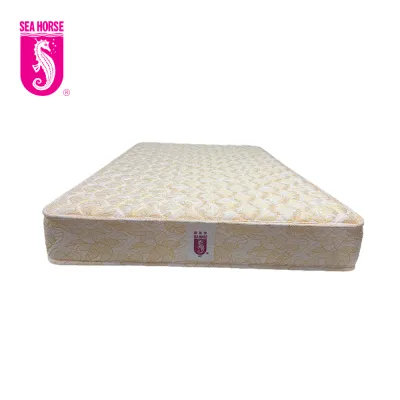
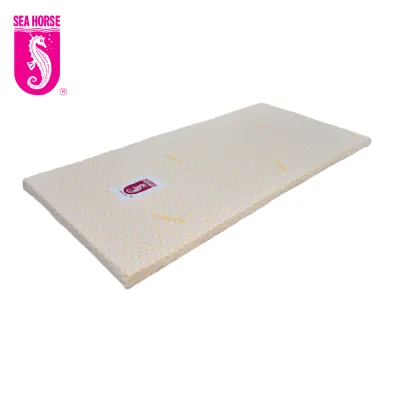
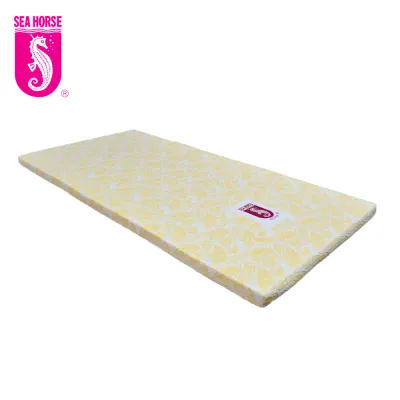
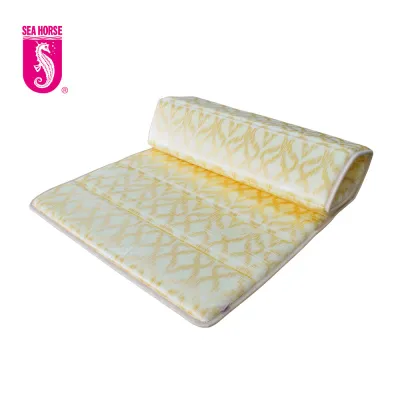
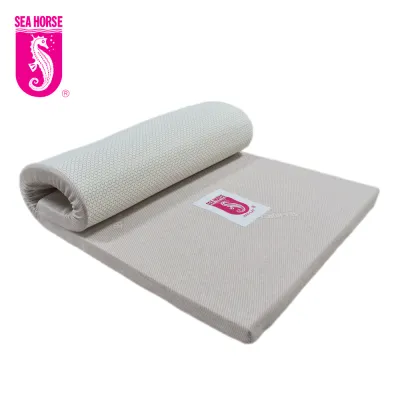
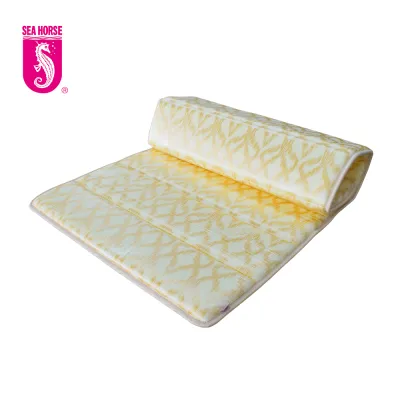
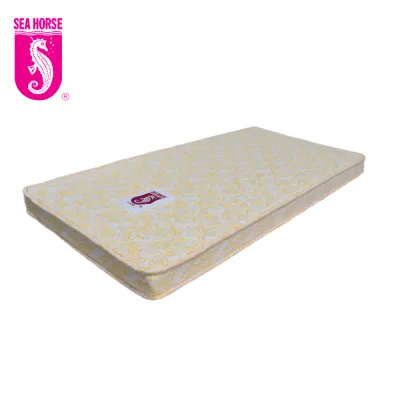
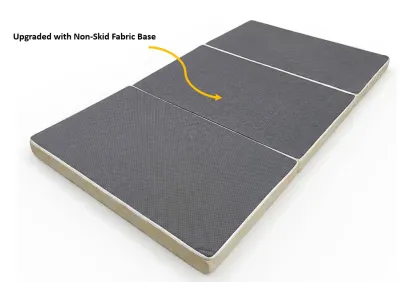
Prices are valid at publication and may change. Please refer to the product page for the latest price.
The soft, medium, and firm labels on these pads correspond directly to how much the material contours to your body and how much resistance it provides. A soft pad allows for deep contouring, cradling the body’s natural curves and reducing pressure on prominent joints. A medium pad strikes a balance, offering moderate contouring while maintaining a stable surface that prevents excessive sinking. A firm pad provides high resistance, keeping the body positioned on top of the pad rather than letting it sink in, which helps maintain a flat, neutral sleeping plane.
Because perceived firmness is highly subjective and varies based on the materials used—such as high-density foam, memory foam, or latex—it is crucial to look beyond generic labels. Different manufacturing processes and material densities can make one brand’s “medium” feel like another’s “firm.” To ensure you get the desired feel, always check the specific material descriptions, density ratings, and customer feedback on official retail channels.
Matching Firmness to Your Sleeping Position
Your primary sleeping position is the most critical factor in determining the ideal firmness for your Seahorse mattress pad. The main goal of any sleep surface is to keep your spine in a neutral alignment, meaning your ears, shoulders, hips, and knees should align naturally without twisting or bending. Different sleeping positions place unique demands on a mattress pad to achieve this alignment.

Side sleepers generally require a soft to medium mattress pad. When you sleep on your side, your shoulders and hips bear the majority of your body weight, creating concentrated pressure points. If the pad is too firm, these areas cannot sink in, forcing your spine to curve unnaturally and often leading to hip or shoulder pain. A softer pad cushions these protruding joints, distributing your weight more evenly and allowing the spine to remain straight and relaxed throughout the night.
Back sleepers typically benefit most from a medium to medium-firm mattress pad. This position requires a surface that supports the natural curve of the spine, particularly in the lumbar region. If the pad is too soft, your pelvis will sink too deeply into the bed, arching your lower back downward and causing muscle strain. Conversely, an excessively firm pad will leave a gap between your lower back and the sleep surface, forcing your back muscles to remain tense to support themselves. A medium feel provides just enough contouring to fill the lumbar gap while keeping the hips properly elevated.
Stomach sleepers need a firm mattress pad to prevent spinal misalignment. Sleeping on your stomach naturally puts pressure on your lower back; if your midsection sinks into a soft pad, your spine will bow uncomfortably, leading to chronic lower back and neck pain. A firm pad keeps your hips and pelvis level with your shoulders, ensuring your spine stays as flat and neutral as possible. If you prefer stomach sleeping, avoiding soft pads is essential for long-term comfort.
Combination sleepers, who rotate through multiple positions during the night, should opt for a versatile medium mattress pad. A medium firmness provides a balanced compromise, offering enough surface give to cushion the shoulders when on your side, while maintaining enough resistance to support your back or stomach. Additionally, a medium pad typically allows for easier movement, making it less physically demanding to turn over and change positions compared to a deep-sinking soft pad.
Factoring in Body Weight and Build
Your body weight directly influences how much pressure you exert on a mattress pad, which in turn changes how firm or soft the pad feels to you. A pad that feels perfectly medium to one person might feel incredibly soft or uncomfortably firm to another, depending on their physical build.
Heavier individuals apply more force to the sleep surface and will sink deeper into any given material. For those with a heavier build, a firmer or thicker mattress pad is usually necessary to provide adequate support and prevent bottoming out. Bottoming out occurs when you sink completely through the pad and rest directly on the hard mattress underneath, rendering the pad ineffective. A firmer pad offers the structural resistance needed to keep heavier body parts properly supported.
Lighter individuals, on the other hand, exert less force and may find that firm pads do not compress enough to provide any pressure relief. If you have a lighter build, a softer mattress pad is often the better choice, as it allows your body to sink just enough to experience the contouring and cushioning benefits of the material. Without this compression, a firm pad can feel like sleeping on a rigid board, leading to discomfort.
Because weight distribution plays such a significant role in comfort, it is highly recommended to read user reviews that mention specific weight ranges. Checking the manufacturer’s weight guidelines, if available, can also help you determine whether a specific density or thickness will perform as expected for your body type.
Verifying Product Specs Before You Buy
To avoid the hassle of returning an unsuitable item, take the time to verify the exact product specifications before finalizing your purchase. Start by visiting the official Seahorse brand store or authorized online marketplaces to review the material composition, thickness, and density of the pad. Understanding whether the pad is made of high-density foam, memory foam, or latex will give you a clearer expectation of its durability, heat retention, and overall feel.
Next, carefully review the trial period, return policy, and warranty conditions. Because bedding is a highly personal and hygienic product, many retailers in Singapore enforce strict return restrictions once the original packaging has been opened. Ensure you understand whether you can return or exchange the pad if the firmness does not meet your expectations, and check what structural defects are covered under the warranty.
Finally, confirm the exact dimensions of your bed frame and existing mattress. Standard mattress sizes in Singapore can vary slightly from international standards, so you must match your bed to the correct local dimensions: Single (91cm x 190cm), Super Single (107cm x 190cm), Queen (152cm x 190cm), or King (183cm x 190cm). A pad that is too large will overhang and slide off the edges, while one that is too small will leave uncomfortable gaps and bunch up under your sheets. Additionally, ensure your doorways and lift access are clear if you are purchasing a thick, non-rollable topper, though most standard pads are compressed or flexible enough for easy transport.
Frequently Asked Questions (FAQ)
Can a mattress pad fix a severely sagging mattress?
No, a mattress pad cannot fix a severely sagging mattress. While a pad can alter the surface texture and provide temporary cushioning, it relies entirely on the underlying mattress for structural support. If your mattress has permanent indentations, broken springs, or a sagging core, any pad placed on top will simply sink into the existing hollows. Before purchasing a pad, inspect your mattress; if the core support has failed, investing in a full mattress replacement is the only way to restore proper spinal alignment.
How should I care for my Seahorse mattress pad to maintain its feel?
To preserve the material integrity and consistent feel of your mattress pad, always follow the specific care instructions on the product label. Many foam-based pads cannot be machine washed or tumble dried, as excessive heat and water can break down the foam structure. To maintain hygiene in Singapore’s humid climate, use a breathable, waterproof mattress protector over the pad. This protector shields the pad from sweat, spills, and dust mites, significantly reducing the need for deep cleaning and extending the lifespan of the materials.

Community discussion
Share your experience or ask a question. Comments are reviewed before publication.