
Choosing the right firmness for a Seahorse foldable mattress is a balancing act between your physical build, your primary sleeping posture, and the structural limits of a portable bed. Because foldable mattresses are inherently thinner than standard pocket-spring mattresses, selecting an incorrect firmness can lead to “bottoming out”—a situation where your heaviest pressure points sink completely through the foam layers to meet the hard floor beneath. To find the ideal balance, you must evaluate how your body weight interacts with different foam densities and determine whether a firm, medium-firm, or soft surface will keep your spine in a neutral position throughout the night.
In space-constrained living environments, such as modern apartments in Singapore, foldable mattresses serve as highly practical solutions for guest rooms, study spaces, or daily minimalist setups. However, their portability should not come at the expense of sleep quality. By understanding how foam thickness, material composition, and your personal sleep profile align, you can select a model that provides both the convenience of easy storage and the physical support necessary for restorative rest.
Understanding Mattress Firmness and Your Body Type
Your body weight and physical build are the primary forces acting upon a foldable mattress, directly determining how deep you sink into the foam. Traditional mattresses often utilize multiple thick layers of springs and comfort foam to distribute this weight gradually. In contrast, a foldable mattress relies on a much shallower profile, meaning the relationship between your body mass and the foam’s resistance is highly compressed.
Products mentioned in this guide
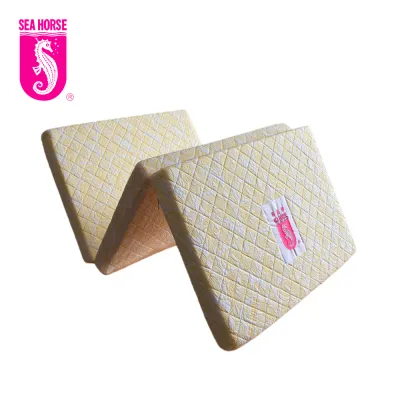
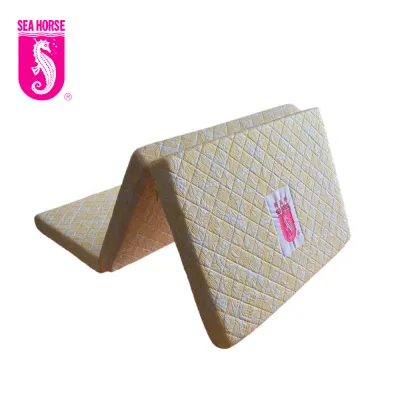
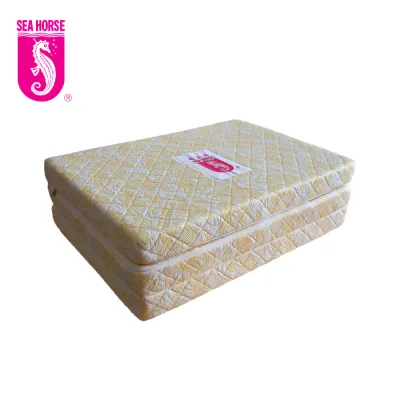
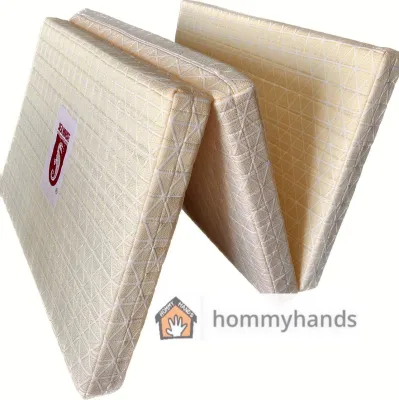
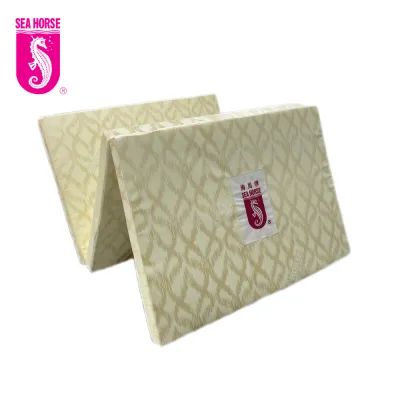
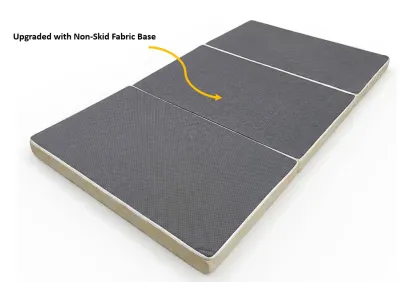
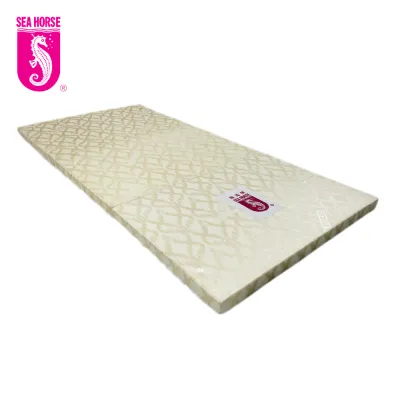
Prices are valid at publication and may change. Please refer to the product page for the latest price.
For individuals with a heavier physical build, a firmer mattress is generally essential. When a heavier sleeper lies on a soft or medium-soft foldable mattress, the concentrated weight at the hips and shoulders can easily overwhelm the thin comfort layers. This rapid compression causes the sleeper to sink through the foam, leading to direct contact with the floor or bed base. To prevent this bottoming-out effect, heavier individuals should look for high-density, firm foam options that offer high resistance to compression, ensuring the body remains suspended and supported.
Conversely, lighter individuals exert less downward force on the mattress surface. If a light sleeper uses an exceptionally firm foldable mattress, they may not compress the foam enough to experience any contouring. This lack of compression can cause the mattress to feel like a rigid board, creating uncomfortable pressure points along the shoulders, ribs, and hips. For these sleepers, a slightly softer or medium-firm surface is often more appropriate, as it allows the foam to yield slightly under lighter weights, providing necessary pressure relief while maintaining basic support.
Those with an average build typically find their ideal match in the medium-firm range. This level of firmness offers a balanced compromise, providing enough surface yield to cushion the joints while retaining a solid core resistance that prevents the midsection from sagging. When assessing your body type, consider not just your overall weight, but also how that weight is distributed; broad shoulders or wider hips concentrate pressure in specific zones, requiring careful consideration of how the foam will react to those localized forces.
Matching Firmness Levels to Sleep Positions
Your primary sleeping posture dictates how your spine aligns during the night and where pressure points are most likely to develop. Because a foldable mattress has less physical depth to correct poor alignment, matching the firmness level to your sleep position is critical for preventing chronic morning stiffness and back pain.

Side sleepers require a mattress that offers significant pressure relief at the shoulders and hips. When sleeping on your side, these two areas protrude furthest from the body’s centerline and bear the brunt of your weight. If the foldable mattress is too firm, these joints are pushed upward, forcing the spine into an unnatural curve and restricting local blood circulation. To avoid this, side sleepers should seek out models with a slightly softer comfort layer or a medium-firm rating that allows the shoulders and hips to sink just enough to keep the spine straight, while still providing a supportive base underneath.
Back sleepers need a balanced firmness that supports the natural, gentle “S” curve of the spine. The primary challenge for back sleepers is maintaining support under the lumbar region without pushing the upper back and hips too far upward. A mattress that is too soft will allow the pelvis to sag, flattening the lumbar curve and straining the lower back muscles. A mattress that is too firm will leave a gap beneath the lower back, forcing the muscles to remain tense all night. A medium-firm to firm foldable mattress typically provides the ideal equilibrium, supporting the hips while filling the lumbar gap.
Stomach sleepers face the greatest risk of spinal misalignment on a foldable mattress. Sleeping on the stomach naturally coaxes the lower back into an exaggerated arch. If the mattress surface is too soft, the heavy midsection sinks deeply into the foam, exacerbating this arch and placing severe strain on the lumbar spine and surrounding ligaments. To maintain a neutral posture, stomach sleepers require a highly firm surface that keeps the pelvis level with the shoulders and chest. If you primarily sleep on your stomach, prioritizing maximum firmness is crucial to prevent long-term back discomfort.
Decoding Seahorse Foldable Mattress Specifications
To make an informed decision, you must look beyond basic marketing terms and carefully analyze the physical specifications of the foldable mattresses you are considering. Understanding the materials, thickness, and manufacturer indicators will allow you to predict how a mattress will perform over time.
First, evaluate the core support materials used in the mattress construction. High-density polyurethane foam is a common standard for quality foldable mattresses, as it offers superior structural integrity and resistance to sagging compared to low-density alternative foams. When reviewing product specifications, check the density ratings if provided, or look for terms indicating high-density construction. High-density foam not only provides more reliable support for various body types but also retains its original firmness level for a longer period, resisting the softening that often plagues cheaper utility foams after repeated folding and unfolding.
Second, pay close attention to the total thickness of the mattress. Foldable mattresses typically range from two inches to five inches in thickness. A thinner mattress (around two to three inches) is highly portable and easy to store, but it offers very limited support capacity, making it suitable primarily for temporary use by lighter individuals or children. For daily use or for heavier adults, a thickness of four to five inches is highly recommended. This extra depth provides a crucial buffer zone, allowing the comfort layers to contour to your body without the risk of your pressure points pressing through to the hard floor.
Finally, examine the manufacturer’s tags, product labels, and official descriptions for specific firmness indicators. Many brands use proprietary naming systems or numerical scales to describe firmness. Always cross-reference these descriptions with the listed materials; for instance, a model described as “ultra-firm” that utilizes high-density solid foam will feel significantly harder than a “firm” model that incorporates a plush quilted cover layer. If you are shopping online, look for detailed customer feedback regarding the physical feel of the mattress, and check if the manufacturer specifies an intended use case, such as temporary guest bedding or daily sleep.
Pre-Purchase Checks and Space Considerations
Before finalizing your purchase, it is essential to conduct practical checks to ensure the foldable mattress fits seamlessly into your home environment and aligns with your physical capabilities. A mattress that is comfortable to sleep on can still become a burden if it is difficult to store, move, or maintain.
Begin by measuring the physical space where the mattress will be deployed. You must ensure there is sufficient floor clearance or bed frame space to accommodate the fully unfolded mattress without blocking doorways, wardrobes, or walkways. Equally important is measuring your designated storage area, whether it is a closet, under a bed, or a corner of a room. Compare these dimensions against the manufacturer’s specified folded dimensions to guarantee a clean fit. Remember to account for the thickness of the mattress when folded, as a three-fold mattress will triple in height or depth when packed away.
Next, consider the weight of the mattress and the folding mechanism itself. High-density foam mattresses are heavier than low-density alternatives. If you plan to fold and store the mattress daily, ensure that you or the primary user can comfortably lift, carry, and fold the unit without physical strain. Some models feature built-in handles or storage bags that make transport significantly easier, which is a highly valuable feature if the mattress will be moved frequently between different rooms.
Lastly, carefully review the retailer’s policies and warranty terms before committing. Because comfort is highly subjective, check if the seller offers a trial period or a flexible return policy for foldable mattresses. Be aware that some retailers have strict hygiene policies that prevent the return of opened bedding products unless there is a manufacturing defect. Additionally, read the warranty details to understand what constitutes a defect—such as a specific depth of permanent foam sagging—and verify whether using the mattress directly on the floor affects the warranty coverage.
Frequently Asked Questions (FAQ)
Can I use a foldable mattress directly on the floor?
Yes, you can use a foldable mattress directly on the floor, but doing so requires consistent maintenance to prevent hygiene issues. When a mattress sits directly on a cold floor, body heat and sweat can create condensation underneath the foam. In humid climates like Singapore’s, this trapped moisture quickly leads to the growth of mold, mildew, and unpleasant odors. To prevent this, you must regularly lift the mattress, prop it up, and allow it to air out in a well-ventilated area. Additionally, check the manufacturer’s warranty terms, as some brands may void coverage if the mattress is used on the floor without a protective barrier or regular airing.
How do I clean and maintain a foldable mattress?
To maintain the hygiene and longevity of your foldable mattress, establish a routine cleaning schedule. For minor spills or stains, use a spot-cleaning method with a mild detergent and a damp cloth, taking care not to saturate the foam, as excess moisture can degrade the material and encourage mold growth. Regularly vacuum the mattress surface using an upholstery attachment to remove dust mites, dead skin cells, and debris. To protect the mattress from sweat and spills, always use a breathable, washable mattress protector. When storing the mattress, ensure it is completely dry and kept in a cool, dry place away from direct sunlight, which can break down the foam structure over time.

Community discussion
Share your experience or ask a question. Comments are reviewed before publication.