
Choosing the right service yard cabinet for a Singapore HDB flat requires balancing tight spatial constraints with high-humidity conditions. The service yard is often the hardest-working zone in the home, pulling double duty as a laundry room, utility storage area, and sometimes a home for waste bins. A well-chosen foldable or multi-functional cabinet can transform this compact space, providing dedicated storage for detergents, pegs, and cleaning tools without permanently eating up valuable floor area. To make an informed purchase, you must look beyond aesthetic appeal and focus on precise spatial measurements, mechanical durability, and material resilience against semi-outdoor elements.
Assessing Your Service Yard Space and Layout
Before browsing online marketplaces or visiting local furniture showrooms, you must map out the exact physical boundaries of your HDB service yard. Start by measuring the available floor footprint with a reliable tape measure, noting any structural columns, floor traps, or raised concrete curbs. Floor traps are particularly important in Singapore utility spaces, as blocking them can lead to drainage issues during heavy cleaning or washing machine discharge cycles. Ceiling height is equally critical, especially if you plan to install a tall utility cabinet or a wall-mounted unit that sits above your washing machine. You must also measure the exact clearance required for your washing machine or dryer doors to swing open fully without striking the cabinet. If your appliances are front-loading, map out the arc of the door and ensure there is enough clearance for you to stand comfortably while loading and unloading laundry.
Beyond the appliances, you must inspect the surrounding architectural features that could interfere with a cabinet’s placement. Check the swing paths of any windows or bi-fold doors leading into the kitchen, ensuring the cabinet does not block their movement or restrict natural light. Take note of the location of ventilation grilles, water pipes, hose bibs, and electrical outlets. A cabinet must never block access to the main water tap or the power points used for your washer and dryer, as you may need to reach these quickly in an emergency. If the cabinet must sit flush against a wall with exposed piping, look for modular designs with open backs or customizable cutouts that can accommodate these fixtures. Additionally, look upward to check the path of your ceiling-mounted clothes drying rack, ensuring a tall cabinet does not obstruct the pulley system or the hanging clothes.
Products mentioned in this guide
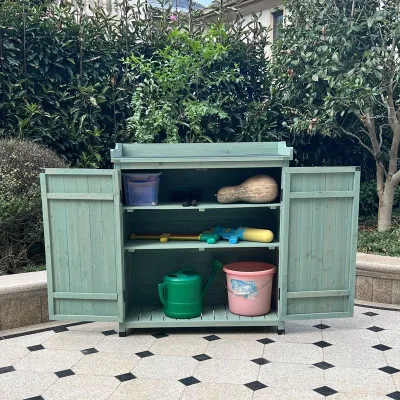
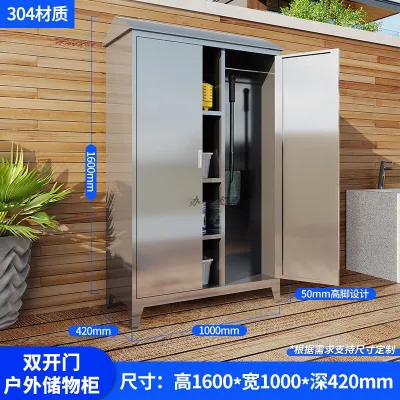
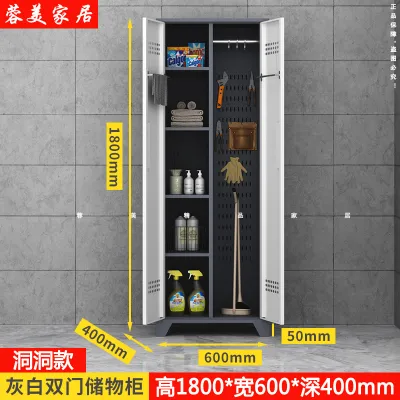
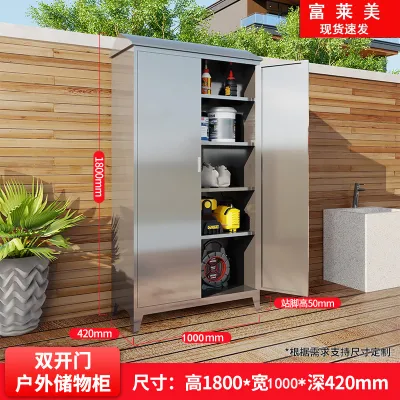
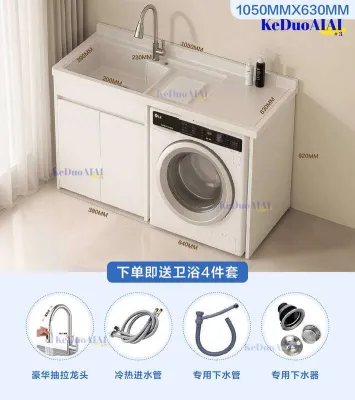
![[Biene] Basin cabinet for service yard small bathroom](https://img.lazcdn.com/g/p/9d1feef9f38c977c8f59cc3920ccc817.jpg_400x400q80.jpg_.webp)
Prices are valid at publication and may change. Please refer to the product page for the latest price.
Finally, you must account for the cabinet’s maximum expanded dimensions when all foldable or multi-functional parts are fully deployed. A cabinet with a drop-leaf folding table or a pull-out ironing board might look incredibly compact when closed, but it can easily overwhelm your service yard when opened. Measure the extended length of these features and compare them against your available walkway space. You should still have at least 60 centimeters of clear walking space around the fully expanded cabinet to move around safely. If the expanded unit blocks the path to your rubbish chute or clothes drying rack, it will quickly become a daily frustration rather than a helpful space-saving solution.
Key Features to Look for in Foldable and Multi-Functional Designs
When evaluating foldable and multi-functional service yard cabinets, the quality of the moving parts should be your primary focus. Folding mechanisms must operate smoothly without sticking, grinding, or requiring excessive physical force to deploy. Inspect the hinges, brackets, and joints to ensure they offer high structural rigidity when the cabinet is fully extended. Look for designs that feature secure locking mechanisms, such as spring-loaded pins, safety latches, or magnetic catches, which prevent foldable panels from collapsing unexpectedly under load. If the cabinet features a fold-down workbench, verify that the supporting brackets are rated to handle the weight of heavy laundry baskets or iron appliances.

Multi-functional elements can significantly consolidate your laundry tasks into a single, organized hub. Look for cabinets that integrate features like pull-out ironing boards, hidden drying racks, or adjustable interior shelves. A pull-out ironing board that slides back into a drawer slot saves you from storing a bulky, freestanding board elsewhere in your home. Hidden drying racks with retractable rods are excellent for hanging delicate garments that cannot go into the dryer. Adjustable interior dividers allow you to customize the storage compartments over time, letting you transition from storing tall broom handles to stacking bulk detergent bottles as your household needs change.
While these integrated features are highly convenient, you must verify that their deployment does not compromise the overall functionality of the service yard. A fully extended drying rack or ironing board must not block the natural cross-ventilation that is essential for drying clothes in an HDB flat. If the cabinet blocks the flow of wind from the service yard windows, it can lead to stagnant air and slow down the drying process for your hanging laundry. Additionally, ensure that extended features do not block overhead light fixtures, casting deep shadows over your workspace and making evening laundry tasks difficult to manage.
Evaluating Materials and Finishes for Semi-Outdoor Conditions
HDB service yards are semi-outdoor environments exposed to high humidity, direct sunlight, wind-driven rain, and fluctuating temperatures. Because of these harsh conditions, you cannot rely solely on generic material names like “wood” or “metal” when choosing a cabinet. Instead, you must carefully check the manufacturer’s specifications and product labels for explicit performance treatments. If you prefer metal cabinets, look for labels indicating rust-proof powder coatings, galvanized steel, or anodized aluminum. For wooden or wood-composite cabinets, verify that the surfaces are sealed with water-resistant laminates, polyurethane coatings, or marine-grade finishes that prevent moisture from penetrating the core material. Pay close attention to the edge banding on laminated boards, as poorly sealed edges are the most common entry points for moisture, leading to swelling and warping.
The hardware components of a foldable cabinet are often the first parts to fail when exposed to the humid air of a service yard. Inspect the quality of the hinges, drawer slides, magnetic catches, and casters before making a decision. Look for hardware made from stainless steel or brass, which offer superior resistance to corrosion compared to standard plated steel. If the cabinet is mobile, check that the casters are heavy-duty, rust-resistant, and equipped with reliable locking brakes to keep the unit stable during use. Avoid cabinets with exposed, untreated iron screws or flimsy plastic hinges, as these will quickly degrade, rust, or crack under the combined effects of humidity and daily mechanical stress.
To ensure the long-term durability of your service yard cabinet, you must review the manufacturer’s care and maintenance instructions. Even the most resilient materials require regular upkeep to prevent mold growth, warping, or surface degradation. Look for cabinets that can be easily wiped down with a damp cloth and mild detergent, avoiding those that require specialized, high-maintenance wood oils or harsh chemical cleaners. Establish a routine to inspect the joints and moving parts every few months, applying a silicone-based lubricant to the hinges and tracks if they begin to squeak or feel stiff. Keeping the cabinet clean and dry will significantly extend its lifespan in a semi-outdoor setting.
Building Your Shortlist: Safety, Installation, and Daily Use
As you finalize your shortlist of potential service yard cabinets, structural safety must be your top priority. You must confirm the maximum weight capacity limits specified by the manufacturer for both the overall cabinet and individual shelves. Plan your storage layout carefully by placing heavy items, such as bulk detergent packs, fabric softeners, and heavy cleaning tools, on the lowest shelves. This strategy maintains a low center of gravity, which significantly reduces the risk of the cabinet tipping over. Avoid overloading upper shelves or extended foldable sections with heavy items, as this can destabilize the entire structure and cause mechanical failure.
Tipping hazards are a serious concern for tall, narrow cabinets or units with heavy, extendable parts. You must check whether the cabinet requires secure wall anchoring to remain stable during daily use. If the cabinet features a drop-leaf table or a pull-out drawer that extends far beyond the base footprint, the shifting weight can easily cause the unit to tip forward when fully loaded. If you have children or pets in the home, wall anchoring is highly recommended to prevent accidental tip-overs. Check if the manufacturer includes wall-mounting brackets, anchors, and screws in the package, and verify if your service yard walls are suitable for drilling.
Additionally, pay close attention to the base of the cabinet. HDB service yard floors are typically sloped towards the floor trap to facilitate water drainage. This slope can cause freestanding cabinets to wobble or sit unevenly, which compromises their stability and makes folding mechanisms harder to operate. To counter this, look for cabinets equipped with adjustable leveling feet. These feet allow you to compensate for the sloped floor, ensuring the cabinet remains perfectly level and stable.
Finally, review the practical logistics of delivery, assembly, and daily operation. Measure your home’s entryways, lift doors, and kitchen corridors to ensure the packaged cabinet can be delivered safely to your service yard without getting stuck. If the cabinet requires self-assembly, check the instruction manual online to see what tools are required and whether the process demands two people. Review the scope of the manufacturer’s warranty, paying close attention to what is covered regarding mechanical parts, hinges, and moisture damage. A robust warranty is often a good indicator of the manufacturer’s confidence in the cabinet’s durability and structural integrity.
Frequently Asked Questions (FAQ)
Can I install a freestanding cabinet without drilling into HDB walls?
Yes, you can install a freestanding cabinet without drilling, but you must take specific safety precautions to manage tipping risks. Freestanding cabinets, especially those with tall profiles or foldable extensions, are inherently more prone to tipping when doors are opened or when foldable tables are extended. To minimize this risk without drilling into your HDB walls, look for cabinets with wide, stable bases or units designed with weighted lower compartments. You can also use heavy-duty, damage-free adhesive anti-tip straps designed for rental homes, or place the cabinet flush between two heavy appliances like your washing machine and a solid wall to physically restrict its movement. Always prioritize storing your heaviest laundry supplies on the bottom shelf to keep the center of gravity as low as possible.
How do I prevent mold inside a service yard cabinet?
Preventing mold inside a service yard cabinet requires a combination of smart product selection and good daily habits. When shopping for a cabinet, look for designs that incorporate built-in ventilation features, such as louvered doors, mesh wire panels, or open ventilation gaps at the back. These features allow air to circulate freely, preventing the buildup of stagnant, humid air that encourages mold spores to grow. In addition to choosing a ventilated design, you must establish a habit of letting the cabinet air out periodically by leaving the doors open during dry, sunny days. Never store damp cleaning cloths, wet sponges, or partially damp laundry inside enclosed cabinet compartments, as the trapped moisture will rapidly lead to mold, mildew, and unpleasant odors.

Community discussion
Share your experience or ask a question. Comments are reviewed before publication.