
The optimal F31 Furniture shoe rack capacity for a standard HDB or condo entryway depends on balancing your household’s shoe count with the physical clearance of your foyer. In Singapore’s typical apartment layouts, where entryways are often narrow corridors or compact foyers, selecting a shoe rack requires matching the unit’s physical footprint to your available floor space while ensuring a clear walking path.
Choosing a cabinet that is too large can block your front door or violate safety guidelines, while a unit that is too small leads to cluttered entryways. By systematically measuring your space and understanding how internal shelving designs impact storage capacity, you can select a configuration that keeps your home organized and safe.
Measuring Your Entryway Space Constraints
Before browsing any furniture catalog, grab a measuring tape to map out the exact physical boundaries of your entryway. Measure the maximum available floor width, depth, and height where you intend to place the shoe cabinet.
Products mentioned in this guide
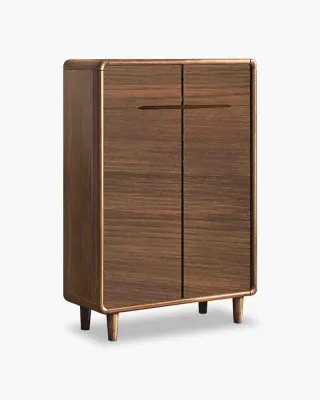
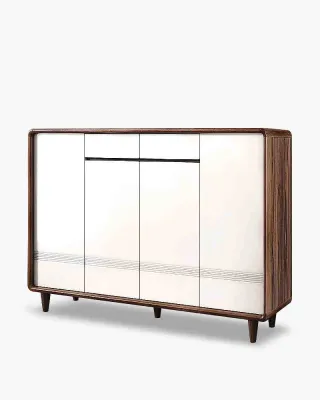
Prices are valid at publication and may change. Please refer to the product page for the latest price.
Do not forget to account for skirting boards along the base of the walls, which can prevent a flat-backed cabinet from sitting flush against the wall. This gap can add a few centimeters to the overall depth of the unit, potentially obstructing a narrow corridor.
Locate any wall-mounted fixtures such as electrical outlets, light switches, fiber termination points, or distribution boards. Placing a tall shoe rack directly in front of these utilities can block access during maintenance or emergencies.
Calculate the door swing radius of your main entrance door and any adjacent gates. The shoe rack must sit completely outside this arc to prevent collisions that could scratch the furniture or damage the door hinges.
Ensure there is sufficient clearance for a comfortable walking path. In Singapore, standard residential guidelines suggest maintaining a clear walkway width so that residents can move freely, especially when carrying groceries or moving larger items.
Identify structural elements unique to your building, such as nearby fire extinguisher cabinets, dry riser inlets, or ventilation grilles. If you live in an HDB flat with a common corridor, check that your placement does not violate local civil defence regulations regarding escape route obstructions.
Understanding F31 Furniture Shoe Rack Dimensions and Capacity
When evaluating F31 Furniture shoe racks, rely strictly on the official product specifications, user manuals, or verified product listings rather than generic industry estimates. Look for the exact finished dimensions, including the external width, depth, and height of the fully assembled unit.

Pay close attention to the internal shelving design, as this directly dictates the actual storage capacity and how your footwear must be oriented. Some cabinets feature flat shelves where shoes sit horizontally, while others utilize tilted shelves or pull-out drawers that store shoes at an angle.
Tilted or vertical shoe compartments allow for a much shallower external depth, which is ideal for tight spaces, but they may limit the height of the footwear you can store. Flat shelves offer more versatile storage but require a deeper cabinet footprint to accommodate standard shoe lengths.
Verify the weight limits and load capacity specified by the manufacturer for each shelf and the overall unit. A fully loaded shoe rack carries significant weight, and overloading can lead to structural sagging or joint failure over time.
Examine the material specifications and construction details. Rather than assuming a material is inherently scratch-resistant or moisture-proof, check the manufacturer’s care instructions and finish details to ensure the cabinet can withstand damp shoes or humid entryway conditions.
Matching Entryway Space to Shoe Rack Capacity
Selecting the right shoe rack capacity is a balancing act between your household’s storage needs and the physical layout of your home. For narrow corridors typical of many HDB flats, a slim tilt-drawer shoe cabinet is often the most practical choice.
These ultra-slim designs typically have a depth of less than 20 to 25 centimeters, storing shoes vertically or at a steep angle. While this configuration limits the capacity per drawer and may not accommodate bulky boots or high heels, it keeps the walkway completely clear and prevents tripping hazards.
If your condo or HDB unit features a wider foyer or a dedicated recess near the entrance, you can opt for standard-depth flat shelving. These cabinets usually have a depth of 30 to 35 centimeters, allowing shoes to be placed flat.
Standard-depth units offer a higher and more flexible capacity, accommodating various footwear styles from flat sandals to high-top sneakers. They also allow you to store shoes side-by-side without overlapping, making daily retrieval much easier for larger households.
For homes with limited floor area but high ceilings, vertical space utilization is key. Choosing a tall, narrow shoe cabinet maximizes storage capacity without expanding the physical footprint on your floor.
However, when opting for tall units, you must verify that the height does not interfere with overhead fixtures, air conditioning units, or decorative wall features. Ensure you have a clear plan for accessing the top shelves safely during daily use.
Crucial Installation and Daily Use Checks
Safety and stability must be your top priorities during the installation of any entryway furniture. Tall or narrow shoe racks have a higher center of gravity and can pose a serious tip-over hazard, particularly when multiple drawers are opened simultaneously.
Always verify the manufacturer’s anti-tip anchoring requirements. If the unit requires wall mounting, check your wall type (such as concrete, drywall, or brick) to select the appropriate wall plugs and screws, ensuring a secure hold that protects children and pets.
Adequate ventilation is essential for any enclosed shoe storage unit to prevent the buildup of moisture, mold, and unpleasant odors. Look for cabinets with slatted doors, backboard ventilation holes, or open-back designs that promote natural airflow.
Leave a small clearance gap between the back of the cabinet and the wall to facilitate air circulation. This simple step helps maintain the condition of both your footwear and the cabinet’s internal finishes over time.
Finally, double-check that your installed shoe rack does not obstruct any emergency exit routes or violate building management rules. In Singapore, keeping common corridors clear of personal items is a critical safety requirement enforced by town councils and condo management.
Ensure that even when the cabinet doors or drawers are fully extended, there is still ample space for residents and emergency personnel to pass through without hindrance.
Frequently Asked Questions (FAQ)
How do I account for larger shoe sizes when calculating rack capacity?
Manufacturer capacity ratings are typically calculated using standard or smaller shoe sizes. If members of your household wear larger sizes, the actual capacity of the rack will be lower than advertised. To avoid surprises, measure the length of your largest shoes and compare them against the internal shelf depth of the F31 Furniture model you are considering. Look for models with adjustable or removable shelves, which allow you to customize the vertical spacing to accommodate taller sneakers, boots, or high heels without wasting valuable storage space.
Can I modify an F31 Furniture shoe rack to fit a tighter space?
Modifying a pre-fabricated shoe rack by cutting, drilling, or altering its structural panels is highly discouraged. Altering the unit compromises its structural integrity, balance, and load capacity, which can lead to sudden collapse or tipping. Additionally, any self-modifications will void the manufacturer’s warranty. If you have a highly non-standard entryway space that cannot accommodate standard retail dimensions, it is best to consult the manufacturer or a qualified professional carpenter to explore custom-built storage solutions rather than altering a finished product.

Community discussion
Share your experience or ask a question. Comments are reviewed before publication.