
Choosing the right firmness for an Epitex foldable mattress depends on aligning your primary sleeping posture and body weight with the mattress’s structural support. Foldable mattresses offer excellent space-saving utility, especially in compact living environments like Singapore’s apartments, but selecting the wrong firmness can lead to morning aches or poor sleep quality. By evaluating how your body interacts with different foam densities and thicknesses, you can find a balance that supports your spine while keeping you comfortable.
Because foldable mattresses are typically thinner than standard pocketed spring mattresses, the relationship between firmness, body weight, and sleeping position becomes even more critical. A mattress that is too soft may cause you to bottom out against the hard floor, while one that is too firm can create painful pressure points. Understanding your personal sleep profile is the first step toward making an informed purchase that ensures restful sleep.
Assess Your Sleep Posture and Body Profile
Before browsing specific mattress models, you must identify your primary sleeping posture and how your physical profile interacts with foam surfaces. Your sleeping position determines where your body exerts the most pressure on the mattress, which directly impacts spinal alignment. A neutral spine—where your ears, shoulders, and hips align without strain—is the ultimate goal for healthy, pain-free sleep.
Products mentioned in this guide
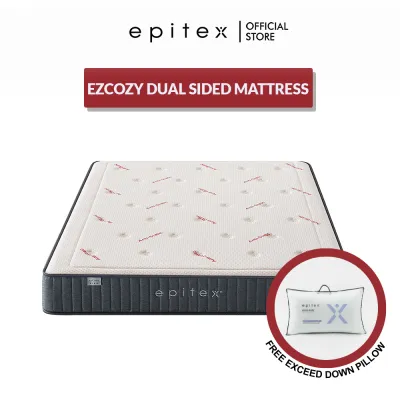



Prices are valid at publication and may change. Please refer to the product page for the latest price.
Side sleepers typically require more cushioning because their body weight is concentrated on narrower areas, specifically the shoulders and hips. Without adequate pressure relief, these joints can become sore, leading to frequent tossing and turning. Back sleepers distribute their weight more evenly but require consistent support under the lower back to maintain the spine’s natural curve. Stomach sleepers face the greatest challenge in maintaining alignment, as a mattress that is too soft allows the pelvis to sink, arching the lower back uncomfortably.
Your body weight also heavily influences how firm a mattress feels. Lighter individuals under 60 kg do not compress foam deeply and often perceive mattresses as firmer than they are, meaning they usually benefit from slightly softer options. Conversely, individuals weighing over 80 kg exert more downward force, compressing the foam layers significantly. If you fall into a heavier weight category, you will require a firmer or thicker mattress to prevent sinking completely through the comfort layers.
To establish your baseline needs, perform a quick self-check using these questions:
- What position do you typically wake up in the morning?
- Do you currently experience shoulder or hip soreness (a sign of a mattress that is too firm)?
- Do you wake up with a dull ache in your lower back (often a sign of insufficient support)?
- Will the mattress be used primarily by a child, a light adult, or a heavier individual?
Match Firmness Levels to Your Sleep Profile
Once you have identified your sleep posture and body profile, you can match them to the appropriate firmness level. Foldable mattresses generally range from soft to firm, with medium-firm options serving as a versatile middle ground.

For side sleepers, soft to medium-firm options are highly recommended. These firmness levels allow the shoulders and hips to sink just enough to keep the spine straight. If you choose a mattress that is too firm, your shoulders will be pushed upward, forcing your neck into an unnatural angle and causing tension. Look for models that offer contouring foam layers to cushion these sensitive joint areas.
Back and stomach sleepers should lean toward medium-firm to firm options. For back sleepers, a firmer surface prevents the thoracic and lumbar regions of the spine from sagging. For stomach sleepers, a firm mattress is essential to keep the hips level with the shoulders, preventing hyperextension of the lower back. If you sleep on your stomach, avoid soft mattresses entirely, as they can cause chronic lower back strain over time.
Combination sleepers, who rotate between different positions throughout the night, require a balanced medium-firm mattress. This level provides enough surface responsiveness to allow easy movement without making you feel stuck in a deep contour, while still offering adequate pressure relief when you roll onto your side.
When shopping, keep in mind that specific Epitex model names, foam densities, and exact firmness ratings can vary across different product lines and manufacturing batches. Always verify the specific model details, foam compositions, and official firmness scales on the product label or the official store before making a final decision.
Adjust for Foldable Design and Usage Scenarios
Foldable mattresses differ structurally from standard mattresses, and these differences must influence your firmness choice. The tri-fold design introduces seams and hinge points where the mattress bends. If a foldable mattress is too soft or thin, these hinge points can sag under your heaviest body parts, disrupting spinal alignment. Choosing a slightly firmer option can help maintain structural integrity across the joints of the mattress.
Thickness is another critical factor. Most foldable mattresses range from 2 to 4 inches (approximately 5 to 10 cm) in thickness. A thinner mattress has less material to absorb your weight, meaning the surface underneath will directly affect how firm the bed feels. If you place a thin, soft mattress on a hard floor, you are highly likely to feel the solid ground beneath you, which can cause discomfort.
Where you place the mattress plays a major role in its performance:
- On the Floor: Placing the mattress directly on a tiled, vinyl, or wooden floor will make it feel significantly firmer because the floor offers zero deflection. If you plan to use it on the floor, a medium or medium-soft mattress may feel firmer than expected.
- On a Bed Frame: If you place the foldable mattress on a slatted bed base or a divan, the base will provide a small amount of give, making the mattress feel slightly softer and more cushioned.
Additionally, Singapore’s warm and humid climate requires careful consideration of materials. Foam mattresses can trap body heat, leading to uncomfortable, sweaty nights. When selecting your mattress, check the cover material and inner foam layers for breathability. Look for covers made from breathable fabrics like bamboo or Tencel, and check if the foam features open-cell technology or ventilation channels to promote airflow and moisture management.
Verify Specifications and Fit Before Purchase
Before finalizing your purchase, take practical steps to ensure the mattress fits your physical space and functional needs. Foldable mattresses are designed for convenience, but they must still match the dimensions of your room and storage areas.
Start by measuring the exact floor space where you plan to unfold the mattress. In compact bedrooms, study rooms, or playrooms, even a few centimeters can make the difference between a comfortable layout and a blocked doorway or wardrobe. Do not forget to measure your storage space as well; ensure the folded dimensions of the mattress fit easily inside your wardrobe, under your bed, or in your designated storage closet.
Next, check the manufacturer’s product page for specific details regarding thickness, weight capacity, and material composition. If you are purchasing the mattress for daily adult use, a thicker model (typically 3 inches or more) is highly recommended to ensure long-term support. Thinner models are generally better suited for children, lightweight guests, or short-term lounging.
Finally, because comfort is highly subjective, try to visit a physical showroom or retail outlet to test the mattress in person. Lie down in your primary sleeping position for at least ten minutes to gauge how the foam responds to your body weight. If you are purchasing online, carefully review the seller’s trial periods, return policies, and exchange terms so you know your options if the firmness level does not meet your expectations.
Frequently Asked Questions (FAQ)
Can I use a foldable mattress on the floor every night?
Yes, you can use a foldable mattress on the floor every night, but it requires consistent maintenance to prevent hygiene and comfort issues. Sleeping on the floor restricts airflow beneath the mattress, which can trap body heat, sweat, and ambient moisture. Over time, this trapped moisture can lead to mold, mildew, and dust mite accumulation. To prevent this, you must prop the mattress up vertically to air out regularly. Additionally, because the floor does not yield, the mattress will feel firmer, which may cause discomfort for side sleepers over extended periods.
How do I clean and maintain an Epitex foldable mattress?
To clean and maintain your mattress, always follow the specific care instructions printed on the product label. If your model features a removable outer cover, unzip it carefully and wash it according to the manufacturer’s guidelines, typically on a gentle cycle with mild detergent. For the inner foam core, never submerge it in water or place it in a washing machine, as this will destroy the foam structure. Instead, spot clean any stains with a damp cloth and mild soap, and allow the foam to dry completely in a well-ventilated indoor area away from direct sunlight.

Community discussion
Share your experience or ask a question. Comments are reviewed before publication.