
Choosing the right chair leg protector pad is one of the simplest yet most critical decisions you can make to preserve the beauty and longevity of your home’s flooring. Whether you are moving into a newly renovated HDB flat with pristine vinyl tiles or maintaining solid timber floors in a condominium, the constant sliding of dining chairs and the heavy weight of sofas can cause irreversible wear. Selecting the ideal protector material requires matching the physical properties of the pad to your specific floor type, taking into account the weight of your furniture and the local climate.
In Singapore’s warm and humid environment, adhesive backings can degrade faster than in dry climates, leading to slipped pads and sticky residue. By understanding how different materials interact with various floor surfaces, you can prevent unsightly scratches, reduce distracting scraping noises, and avoid costly floor repairs. This guide provides a practical framework to help you evaluate your home’s needs and choose the most durable, floor-safe protectors.
Assessing Your Floor Type and Furniture Weight
Before purchasing any chair leg protector pad, you must accurately identify your flooring material. Common residential surfaces include ceramic or homogeneous tiles, luxury vinyl tiles (LVT), engineered hardwood, laminate, and polished concrete. Each surface reacts differently to friction and pressure. For instance, ceramic tiles are highly durable but feature grout lines that can snag thin pads, while engineered hardwood and vinyl are softer and highly susceptible to scratching from trapped dirt and grit.
Products mentioned in this guide
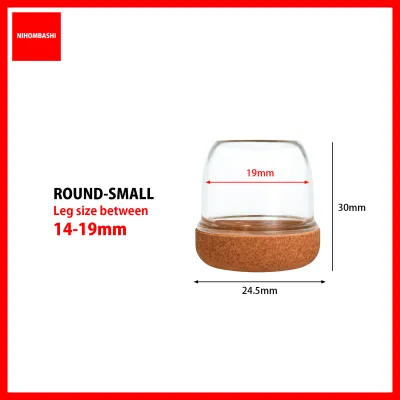
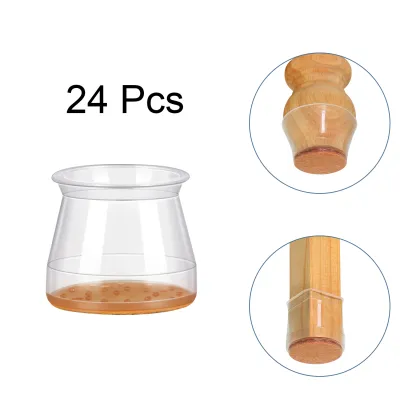
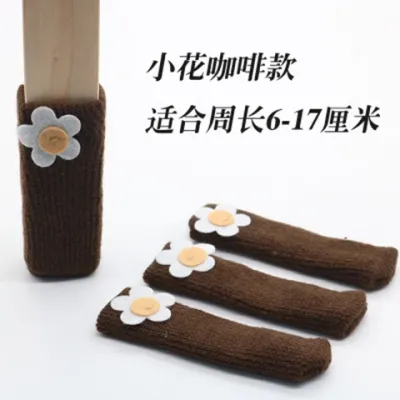
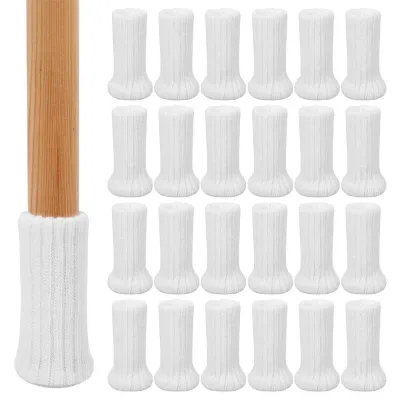
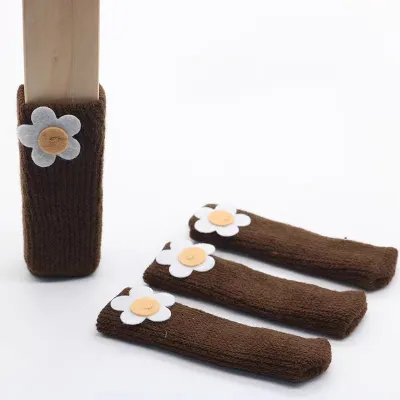
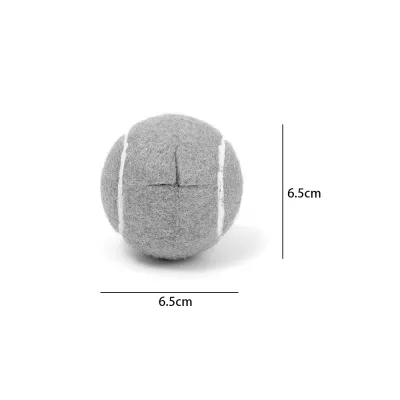
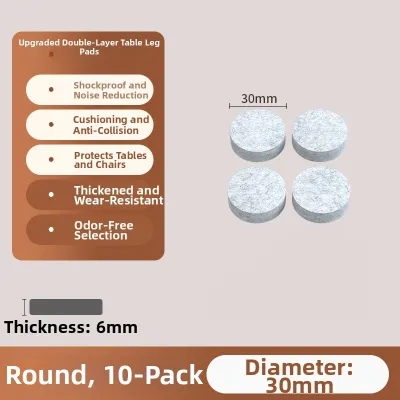
Prices are valid at publication and may change. Please refer to the product page for the latest price.
Next, evaluate the physical characteristics of your furniture. Heavy items like solid wood dining tables, marble-topped sideboards, and large sofas exert significant static pressure on small areas. Lightweight dining chairs, on the other hand, experience frequent lateral movement and dynamic load shifts. The shape of the chair legs—whether they are perfectly flat, angled, round, or square—also dictates the type of protector that will remain stable over time.
Finally, check your flooring manufacturer’s warranty guidelines or your tenancy agreement before applying any accessories. Some luxury vinyl and timber manufacturers explicitly warn against using specific rubber compounds or high-solvent adhesives, which can chemically react with the floor’s protective wear layer and cause permanent discoloration. Knowing these constraints early prevents accidental damage and preserves your flooring warranty.
Comparing Common Protector Materials and Attachment Styles
Felt Pads
Felt is the most popular material for indoor residential use due to its exceptional softness and superior noise dampening. High-density wool or synthetic felt allows chairs to glide effortlessly across hard surfaces without a sound. However, felt acts like a magnet for dust, pet hair, and microscopic grit. Over time, these abrasive particles become embedded in the fibers, turning the soft pad into a rough surface that can scratch wood and vinyl. Additionally, standard adhesive-backed felt pads are prone to shifting or sliding off the leg under heavy lateral force, especially in humid rooms.

Silicone and Rubber
Silicone and rubber protectors excel at providing grip and stability. Flexible silicone caps stretch to conform to various leg shapes, creating a snug fit without the need for messy adhesives. They are highly resistant to moisture, making them suitable for kitchens and semi-outdoor spaces. However, because rubber and silicone have high friction, they do not slide easily. Dragging a chair fitted with pure rubber pads can cause the chair to tip over or leave dark scuff marks on light-colored tiles. It is essential to verify that any rubber or silicone product is labeled as non-marking before installation.
Hard Plastic and Nylon
Hard plastic and nylon glides are designed for maximum durability and low friction. They allow heavy furniture to slide smoothly across carpets, rugs, and highly textured surfaces without snagging the fibers. On hard floors, however, plastic glides pose a significant risk. If a tiny grain of sand gets trapped between a hard plastic glide and a hardwood or vinyl floor, the downward pressure of a seated person will press that grit into the floor, causing deep, permanent scratches.
Attachment Methods
How a protector attaches to the chair leg directly influences its longevity and safety. Adhesive pads are incredibly easy to install and do not damage the furniture, but they require regular replacement as the glue degrades. Slip-on silicone caps offer a secure, tool-free fit that wraps around the leg, though they remain visible and can collect dust along the top rim. Screw-on or nail-on glides provide the most permanent connection, making them ideal for wooden chairs, but they require drilling into the leg, which can split thin or fragile wood if not done carefully.
Matching Protectors to Your Specific Flooring
To simplify your selection, use the following compatibility guidelines to match your specific flooring with the most appropriate protector materials and attachment styles.
| Floor Type | Recommended Protector Material | Preferred Attachment Style | Key Considerations |
|---|---|---|---|
| Ceramic / Homogeneous Tiles | Heavy-duty felt or silicone caps with integrated felt bottoms | Slip-on or screw-on | Grout lines can accelerate the wear of thin adhesive pads. |
| Luxury Vinyl / LVT | High-density felt or non-marking silicone | Solvent-free adhesive or slip-on | Avoid cheap black rubber pads that can cause chemical staining. |
| Engineered / Solid Hardwood | Extra-thick wool felt | Screw-on (for wood legs) or high-bond adhesive | Inspect regularly for embedded grit to prevent micro-scratches. |
| Laminate | High-density synthetic felt | Adhesive or slip-on | Moisture-sensitive edges require dry, secure pad application. |
| Carpet / Rugs | Polished nylon or hard plastic | Screw-on or nail-on | Low-friction plastic allows easy sliding without snagging fibers. |
Before applying any adhesive or nail-on protector, always perform a quick surface integrity check. Ensure the bottom of the chair leg is completely flat, free of old wax or oil, and lightly sanded if the wood is rough. If you are dealing with angled chair legs, standard flat pads will wear unevenly and peel off quickly; instead, look for angled swivel glides or flexible silicone caps that can adjust to the angle of the leg to ensure even weight distribution.
Decision Framework: Which Material Should You Choose?
To make the final decision for your home, walk through this quick conditional framework based on your specific furniture use and household environment.
- Choose felt if you are outfitting frequently moved dining chairs on hardwood, laminate, or vinyl floors. High-density felt provides the quietest, smoothest glide, making it perfect for busy dining areas where chairs are pulled out multiple times a day. Budgeting a small amount, such as under S$20 for a comprehensive set of quality felt pads, can protect a floor installation worth thousands of dollars.
- Choose silicone or rubber if you need to secure stationary furniture like sofas, beds, or heavy shelving units on slick ceramic tiles or polished concrete. Silicone caps are also the ideal choice for metal-legged industrial chairs, as the metal edges can easily cut through standard adhesive felt pads.
- Choose plastic glides if your furniture is placed primarily on carpeted areas or large area rugs. The hard, smooth surface of nylon or plastic reduces drag, allowing you to reposition heavy armchairs or study chairs without stretching or tearing the carpet pile.
- Verify first if you are living in a rented property with strict tenancy rules regarding floor damage, or if you have recently refinished your timber floors. Newly applied floor sealants and polyurethane coatings can take several weeks to fully cure; applying adhesive pads too early can trap solvents and permanently mar the finish.
Installing, Maintaining, and Replacing Your Protectors
Proper installation is key to ensuring your chair leg protectors stay in place and perform effectively. Begin by thoroughly cleaning the bottom of each chair leg with rubbing alcohol to remove accumulated dust, grease, and old adhesive residue. Let the wood or metal dry completely. If you are using adhesive pads, press the pad firmly onto the center of the leg tip and hold it under pressure for at least thirty seconds. For the best bond, allow the adhesive to cure overnight before sitting on the furniture.
Routine maintenance is essential to prevent your protectors from turning into floor-damaging hazards. Every three to six months, perform a quick visual check of your chair legs. Run your finger over felt pads to feel for embedded grit, pet hair, or sharp debris. If the felt appears heavily compressed, thin, or feels rough to the touch, it is time to replace it. Silicone caps should be checked for splits or tears, and plastic glides should be inspected for deep scratches that could catch on floor joints.
When it comes time to replace worn-out adhesive pads, removing the old, hardened glue safely is crucial. Avoid using sharp metal scrapers or screwdrivers, which can easily slip and gouge both the furniture leg and your flooring. Instead, apply a small amount of mild adhesive remover, eucalyptus oil, or isopropyl alcohol to a microfiber cloth and gently rub the residue until it softens. Use a plastic scraper or an old plastic card to scrape the softened glue away, then wipe the area clean and dry before applying a fresh protector.
Frequently Asked Questions (FAQ)
Can I use the same protector pads for dining chairs and heavy sofas?
No, dining chairs and heavy sofas have completely different movement patterns and weight distribution needs. Dining chairs are moved constantly and experience high lateral shear force, which requires low-friction materials like high-density felt or secure slip-on caps that will not peel off when the chair is dragged. Heavy sofas are mostly stationary and exert massive downward pressure on small points. For sofas, you should choose thick, non-slip rubber or heavy-duty silicone cups designed to distribute weight evenly and prevent the furniture from sliding when someone sits down. Always check the product packaging for weight capacity recommendations to ensure the pads will not compress completely flat under heavy loads.
How do I clean felt pads without removing them?
You can perform basic maintenance on felt pads directly on the chair legs to extend their usable lifespan. Use a stiff-bristled brush, an old toothbrush, or a fine-toothed comb to scrape away accumulated dust, lint, and pet hair from the felt fibers. For stubborn, embedded grit, a vacuum cleaner with a brush attachment can help pull abrasive particles out of the pad. However, if the felt has become heavily compacted, greasy, or saturated with dirt that cannot be brushed out, the pad has lost its cushioning ability and must be replaced to protect your floors.
Will adhesive pads damage my vinyl flooring when removed?
Adhesive pads are designed to stick to the bottom of the furniture leg, not to the floor itself, so they will not cause damage during normal use. However, if a pad slides off the chair leg due to adhesive failure—which is common in warm, humid climates—the exposed sticky glue can transfer to your vinyl floor and attract dirt. To clean this residue safely, avoid harsh chemical solvents that can dissolve or dull the vinyl’s protective wear layer. Always check your flooring manufacturer’s care instructions, test any mild adhesive remover on an inconspicuous spot first, and use a soft cloth or plastic scraper to lift the residue.

Community discussion
Share your experience or ask a question. Comments are reviewed before publication.