
The ideal chair leg protector material depends on your specific flooring type, the weight of your furniture, and how often the chairs are moved. Felt pads are generally suited for hard, scratch-resistant surfaces like ceramic or porcelain tiles because they allow smooth, quiet gliding. Conversely, rubber or silicone protectors often work better on softer, easily dented surfaces like vinyl, laminate, or engineered hardwood because they distribute weight and provide grip. Before purchasing any protector, always verify your flooring manufacturer’s care guidelines to ensure the material or adhesive will not void your warranty.
In high-density living environments, such as apartments and condominiums, the sound of scraping furniture can easily travel through concrete slabs, causing unwanted noise for neighbors below. Choosing the right accessory is not just about preserving the aesthetic appeal of your home; it is also about maintaining a quiet, peaceful living space. By understanding how different materials interact with various floor finishes, you can make an informed decision that protects your investment in high-quality flooring.
Assessing Your Floor and Furniture Requirements
To select the most effective protector, you must first evaluate the physical characteristics of your flooring. Hard, scratch-resistant surfaces like ceramic, porcelain, or homogeneous tiles are highly durable and can withstand significant wear. However, they are still vulnerable to micro-abrasions from trapped dirt and can produce loud, high-pitched scraping noises when furniture is moved. On the other hand, softer surfaces such as luxury vinyl tiles (LVT), laminate, and engineered hardwood are highly susceptible to deep scratches, scuffs, and permanent pressure indentations.
Products mentioned in this guide
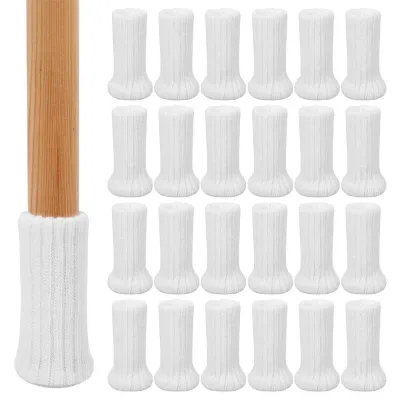
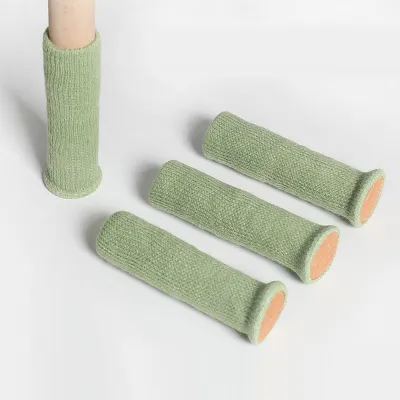
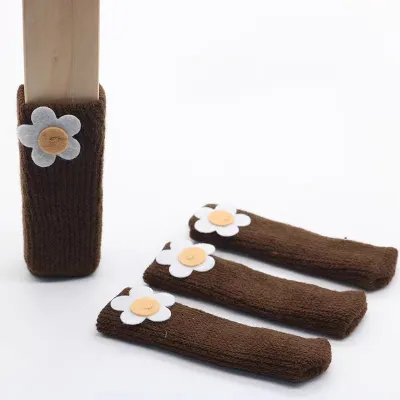
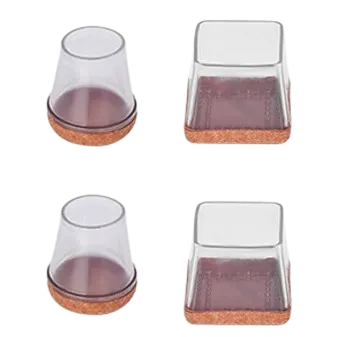
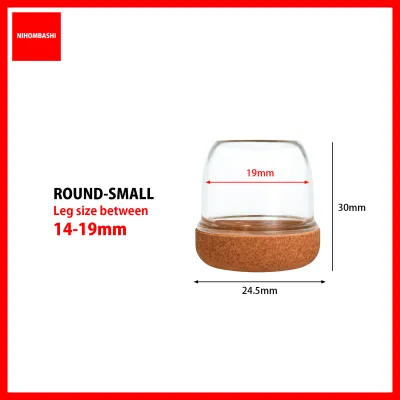
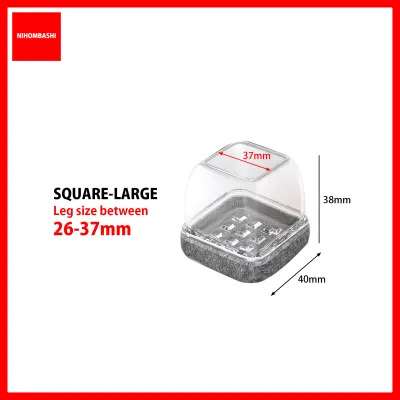
Prices are valid at publication and may change. Please refer to the product page for the latest price.
Next, consider the weight of your furniture and how frequently it is used. Lightweight dining chairs and study chairs are moved multiple times a day, creating continuous friction against the floor. These pieces require materials that facilitate smooth gliding to minimize wear on both the chair leg and the floor surface. In contrast, heavy, stationary furniture like sofas, armchairs, and sideboards exert high static pressure on a small surface area. For these items, the primary goal is weight distribution and preventing the furniture from sliding out of place, which requires high-grip, non-compressible materials.
Finally, identify the primary risk you need to mitigate in each room. In a dining area with tiled floors, noise reduction and smooth movement are likely your top priorities. In a living room with delicate engineered wood or vinyl flooring, preventing deep dents from heavy furniture and avoiding surface scratches are much more critical. By matching the protector to the specific vulnerability of the room’s flooring, you ensure long-term protection and reduce the need for costly floor repairs or refinishing.
Comparing Common Protector Materials
Felt pads are among the most popular choices for residential furniture due to their soft, fibrous texture. They allow chairs to glide effortlessly across hard surfaces, making them excellent for dining chairs. However, felt has distinct limitations. Under heavy, static loads, felt fibers compress permanently, losing their cushioning ability. Furthermore, felt acts as a magnet for dust, pet hair, and abrasive grit. If these particles become embedded in the felt, the pad effectively turns into sandpaper, scratching the floor every time the chair moves. In humid climates, the adhesive backing on peel-and-stick felt pads can degrade, causing the pad to slide off center and leave a sticky residue.

Rubber caps and cups offer high friction and exceptional grip, making them ideal for keeping stationary furniture firmly in place. They do not compress easily, providing excellent weight distribution for heavy items. However, rubber is not suitable for chairs that are moved frequently, as the high friction makes sliding difficult and can strain the chair joints. Additionally, certain low-grade rubber compounds contain chemicals that can cause plasticizer migration, leading to permanent yellowing or dark scuff marks on light-colored vinyl or polyurethane-finished wood floors.
Silicone sleeves and caps have gained popularity because of their flexibility and snug, tool-free fit. They are often molded into transparent or semi-translucent designs that blend seamlessly with various wood stains and metal finishes. The stretchable nature of silicone allows a single sleeve to fit multiple leg shapes, whether round, square, or rectangular. While silicone itself provides moderate grip, many modern designs feature an integrated felt pad on the bottom. This hybrid approach combines the secure, aesthetic fit of a silicone sleeve with the smooth gliding performance of felt.
Plastic glides are highly durable, rigid accessories designed to withstand heavy loads without compressing or wearing down quickly. They are typically attached to chair legs using nails, screws, or insert prongs, ensuring they stay firmly in place. While they are highly effective on rugged surfaces, plastic glides carry a significant risk. If the plastic cracks, chips, or wears thin over time, the sharp edges or the underlying metal screw can become exposed. This can cause deep, irreversible gouges in wood, vinyl, or laminate flooring before the damage is even noticed.
| Material | Flexibility | Relative Grip Level | Ideal Chair Types |
|---|---|---|---|
| Felt Pads | Low (Compressible) | Low (High Glide) | Lightweight dining chairs, study chairs |
| Rubber Caps | Medium | High (Anti-Slip) | Heavy armchairs, stationary stools, sofas |
| Silicone Sleeves | High (Stretchable) | Medium to High | Round or square legs, moderately moved chairs |
| Plastic Glides | None (Rigid) | Low (High Glide) | Heavy-duty furniture on rugged surfaces |
Matching Materials to Your Specific Flooring
When dealing with ceramic or porcelain tiles, the primary challenges are noise control and preventing grit from grinding into the glaze. Thick felt pads or wide-base silicone sleeves with integrated felt bottoms are highly effective here. The felt dampens the sharp scraping sound as the chair leg slides over grout lines, while the wide base ensures the chair moves smoothly without catching on uneven tile edges. Regular cleaning of the floor is still necessary to prevent dirt from embedding in the felt.
Vinyl flooring requires careful material selection to avoid chemical reactions and physical damage. Because vinyl is relatively soft, heavy chairs can leave permanent indentations if the weight is concentrated on a small point. Wide-base silicone sleeves or specific non-staining rubber protectors are recommended to distribute the load. It is crucial to avoid cheap rubber or plastic protectors that can trigger plasticizer migration—a chemical reaction that permanently discolors the vinyl wear layer. Always check with your vinyl flooring manufacturer to confirm which protector materials are safe to use.
Hardwood flooring, including parquet and engineered wood, is highly sensitive to scratches and moisture. For frequently moved dining chairs, heavy-duty felt pads are the standard recommendation. To avoid the issue of adhesive failure in humid environments, consider screw-in or nail-on felt pads, provided they are installed perfectly straight to prevent the metal screw from touching the wood. For heavy, stationary furniture like sofas, use non-marking, wide-base rubber cups. These cups prevent the furniture from sliding and scratching the delicate wood finish while spreading the weight evenly.
Regardless of the material you choose, the “Verify First” rule is paramount. Flooring manufacturers often have specific guidelines regarding acceptable accessories, adhesives, and protective mats. Using unapproved materials can void your flooring warranty, leaving you responsible for the cost of repairs. Before purchasing chair leg protectors, consult your flooring documentation or contact the manufacturer directly to verify compatibility.
Installation, Maintenance, and Replacement Signals
Proper installation is critical to ensure your chair leg protectors perform effectively and stay in place. Before applying adhesive-backed felt pads, you must prepare the surface of the chair leg thoroughly. Clean the bottom of each leg with a damp microfiber cloth to remove dust, wax, or old adhesive residue, and allow it to dry completely. Any remaining moisture or debris will weaken the adhesive bond, causing the pad to slide off prematurely. For slip-on silicone or rubber caps, ensure the leg is clean and free of sharp splinters that could tear the material during installation.
Routine maintenance is essential to prevent the protectors themselves from causing floor damage. Inspect felt pads at least once a month for embedded debris like sand, pet hair, or small plastic fragments. If you notice the felt feels rough or looks dirty, use a stiff brush or vacuum attachment to clear the debris. For rubber and silicone protectors, check for signs of material degradation, such as hardening, cracking, or tearing. In humid climates, adhesives can break down faster, so check that adhesive pads remain centered on the chair leg and have not started to slip.
Knowing when to replace your protectors is key to safeguarding your floors. You should replace felt pads immediately when they flatten completely, lose their cushioning, or begin to slide off the leg. For silicone and rubber caps, replacement is necessary if the material tears, loses its elasticity, or shows visible wear that exposes the bare wood or metal of the chair leg. Setting a regular schedule to inspect and replace these inexpensive accessories can save you from the significant expense and hassle of repairing damaged flooring.
Frequently Asked Questions (FAQ)
Can I use the same chair leg protectors for indoor and outdoor furniture?
Outdoor furniture is exposed to environmental factors like intense UV rays, rain, and high humidity, which accelerate material degradation. Standard indoor felt pads will quickly absorb moisture, rot, and lose their adhesive grip, causing them to fall off. Similarly, standard rubber and silicone can crack or become brittle under direct sunlight. Outdoor furniture requires specialized, weather-resistant plastic glides or heavy-duty stainless steel glides designed to withstand moisture and rough outdoor surfaces like concrete or stone patios without degrading.
Do chair leg protectors leave residue on the floor?
Residue typically does not come from the protector material itself, but rather from degraded adhesives on peel-and-stick pads or chemical breakdown of low-quality rubber. If adhesive residue gets on your floor, check your flooring manufacturer’s guidelines for safe removal methods. Often, a gentle wipe with a damp microfiber cloth or a mild, floor-safe cleaner is sufficient. Avoid using harsh solvents like acetone or abrasive scrubbers on vinyl or laminate floors, as they can permanently damage the protective wear layer.
How do I measure my chair legs for the right protector size?
To ensure a secure fit for caps and sleeves, measure the diameter of round legs or the width of square legs using a ruler or caliper. Take this measurement at the very bottom of the leg where the protector will sit. If your chair legs are tapered (wider at the top and narrower at the bottom) or angled, choose flexible silicone sleeves that can stretch to conform to the shape, or opt for nail-on/screw-on glides that attach directly to the flat bottom surface.

Community discussion
Share your experience or ask a question. Comments are reviewed before publication.