
Finding the right storage solutions for a compact entryway in a Singapore HDB flat or condominium requires balancing utility with aesthetics. The entryway serves as the first impression of your home, but it is also a highly functional transition zone where wet umbrellas, shoes, and keys accumulate. A ceramic umbrella stand offers a classic, heavy-duty, and water-resistant option for managing wet weather gear, but its rigid structure means you must select its dimensions and shape with care.
In tight apartment layouts, a poorly chosen stand can quickly become a tripping hazard or block the smooth operation of your front door and safety gate. To find a ceramic stand that fits seamlessly into your space, you must look beyond surface aesthetics and evaluate physical dimensions, weight distribution, and material finishes. This guide outlines the essential steps to measure your space, compare form factors, ensure stability, and verify product specifications before making a purchase.
Measuring Your Entryway Space and Clearance
Before browsing online marketplaces or local home decor showrooms, you must establish the exact physical boundaries of your entryway. Start by measuring the available floor footprint using a standard measuring tape. It is crucial to account for the swing arcs of your main door and outer metal gate, as a ceramic stand placed too close to these paths can easily be struck and shattered. If you have a shoe cabinet or a built-in console, measure the clearance around these pieces to ensure the stand does not block drawers, sliding doors, or low-level shelves.
Products mentioned in this guide
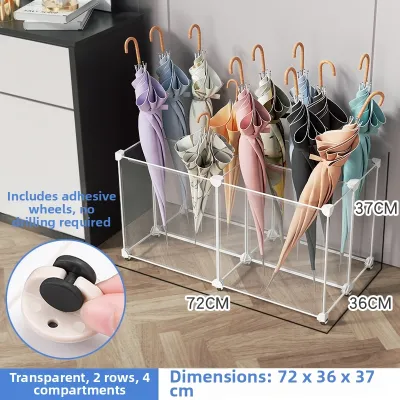
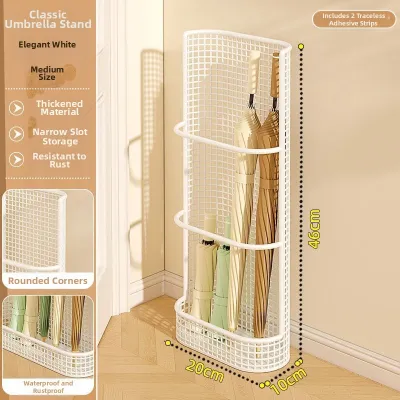
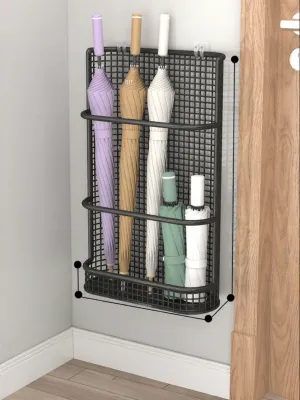
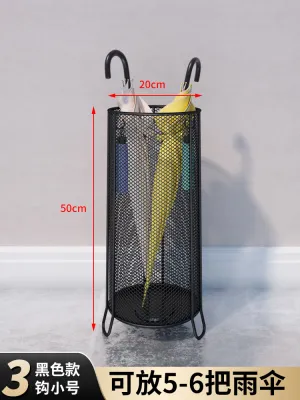
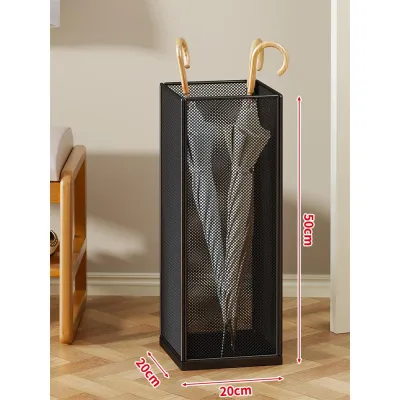
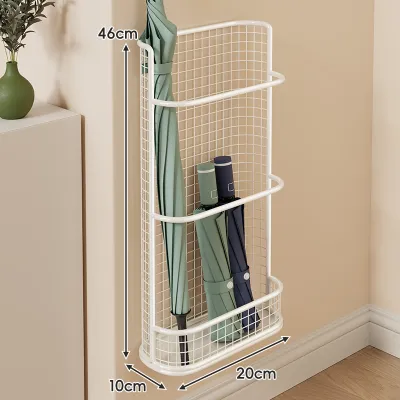
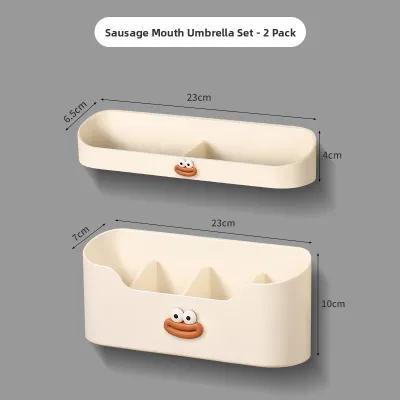
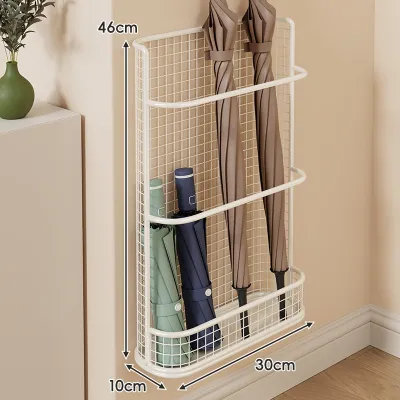
Prices are valid at publication and may change. Please refer to the product page for the latest price.
High-traffic bottlenecks require special attention, particularly in HDB corridors or compact condo foyers where space is at a premium. Fire safety guidelines in Singapore require clear escape paths, meaning your umbrella stand must not encroach on shared corridors or block the immediate exit zone inside your doorway. A stand that protrudes even a few centimeters too far can disrupt daily movement, especially when carrying groceries or maneuvering strollers and mobility aids.
Additionally, assess the surrounding surfaces for potential moisture hazards. While a glazed ceramic stand is entirely waterproof, the process of inserting and removing wet umbrellas can cause water droplets to splash onto nearby walls and floors. If your entryway features moisture-sensitive materials such as laminate flooring, engineered wood, or standard interior wall paint, you will need to position the stand slightly away from these surfaces or choose a model with a design that minimizes splashing.
Comparing Form Factors for Space Efficiency
Ceramic umbrella stands come in several distinct shapes, each offering unique spatial advantages and limitations for compact layouts. Cylindrical stands are the most traditional option, offering a classic look that fits well into corners. However, their curved outer walls naturally create dead space when pushed against flat walls, which can make a narrow corridor feel even more restricted.

For exceptionally narrow entryways, rectangular or semi-circular (half-moon) ceramic stands are often more space-efficient. These designs feature flat back panels that sit completely flush against your wall or the side of a shoe cabinet. By minimizing the outward protrusion into the walkway, a rectangular stand maximizes the remaining floor space while still providing a stable, upright container for your umbrellas.
Corner-specific triangular stands are another excellent option for maximizing underutilized space. These models fit snugly into 90-degree corners, turning an otherwise awkward nook into a functional storage zone. When comparing these shapes, you must carefully evaluate the trade-off between the external footprint and the internal storage capacity. A stand that is too slim may only accommodate two or three folding umbrellas, which might not meet the needs of a larger household during Singapore’s monsoon seasons.
A common oversight when purchasing ceramic furniture is ignoring the thickness of the outer walls. Because ceramic is a molded clay material, its walls must be relatively thick to maintain structural integrity during the firing process. A stand with an external diameter of 18 centimeters might only have an internal usable diameter of 14 centimeters once you subtract the thickness of the ceramic walls and any decorative relief patterns. Always check both the external and internal dimensions to ensure your household’s collection of umbrellas will actually fit inside.
Ensuring Stability and Easy Maintenance
A ceramic umbrella stand must be physically stable to prevent accidents in a busy household. Because ceramic is a dense, heavy material, it naturally provides more stability than lightweight plastic or wire mesh alternatives. However, a tall, narrow ceramic cylinder can still become top-heavy when loaded with multiple long-handled umbrellas, especially if they are wet and leaning to one side. To prevent tipping, look for designs that feature a wider, flared base or a lower center of gravity where the bulk of the weight is concentrated at the bottom.
Water management is another critical factor when selecting a ceramic stand. Since ceramic does not absorb water, any rain dripping from your umbrellas will pool at the bottom of the container. Without proper maintenance, this standing water can lead to mold growth, unpleasant odors, and unsightly mineral deposits. Look for stands that incorporate practical design features such as a raised interior base to keep umbrella tips out of the puddle, or a removable plastic drip tray that allows you to easily empty collected water without having to lift and tip the heavy ceramic vessel.
The quality of the glaze and finish plays a major role in how easy the stand is to maintain in Singapore’s humid climate. A fully glazed interior and exterior surface creates a smooth, non-porous barrier that resists water spots, dirt, and mold. Matte or unglazed ceramic finishes, while highly textured and modern in appearance, are more prone to absorbing oils from hands and staining from dirty rainwater, requiring more frequent and careful scrubbing.
Finally, examine the underside of the ceramic base. Raw, unglazed ceramic can be highly abrasive and may scratch delicate entryway flooring, such as polished marble, ceramic tiles, or luxury vinyl tiles. To protect your floors, verify whether the stand comes with pre-applied protective pads, such as felt or rubber feet. If it does not, you should plan to purchase and apply adhesive silicone or felt protectors to the bottom of the stand before placing it on your floor.
Verifying Specifications Before You Buy
When shopping online or visiting local home decor retailers, a systematic verification process will help you avoid purchasing an unsuitable product. Begin by cross-referencing the exact product dimensions listed by the seller with the physical measurements you took of your entryway. Do not rely on descriptive marketing terms like “space-saving,” “mini,” or “compact,” as these terms are subjective and vary widely between different manufacturers.
Next, check the manufacturer’s specifications for weight and material composition. A high-quality ceramic stand suitable for long umbrellas should generally weigh at least 2.5 to 3 kilograms when empty to ensure it does not tip over easily. If the product listing does not specify the weight, contact the retailer directly to confirm this detail before finalizing your purchase. Additionally, review any care instructions provided to ensure the glaze is compatible with standard household cleaning agents.
User reviews can provide invaluable insights into how a ceramic stand performs in real-world apartment settings. Look specifically for reviews from buyers who live in similar high-rise apartments, paying close attention to comments regarding the stand’s actual capacity, stability when fully loaded, and how well the finish holds up against moisture over time. Photos uploaded by previous buyers can also help you verify the true color and texture of the glaze, which may differ slightly from professional studio product photography.
Frequently Asked Questions (FAQ)
How do I prevent a ceramic umbrella stand from tipping over?
To prevent a ceramic umbrella stand from tipping, choose a model with a wide, heavy base and a low center of gravity. When placing umbrellas inside, distribute them evenly around the perimeter rather than leaning them all against one side. If you find that your stand is still slightly unstable, you can place a layer of clean, heavy decorative river stones or glass gems at the bottom of the vessel; this adds weight to the base and helps keep the umbrella tips securely in place, though you must clean the stones regularly to prevent mold.
Are ceramic stands suitable for heavy, golf-sized umbrellas?
Ceramic stands can accommodate heavy, golf-sized umbrellas, provided you verify specific structural dimensions before buying. Ensure the stand has a minimum height of 45 to 50 centimeters to support the long shafts of golf umbrellas, preventing them from leaning at an extreme angle that could cause the stand to tip. Additionally, check that the ceramic walls are thick and robust, as thin-walled decorative vases may crack under the impact or weight of heavy fiberglass and metal umbrella frames.

Community discussion
Share your experience or ask a question. Comments are reviewed before publication.